2127 Whitley Avenue
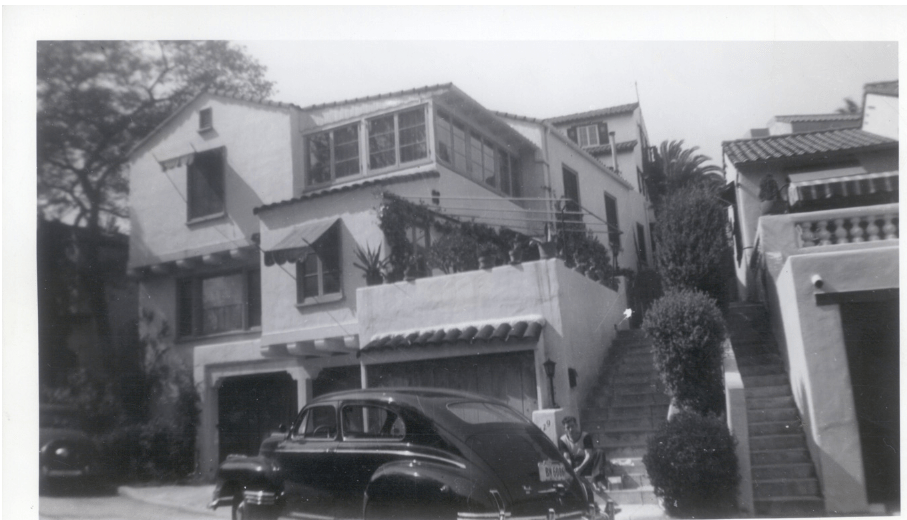
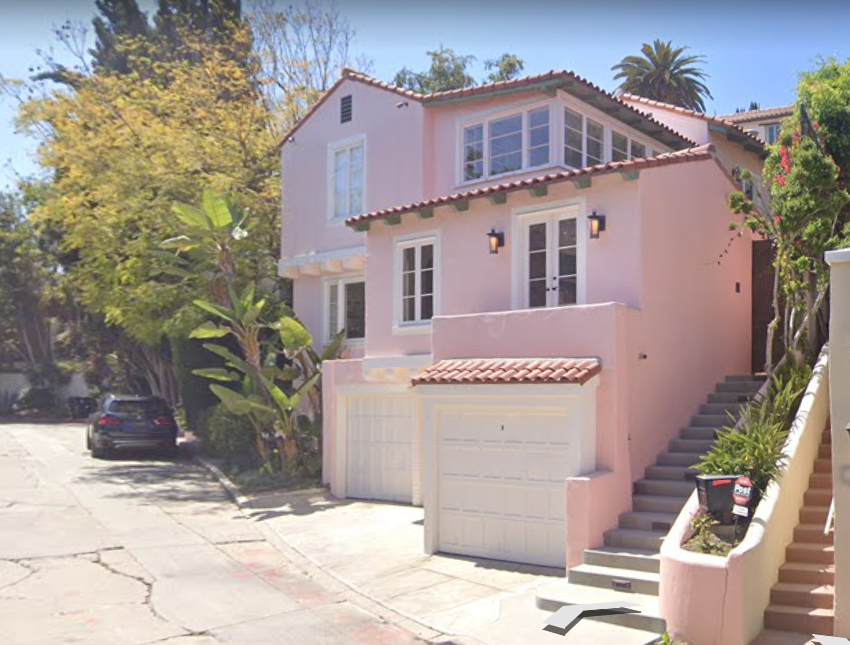
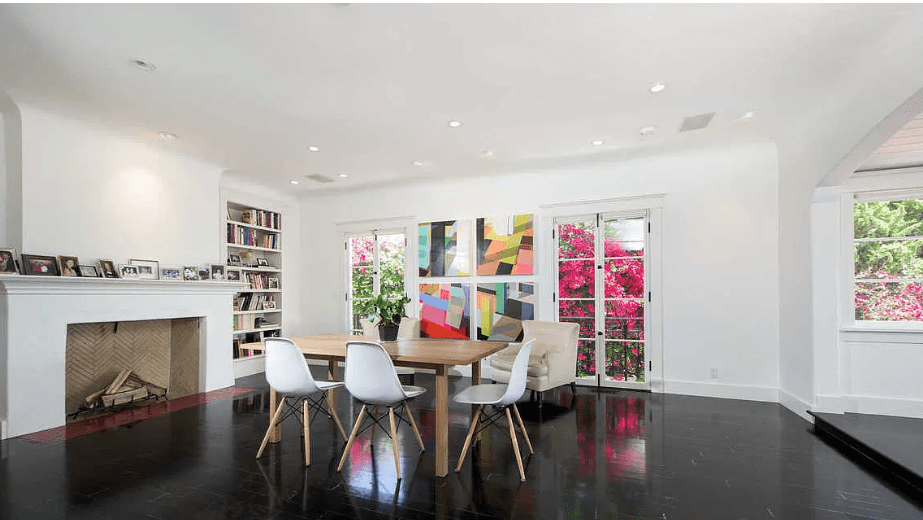
2127 Whitley Avenue was built by architect Arthur S. Barnes and owner, Peter Doerr. With a permit registered in 1922, the house was finished in 1923 and was originally a single-family residence. However, in 1925 Doerr added another kitchen, two bedrooms, and one bathroom addition. Pictured above in 1942, the house included a three car garage and listed the property as a duplex; 2127 and 2129 Whitley Terrace. The patio above the garage that is on the left, would be replaced with another room as pictured below. There are staircases on both sides of the home which act as separate entrances to the duplex. This property is three houses to the left off of Cahuenga Blvd. on Whitley Avenue, which used to run directly through Whitley Heights, prior to the 101 Freeway Construction.
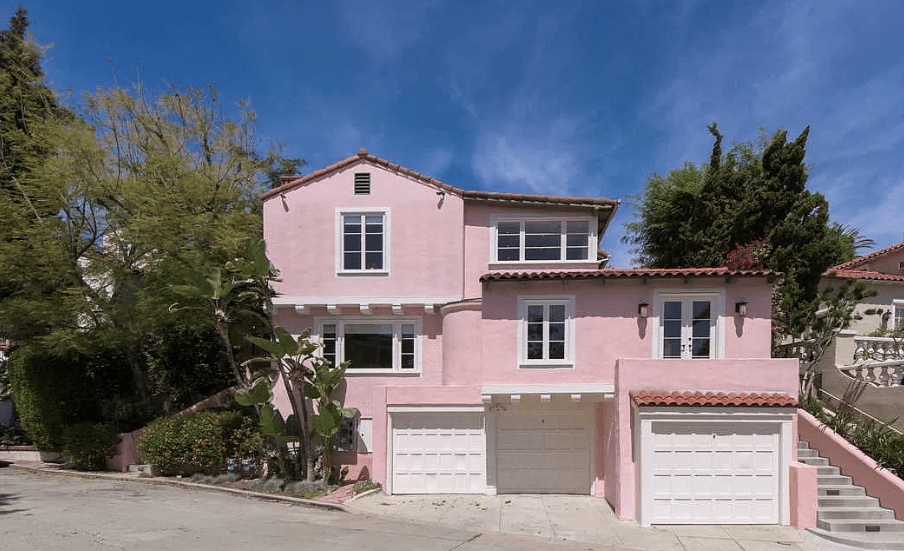
Peter was a painter, who immigrated to the United States in 1884 from Germany with his wife, Bertha. They had two boys, Ludolph (Lewis) and Harry, who worked with their father as painters. Lewis was also involved with gymnastics with an association called the Los Angeles Turnverein (Los Angeles Turners), which was founded by German immigrants in the 19th century and has been active in Los Angeles since 1871. In 1915, Lewis and several other members were swimming at the Anaheim Harbor, when he accidentally dove into shallow water and broke his neck. The others rescued him and discovered that he was paralyzed, but could still talk. Although, he was rushed to a local hospital, the doctors could not get in touch with the immediate family right away in order to get permission to perform specialized surgery that may have saved his life. Soon after, Peter had this house built which the Doerr’s moved into. Although Peter died in 1944, Bertha continued living at 2129 Whitley Avenue until her death in 1957.
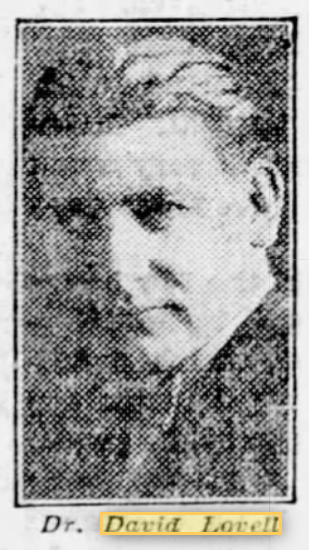
After Peter built the addition, he rented one of the units out. One of the first tenants would be Dr. David Lovell, who at the time, wrote a health column for the Burbank Daily Review in 1927. Lovell, pictured below, often worked with his brother, Dr. Phillip Lovell, and focused on natural remedies and healthy eating. In 1933, both bothers were indicated on federal tax evasion, with David only owing $433.10 in back taxes. His brother was eventually acquitted; David pled nolo contendere in December of 1933. This incident did not affect their practice as they focused on natural remedies to dieting in the 1940’s.
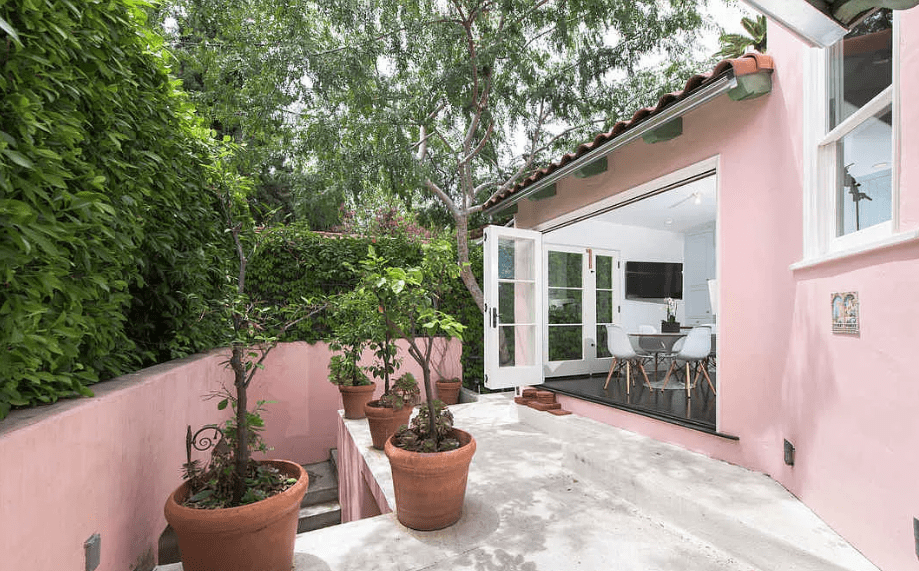
Above it the patio area on the left side of the residence. Below is the stairwell leading up to this side of the house. The kitchen is the circular area of the house behind the front door.
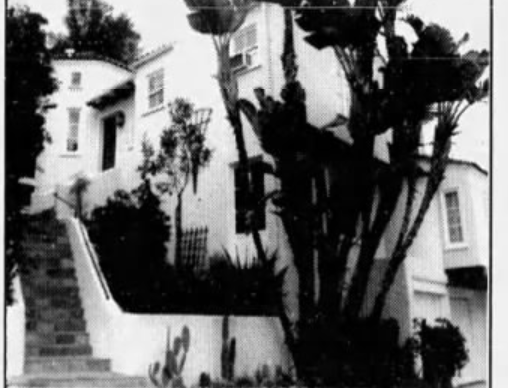
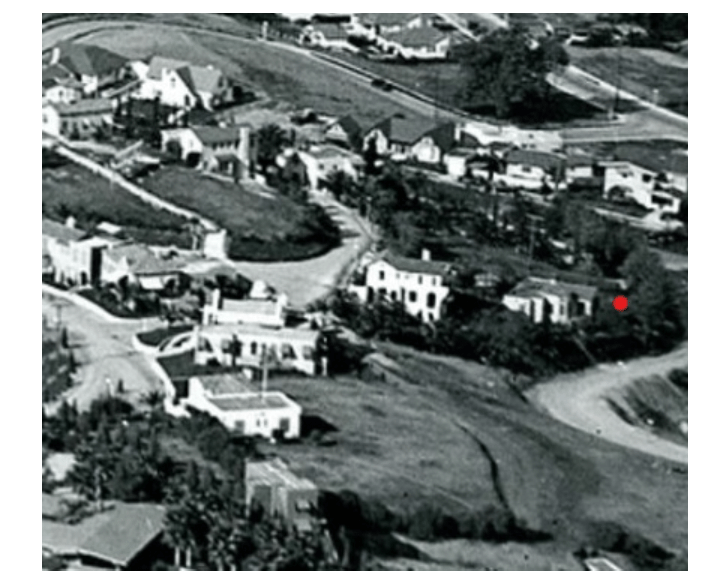
Below: 2127 Whitley Avenue is shown in the early 1920s as indicated by the red dot. The house is shown prior to any of the room additions. The circular kitchen and the front door can be seen on the left side of the house.
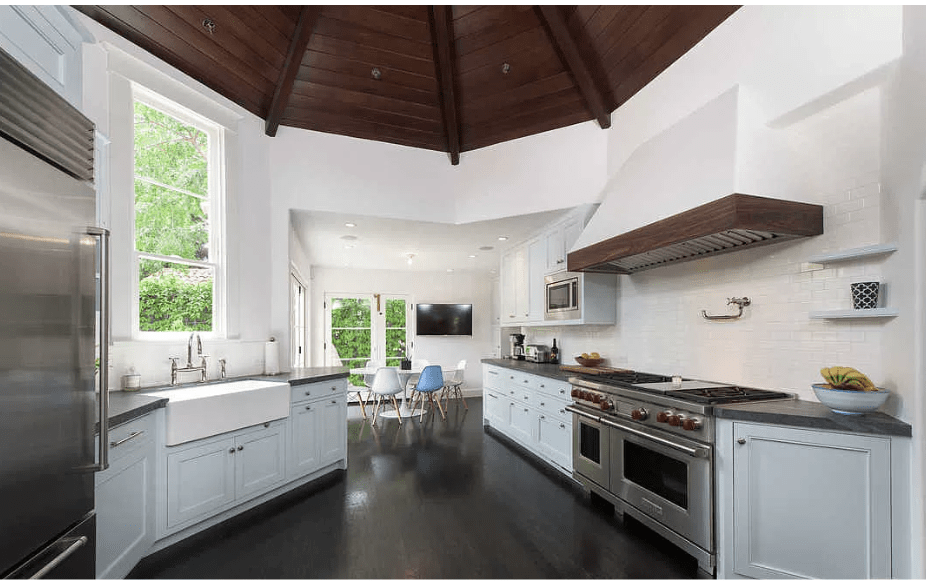
Above is the circular kitchen with the wooden dome ceiling. Below is the living area that is on the floor below and part of the other unit.
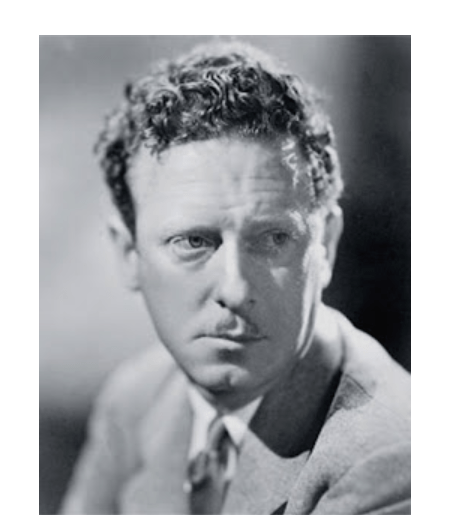
Art director Van Nest Polglase and his wife, Helen resided at 2127 Whitley Avenue between 1929 and 1931. Polglase, pictured below, was credited as the set director for over 133 films between 1925-56 including; Little Women (1933), Anne of Green Gables (1934), The Three Musketeers (1935), Annie Oakley (1935), The Hunchback of Notre Dame (1939), Swiss Family Robinson (1940), Mr. and Mrs. Smith (1941), Citizen Kane (1941). He was featured in a 2009 article in Architectural Digest, The Art of RKO: Van Nest Polglase And The Modern Movie Set: A Pioneer Who Changed The Cinematic Landscape by Donald Albright.
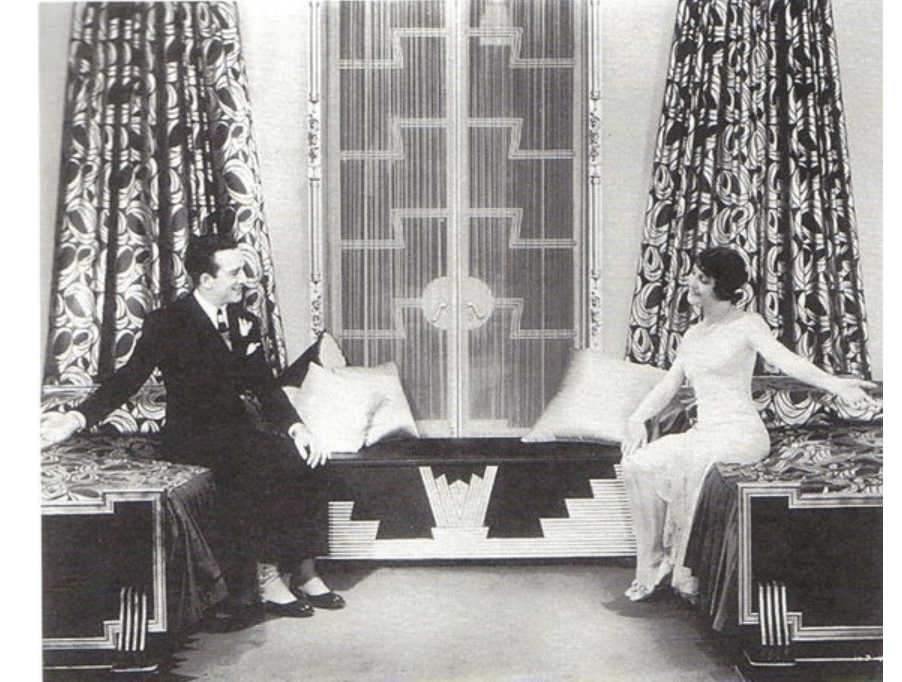
Polglase was in charge of RKo’s 150 person art department in the 1930s. Polglase was responsible for the modern design mixed with Art Deco, avant-garde architecture, and Neoclassicism styles he used in many movie sets. Below is Polglase on the 1928 set of Magnificent Flirt with actress, Florence Vidor.
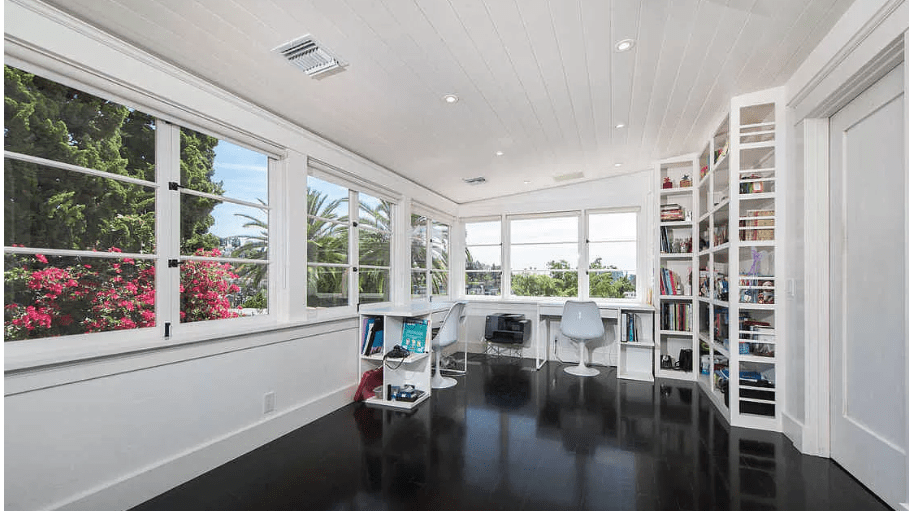
Between 1935 and 1939, screenwriter Jack Townley, real name Julian Woodward Townley, resided at 2127 Whitley Terrace, with his wife, Virginia. Townley was responsible for 124 credits between 1926 and 1957 including; Abbott and Costello Show (1953-4) and Guilty Parents (1934). He directed The Pittsburgh Kid (1941). However, in 1936 he filed bankruptcy while living here claiming his only assets were his clothes, furniture and a motion picture camera.
 Whitley Heights 101
Leave a comment