6750 Wedgewood Place
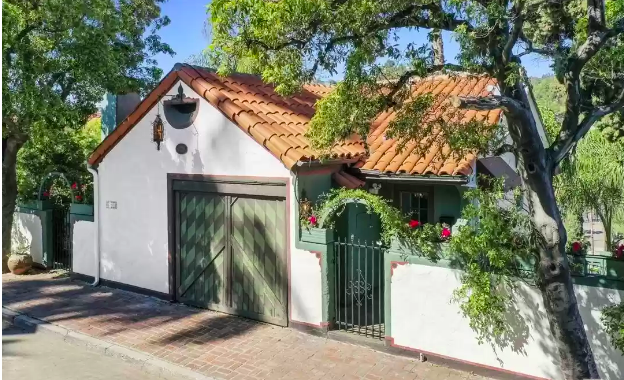
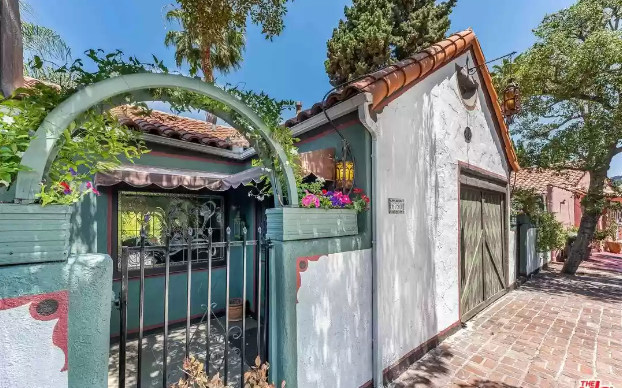
6750 Wedgewood Place was built in 1923 by owner Charles Mock and architect/contractor HW Mann. While the facade was originally designed in Mediterranean style, it was altered to a more modern French influence with the majority of the structure still in tact from its original appearance. The two story home consists of 2,156 square feet with three bedrooms and three bathrooms. In 2000, the owner converted a walk-in closet in the main bedroom into a bathroom.
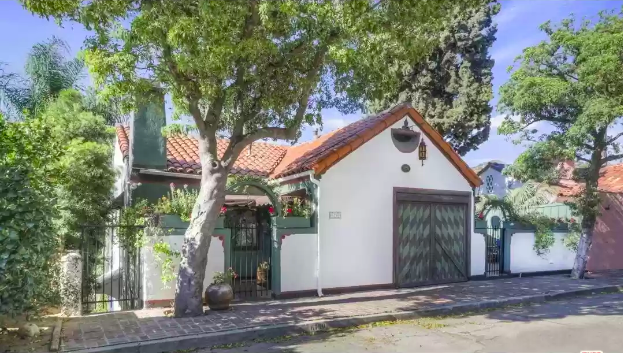
One notable tenant was publicist Timothy “Blake” McVeigh and his wife, Gladys, who rented the home in 1935. At the time, Blake worked at Warner Brothers, met a freelance screen writer named Gladys McConnell and the two were engaged by 1933. Blake and Gladys were married at the Biltmore Hotel in April 1933 and then honeymooned at Catalina Island and Palm Springs.
This did not sit too well with Muriel Vernon, who worked for the newspaper. In May of 1933, she sued Blake for $50,00 for “jilting” her as she claims they had been engaged since March 15, 1932.
Blake started in the newspaper industry while living in New York and Philadelphia. In 1923, he moved to the publicity department at MGM while still living in New York. He moved to Hollywood in 1930 and continued his publicity work at Warner Brothers and then at Paramount Studios. He represented A-list celebrities in the 1930s such as Mae West, Marlene Dietrich, and director Al Jolson. While at Paramount Studios in 1933, he wrote an article titled, “Can a mother win a career? Dietrich did”.
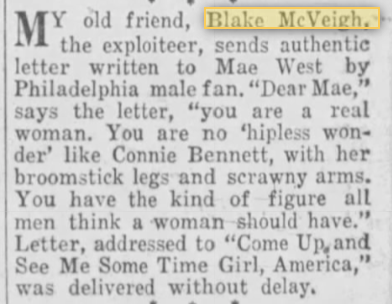
That same year, Blake’s car battery died in Beverly Hills. While looking under the hood of his car, he looked up and Mae West was standing there. She and her chauffeur ending up helping him push his car up the hill to a garage. Blake thanked her for her help and she answered, “Nothing to it. Just a pushover”.
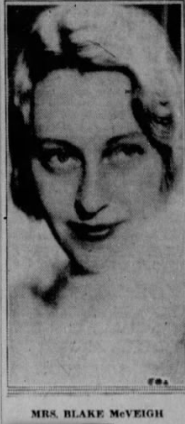
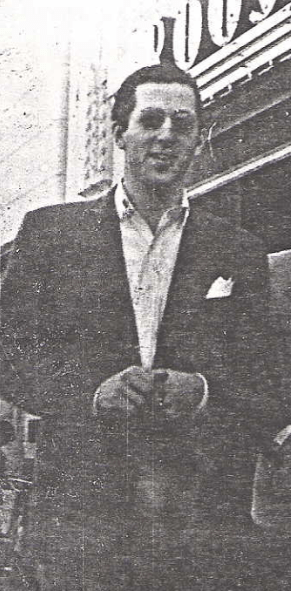
In 1937, Blake was jailed for public intoxication and by 1940, he was married to another wife, Carol Daba and now living on Hillcrest. He also had two sons, John and Hortor and one daughter but had been living with their mother in Florida. Hortor graduated from a high school in Tampa, Florida and was an avid golf and baseball player. He was invited to try out for the New York Yankees and St. Louis Cardinals but he decided to play professional golf. At the age of 18, he won the Detroit Open and had a promising career. This thrilled Blake, pictured below, who often sponsored golf tournaments for work and would also play in them.
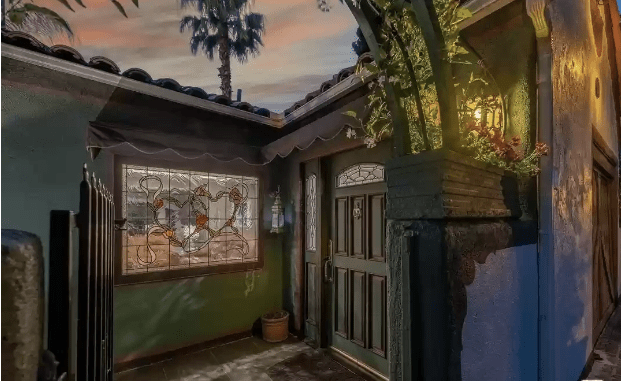
Then tragedy stuck in 1941. Horter, who was an assistant golf pro at a country club in Detroit, was celebrating his 21st birthday and driving home around 3 a.m. He was in the car with four other men when the car spun out of control and crashed into a railroad signal killing Horter and injuring the four other men. Below is a beautiful stained glass window in front of the residence in the courtyard.
Blake’s other son, John had served in the army during World War II and in 1945, he was awarded his second bronze star for heroic action while he was stationed in Germany. Below is an account of John’s bravery during the war:
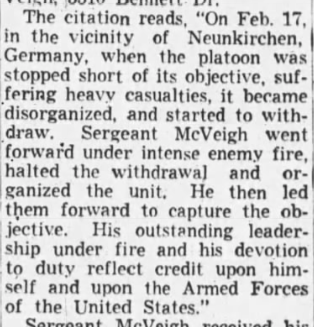
In 1946, he left the army and returned home to California where he worked with his father briefly at the Norman Millien Agency. Blake noticed that when John returned home from the war, he was different. John was perhaps suffering from the negative effects of the war and turned to heroin and became an addict. To pay for his bad habit, he began stealing and hanging out with other addicts. Blake tried several times to get his son help but was unsuccessful. Below is part of an article written about John:
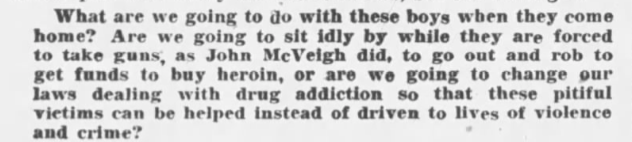
John’s addiction with heroin continued to spiral in a downhill battle. He was arrested in Oregon in 1950 after a narcotic bust with two other men from California. A few months later he was arrested in Los Angeles for a strong armed robbery at a carnival. John got placed on probation but violated it so he took off for Florida. In 1950, Blake has a third wife named Francis. John ended up stealing a car in Miami and was stopped for a traffic violation in Jacksonville. While the arresting officer, Robert Tucker, who was only days away from turning 28, was getting ready to bring him down to the station. Suddenly, John pulled out a gun and shot the officer dead. He took off in the stolen car and was eventually captured in the downtown area of Jacksonville by an army of police officers.
John was found guilty of murder and received the death penalty. After an exhaustion of appeals going straight up to the United States Supreme Court, the conviction was upheld and John was executed on April 18, 1955. The superintendent in the jail indicated that John did not speak, walked right up to the chair and sat down without a fight. Two horrific tragedies for the McVeigh family. Blake continued to work in public relations right up until his death in 1961 at the age of 62. He had even owned his own public relations company for a few years.
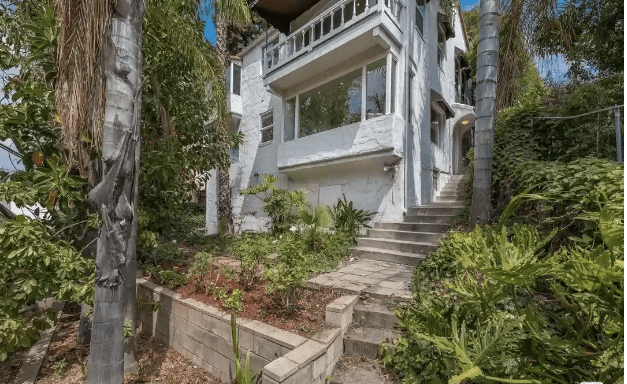
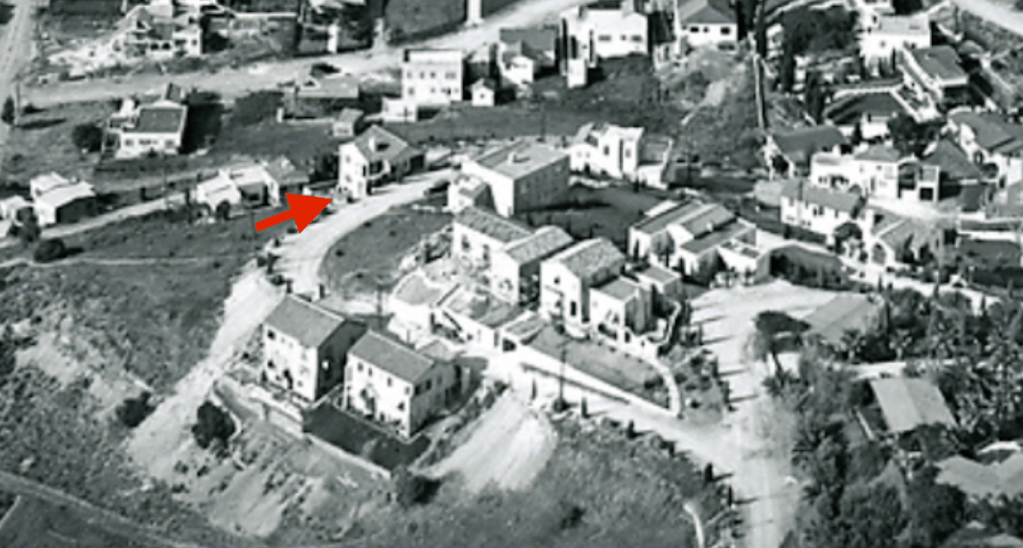
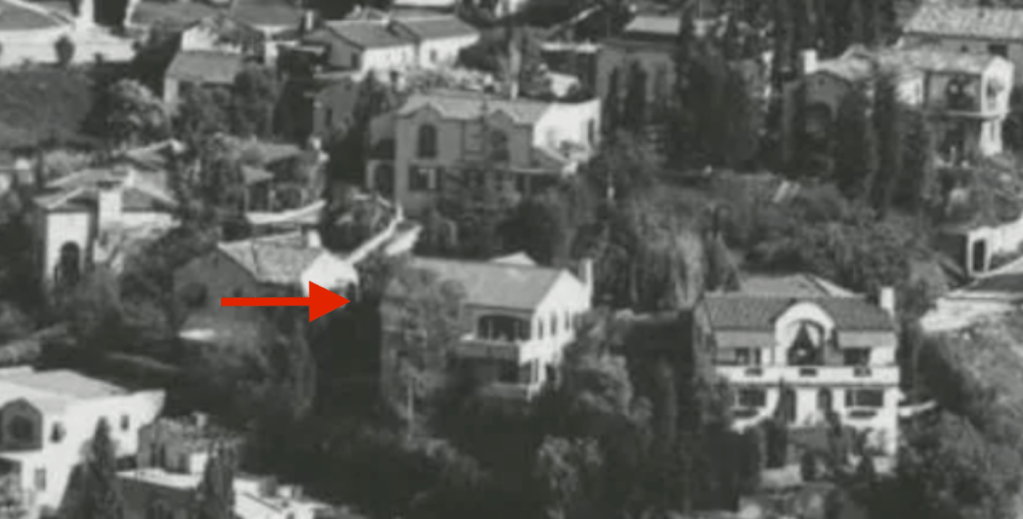
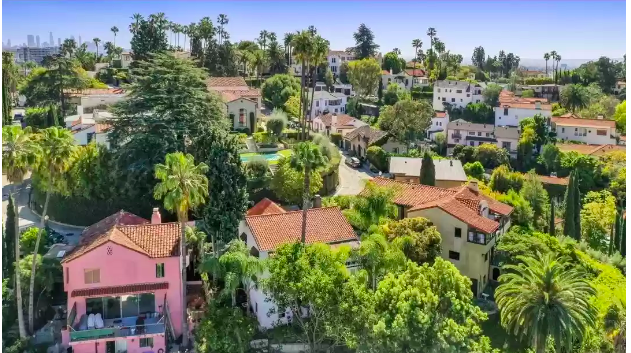
Below 6750 Wedgewood is the middle house, showing the surrounding area on Wedgewood Place. Valentino’s house was only a few houses away down the street on the left.
 Whitley Heights 101
Leave a comment