6673 Emmet Terrace
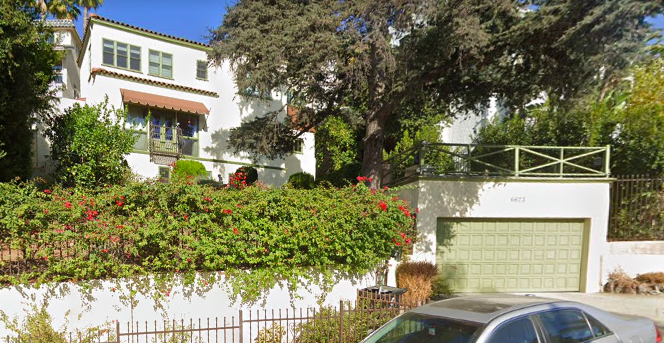
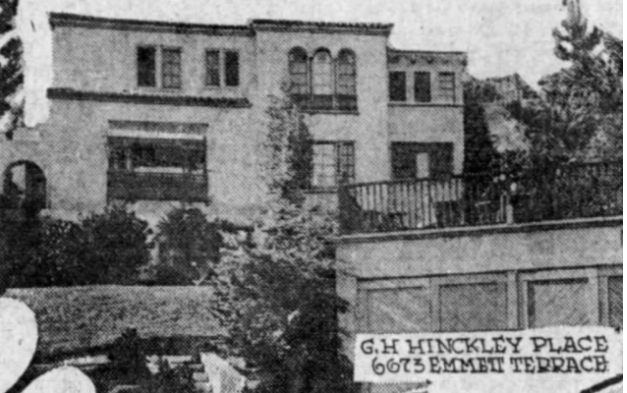
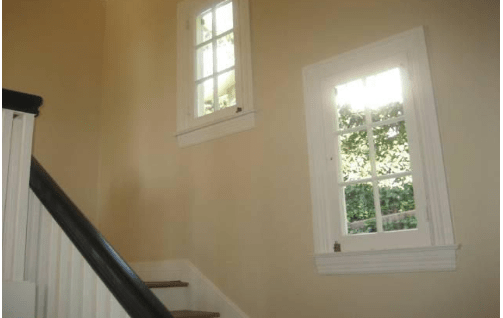
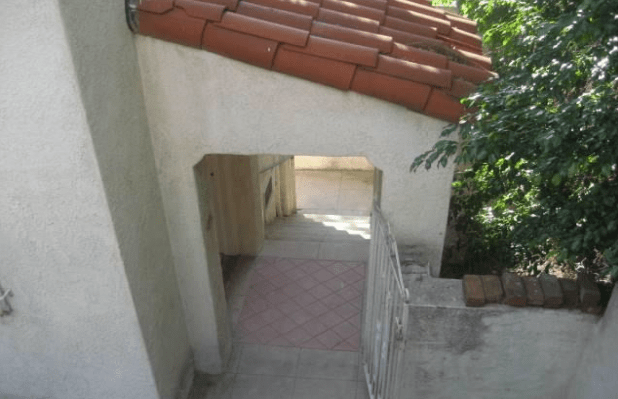
6673 Emmet (sometimes referred to as Emmett) Terrace was built in 1920 by architect Arthur S. Barnes and investment banker William Hubbard. The two-story house was originally built with five rooms with a Mission style roof and square facade on the upslope of Emmet Terrace. Bonair Place is directly in the back of the residence, but contains no access to this property. Currently, the 1,472 square foot home consists of three bedrooms and three bathrooms. One bathroom had been added in 2012. There have been several roof and interior room alterations since it was built in the 1920s. Comparing the most recent photo above to the next two photos, it is evidence that the windows on the second floor have been altered circa 2014.
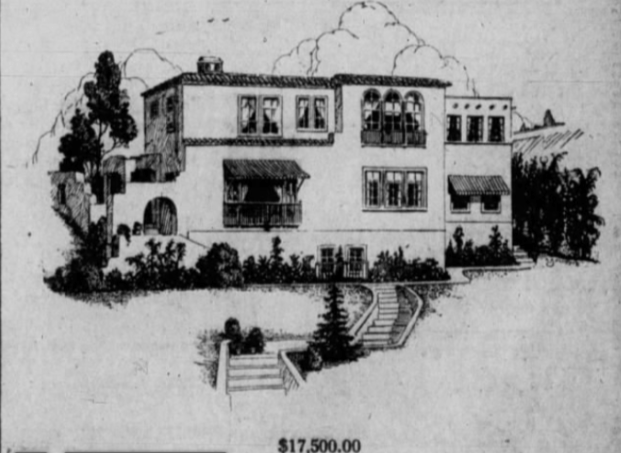
Hubbard did not hang on to the property for very long and sold it to Guy Hinckley in 1925, who in turn sold it to the Richardson’s a year later.
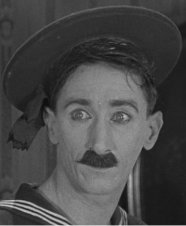
There have been a few notables that have resided at 6673 Emmet Terrace including radio star and writer Pierre Mellonino (1940-42), actor and writer, George Hill (1940-42) and silent screen actor Clyde Cook (1928-29). Clyde Cook was an Australian-born vaudevillian who went on to perform in Hollywood and whose career spanned the silent film era, talkies and television. Cook came to the United States from Australia in 1919 due to the Spanish Flu Epidemic. Cook married actress Alice Draper in 1925, they had one child named Julia, and they divorced in 1938. Cook worked in the film industry from 1919 to 1963 with a total of 138 credits. He was able to transition to talking movies due to his Australian accent, but played minor, sometimes uncredited roles.
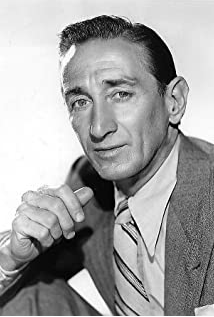
After moving to California in 1917, Cook developed his own unique screen image, which included a huge paintbrush mustache and a “blank stare” expression as in the photo below. This look made him very popular in two-reel comedies. In 1925, he joined Hal Roach, where he did some of his best work, including the Stan Laurel-directed Wandering Papas (1926). In the late 20’s, Cook appeared in Roach’s ‘Taxi Boys’ series and, with Warner Brothers, as comic relief in several features, often opposite Louise Fazenda. Then with the invention of sound, Cook continued his career, mainly in dramatic feature films, such as The Docks of New York (1928), The Taming of the Shrew (1929) and The Dawn Patrol (1930). He even got to play an Australian in The Man from Down Under (1943), but, by then, his parts had become one day parts. He retired after his one-day effort in the John Wayne starrer Donovan’s Reef (1963), and died twenty-one years later, in 1984, of arteriosclerosis.
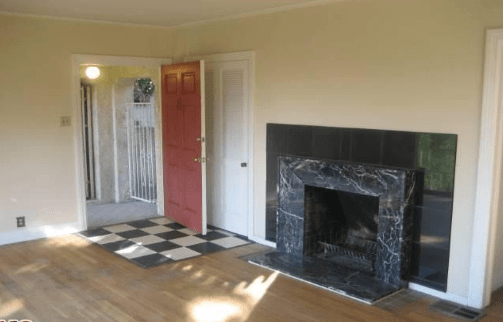
Since the residence has only a total of 1,472 square feet, the rooms appear to be small which was common back in the 1920s. Upon entry into the home, there is a fireplace in the living room with a black and white checkered entry. Also on the first floor is the kitchen (with a breakfast area), a dining room, a bathroom, one guest bedroom/bathroom and an outside patio with a mix of hardwood floors and tile.
The second floor boasts two bedrooms and one bathroom, with one bedroom being the primary bedroom.
Perhaps one other notable and interesting owner was the Reverend Walter Wentworth who lived at this property for approximately twenty years from the mid 1950s through the mid 1990s. Wentworth was a popular evangelist who was affiliated with the Foursquare Church in Burbank in the 1940s and then the Toluca Lake Trinity Church thereafter.
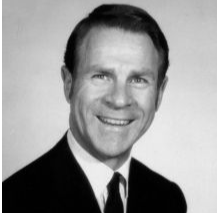
Wentworth, pictured above, was been dubbed “Hollywood Boy Evangelist” and “The Walking Miracle”. When he was younger, Wentworth was involved in a tragic car accident which left him in a brace and unable to walk. The doctor’s gave a prognosis of his two legs being permanently paralyzed and never being able to walk again. Wentworth thought his ability to stand for hours and preach was over. However, he tried, but had to be carried out by others because his body would give out. For five years, he continued preaching and praying for the sick. Throughout this time, he remained physically incapacitated; but miraculously, those he prayed for became healed.
While in Vancouver, Canada praying to heal the ill, Wentworth suddenly felt like a “hypocrite”, preaching to others to heal them and he not being able to heal himself. However, when the ministers asked him to come to their church and hold a service, he felt compelled to go. Wentworth gave the account that at the leading of the Holy Spirit, he took off his brace and stepped into the pulpit and began to heal others, praying for the sick and witnessing miraculous healings taking place. When the service ended, Wentworth made the startling discovery that he had been completely healed! From that point forward, his testimony grew and he never stopped praying for the sick or believing for God to do the impossible!
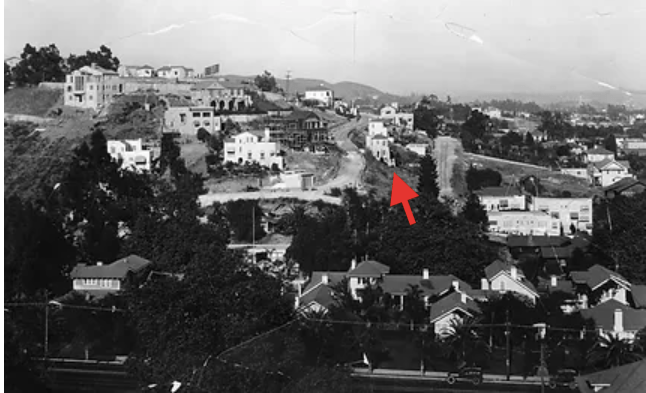
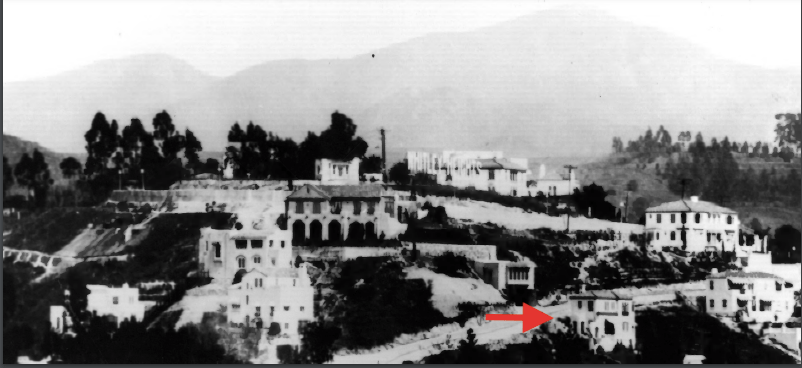
Above and below are early photographs of Whitley Heights in the 1920s showing 6673 Emmet Terrace when it was first built. Notice the unpaved streets in the photographs. The photograph below appears to be somewhat older as the “Whitley Heights” sign is still on display.
 Whitley Heights 101
Leave a comment