6661 Emmet Terrace
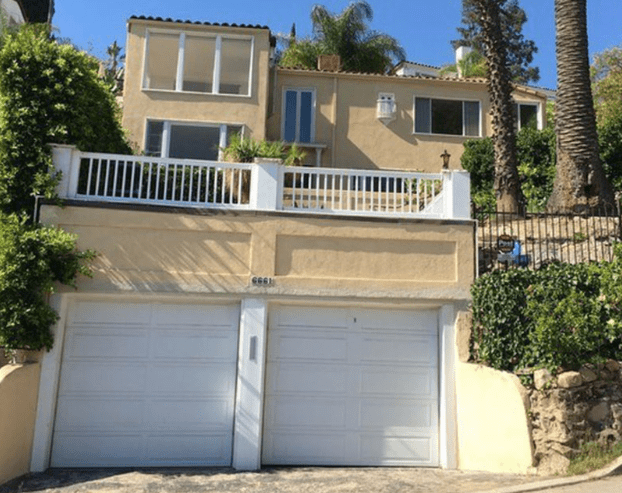
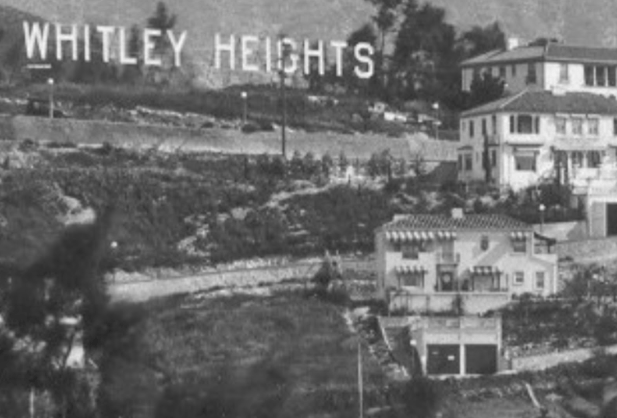
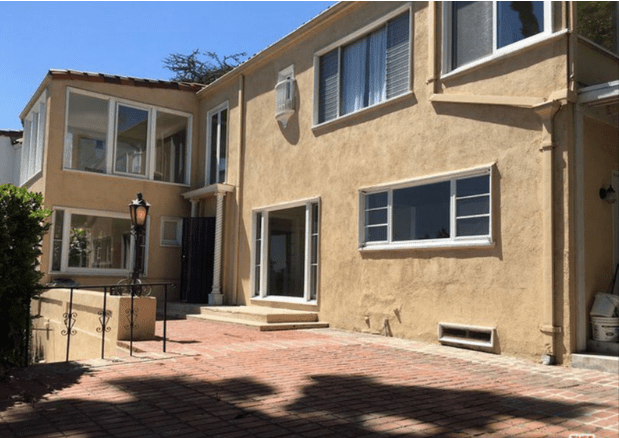
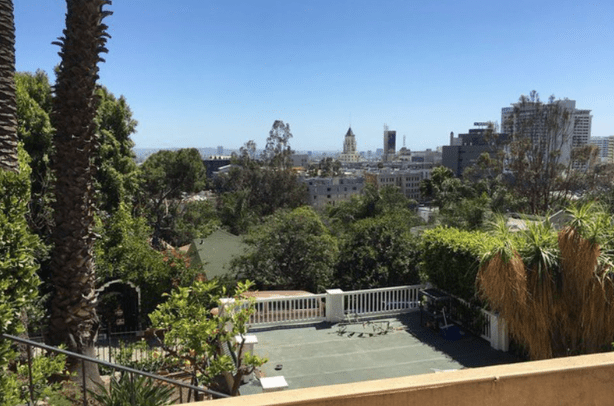
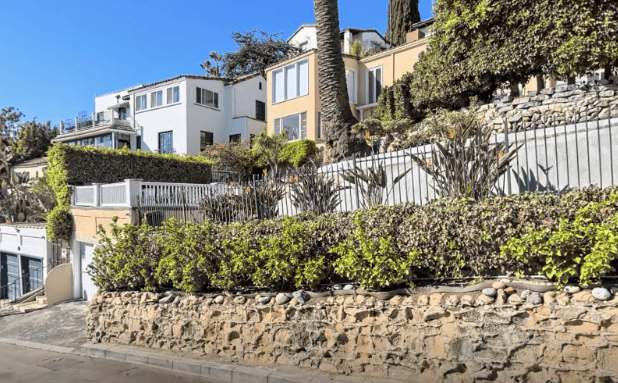
6661 Emmet Terrace was one of the first homes built on the hill in 1920 and was designed by architects Arthur S. Barnes and E.D. Wiseman for H.J. Whitley’s personal secretary, Roy Milner. Whitley also named Milner Road (Milner Court at the time) after him. Milner lived here with his wife, Jane Glass Milner and his mother-in-law, Louise Glass, and then put the home up for sale in 1923 asking $18,000 or $20,000 furnished. Whitley trusted Milner as he put Milner in charge of his large land holdings in the town of Corcoran as Whitley was focusing on building Hollywood. Milner was 29 years old when he married 30 year old Jane Glass in 1909. Jane died in 1931 at the age of 51, leaving Milner a widow.
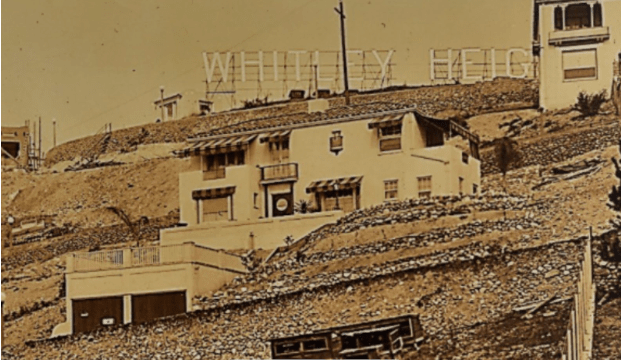
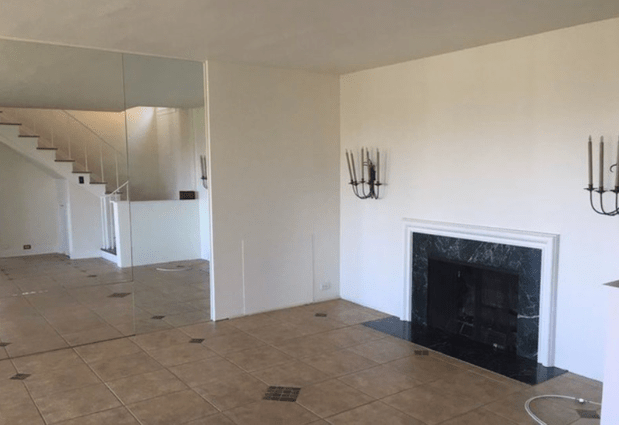
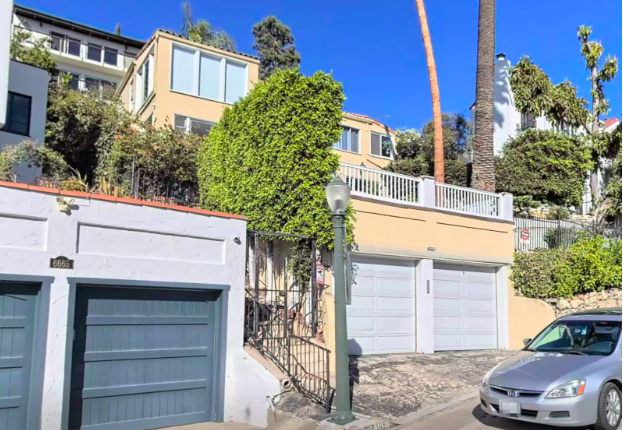
This residence was often referred to as an Italian Villa, consists of 1,800 square feet with two bedrooms and two bathrooms. There is a detached two car garage below the property on Emmet Terrace. Other than some modern updates, the only major work was done in the 1930s when oil executive William Cowan purchased the property and made the living room larger, enclosing the two porches on the second floor and added a concrete floor to the garage. In 2017, the property was for sale and the real estate agent indicated it had not been for sale for over 60 years.
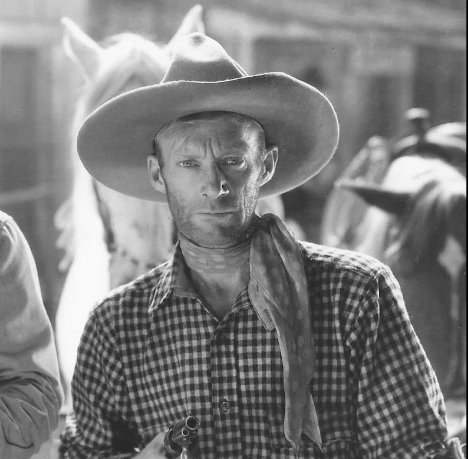
Milner sold the house of actor Al St. John who lived in the home between 1924 and 1925 and then put the house up for sale. St. John was a silent film comedian who appeared in over 300 films and was one of the original Keystone Cops. St. John was employed by Mack Sennett and also worked with many other leading actors such as Charlie Chaplin, Buster Keaton and Mabel Normand. His uncle was Roscoe “Fatty” Arbuckle who was only five years older than he and they appeared in several films together. When sound appeared, St. John appeared in many western movies often portraying the scruffy comedy-relief character “Fuzzy Q. Jones”. His notable performances in that role are in the “Billy the Kid” series of films released by the Producers Releasing Corporation from 1940 to 1946 and in that company’s “Lone Rider” series from 1941 to 1943.
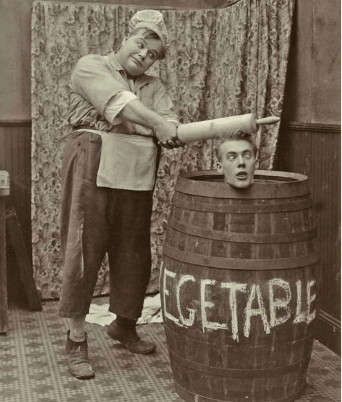
St. John married Lillian Ball in 1914 and they had one daughter, Mary Jane, who was born in 1918. By March of 1923, Ball filed for divorce citing cruelty and alcohol abuse and their very public divorce was plagued by never-ending battles over missed alimony and child support payments often resulting in St. John’s arrest. St. John then married actress Yvonne June Villon in 1926 after he moved out of this home and remained happily married until her death in 1957. St. John married for the third time in 1963 to Flo-Bell Moore who would travel with him in a Wild West Show all over the United States. They were not married too long before he suffered a massive heart attack at a motel in Lyons, Georgia and it was reported that he died in Moore’s arms on the hotel floor.
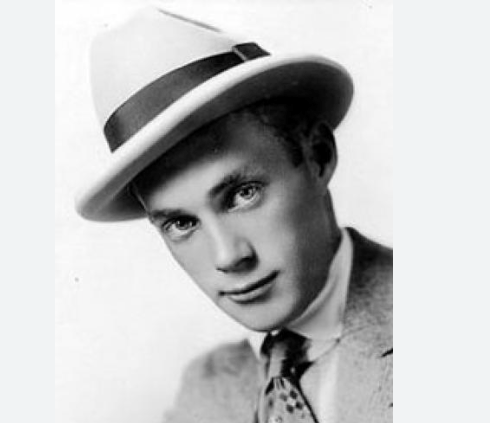
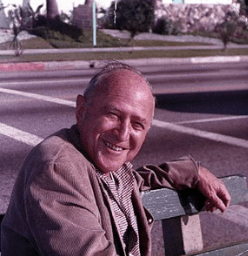
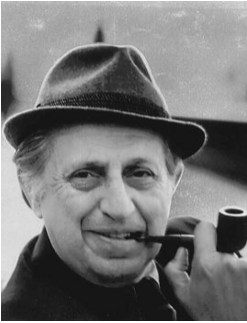
Between 1938 and 1939, screenwriter Joseph Schrank (1900-1984) and his wife, Bertha, resided at 6661 Emmet Terrace. Schrank started his career writing Broadway plays and then worked on movies and several television shows. Schrank was credited for 25 films including; He Couldn’t Say No (1938), starring Jane Wyman, Hard to Get (1938), starring Dick Powell and Olivia De Havilland, Cabin in the Sky (1943), starring Eddie Rochester Anderson and Lena Horne, and The Clock (1945), starring Judy Garland. In his later years, Schrank (pictured below) co-wrote children’s books.
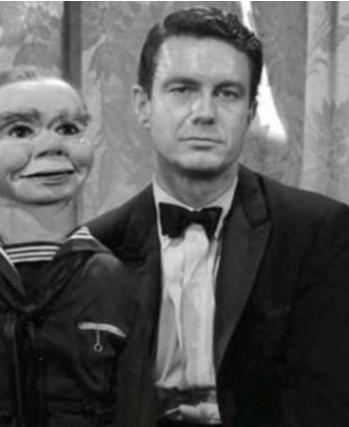
After the Schranks moved out in 1940, MGM Studios set designer Francis Keogh Gleason (1906-1982) lived in the home until 1946. Gleason worked for MGM for over 40 years and was credited for 78 films including; Oklahoma! (1955), Jailhouse Rock (1957), and Gigi (1958). He also worked on television shows such as The Twilight Zone (1960-1962) and My Favorite Martian (1956). In that time, he won 4 Academy Awards: An American in Paris in 1951, The Bad and the Beautiful in 1952, Somebody Up There Likes Me in 1956 and “Gigi” in 1958; he was nominated an additional 3 times. Perhaps his best work was on the set of The Wizard of Oz (1939) with the help of four other men, who were all gay.
Perhaps the real drama was behind those set design scenes. During the making of The Wizard of Oz, the Property Chief was Edwin Willis, who was seen as arrogant by his staff comprise of: Gleason, Henry Grace, Jack Moore, and Dick Pefferle who all shared the same office. Moore and Grace were also roommates and lived on the beach in Manhattan Beach and were known to have some wild parties. Of the group, Gleason was the only one who got married. In 1947, he married a lesbian named Jean Pettibone who wanted to adopt a baby; she was 9 years younger than he. They were married for 17 years when Pettibone found out Gleason was having an affair with an Italian actor and filed for divorce and moved to New York and opened her own art gallery.
Leo and Priscilla Rosten moved to 6661 Emmet Terrace briefly in 1940. Leo Rosten (1908-1997) was a scriptwriter for films between 1942 to 1963. Rosten immigrated from Poland began his career under the pseudonym of Leonard Q. Ross. He is credited for his work in The Conspirators (1944), starring Hedy Lamarr, The Dark Corner (1946), starring Lucille Ball, Lured (1947), starring Lucille Ball, Sleep My Love (1948), starring Claudette Colbert, and Where Danger Lives (1950) starring Robert Mitchum. His last film was based on his novel, Captain Newman MD (1963) starring Gregory Peck, Tony Curtis & Angie Dickinson.
In 1935, Rosten married Priscilla Meade, a fellow graduate student at the University of Chicago and sister of anthropologist Margaret Mead. The had three children before divorcing in 1959. Following the divorce, Meade took her own life. Rosten was able to find happiness again, marrying again in 1960.
In 1942, MGM composer Robert Stringer rented the home. While he was composing music for a concert hall, he was named chief of the music-editing department at Metro Goldwyn Mayer. At MGM, Stringer had the opportunity to compose the musical setting (“The Spell”, patterned by Stringer after the “Dance of the Nuns” from Stravinsky’s “Petrouchka”, orchestrated by Murray Cutter and conducted by Stothart) for the famous scene in “The Wizard of Oz” where Dorothy, the Cowardly Lion, the Scarecrow and the Tin Woodman dance through a poppy field towards the Emerald City. He also the orchestrator for David Copperfield (1935) and Marie Antoinette (1938). Stringer also wrote music for the Broadway, industrial films and commercials.
 Whitley Heights 101
Leave a comment