El Cabrillo Complex
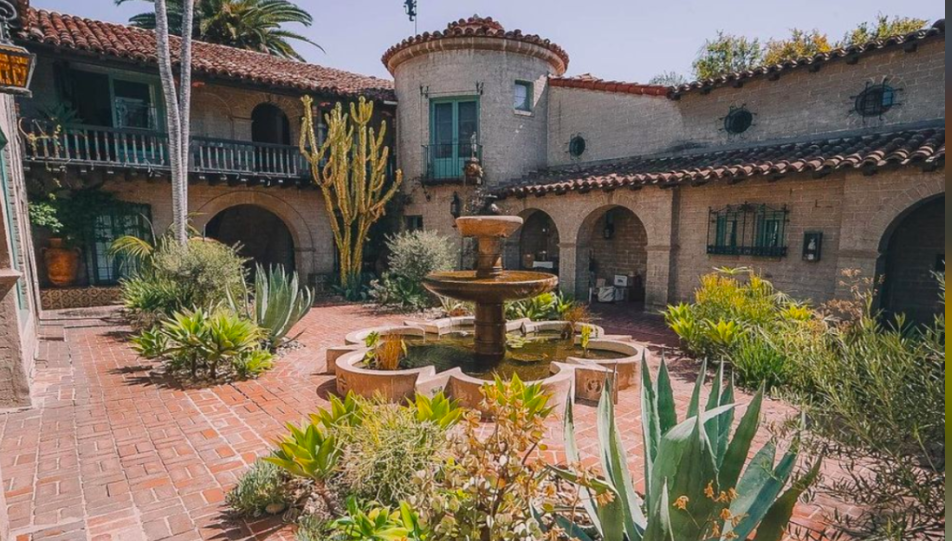
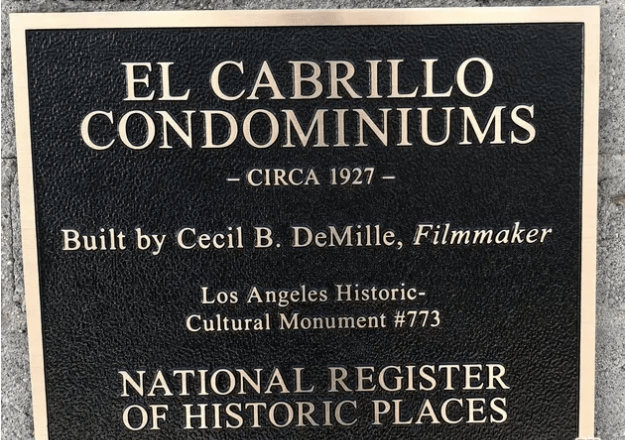
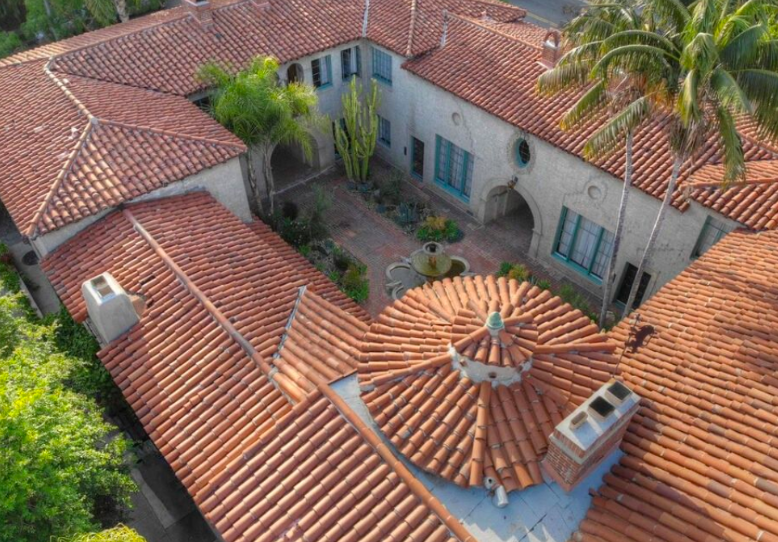
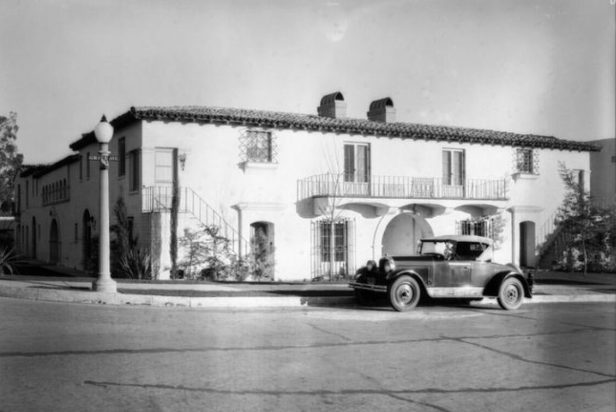
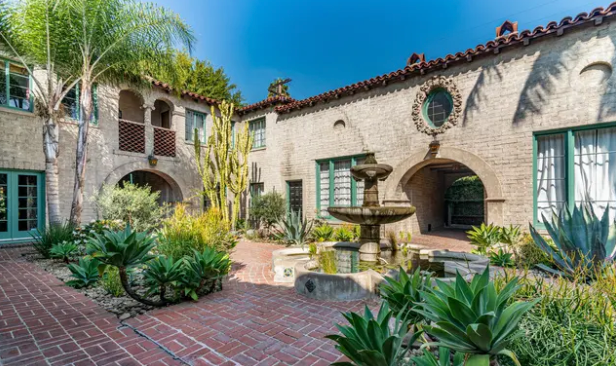
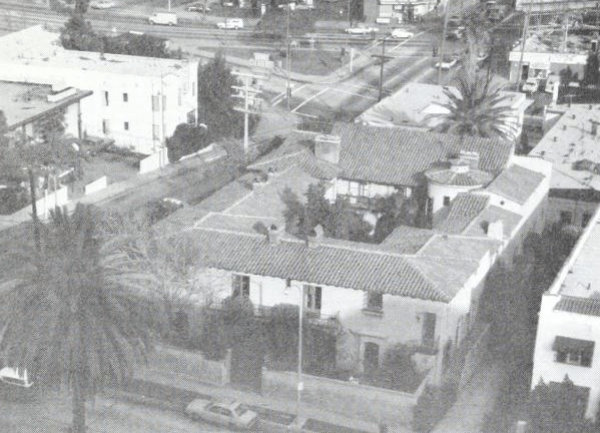
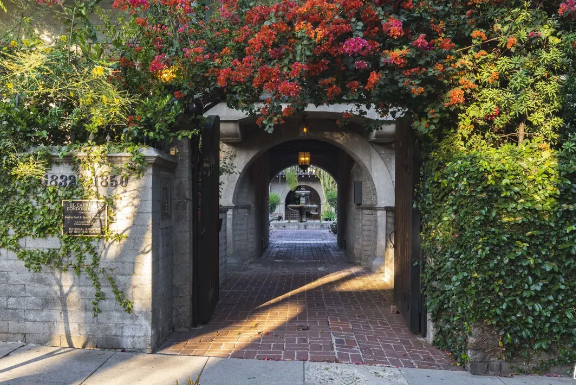
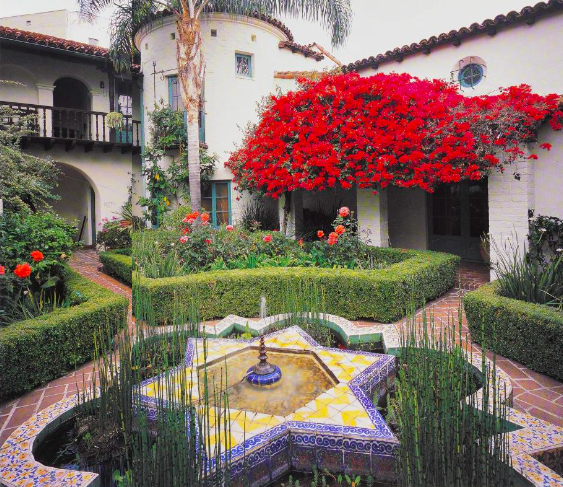
The El Cabrillo complex was built in 1927 by co-designers Arthur Zwebell and Harold J. Bissner, complete with an enclosed courtyard with a fountain, a popular design of the 1920s. The 10 unit complex, which sits on the southeast corner of Franklin Avenue and Grace Avenue (sits at the foot of Whitley Heights), consists of unique 1, 2, or 3 bedroom apartments that have been home to many Hollywood notables since it opened its doors. The original permit listed the owner as Fayette E. Marsh, who was listed as having various careers in the 1920s and 1930s including; real estate broker, attorney, clerk, business manager and salesman. As the legend goes, director Cecil DeMille commissioned Zwebell to build the apartments to house actors and actresses from New York. Apparently, there was a housing shortage after World War 1 and many homeowners did not like renting to people in the movie industry. The DeMille rumor goes a step further stating that DeMille would use one of the apartments to bring his mistresses (Jeanie Macpherson and Julia Hayes). There was also talk that he built the El Cabrillo to give to his daughter, actress Katherine DeMille.
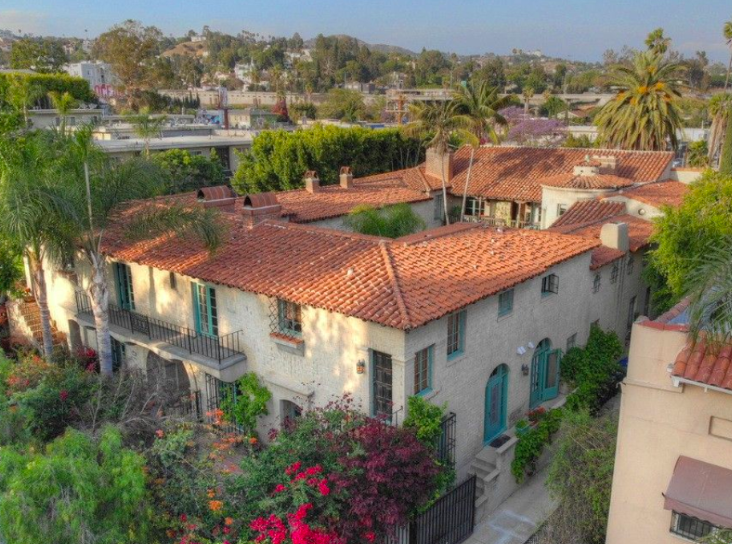
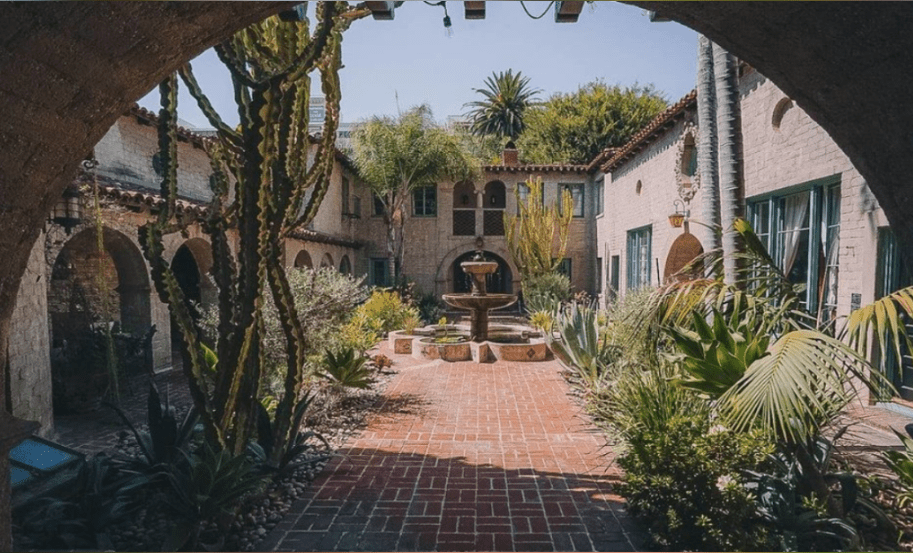
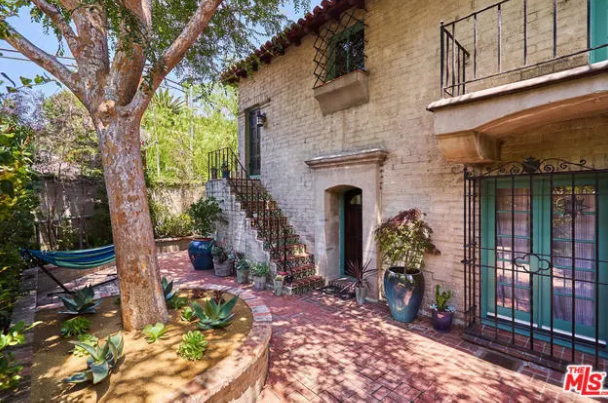
The courtyard garden complex sits at the bottom of the hill from Whitley Heights to the southeast. All of the apartments are located on all four sides of the building and six of the units are two stories and the remaining four one-story units are on the east side. The Spanish Colonial Revival style complex has two units with 3 bedrooms and 2 bathrooms, one unit with 2 bedrooms and 2 bathrooms and the rest are one bedroom and one bathroom. 1832 and 1850 Grace Avenue are on the west side and are adjacent to the main entrance on Grace Avenue. Prior to the 1960s, the main entrance was located on Franklin Avenue and used the addresses of 6520, 6522, 6524, and 6526 Franklin Avenue, although 1832 and 1834 Grace Avenue were used early on. After Franklin Avenue was widened, the main entrance on Franklin Avenue was sealed off by a wall and the sidewalk on that side was altered. Interestingly, the front entrances to all of the units are on the outside of the perimeter of the building.
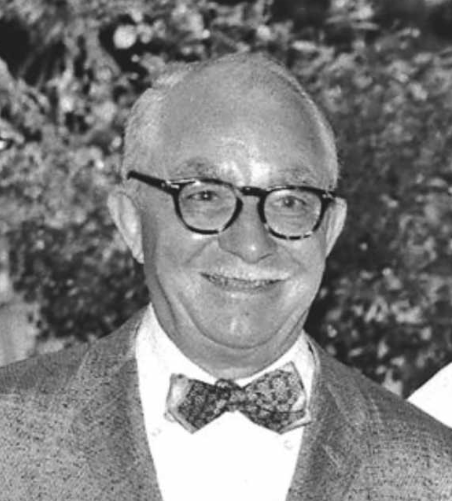
Architect Arthur Zwebell (1891-1973) (pictured below) and his wife, Nina Jacobson Zwebell (1895-1976) worked together designing homes. Arthur would design the exterior while Nina used her design skills to design the interiors. Together they created several other apartment complexes in Los Angeles: Andalusia Apartments (1926), 1471-1475 Havenhurst Drive, Casa Laguna (1928) 5200 Franklin Avenue, Chaplin Court, (1923) 1330 N. Formosa Avenue, Patio del Moro (1925) 8225 Fountain Avenue, La Ronda Apartments (1927), 1400 Havenhurst Drive, Villa Primavera (1923) 1300-1308 N. Harper Avenue. After the housing market collapsed in 1929, the Zwebell’s worked as set designers and then became furniture designers.
Harold J. Bissner Sr., co-designer and architect of the El Cabrillo complex, often goes uncredited for helping design these apartments. Bissner was a well-known Pasadena architect who recruited his son, Harold Bissner Jr. to become an architect. Bissner Sr., was a self-taught architect who designs were from copying trade manuals and built the E. Lawrence Brown house in 1928, located at 1981 San Pasqual Street, Skinner house, (1925), 440 Prospect Square, and 1234 Wentworth Avenue (1929). (His son is famous for designing Southern California’s Holland-themed Van De Kamp’s bakeries, with their signature folded plate roofs and towering windmills).
Was Cecil DeMille a silent partner in this project? According to the Los Angeles Building & Safety, a building permit was submitted on August 31, 1927 which listed F.E. Marsh as the owner and H.J. Bissner and A.B. Zwebell as the architects. The contractor was listed as “not chosen” for the address of 6520 Franklin Avenue and George P. Kirby, signing as the authorized agent. Another permit was filed on 9/23/27 which listed F.E. Marsh, 1016 S. Broadway, as the owner, to install warm air furnaces and to notify George Finney when ready. At the time Fayette Marsh owned his own building and financing company: F.E. Marsh & Company, 7046 Hollywood Blvd. and would work with the Zwebell’s in other projects including Casa Laguna in Los Feliz. Marsh lived in the building after it was built and was listed as the sales manager.
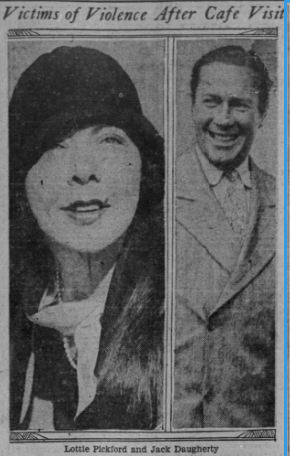
One of the earliest tenants was actress Lottie Pickford (1893-1936) in 1928 who resided at 6524 1/2 Franklin Avenue. Pickford was actress Mary Pickford’s younger sister and known to be more of a rebel than Mary. Born Charlotte Smith, Lottie followed into her sister’s footsteps into the entertainment industry. Her most notable role was in William Desmond Taylor’s, Diamond in the Sky, a role that her sister, Mary, turned down.

It was while living here in November of 1928, that she and actor and ex-husband of Barbara LaMarr, Jack Dougherty, were on their way to El Cabrillo Apartments at approximately 3 a.m. when they stopped to get directions back to Hollywood. Four men approached the car and hit Dougherty over the head and robbed him of $17. They threw Dougherty out of the vehicle and drove away with Pickford still in it. The men tore her clothes and took $75, her necklace and watch, but she was able to hide her diamond rings in her shoes and was able to persuade them to let her go. Pickford apparently spoke to them in Spanish seeing they were of Hispanic descent. Pickford alleged that the leader of the gang drove her back to where Dougherty was left unconscious. After calling the police from her apartment, she led a squad of police officers through East Los Angeles, hoping to find the area where they were robbed. After two hours of driving around, they were unable to find the area or the kidnappers. However, the police found blood and fingerprints on the car but were unable to identify the men.
Actress Dorothy Revier was listed as living at 6520 Franklin Avenue in 1929. Revier was credited for 92 roles between 1921 to 1926 primarily during the silent screen era. Her first role in 1921 was at the age of 17 and billed under her maiden name of Doris Velega. Dorothy ended up marrying the film’s director and screenwriter, Harry Revier (The Great Train Robbery) that same year in San Jose a few months after she graduated high school. However, Revier was already married to another woman who claimed he deserted her; Harry and Elizabeth were married in New York in 1917. In 1923, Mrs. Elizabeth Revier, a former actress, traveled to California to search for her husband and found out about the second marriage and charges of bigamy were issued for Harry Revier’s arrest. At the time, Harry and wife #2 were living in Los Angeles with their three month old baby. The bigamy charge would automatically annul the second marriage according to authorities. It turns out that Harry actually was married before he married Elizabeth and was legally divorced from the first wife in 1916.
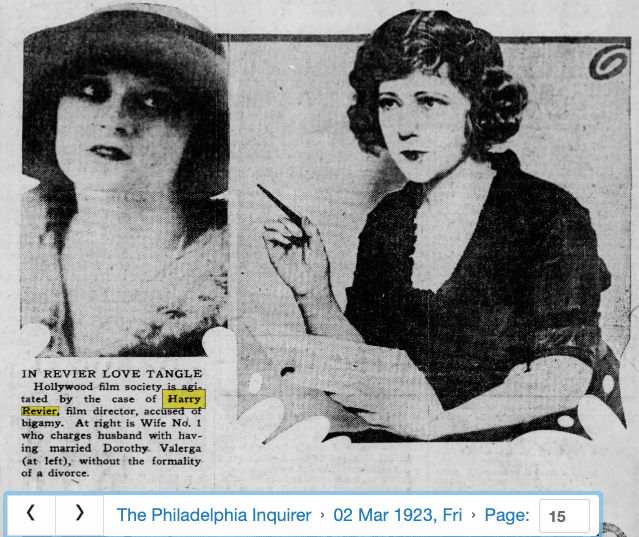
Finally on March 6, 1923, Harry finally surrenders to the San Jose police. However, Harry indicated the charges against him were a “frame up” and that he was a victim of a blackmail plot. Harry denied that he was married to Elizabeth and that she was just a “very good friend”. Dorothy was going to stand by the man who has helped her get into show business as he had already directed her in “Life’s Greatest Question” (1921) and “The Broadway Madonna” (1922). Although the hearing dragged on for several months, the case was quietly dropped. Dorothy returned to the screen after giving birth and was becoming a star.
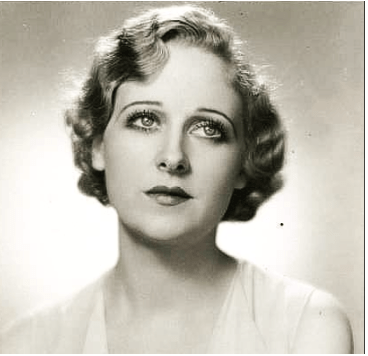
In July of 1926, Dorothy was granted a divorce from Harry Revier. A former ‘Wampas Baby Star,’ Dorothy’s most notable effort was as the scheming beauty Milady de Winter in Douglas Fairbanks Sr.’s, “The Iron Mask” (1929). Dorothy continued to work steadily and stayed out of the tabloids until 1930 when she was involved in a car accident which and broke both of her arms. After her recovery she was able to get work through Colombia Pictures, but the films were low-budget and she was dubbed “The Queen of Poverty Row”. She married commercial artist, William Pelayo, in 1950, which ended in a divorce in 1964. Revier died in 1993 at the age of 89 and was buried in Forest Lawn Cemetery of her name, dates and the lone inscription “Beloved Actress”.
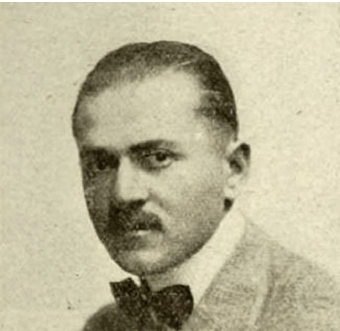
Austrian born motion picture director Henry Lehrman (pictured below) resided at 6524 Franklin Avenue between 1929-1931. Legend has it that he cornered director D.W. Griffith and claimed to be an agent for the Pathe Company in France, a major film company and was sent to work with him as an actor and gagman. By the time Griffith found out that Lehrman made up that story, he was so impressed with his talents that he made him a director and he was nicknamed “Pathe” Lehrman. Lehrman then joined forces with Mack Sennett and appeared in an directed many Keystone Cops films. After a failed attempt to start his own production company, he was hired at Fox and directing the “Sunshine” comedies. Although he was a major talent in his day, the thing he will probably be remembered for most is his involvement in the Roscoe ‘Fatty’ Arbuckle scandal of the early 1920s. Lehrman was the boyfriend of actress Virginia Rappe, who died after a night of partying in a hotel room with Arbuckle in San Francisco.
In 1919, Rappe began a relationship with director/producer Henry Lehrman. The two eventually became engaged and lived together. Rappe appeared in at least four films for Lehrman: His Musical Sneeze, A Twilight Baby, Punch of the Irish and A Game Lady. During a party held on Labor Day, September 5, 1921, in Roscoe “Fatty” Arbuckle’s suite at the St. Francis Hotel in San Francisco, Rappe became injured and needed medical attention. She died in the hospital 4 days later from a ruptured bladder and secondary peritonitis.
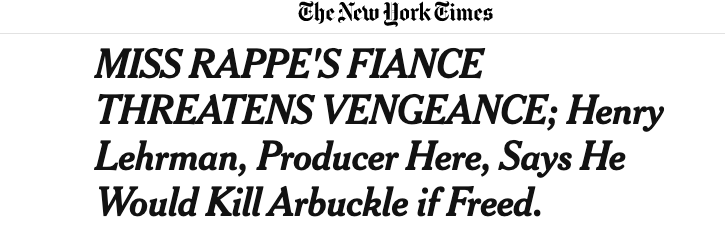
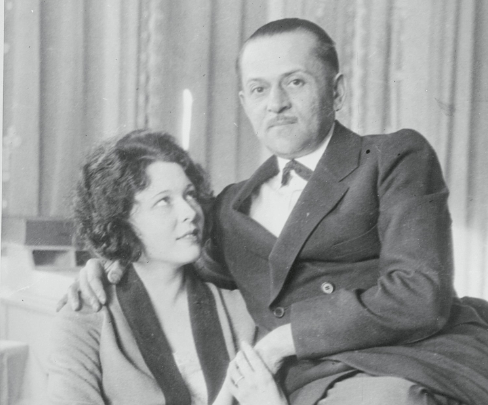
Arbuckle was put on trial for her death claiming he sexually assaulted her. The defense claimed that Rappe’s condition was from a result of alcohol intoxication that exasperated her medical issues, including having venereal disease. After 3 manslaughter trials, Arbuckle was acquitted, but the damage was done to his career. Lehrman ended up marrying actress Joselyn Leigh in 1922 (who was only 19 years old at the time; he was 36 years old. The marriage ended in divorce 2 years later. Lehrman and Leigh are pictured below:
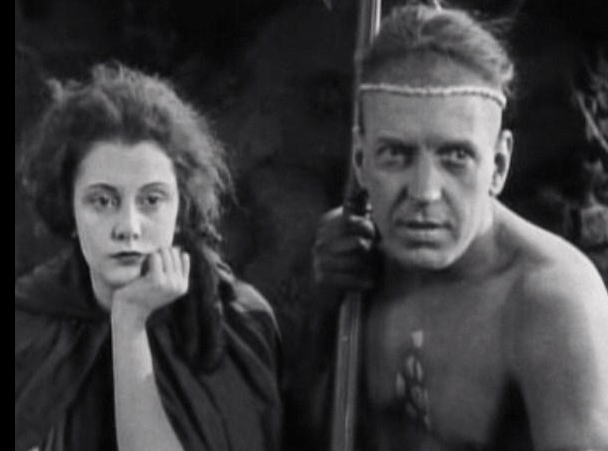
Actor Alan Roscoe (1886-1933) had rented 6522 1/2 Franklin Avenue in 1930. Roscoe started in theater was signed by William A. Fox and Samuel Goldwyn and starred opposite Theda Bara for at least seven films. Roscoe had over 100 roles between 1915 to 1933. Roscoe married actress Barbara Bedford in 1921, divorced in 1928, remarried in 1930 and divorced a year later. They had one daughter-Barbara Edith Roscoe. Below is Bedford and Roscoe in The Last of the Mohicans in 1920.
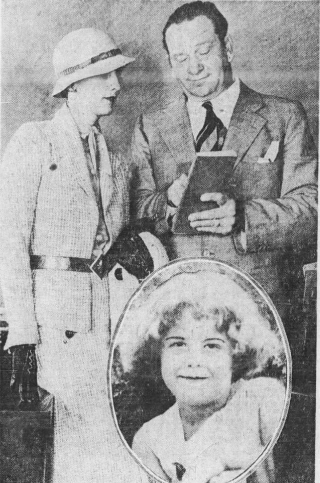
After Roscoe died of cancer in 1933, Bedford had a legal dispute with Roscoe’s friend, actor Wallace Beery, over life insurance money. Roscoe left $10,000 insurance in Beery’s name with the intent to use it for educational purposes for the 8 year old daughter. Beery intended to send the girl to boarding school and Bedford wished the daughter to remain at home with her. Bedford claimed that Beery manipulated Roscoe on his deathbed to change over his policy to Beery. Beery ended up putting the money into a trust fund account for the girl. Below are Bedford, Beery and little Barbara in the inset.
Actor Pat O’Brien (1899-1983) resided at 6520 Franklin Avenue in 1931. O’Brien is credited for over 150 roles on film and television between 1930 to 1982. O’Brien played opposite Bette Davis in Hell’s House in 1932 and opposite Irene Dunne (both pictured below) in Consolation Marriage in 1931. He played the detective in Some Like it Hot in 1959, starring Marilyn Monroe, Tony Curtis and Jack Lemmon. During the 1960s and 1970s, O’Brien made guest appearances on: Hazel, The Wonderful World of Disney, WKRP in Cincinnati and Happy Days (list last role). He was also part of the Irish Mafia, along with Irish actors James Cagney, Allen Jenkins, Frank McHugh and a few others, who would often meet out to talk and support one another.
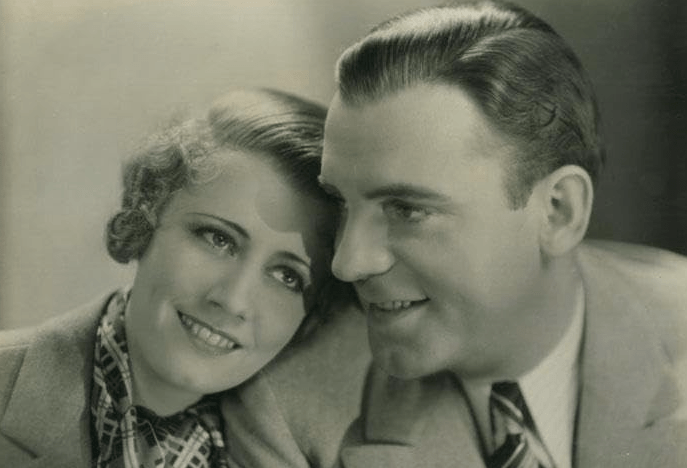
O’Brien’s scandal happened while he was living at the El Cabrillo. In February 1931, he was arrested with actors William Henry Boyd (Hopalong Cassidy) and Walter Catlett (Yankee Doodle Dandy, Bringing Up Baby) and all three went to jail. Boyd was arrested on Wright Act for possessing a gallon of rum, gambling equipment and possession of questionable pictures. Catlett, 825 N. Whitley Ave. and O’Brien, 6520 Franklin Ave. were both arrested for public intoxication. However, O’Brien seemed to “clean up his act” as he married actress Eloise Taylor in 1931 and they had four children and lived in Brentwood until his death in 1983.
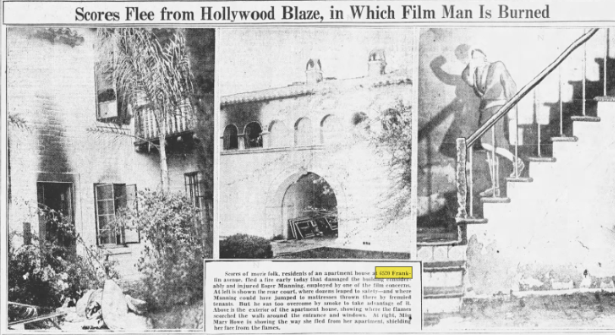
In November of 1931, there was a fire in one of the units. Production manager Roger Manning (1894-1954) was asleep on his couch in the early morning hours with a lit cigarette in his hand. A fire erupted in his unit located at 6522 Franklin Avenue. Roger suffered from second and third degree burns on his body. The fire, however, was contained to only his residence. The photo on the left it the rear of the courtyard in which mattresses were thrown so others could jump on them from their units. Manning could have jumped on the mattresses, but he was so overcome with smoke to see what was going on. The middle photo shows Manning’s unit to the left where the flames scorched the walls and windows. Right, Mary Howe is showing she way she fled from her apartment, shielding her face from the flames.
Manning started acting in the early 1920s and starred in “Brawn of the North” in 1922, starring Strongheart the German Shepherd dog. In 1925, he was promoted to production manager by B.P. Fineman of F.B.O. Studios. Manning quit the job a year later and headed over the Paramount-Famous Lasky and worked on “Wings” as a writer. During the time of the fire, Manning was working on “The Lost Squadron” starring Robert Dix and Mary Astor.
A big scandal broke out about the El Cabrillo Apartments in 1932. Judge Arthur S. Guerin (pictured below) had been renting one of the apartments for a very reduced price. He allegedly moved into a $150 per month apartment and was only paying $25 per month. His daughter and son-in-law, Ray Shannon, were living in another apartment for free, according to the building manager, Mae Sunday. When the scandal came out, Mr. Shannon, Guerin’s son-in-law, told Ms. Sunday to mark his apartment as paid every month in the books. An investigation pursued and Shannon told authorities he received free rent in exchange for services rendered, such as general repairs around the apartment complex. However, at the end of the investigation, authorities concluded that although management was careless with the books, there was no criminal intent.
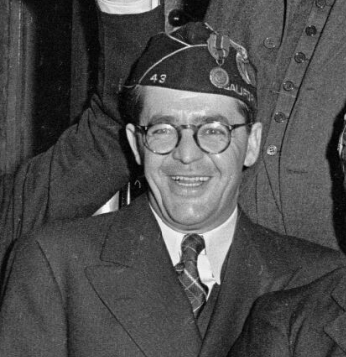
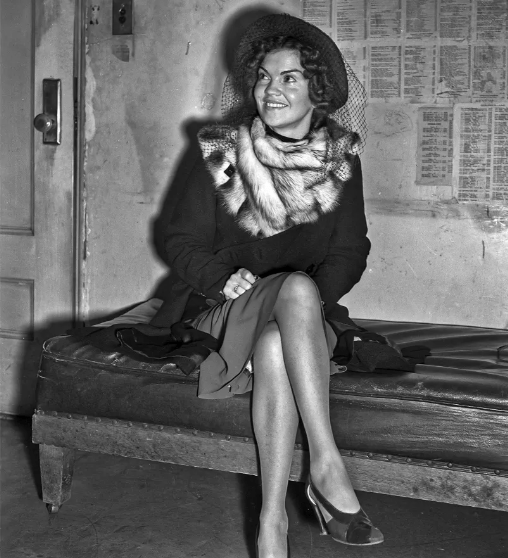
Perhaps the judges “claim to fame” was on November 9, 1928 when a 28 year old witness named Helen Hulick came to court wearing pants, Judge Guerin rescheduled the hearing, asking Hulick to come to court properly dressed, in a dress or skirt. The kindergarten teacher appeared in court on November 15th, again wearing pants. Once again, the judge ordered her to return to court in a dress the following day. Hulick told the press,“Listen,” said the young woman, “I’ve worn slacks since I was 15. I don’t own a dress except a formal. If he wants me to appear in a formal gown that’s okay with me. I’ll come back in slacks and if he puts me in jail I hope it will help to free women forever of anti-slackism.” The next day, Hulick showed up in slacks. Judge Guerin held her in contempt. Given a five-day sentence, Hulick was sent to jail. Miss Hulick was released on her own recognizance after her attorney, William Katz, obtained a writ of habeas corpus and declared he would carry the matter to the Appellate Court.” The Appellate Division overturned judge Guerin’s contempt citation during a habeas corpus hearing. Hulick was free to wear slacks to court. Of course, Hulick overdressed for a Jan. 17, 1939, follow up court appearance, wearing a dress. There was no other mention of her appearance by the judge.
In 1932, actress Loretta Sayers (1911-1999) rented 6524 Franklin Avenue. Sayers was discovered by Harry Kohn and put her opposite Buck Jones in “Red River Rogues” in 1931 for Columbia Pictures. She also received a minor role in “Arizona” starring Laura Laplante that same year. Sayers finally got her big break when she was cast as one of the two leading ladies opposite Jack Holt in “Fifty Fathoms Deep” also in 1931. In 1931, she starred opposite Buck Jones in “The Deadline”, a bigger role for her. The following year, she was once again the leading lady opposite Buck Jones in “High Speed”. Then she suddenly performed on several short films until 1938 as her career fizzled out. Probably because she fell in love with composer Arthur Johnson (Pennies from Heaven) and married him.

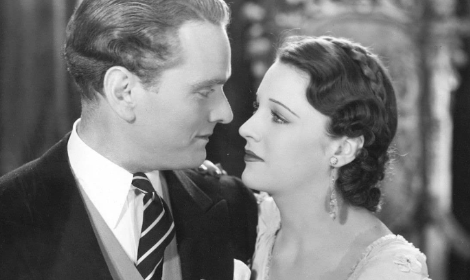
1933 screenwriter Harry Ruskin and actor Guy Robertson shared the 6524 Franklin Avenue apartment. Ruskin is best known for writing the screenplay of “The Postman Always Rings Twice” in 1946 starring Lana Turner and John Garfield. Roberton was a Broadway actor who starred in one film-King Kelly of the U.S.A. with Irene Ware in 1934, both pictured below.
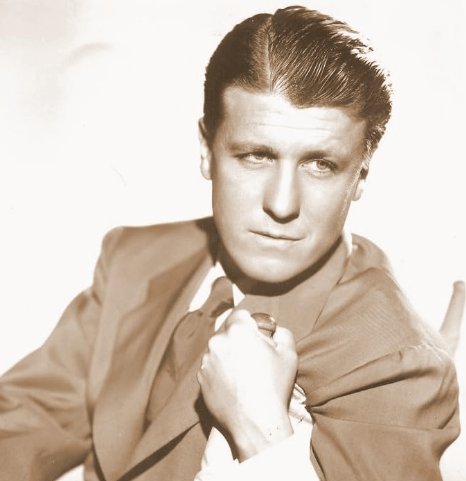
1934 saw cinematographer and director George Stevens (pictured below) living at 6522 1/2 Franklin Avenue. Stevens 1904-1975) Stevens leaped into directing after 1930 after being behind the camera in almost 90 films. Stevens is best known for directing: Annie Oakley (1935), I Remember Mama (1948), A Place in the Sun (1951), Shane (1953), Giant (1956), The Diary of Anne Frank (1959), and The Greatest Story Ever Told (1965). Stevens won the Academy Award for Best Director for “A Place in the Sun” and “Giant”. Stevens moved into this apartment with his first wife, actress Yvonne Howell, who had several minor roles in early 1920s silent films. They had one son, George Stevens Jr., who followed in his father’s footsteps and produced several television specials such as The Kennedy Center Honors and Christmas in Washington.
Actress Inez Courtney (1908-1975) rented 6522 Franklin Avenue in 1937. Courtney was credit for 58 roles between 1930 to 1940. Her first role was in “Loose Ankles” starring Loretta Young and Douglas Fairbanks Jr. in 1930. Her movie credits include The Raven (1935), Suzy (1936), The Shop Around the Corner (1940), and Turnabout (1940), her last film. After a two year marriage to a broke in New York in the early 1930s, Courtney married an Italian nobleman and Los Angeles wine merchant, Luigi Fillasi, in 1935.
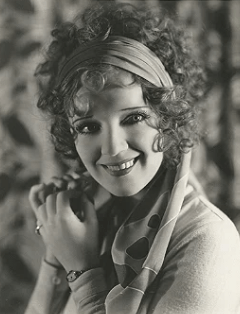
Also in 1937, actor Edgar Bergen (1903-1978) rented 6524 1/2 Franklin Avenue. Bergen was married to actress Frances Westerman and. they had two children. One being actress Candice Bergen. Edgar Bergen was known for his ventriloquist abilities and was credited for 55 film and tv roles between 1930 and 1976. Bergen started acting in short films during the 1930s and his first feature length film was “The Goldwyn Follies” in 1938. Bergen worked with his dummy, Charlie McCarthy in several films and then appeared in television shows in the 1970s. He also had the role as Madame Lavinia in Tony Curtis’ “Don’t Make Waves” in 1967.
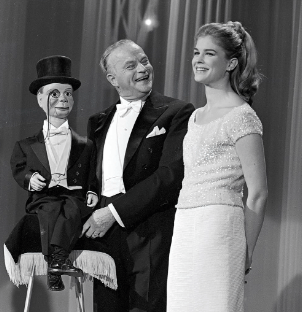
Frances did not her acting career until after she married Edgar Bergen. She had minor roles in Titanic (1953), Interlude (1957), American Gigolo (1980), The Star Chamber (1983), The Muppets Take Manhattan (1984), Murder She Wrote (1988) and her daughter’s series Murphy Brown in 1990 and again in 1998. Candice Bergen had minor roles starting in the late 1960s. She starred in the television series Hollywood Wives with her mother in 1985. She had a recurring role in Sex and the City as Enid Frick, but is best known for her role in Murphy Brown from 1988 to 2018.
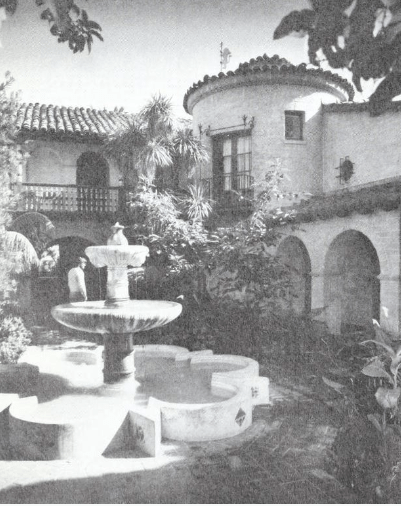
The Apartments:
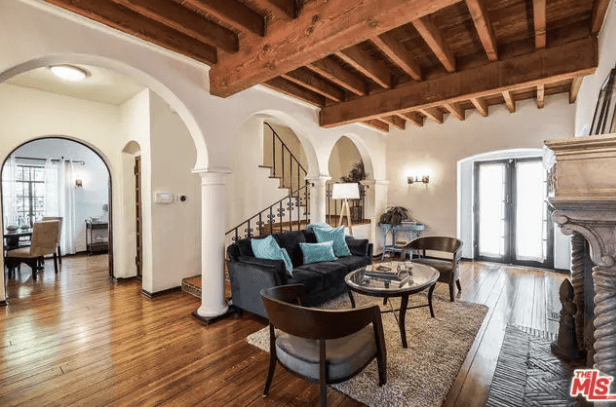
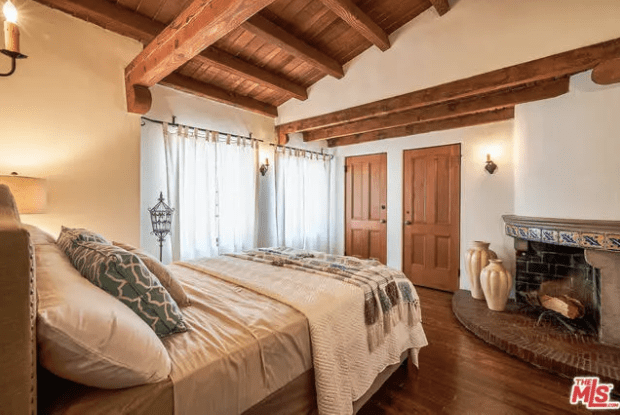
1832 Grace Avenue consists of 3 bedrooms and 2 bathrooms with a total of 1,350 square feet, one of the biggest uits in El Cabrillo. The two story unit has its own private patio, hardwood floors, beamed ceilings and columns, French doors, multiple balconies, and two fireplaces. Other tenants included; actor John Dixon (1930), publicist John Vogt (1936), actor Walter Schott (1938-39) and actor Renzo Cesana (1952-54).
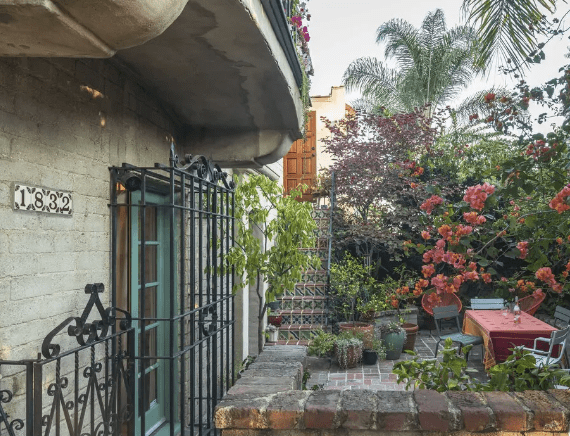
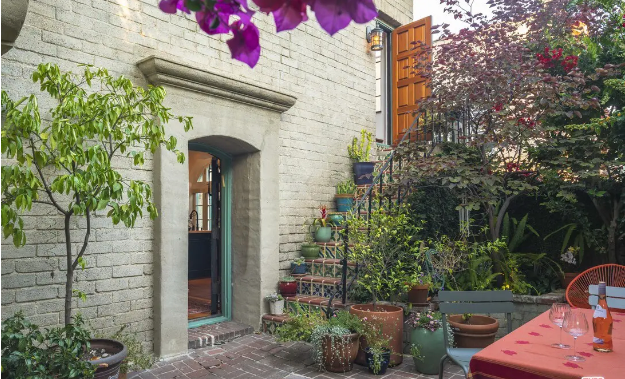
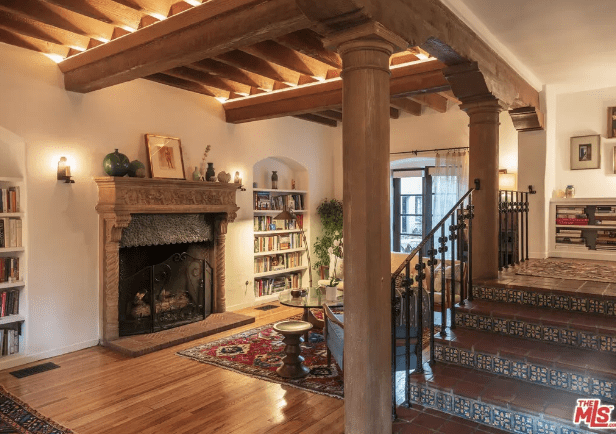
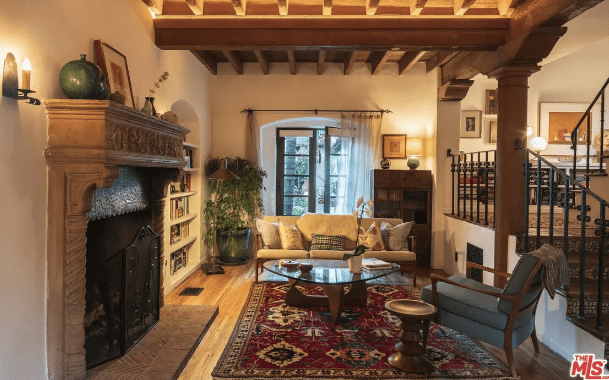
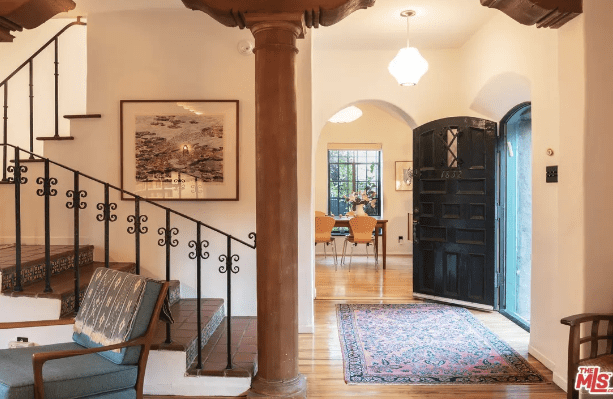
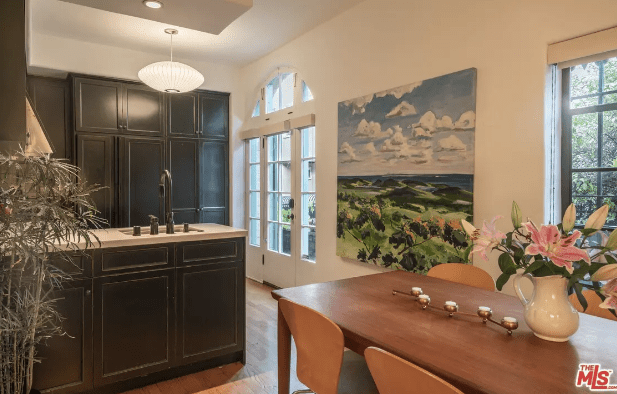
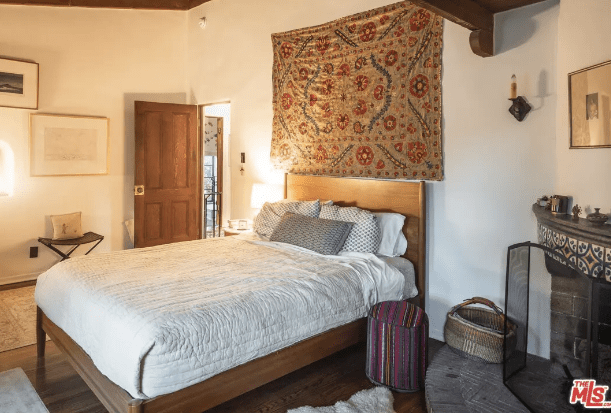
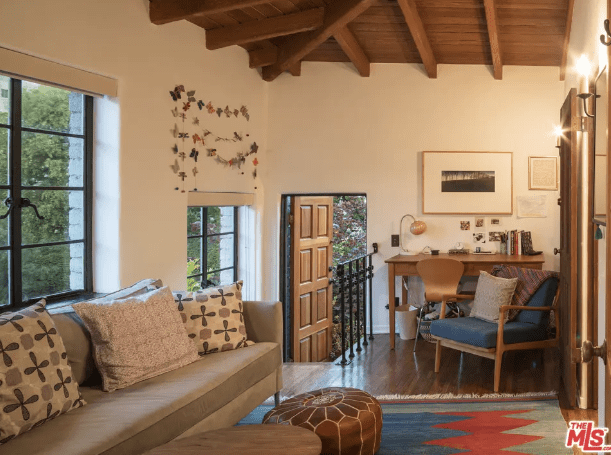
1834 Grace Avenue is a one bedroom and one bathroom unit with 940 square feet. This unit has a fireplace in the living room, wood plank floors, wood beams, a two story living room, mezzanine and tiled staircase. Renter included; motion picture director Albert Ray (1930), actor Robert Gleckler (1936), actor Louise Green & Marshall Wray (1936-38), and writer Crilly Butler (1942).
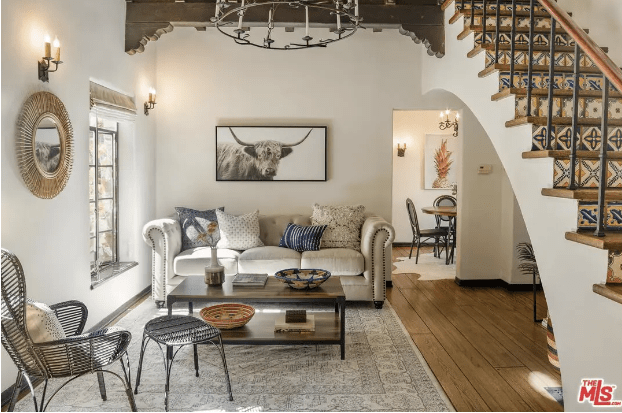
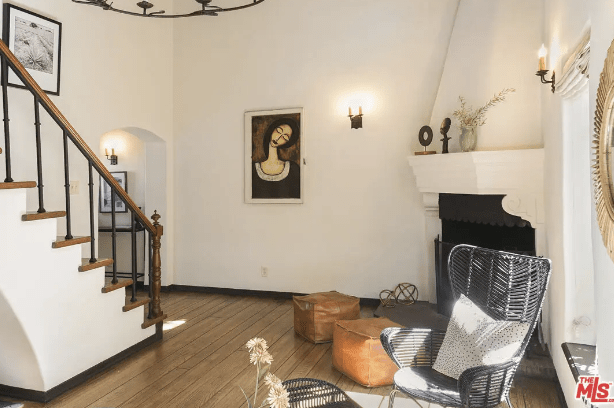
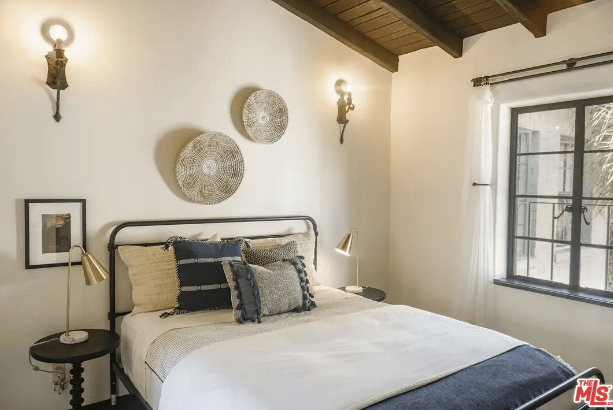
1836 Grace Avenue is one bedroom and one bathroom, consisting of 1,060 square feet. This unit is similar to 1834 Grace Avenue with a two story living room area, hardwood floors, and a fireplace in the living room. This unit was once rented by film editor Gregory Scherick (1987).

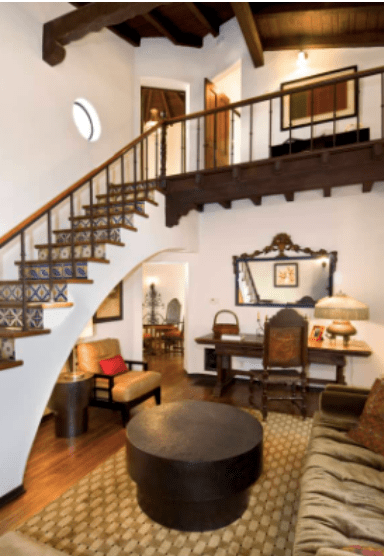
1838 Grace Avenue is a one bedroom, one bathroom unit with a total of 770 square feet and it on the first floor.. It has hardwood floors, wooden beam ceilings, accent tiles, detailed moldings, and a fireplace in the living room.
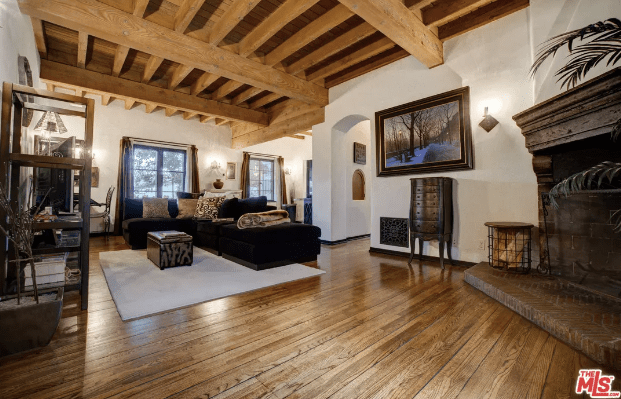
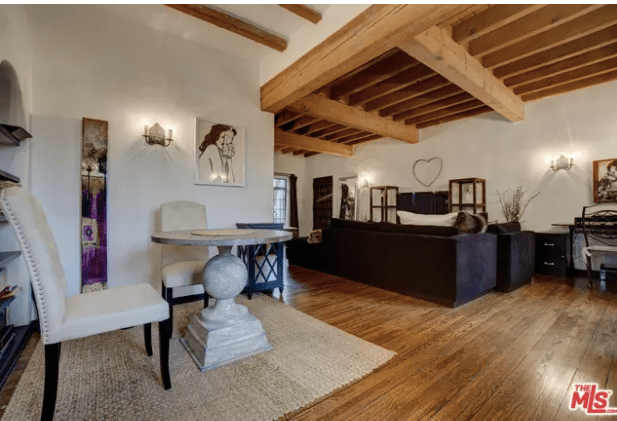
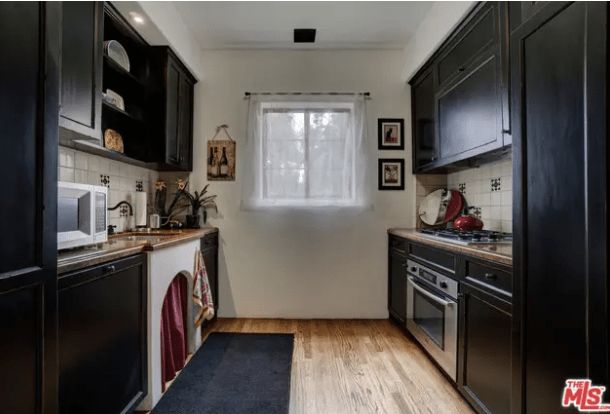
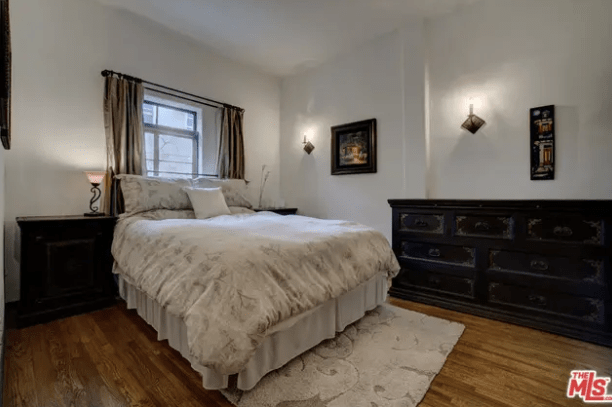
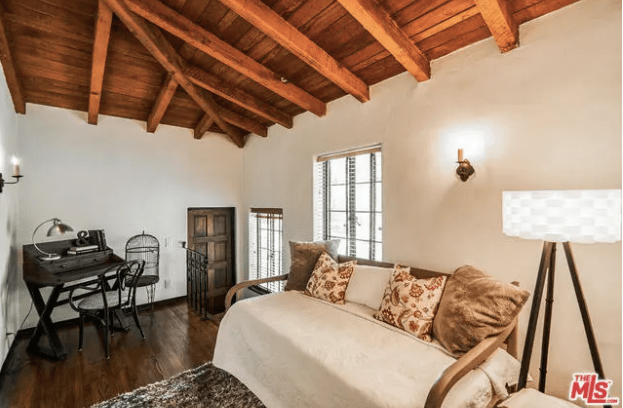
1840 Grace Avenue is a one bedroom, one bathroom unit with 770 square feet and is on the second floor. 1840 features 15′ beamed ceilings, clerestory windows a gas wood burning fireplace, and two balconies.

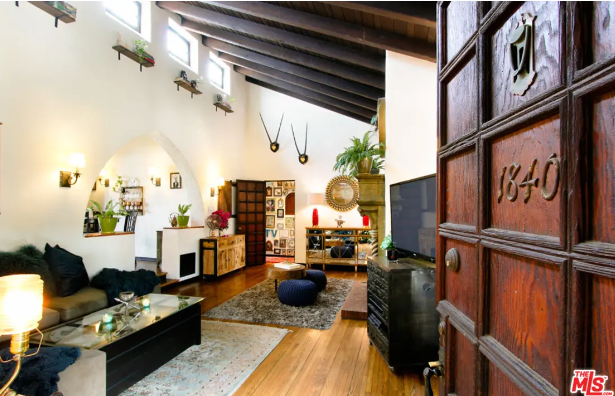
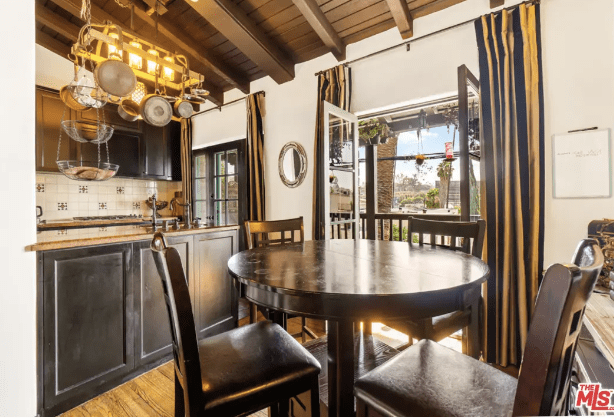
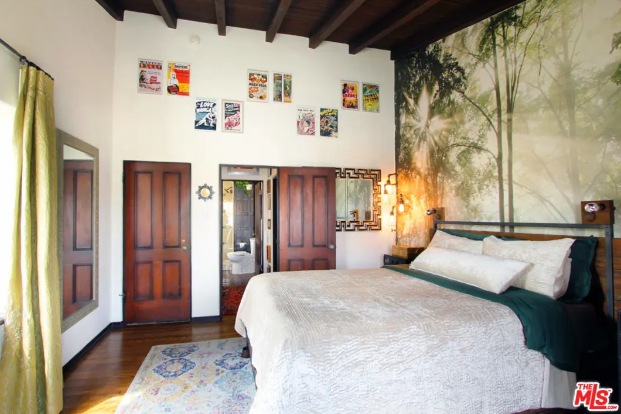
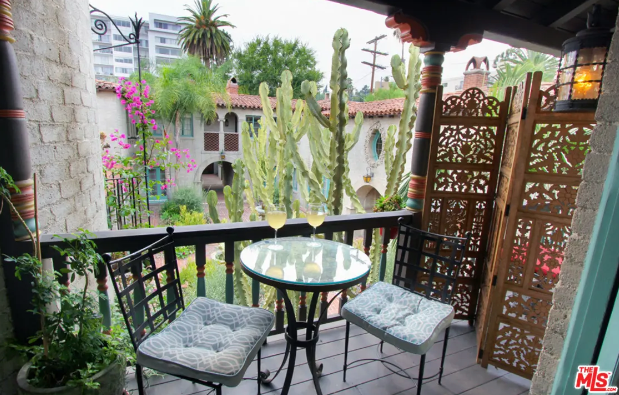
1842 Grace Avenue is a 2 bedroom, 1 bathroom unit with 1,035 square feet. The unit is located on the 2nd floor & features hardwood floors, a beehive fireplace, wooden ceilings, 2 balconies, original French doors and casement windows.
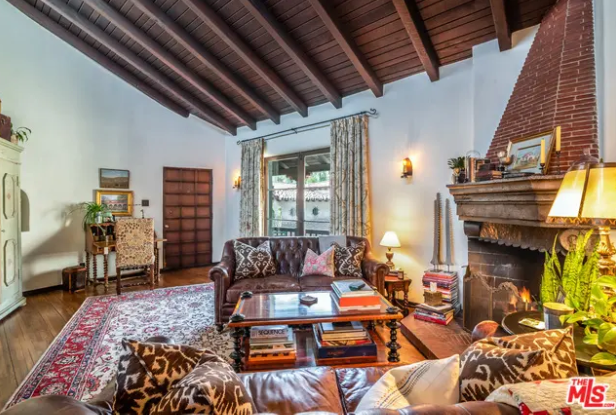
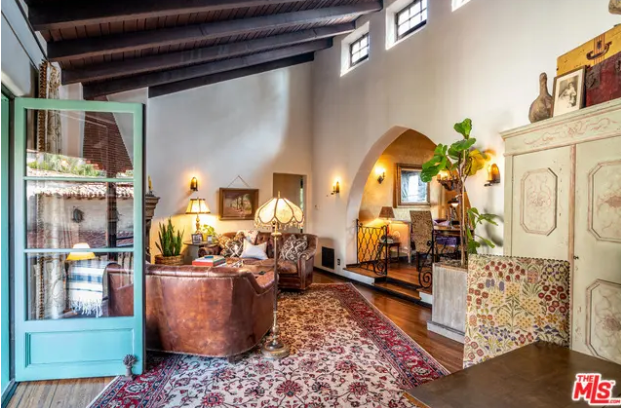
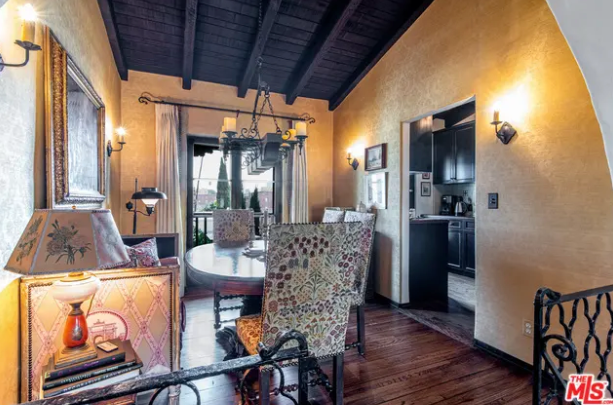
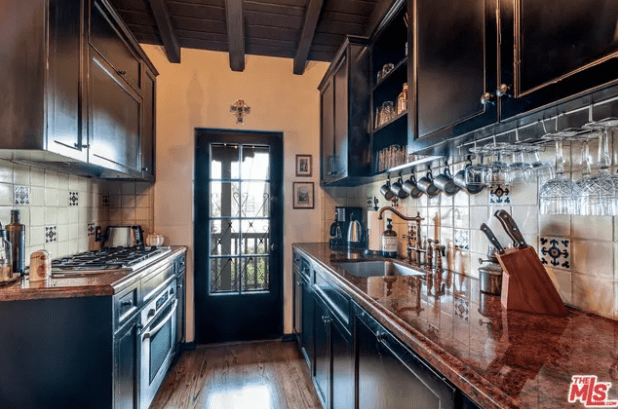
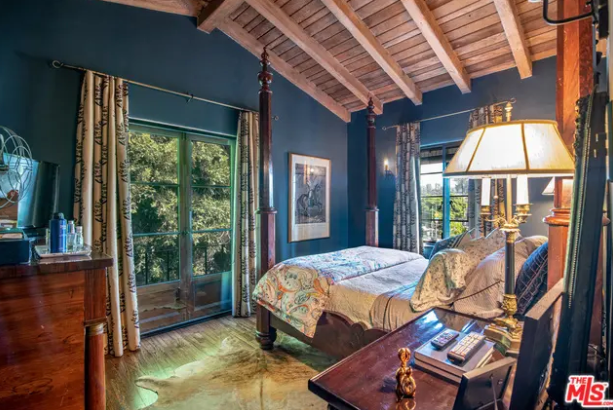
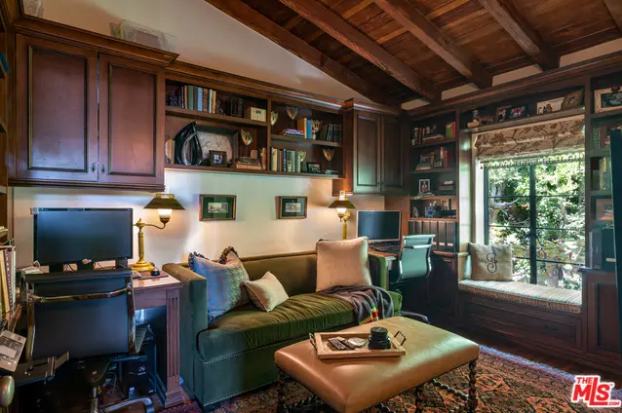
1844 Grace Avenue is a one bedroom and one bathroom. unit with 770 square feet.
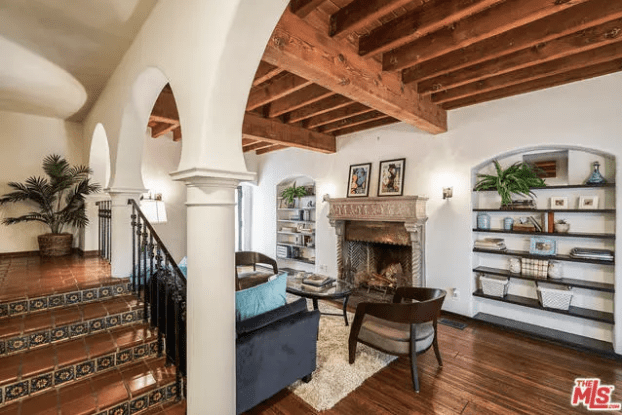
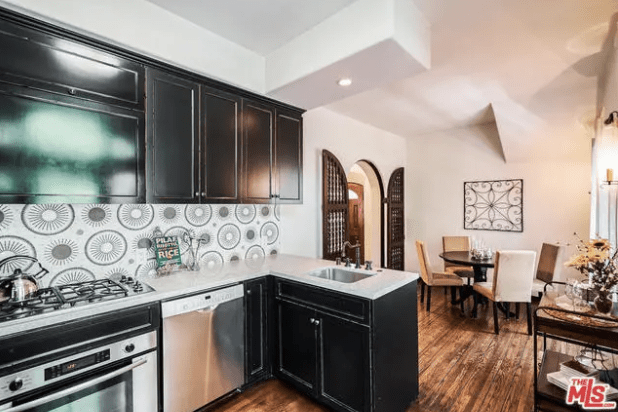
1846 Grace Avenue is a two-story unit with one bedroom, one bathroom with 940 square feet. The living room has 20 foot ceilings, a large engraved stone fireplace, formal dining room, kitchen and private back patio.
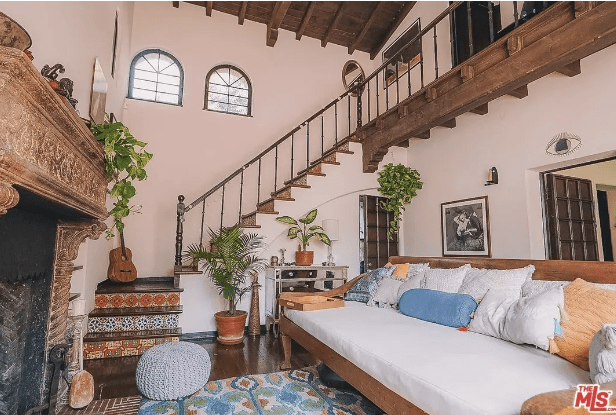
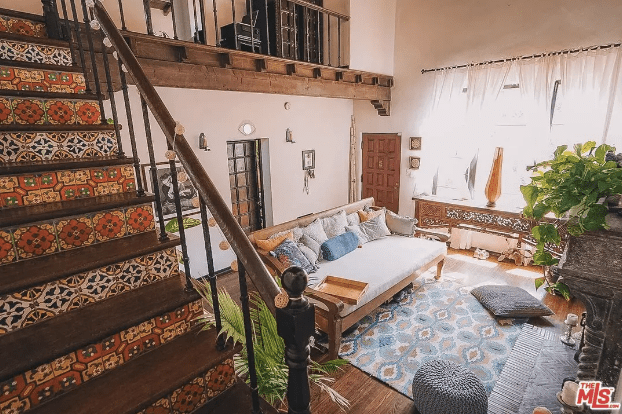
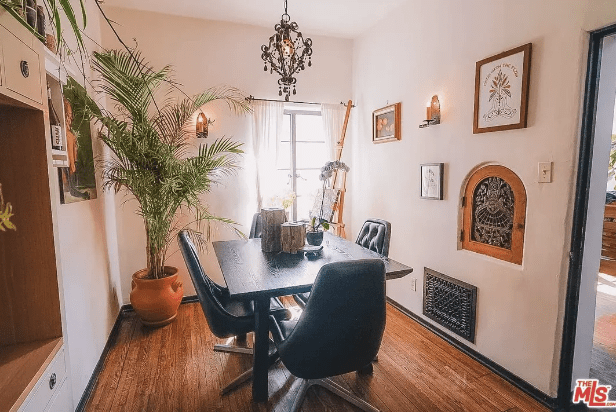
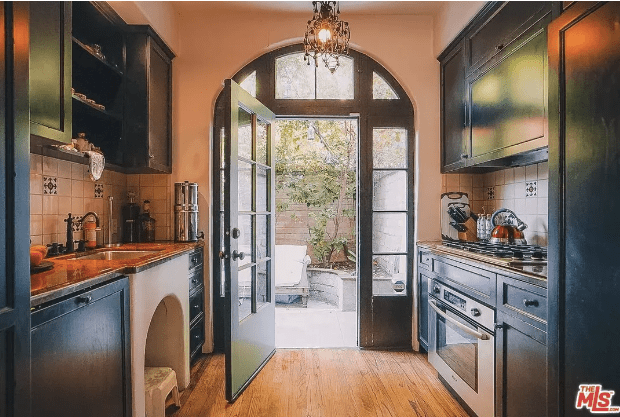
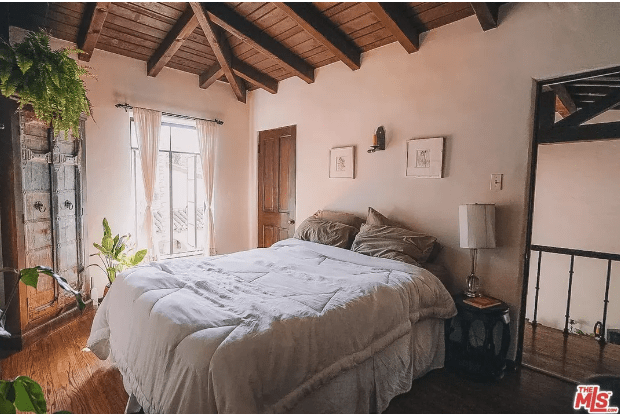
1848 Grace Avenue is a one bedroom, one bathroom unit with 920 square feet. The unit features a 2 story living room, hand plastered walls, classic ironwork and original tile throughout.
1850 Grace Avenue is 3 bedrooms, 2 bathrooms with 1,473 square feet. Once home to Best Actress Academy Award Nominee Ann Harding, this beautiful 3 BD/2 BA – 1,350 Sq. ft. unit features two fireplaces, large closets, beamed ceilings, coved bookshelves, hardwood floors, casement windows and a large basement area for additional storage. Harding rented this unit in 1928 for $500 a month, a steep price for a rental in those days.
Other Legendary Tenants
Other renters included actor & producer Lowell Sherman (before his death in 1934), make-up artist Perc Westmore, screenwriter John Willard, Stevie Wonder and drag performer Divine lived here sometime. in the 1960s. Kent Warner, a costume designer and collector of clothing and props from Hollywood films resided in one of the units. After Warner died in 1984, the building’s owner cleaned out the basement and accidentally threw out some of Warner’s possessions, including James Dean’s boots from “Rebel Without a Cause”and Marlon Brando’s leather jacket from “The Wild One”. At times, called “Villa DeMille”, Cecil B DeMille’s daughter & actress Katherine DeMille and possibly Greta Garbo stayed at the El Cabrillo at one time.
As a Filming Location
Rumor has it that Valentino used the courtyard to film a movie scene but that would be doubtful since he died before the complex was built. A sought-after film and television location, it has appeared in HBO’s remake of “Perry Mason”, Ryan Murphy’s “Hollywood”, Fox’s hit show “911” and as the home of the main character in the television series Chuck. In 2014, Producer Kevin Williamson selected El Cabrillo for the CBS television series “Stalker” starring Dylan McDermott and Maggie Q, who were filmed walking through this courtyard. Dylan McDermott, playing detective Jack Larsen, comments in episode 1 of the first season, “Beautiful place.. I wonder what it costs to live here.” McDermott had previous history with the place, having starred in the 1997 film, “‘Til There was You,” which used El Cabrillo in several of the scenes.
 Whitley Heights 101
Leave a comment