Alta Loma Terrace
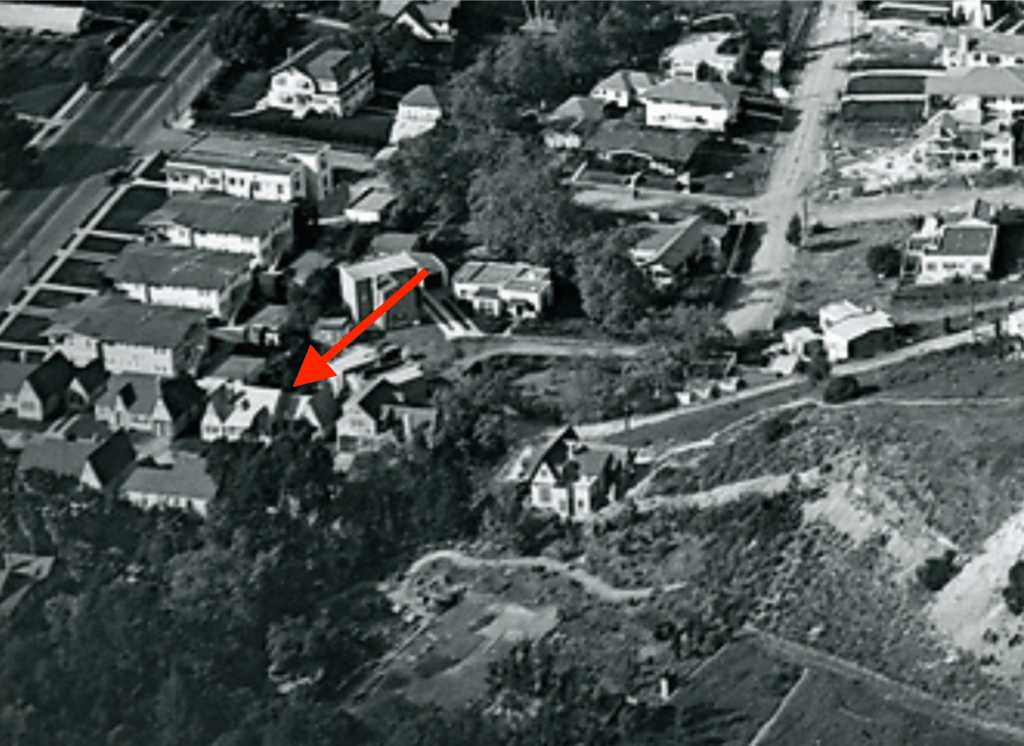
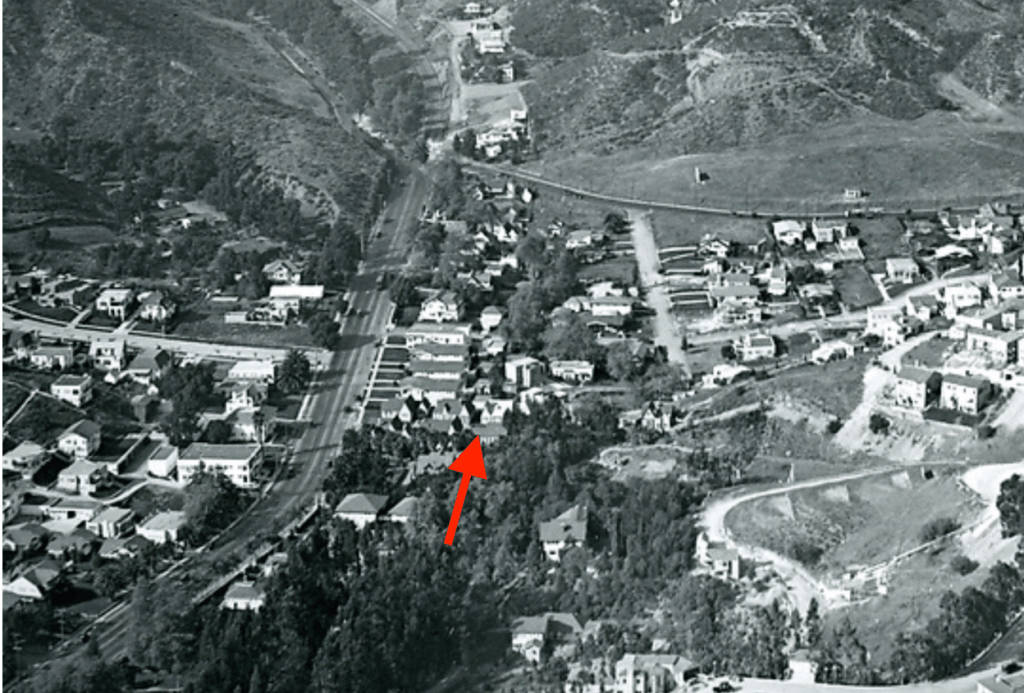
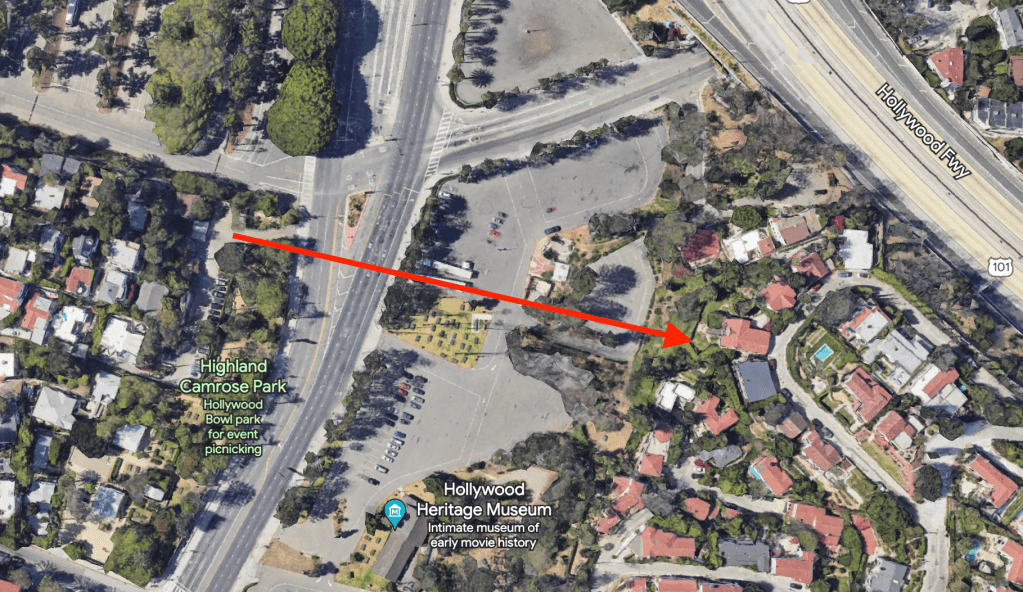
Alta Loma Terrace used to run both east and west of Highland Avenue. In December of 1921, Oklahoman socialite Lulu Wooster bought a piece of land east of Highland Avenue, just south of Odin Street, expanding Alta Loma Terrace into Whitley Heights. Just 150 feet away from a growing Highland Avenue was a quaint old world street with a row of English cottages that resembled a European countryside. Above, the arrow indicates the row of bungalows and cottages on Alta Loma Terrace.
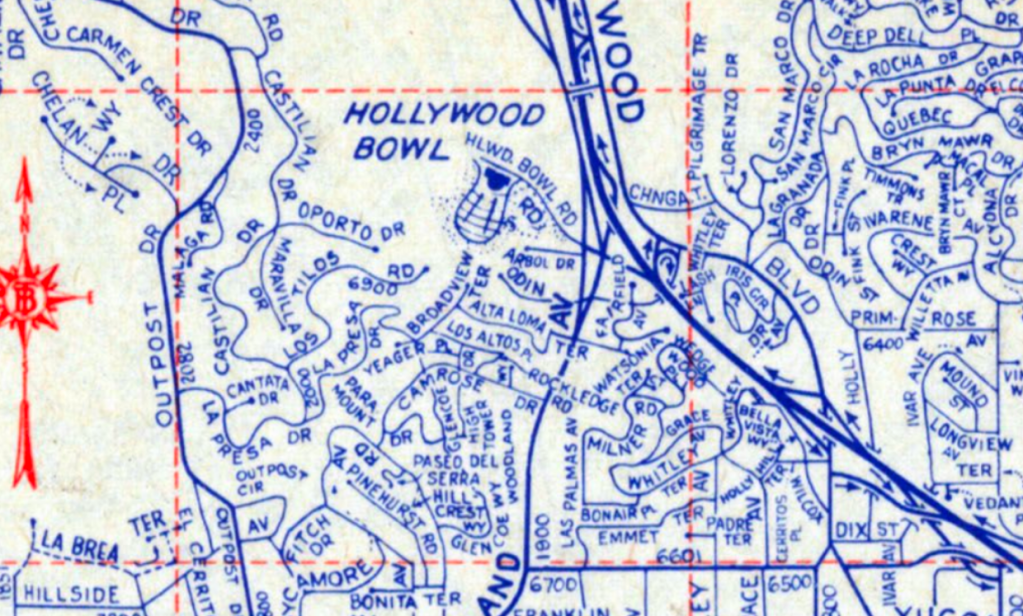
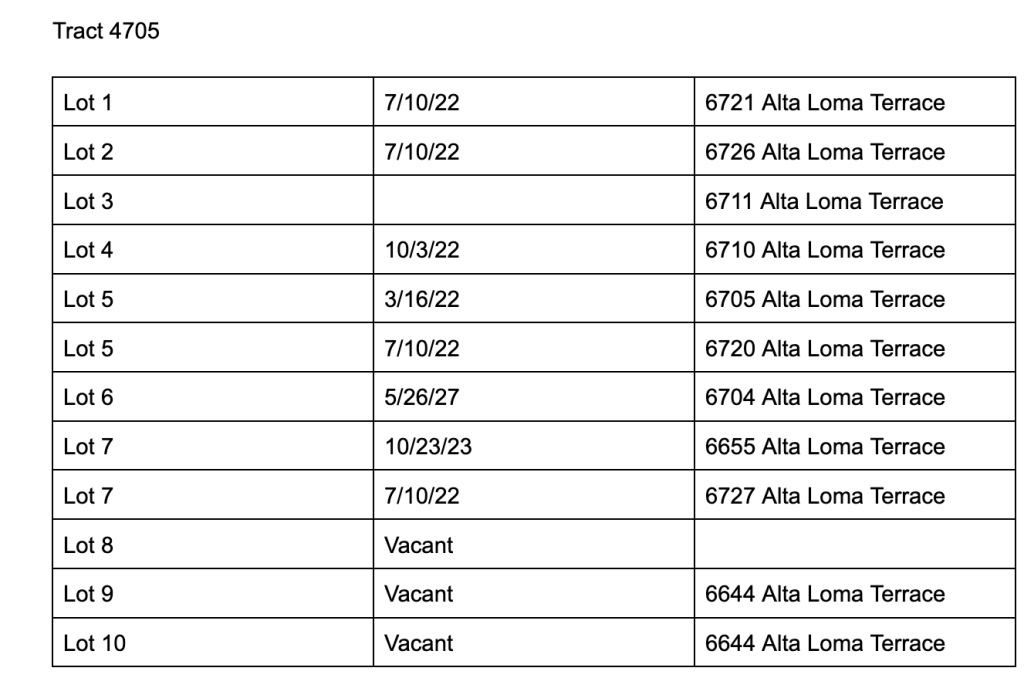
Known as tract 4705, the piece of land contained only 10 lots (the 6600 and 6700 blocks of Alta Loma Terrace) and connected with Fairfield Avenue into Whitley Heights. Wooster hired architects Blair & Mackinga to build 4 bungalows: 6720 Alta Loma Terrace (Lot 5), 6721 Alta Loma Terrace (Lot 1), 6726 Alta Loma Terrace (Lot 2), and 6727 Alta Loma Terrace (Lot 7). They also built another bungalow on lot 4 for the McAllisters in 1922 with the listed address of 6710 Alta Loma Terrace.
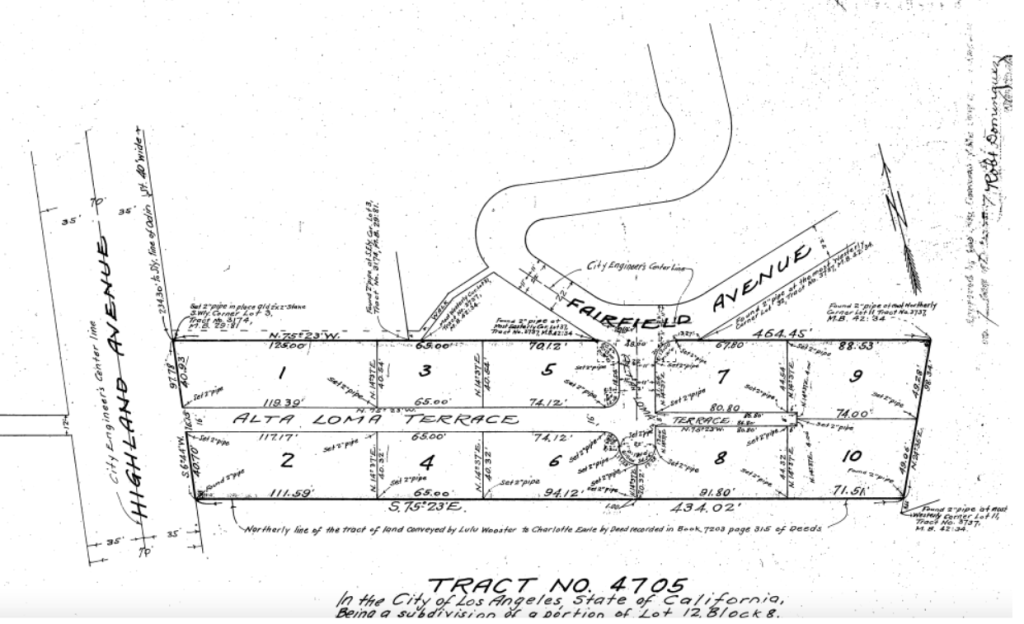
Builder W.S. Montgomery bought land on lots 3, 5, and 6 and hired architects Charles D. Grolle and Nathan Coleman to build three English cottages. In 1923, cinematographer Gordon Pollock hired architect Ray G. Smith to add another (and probably most notable) English cottage on lot 5 at the corner of Alta Loma Terrace and Fairfield Avenue. To complete the neighborhood, 6754 Alta Loma Terrace was built across the street from Pollock’s home. A total of 10 houses were built on lots one through seven, leaving lots 8, 9, and 10 vacant.
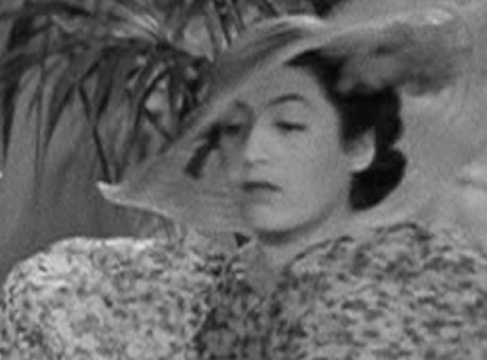
6704 Alta Loma Terrace was built in 1922 on lot 6, by architect Nathan L. Coleman and contractor Charles D. Grolle who both built other homes in Whitley Heights. The 5 room English cottage had 2 bedrooms and 2 bathrooms and was bought by a social worker named Myrtle Rhodes. Between 1932 to 1935, playwright Helen Hannah Wilbur (1878-1937), whose professional name was Elene Wilbur, resided in the home with her daughter, actress Elizabeth Wilbur (pictured below). Elizabeth Wilbur Stewart (1903-1992) was a stage, film and radio actress in the 1930s and 1940s. As a drama major at Stanford, Wilbur found work in the San Francisco bay area following graduation. In 1932, she moved to the Alta Loma Terrace home with her mother and had two minor roles in Laurel & Hardy’s “Bonnie Scotland” in 1935 and “Robin Hood of Eldorado” in 1936, starring Warner Baxter and directed by William Wellman (built 6747 Milner Drive in 1928). Wilbur was also heard on Lux Radio Theater (directed by Cecil DeMille) and worked on stage until she married in the 1930s.
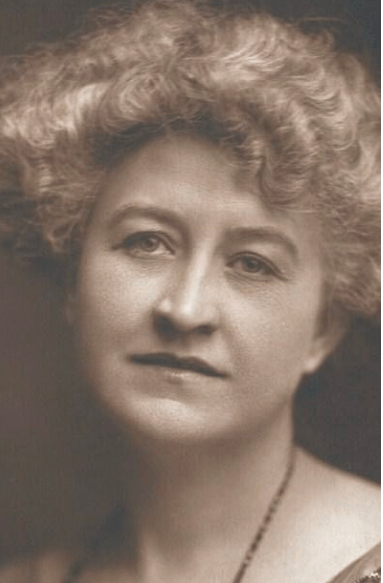
6705 Alta Loma Terrace was built in 1922 by architect Charles D. Grolle. The 5 room “Woodsy” English home was purchased by silent screen actress Maude Turner Gordon (1868-1940) who was credited for 82 films between 1914 to 1938 after starring in several major theater productions. Turner Gordon (pictured below is best known for her minor roles in Marie Antionette (1938), starring Norma Shearer & Tyrone Power, Duck Soup (1933), starring the Marx Brothers, and Mata Hari (1931), starring Greta Garbo. Turner Gordon resided in the house until her death in 1940.
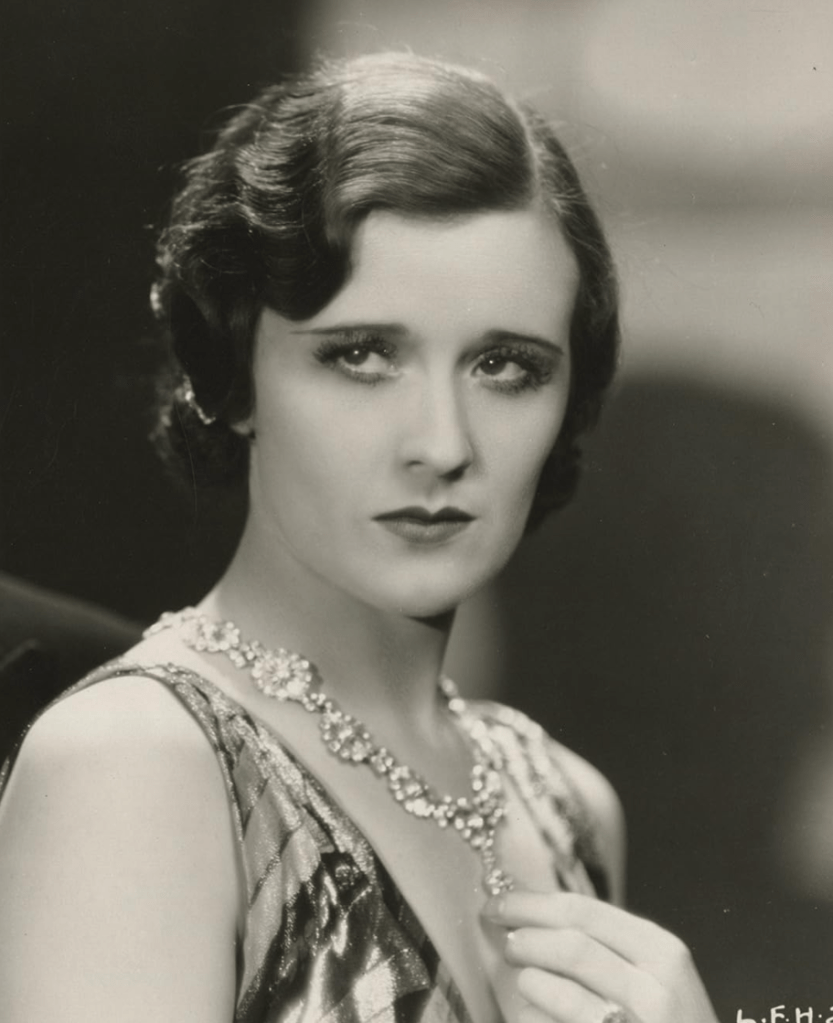
In 1924, actress Margaret Livingston was living in Turner Gordon’s home with her sister, Ivy. Livingston was credited for 81 films between 1916 to 1934. Livingston starred opposite William Russell in “Colorado Pluck” (1921) and opposite Jack Mulhall in “The Social Buccaneer” in 1923. In 1924, Livingston got the lead role in “The Chorus Lady” and in 1925, would work with Clara Bow in “Capital Punishment”. Livingston would work with Bow again in one of her last’s roles in “Call Her Savage” which also starred Gilbert Roland and Thelma Todd. Livingston was probably best known as the alleged mistress of director Thomas Ince who mysteriously died on board of William Randolph Hearst’s yacht, the Oneida in 1924. Also on the trip was Hearst’s mistress, actress Marion Davies, writers Louella Parsons and Elinor Glyn, actors Charlie Chaplin, Seena Owen, Julanne Johnston, Aileen Pringle, and Jacqueline Logan, and Dr. Daniel Carson Goodman. Although no one knows exactly what happened, it was rumored that Ince was shot by Hearst due to mistaken identity. Hearst thought he saw Davies kissing Chaplin in the stairway, which turned out to be Ince. However, Mrs. Ince immediately had the body cremated without an autopsy and was comfortably taken care of by Hearst for the rest of the life. Interesting. Side note: Davies, Glyn, and Owen had all resided in Whitley Heights in the 1920s.
While living on Alta Loma Terrace, the Livingston sisters were almost victims to the “Chloroform Bandit” on August 29, 1923. At the crack of dawn, both sisters were awakened by a “grating” sound and saw an outline of the man outside the living room door on the porch. Both began to scream “bloody murder” and the man was seen running down Alta Loma Terrace by several woke neighbors. Not only did the sisters smell the scent of chloroform around their house, they told police that the man must have been watching the house as it was the only night they spent alone without their mother. It does not appear that the bandit was ever caught, but interestingly- chloroform bandits seemed to be a thing in the 1920s.
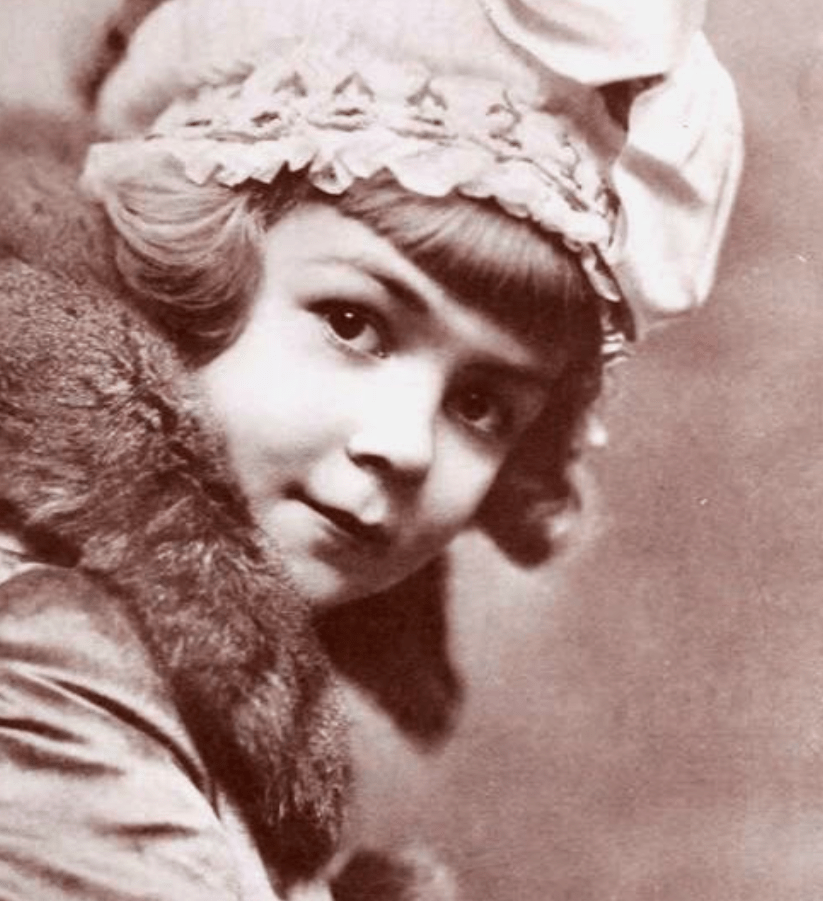
6710 Alta Loma Terrace was built in 1922 on lot 4 by architects Blair & Mackinga for oilman William McAllister and his wife, silent screen actress Violet Craig McAllister. Mrs. McAllister starred in three short films in 1917, but it was their daughter “little Mary McAllister” (pictured above) that became the star. Little Mary McAllister (1909-1991) was a child star in silent films starting at the age of six. She was known as “the First Baby Star of the Films” and was credited for 44 roles between 1915 to 1930. Appearing in mostly short films, Mary was able to get minor roles as an adult, working with Pola Negri, Aileen Pringle, Blanche Sweet, Warner Baxter, Norma Shearer, and Conrad Nagel. Her career ended in part, due to the beginning of sound films and because she got married to a businessman in New York City and retired to lived in Connecticut.
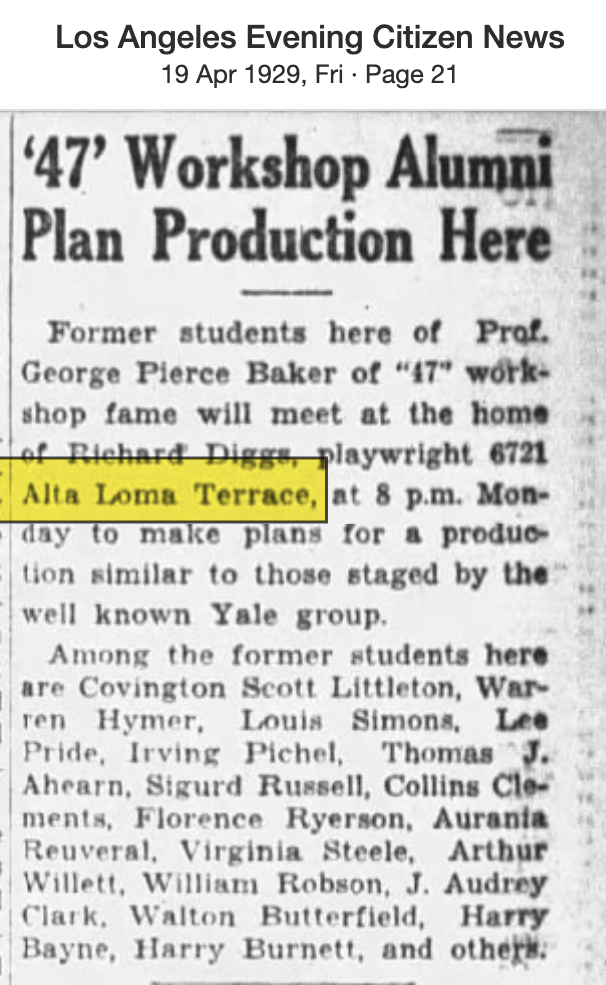
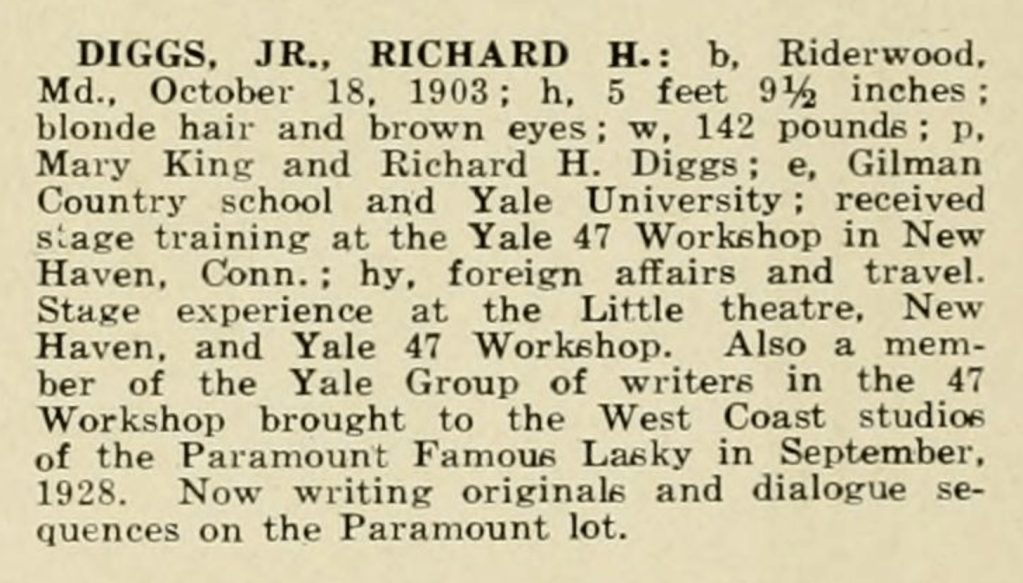
6721 Alta Loma Terrace was also built in 1922 on the northeast corner of Alta Loma Terrace and Highland Avenue by architect Blair & Mackinga. During the late 1920s, several aspiring writers and directors (and graduates from Yale) rented the home and would regularly host what was known as the “Yale Bowl”. According to screenwriter Joseph Mankiewicz (All About Eve, Cleopatra), he “met with his peers at the a bungalow on Alta Loma Terrace near the Hollywood Bowl. Bill Wright shared the dwelling with two of Mankiewicz’s fellow junior writers from Yale, William Robson (“the Genius”) and Richard Diggs. For social gatherings the bootlegger would deliver two bottles of Gordon’s gin for $5, lending the place the nostalgic, boozy aura of a frat house”.
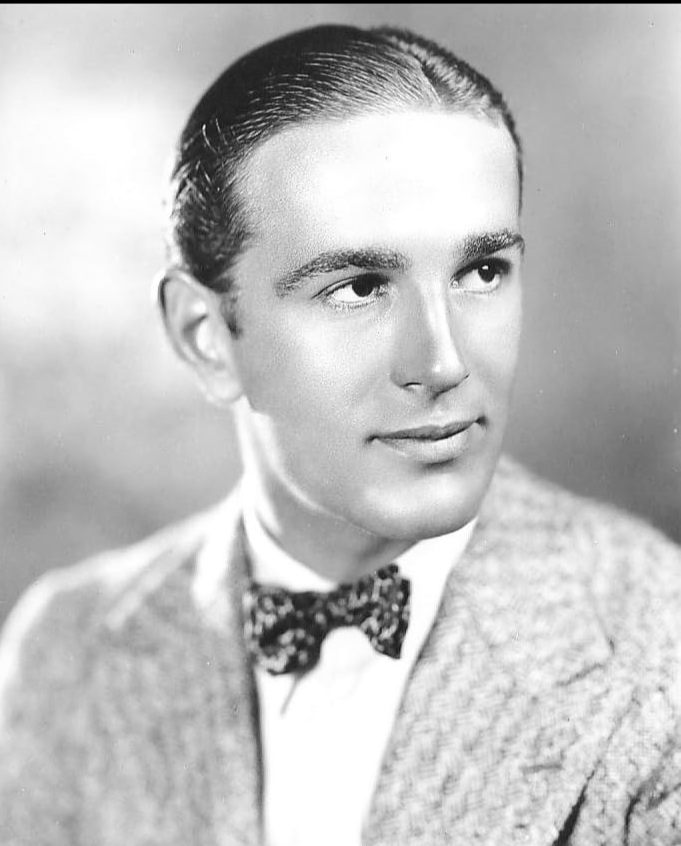
One Yalee was actor and director Anthony Jowitt (pictured above) had 13 film credits between 1925 and 1950 and had minor roles in “Mata Hari”, “The Merry Widow” and “A Connecticut Yankee in King Arthur’s Court”. In the late 1940s, he became a dialogue director and worked with Shirley Temple, Ginger Rogers, Marilyn Monroe, Eve Arden, Olivia de Havilland, and Richard Burton. In 1930, Jowitt was working at MGM and left the bungalow on Alta Loma Terrace to marry fellow screenwriter Doris Anderson (62 screenwriting credits) who worked on films starring Irene Dunne, Fred MacMurray, John Wayne, Lucille Ball, Bob Hope, Betty Grable, Melvyn Douglas, Mary Astor, and Greta Garbo.
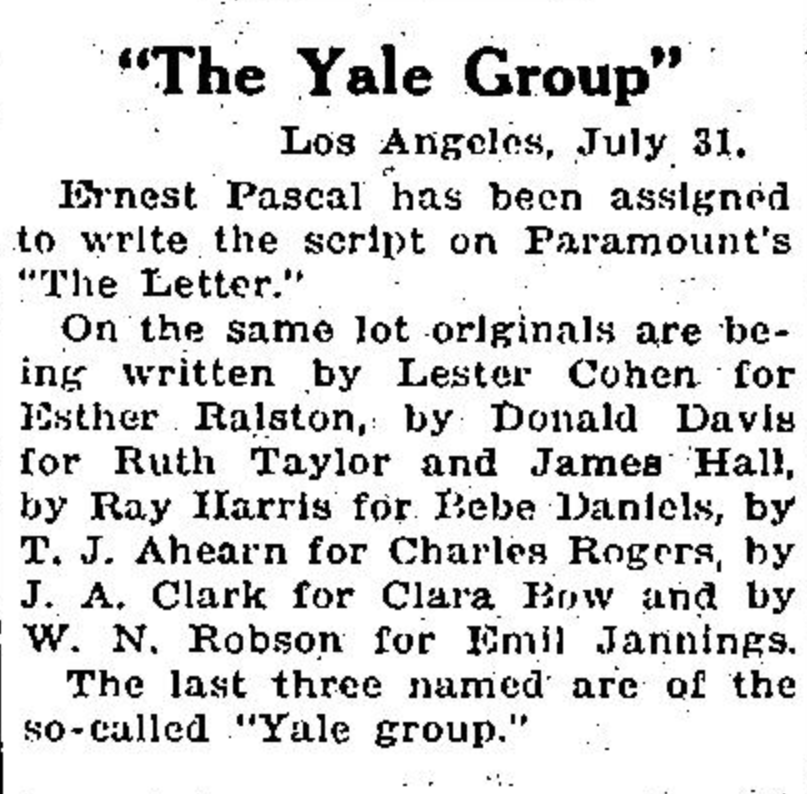
Screenwriter William N. Robson (1906-1995), had 12 film and television credits between 1933 to 1960. Robson’s first film was “Private Jones” in 1933, starring Lee Tracy and Gloria Stuart. In the 1950s, Robson went on to write single episodes on Highway Patrol, Gunsmoke, and This Man Dawson. In 1942, Robson married character actress June Wilkins, who received minor roles in Camille (1936) starring Greta Garbo, Bachelor Mother (1939) starring Ginger Rogers, and The Lady from Cheyenne (1941) starring Loretta Young.
Producer William Wright (1902-1980) had 25 film & television credits between 1939 and 1966 including; The Naked Spur (1953) with James Stewart and Janet Leigh, The Barbara Stanwyk Show (1960-1961), Dead Ringer (1964), starring Bette Davis, and Kentucky Jones (1964-65) starring Dennis Weaver.
6726 Alta Loma Terrace was built in 1922 on lot 2 by architects Blair & Mackinga. The 5 room English cottage was home to actress Leslie Brooks (Lorraine Gettman) in 1942. Brooks (pictured below) started her movie career in 1942 when she had an uncredited role in Ziegfeld Girl and then was cast in mostly singing parts or minor roles including; The Man Who Came to Dinner (1942) starring Bette Davis, Yankee Doodle Dandy (1942), The Talk of the Town (1942) starring Cary Grant and Jean Arthur, You Were Never Lovier (1942) starring Fred Astaire and Rita Hayworth, However, Brooks received second billing in 1942s “Lucky Legs” starring opposite Jinx Falkenburg and in Underground Agent (1942) starring opposite Bruce Bennett. In 1946, Brooks was cast as the lead in “It’s Great to Be Young” and then went on to co-star opposite Richard Dix in “The Secret of the Whistler”.

6727 Alta Loma Terrace was a 5 room bungalow which was built in 1922 by architects Blair & Mackinga on lot 7. Hollywood society figure, Marion Fox resided in the home in 1941 and made local news when her 34 year old son, Harry, got violent with her and ended up in jail. He held a knife to her throat and threatened to kill her, but only received a 30 day jail term. Mrs. Fox testified against her son and told the court that her son came to her house at 6727 Alta Loma Terrace to quarrel about financial matters (sounds like she was supporting him). Mrs. Fox indicated, “My son slapped me across the face and knocked me against the stove in a daze”. She further stated that when she came to her senses, “he was holding a knife to my throat, muttering, ‘I’m going to finish you the hard way’.” At that point, Mrs. Fox screamed and her son fled the home. In addition to a 30 day jail term, Fox was placed on probation.
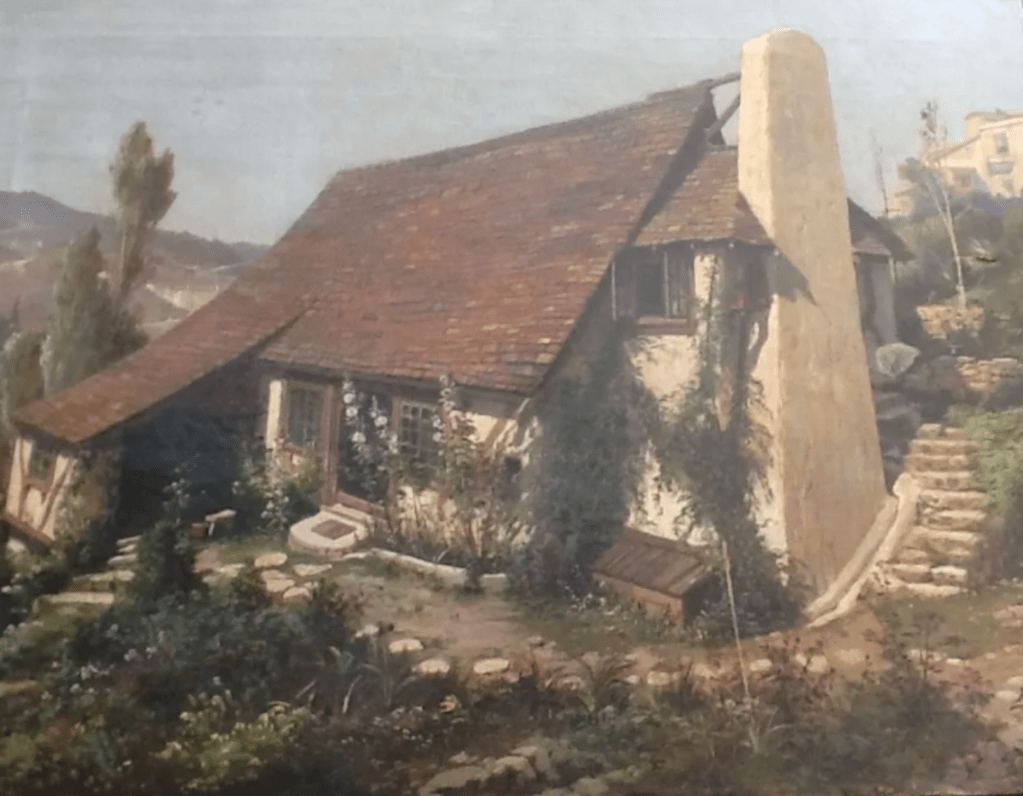
6655 Alta Loma Terrace was built in 1923 on lot 7 by architect Ray Smith for cinematographer Gordon Pollock (pictured above). Pollock was the cameraman in Charlie Chaplin’s “City Lights” in 1932 and Gloria Swanson’s “Queen Kelly” in 1932. Pollock rented the English cottage of Bette Davis when she first moved to Hollywood in 1930. In the 1960s, the home made national news when the owner refused to move out of the home as the city wanted to condemn it for a museum.
Across the street, was the last house built on the Whitley Heights side of Alta Loma Terrace: 6654 Alta Loma Terrace. The 5 room cottage was complete with 3 bedrooms, one bath, a veranda, sleeping porch, living and dining room, combined kitchen and breakfast nook, detached garage, and an English garden. Art director Paul Youngblood resided in the home in 1924. Youngblood was credited for 30 films between 1925 and 1947 including; Under Nevada Skies (1946) starring Roy Rogers & Trigger, The Courage of Lassie (1946) starring Elizabeth Taylor & Frank Morgan, Over My Dead Body (1942) starring Milton Berle, The Waning Sex (1926) starring Norma Shearer & Conrad Nagel and 1st Little Annie Rooney (1925) starring Mary Pickford.
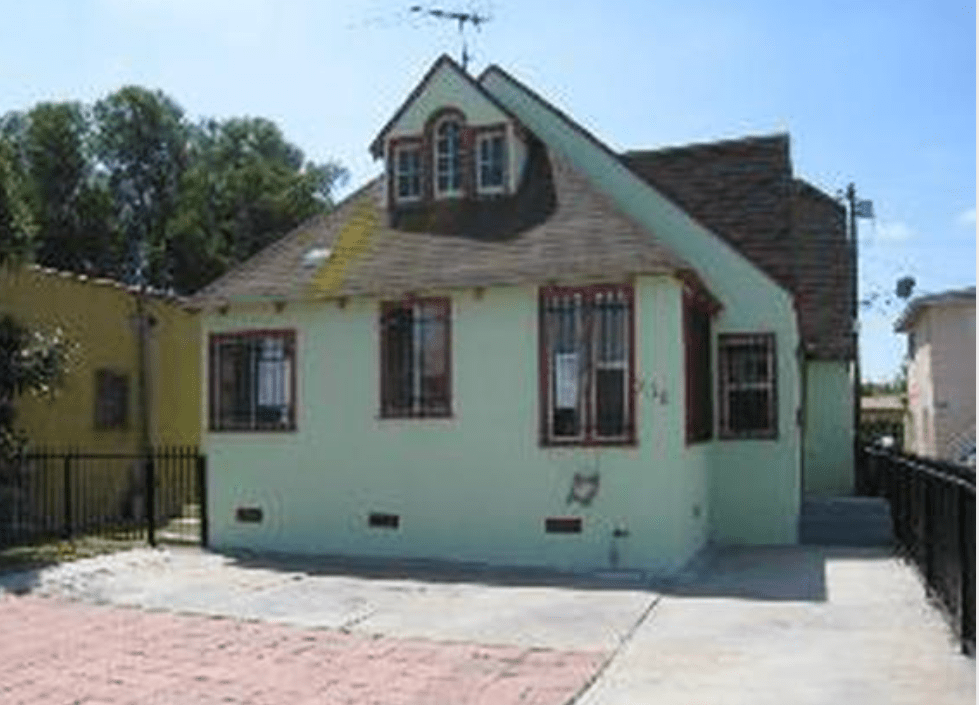
When the 101 Freeway was being constructed in the early 1950s, the city took took the land from two homes from Alta Loma Terrace: 6726 and 6727 Alta Loma Terrace. Luckily, there was a buyer who had the homes moved next door to each other in Sun Valley (see below). Both homes have not been altered and a little bit of Alta Loma Terrace remain today. The first house is where socialite Marion Fox lived and the second home was where actress Louise Brooks resided. Both homes are identical except that they are the mirror image of one another with the house flipped in the other direction.
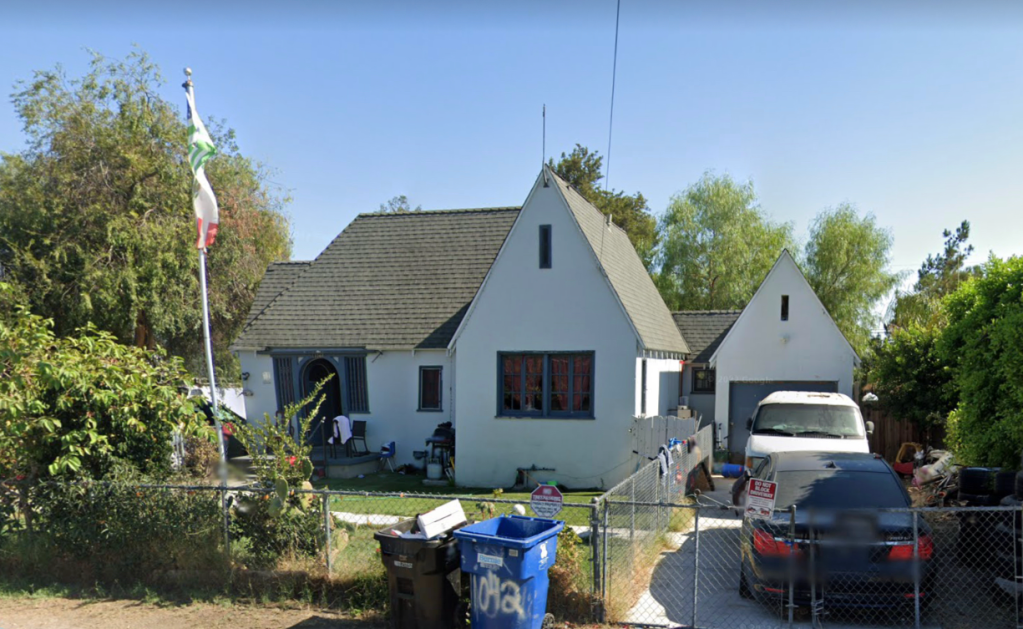
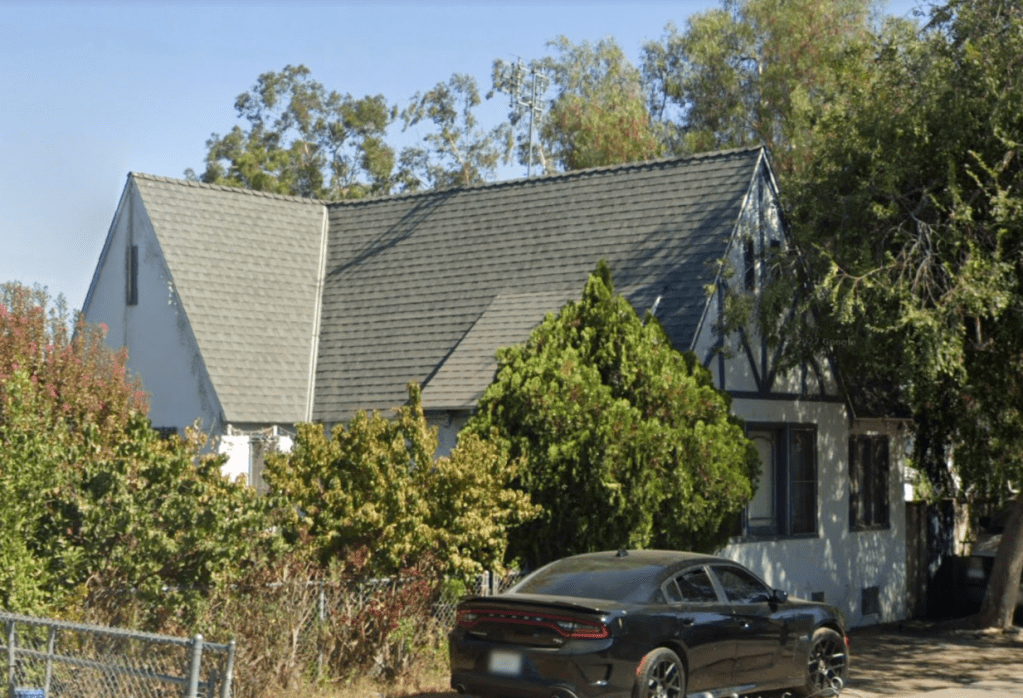
In 1956, the city wanted the land on 6721 Alta Loma Terrace in order to expand the Hollywood Bowl parking lot. “The Yale House” was relocated to 238 E. 7th Street in Los Angeles, where it remains today:
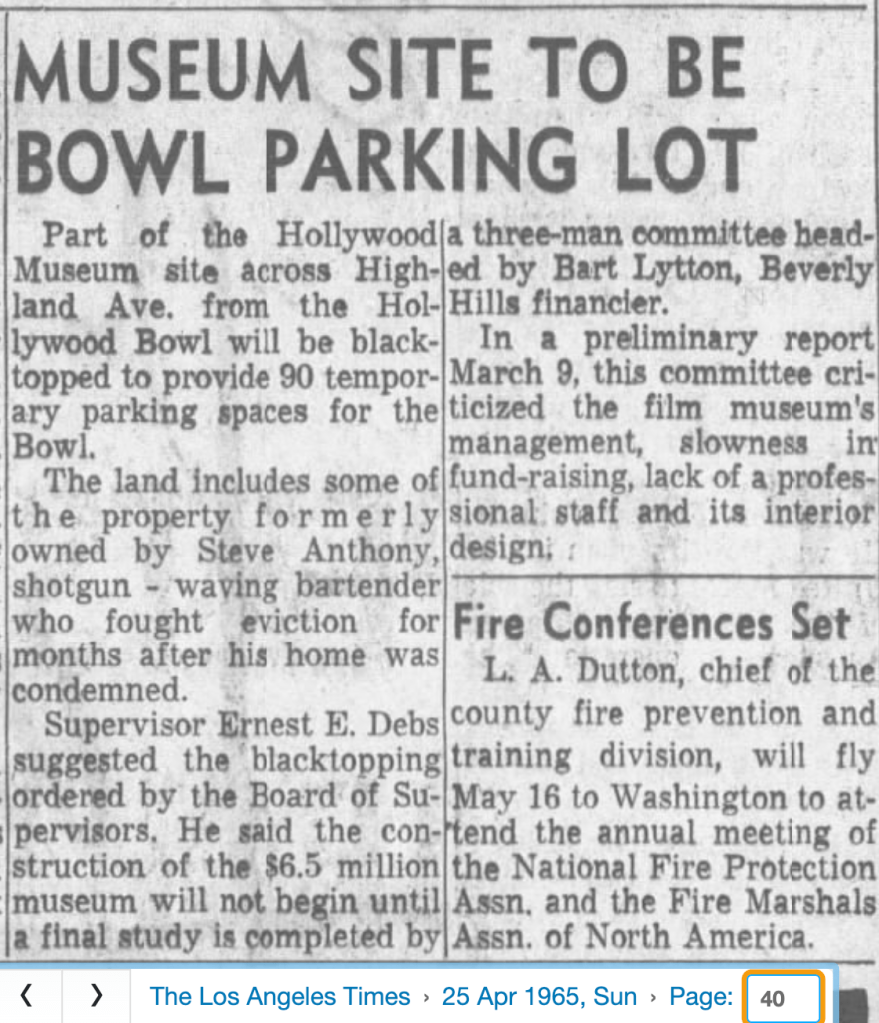
In December 20, 1961, county supervisors asked the City of Los Angeles to vacate the following streets for the $4 million Hollywood Motion Picture and Television Museum: Las Palmas Avenue east from Highland Avenue to Milner Road, East portion of Alta Loma Terrace and Alta Loma Terrace Walk, and southeast 75 feet of Fairfield Avenue. Most owners were compliant and either sold the home to be relocated or was bought out by the city. However, Steven Anthony, who was deeded 6655 Alta Loma Terrace from Gordon Pollock (Anthony was his caregiver for five years after he had a stroke), refused to move. Anthony argued that the museum was not a public project and the county lacked the authority to condemn his home located at 6655 Alta Loma Terrace. Judge Aubrey N Irwin, disagreed and a jury decided the value of his land and Anthony was awarded $11,750.
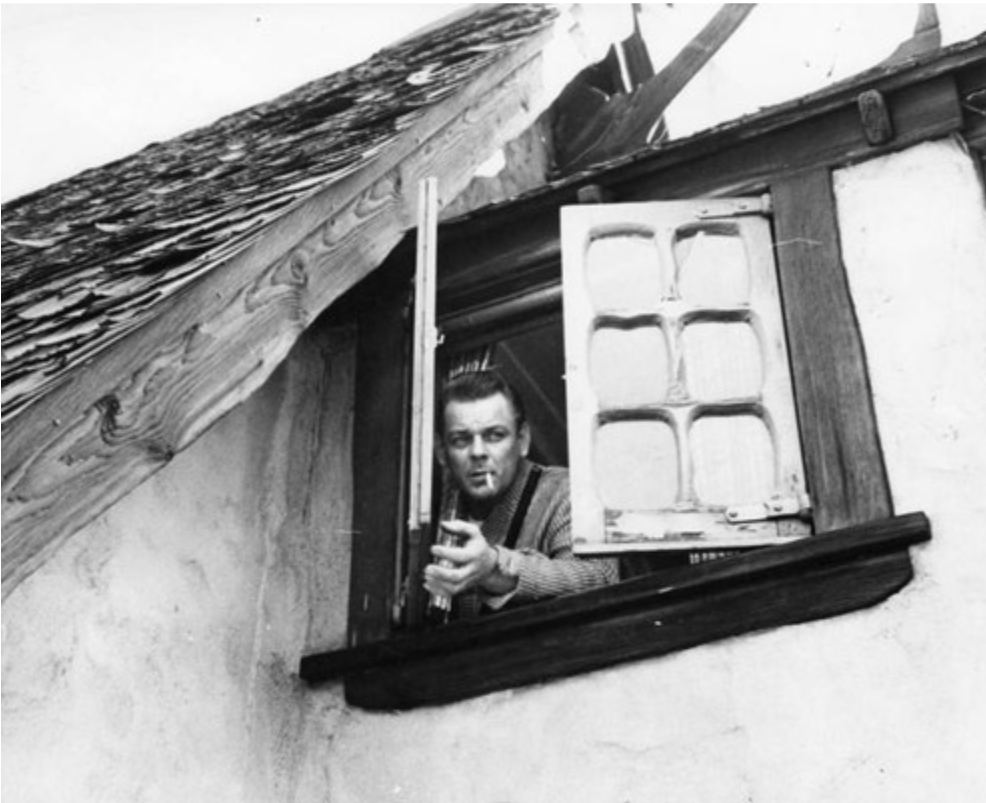
Anthony, who had a wife and three young children, refused the offer and remained in the home. In January of 1964, the District Court ruled that the city of LA can take possession of 6655 Alta Loma Terrace for the museum. A lower court gave Anthony a temporary stay as he was appealing the decision on the grounds that he could not find a reasonable replacement of a home for he and his family. In February of 1964, deputies attempted to evict the Anthony’s and he refused to leave the home, armed with a shotgun. He threatened to shoot if they attempted to remove him and his family. The museum offered a year’s rent free in any home he wished to rent and he refused. Authorities did not want to use tear gas as they did not know if there were young children inside the home. After a 7 hour stand off, Anthony won temporary stay at home.
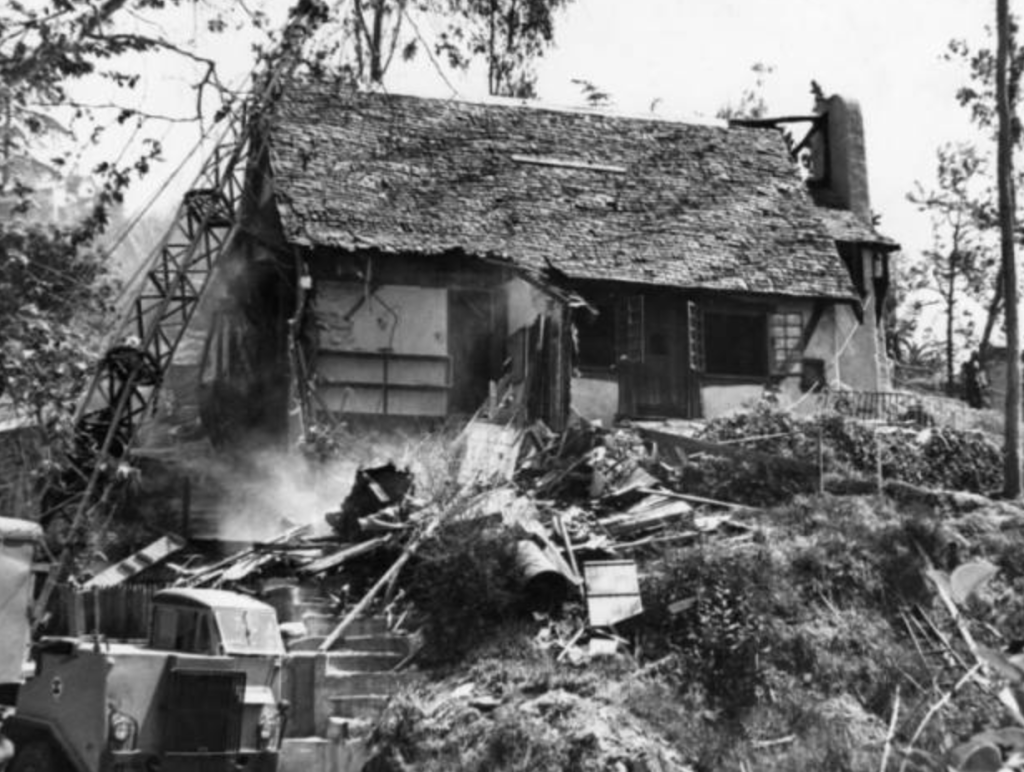
Anthony had fought to the California Supreme Court but was not successful in keeping the property and would have to vacate by March 14th, which he did not. Finally in April of 1964, Anthony was tricked by two men pretending to me ex-Marines (really undercover police officers) that he allowed in the home. The cops were able to stronghold Anthony, who continued to fight back, and arrested him on an old unpaid parking ticket. As Anthony was being processed in jail, the city brought in a van and started loading the Anthony’s belongings into it. The next day, Anthony sat under a tree watching a wrecking crane demolish the home.
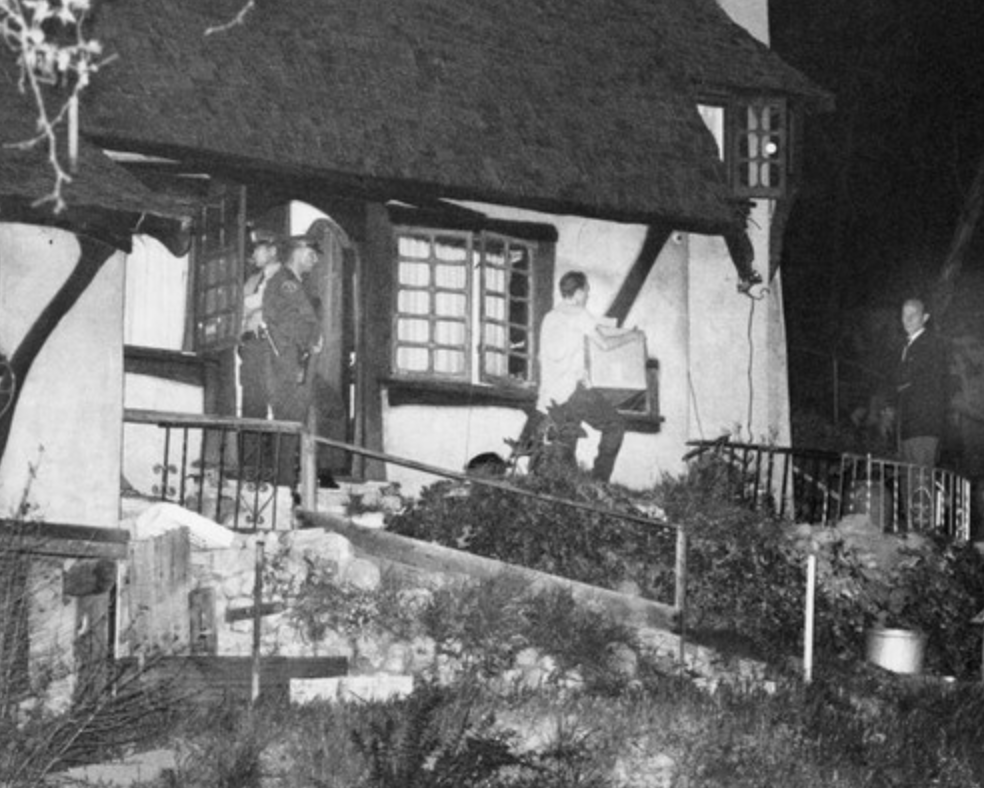
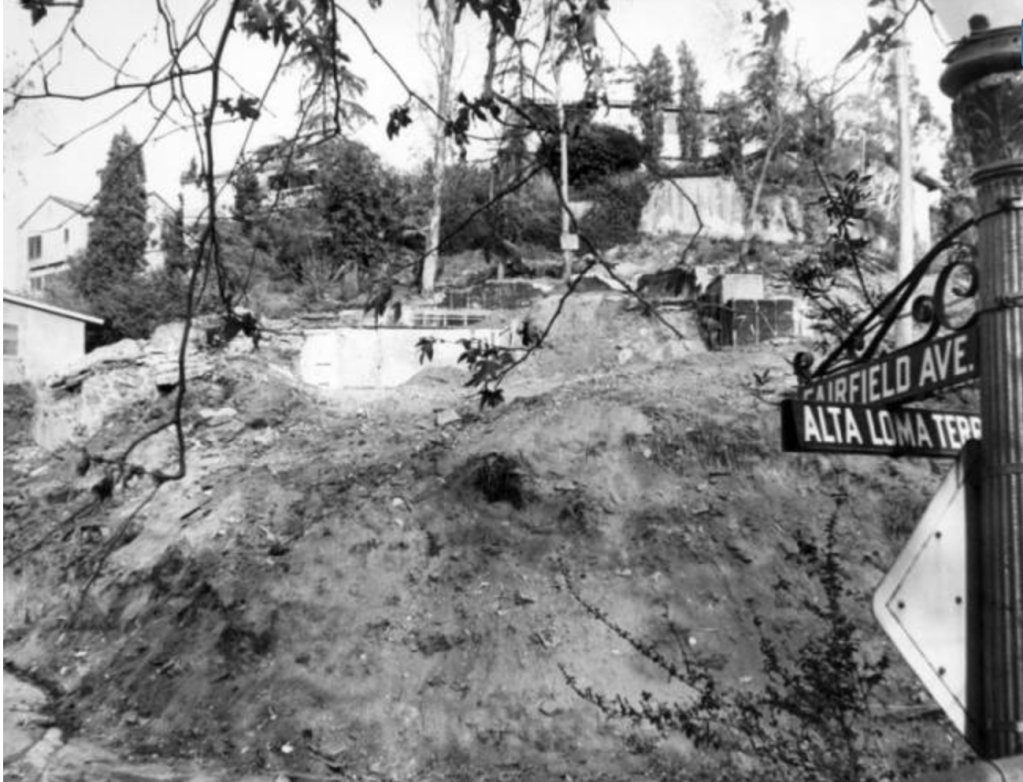
Many Hollywood citizens felt bad for Steven Anthony. A woman who owned a piece of land near Highland and Alta Loma Terrace (literally 44 foot by 1 foot), decided to deed the tiny piece of land to Anthony. Anthony put a fence and flowers around the piece of land as a memorial for the loss of Alta Loma Drive. He then sued the county for $5,000, indicating his son started stuttering after the trauma they endured, but did not get any money from the county. Then the city of Los Angeles started going after Anthony: he was charged with battery, resisting arrest and disturbing the peace and would act as his own attorney. He asked the judge for a change of venue but was denied. Instead, he was sentenced to 360 days in jail. The county also sued him for non-payment of an old hospital bill and Anthony in turn, sued the county for $5 million. Anthony’s new claim that when the county bulldozed the house, they buried plans for a 3 dimensional film projector by Gordon Pollock. Although Anthony won an appeal on two of his criminal charges, he never won any money from the law suits, but was invited to work for a new committee in Hollywood that exposed government corruption.
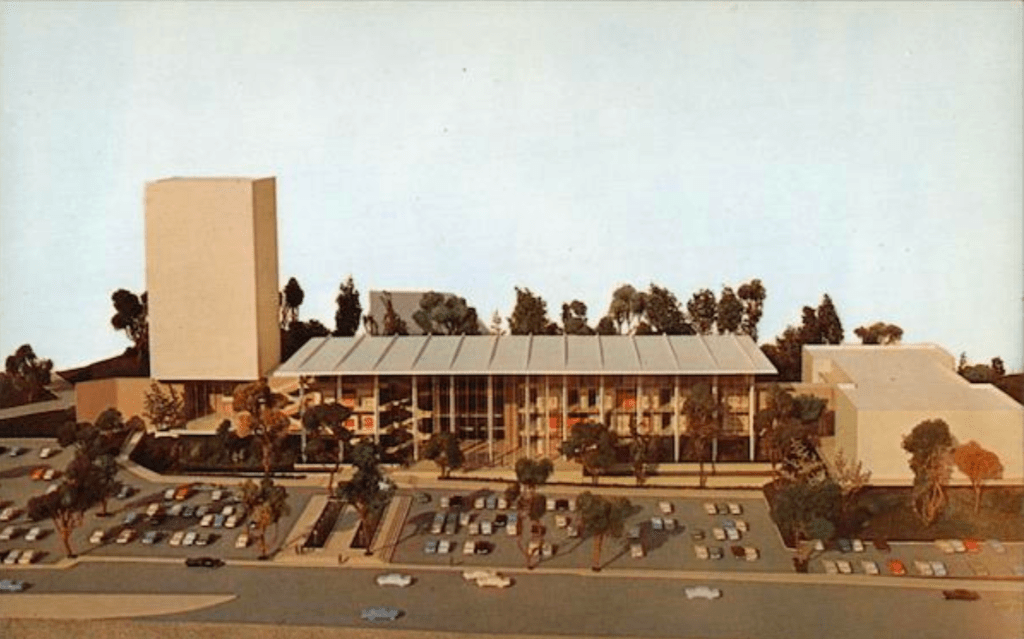
As for the proposed Hollywood Motion Picture and Television Museum, which was spearheaded by producer Sol Lesser and backed by many in the movie industry including; Mary Pickford, Gregory Peck, Walt Disney, Bing Crosby, Desi Arnaz, and Frank Sinatra. They had big plans for the museum-two sound stages, an observation gallery where visitors would be able to view the actual production of motion picture and television shows, and a theater with a seating capacity of 500 people, where films of the past and present would be shown. In addition, there was plans for projection rooms for private viewing or lectures, a library, restaurant and research facilities. A major portion of the museum was to be devoted to displays, depicting the history of motion picture, television and radio and recording industries and showing the technical aspects of each. However, the museum was never built as the elaborate plans were took expensive. Instead, the land was made into additional parking for the Hollywood Bowl (they always wanted more parking).
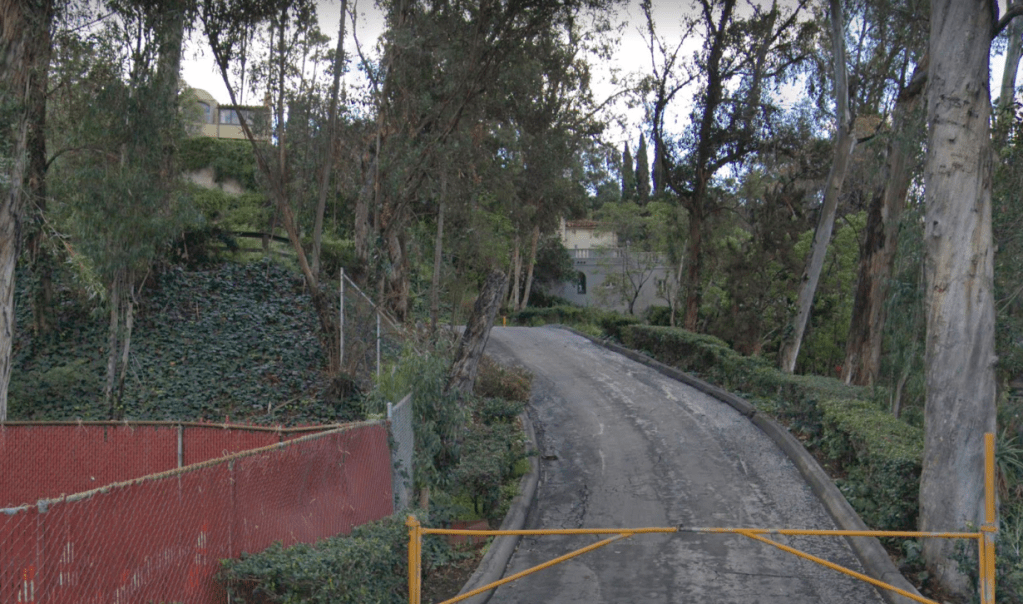
What is left of Alta Loma Terrace, east of Highland Avenue:
 Whitley Heights 101
Leave a comment