6766 Wedgewood Place
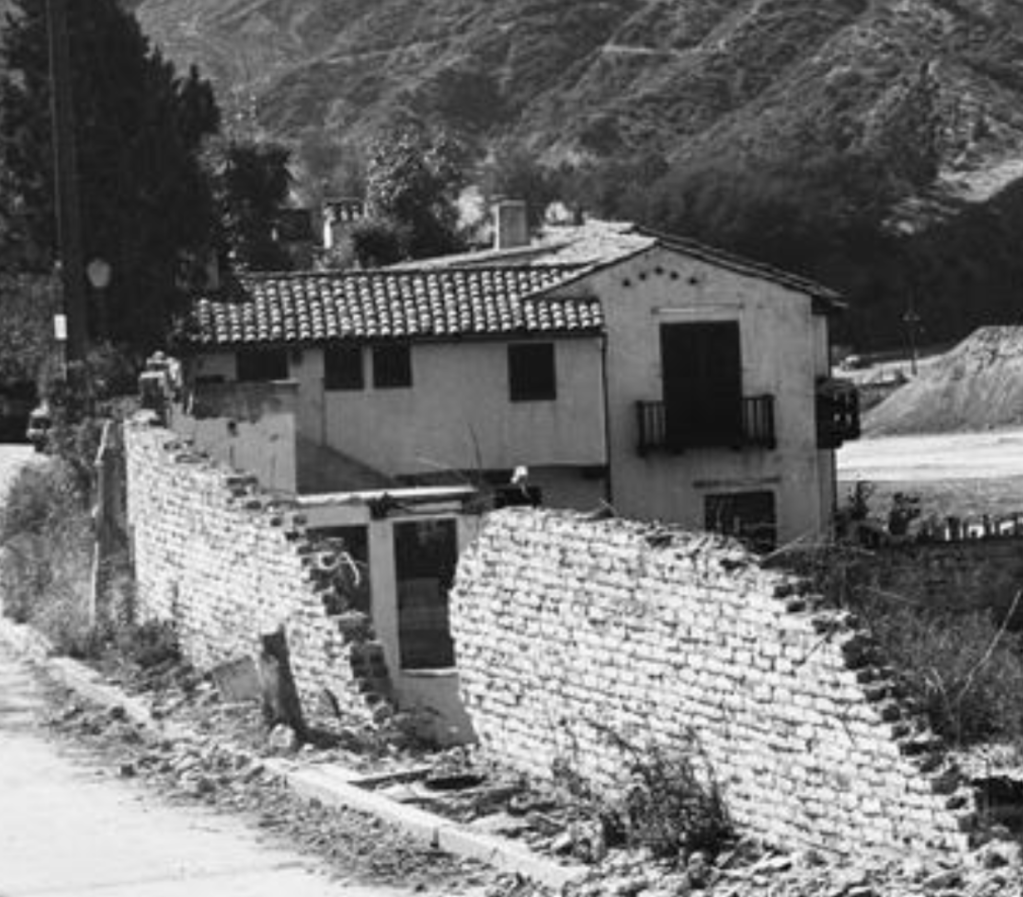
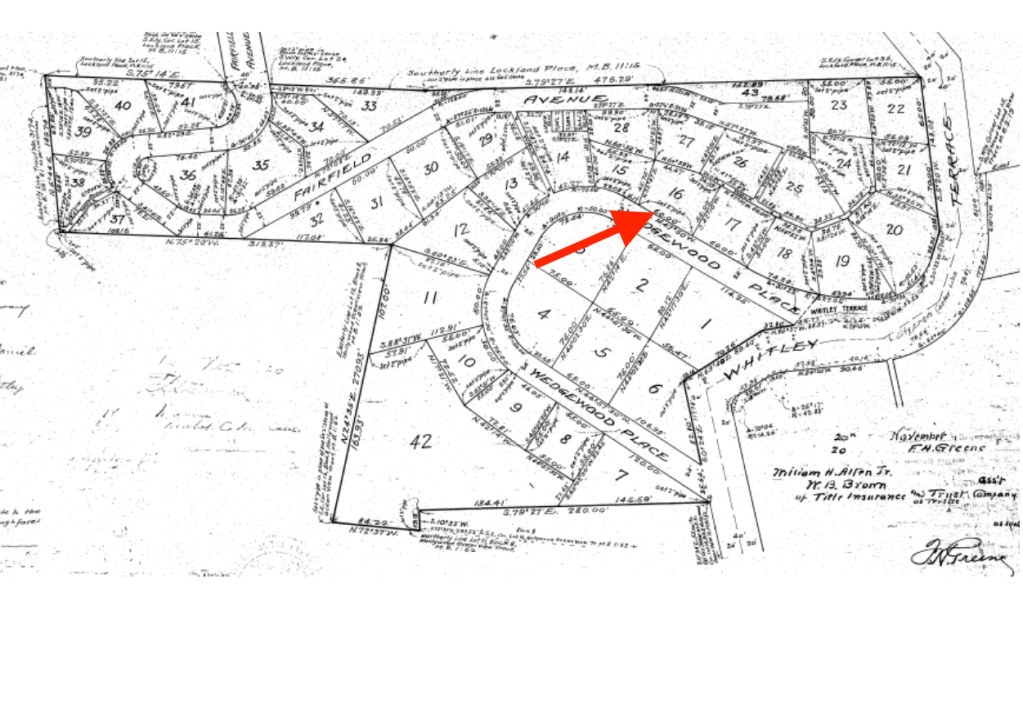
6766 Wedgewood Place was built in 1924 by architect Nathan L. Coleman, a prominent architect who built several other houses in Whitley Heights during the 1920s. 6766 Wedgewood Place was originally built for Joseph Wittliff, a salesman in the area. This two-story home consisted of 6 rooms, 3 bedrooms, 2 bathrooms and a patio, which sat on a downslope on lot 16 (Valentino’s house was on lot 18) on Wedgewood Place. An empty lot sat between the two houses the entire time.
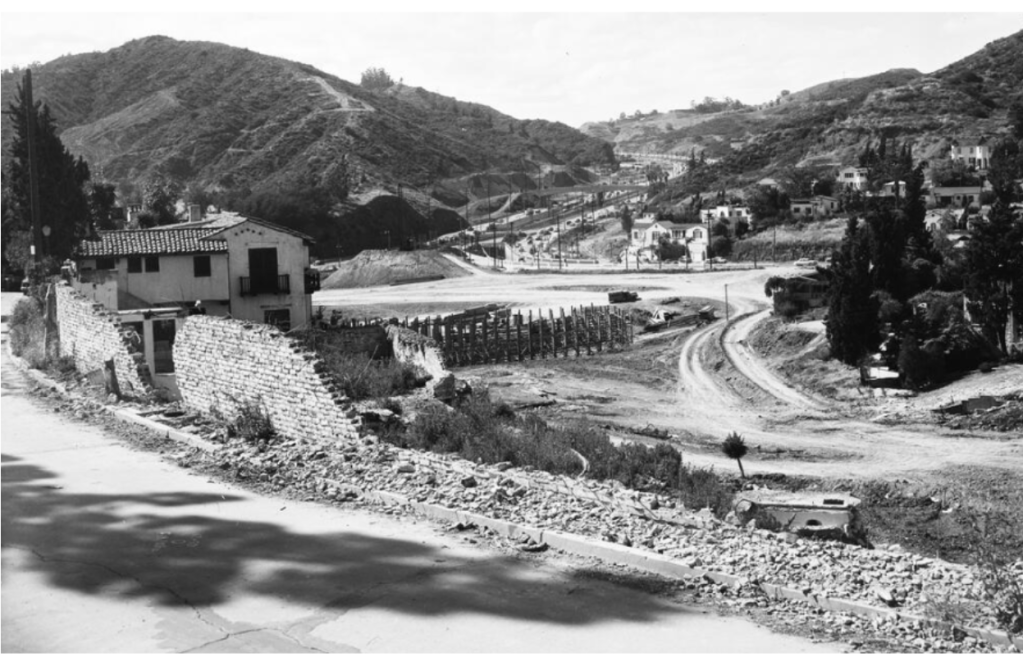
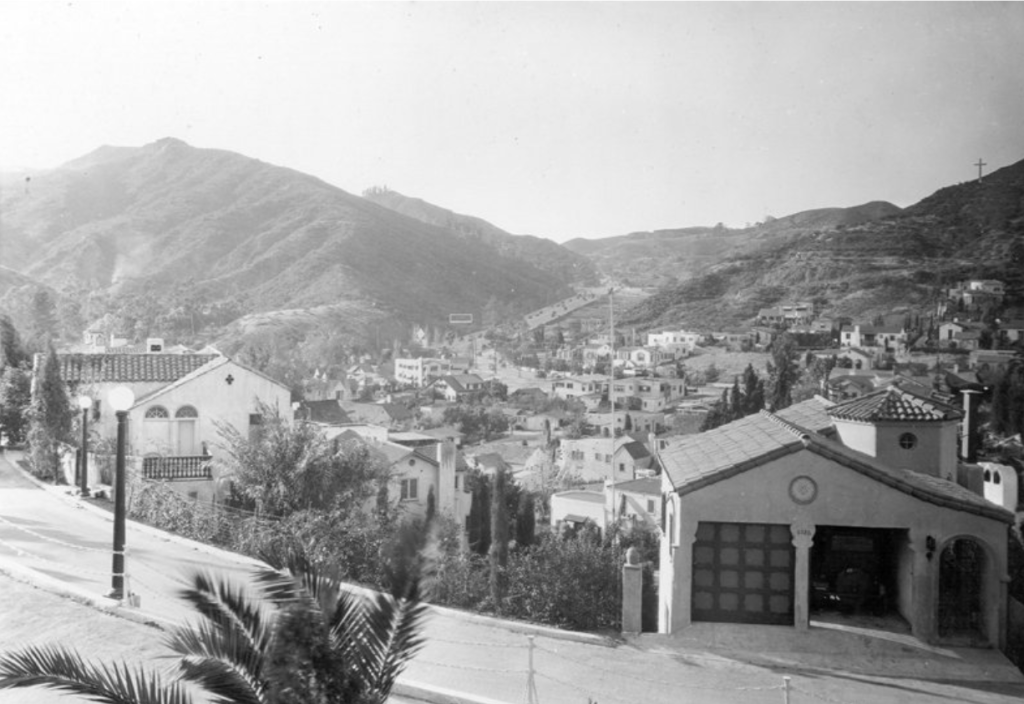
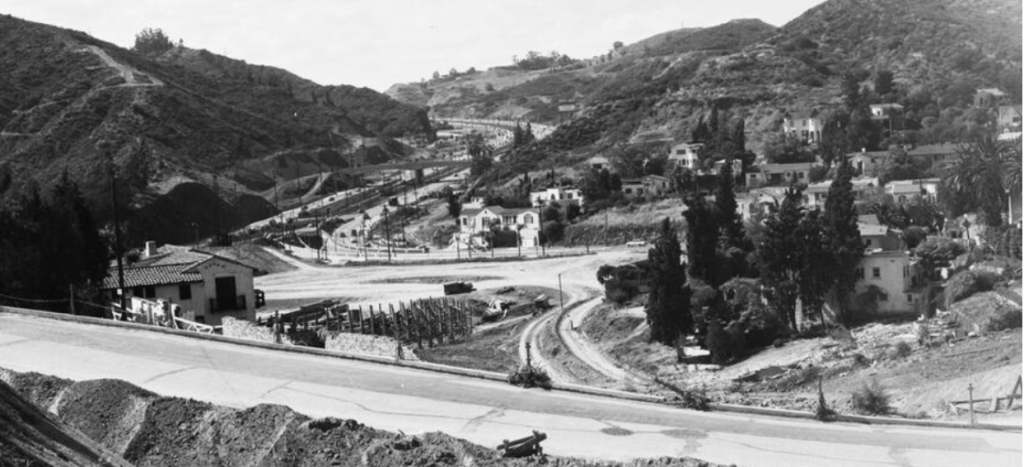
The house was eventually torn down in 1970, along with 3 other homes for the widening of the Hollywood Freeway. Unfortunately, these lots were never used other than being landscaped by the state. Below, the original construction of the Hollywood Freeway circa 1950 with 6766 Wedgewood Place still in tact.
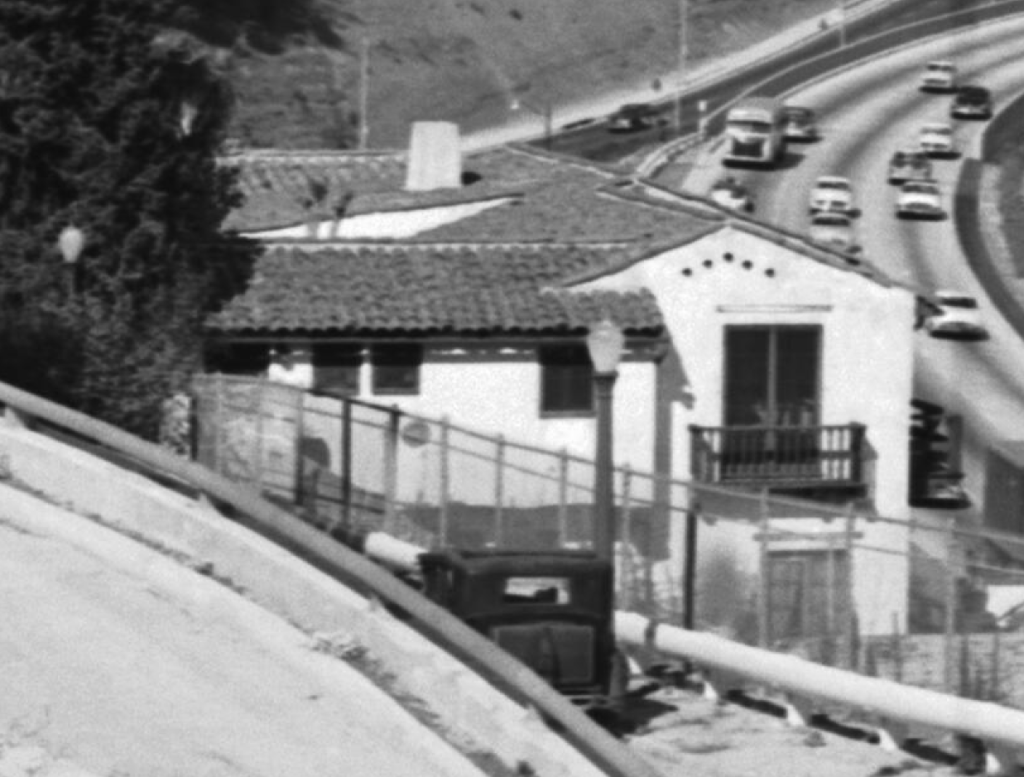
Below, 6766 Wedgewood Place after the freeway was built, prior to it’s demise in 1970.
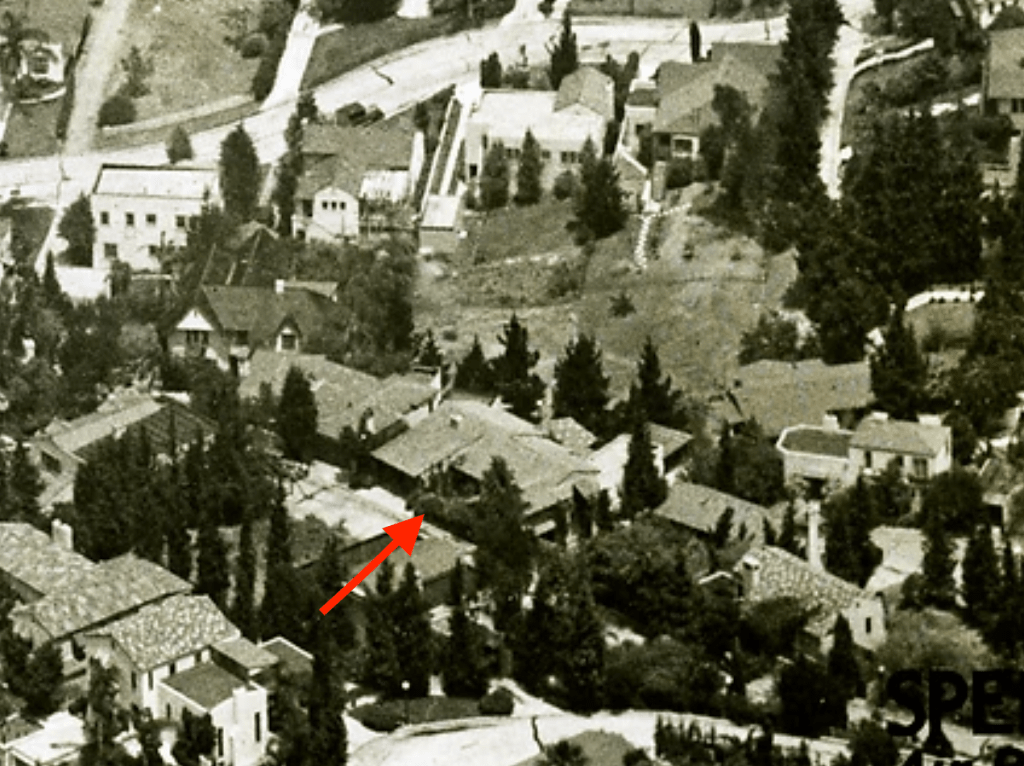
Below is an aerial view of Wedgewood Place showing the location of 6766 Wedgewood Place with Valentino’s house to the right of it.
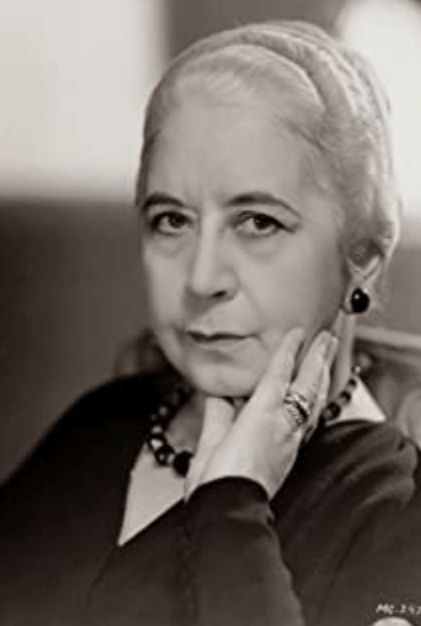
Actress Louise Closser Hale rented the house from Mr. Wittliff, when she moved to Hollywood in 1929. Born May Louise Closser in 1872, she married Broadway actor Walter Hale in August of 1899 in Indianapolis and was seriously ill so they married at her bedside at her uncle’s house in Laporte. They resided in New York City and both worked on the stage until Walter died of cancer in 1917. Louise’s first film was “Winning His Wife” in 1919, a short film and by 1929, she was working for Paramount Pictures and had a minor role in “A Hole in the Wall” starring Claudette Colbert. Later that year, she moved to Hollywood and worked for Warner Brothers. Closser Hale worked in a total of 30 films from 1929 until her death in 1933 while she lived in this house. Closser Hale worked with A-list actors which included; Big Boy (1929) starring Al Jolson, Daddy Long Legs (1931) starring Janet Gaynor, Platinum Blonde (1931) starring Jean Harlow, Shanghai Express (1931) starring Marlene Dietrich, Letty Lynton (1932) starring Joan Crawford, Movie Crazy (1932) starring Harold Lloyd, No More Orchids (1932) starring Carole Lombard, The Barbarian (1933) starring Ramon Navarro, and her last role in Duck Soup (1933) starring the Marx Brothers.
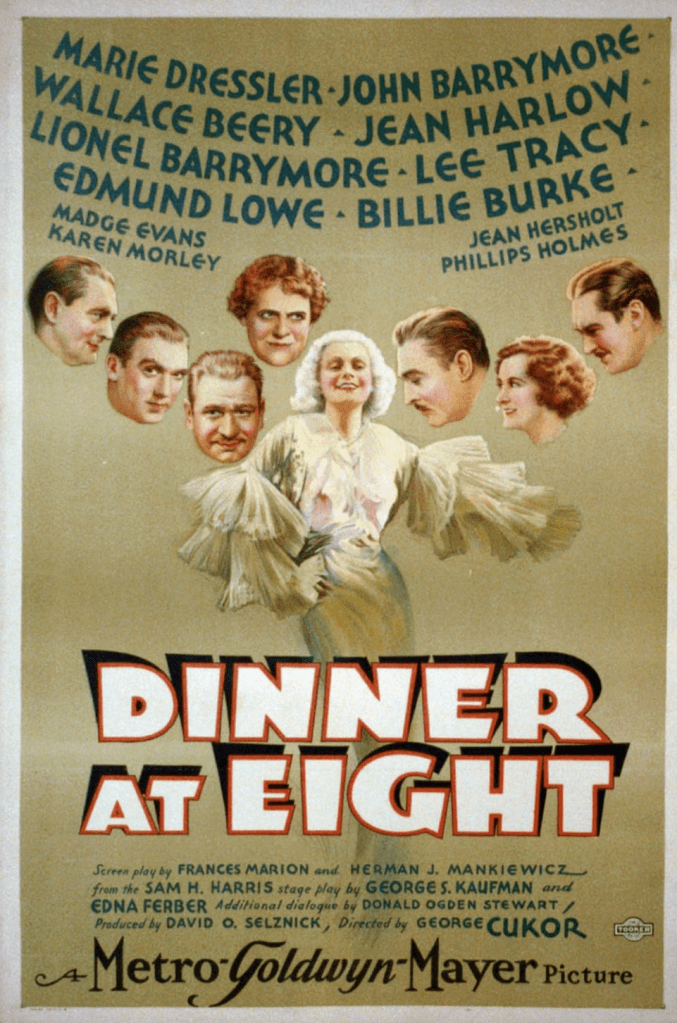
Perhaps her most memorable role was as Hattie Loomis in George Cukor’s “Dinner at Eight” which also starred Marie Dressler, John Barrymore, Wallace Beery, Jean Harlow, Lionel Barrymore, and Billie Burke.
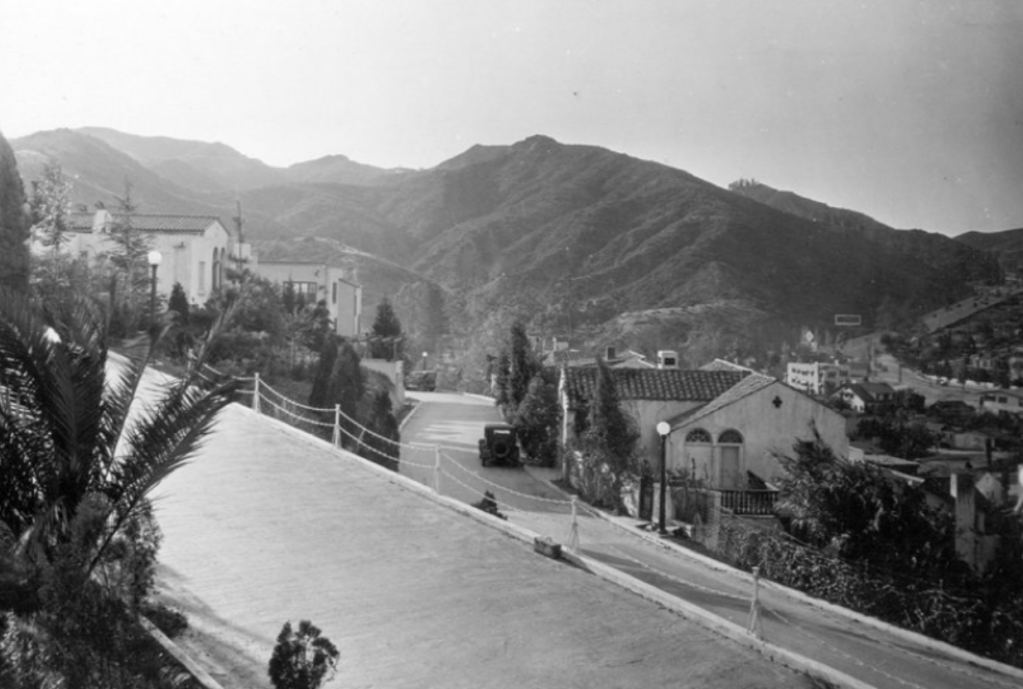
While Closser Hale resided in Whitley Heights, she would go home every evening and work in her garden. Apparently the snails were so bad, she called her home “The Snailery”. A friend told her that ducks eat snails so she bought a duck who ate the snails, but the duck often quacked and the neighbors started to complain. The 61-year-old actress suffered an apoplectic stroke from the heat and collapsed on July 25, 1933, while shopping in a downtown store. She was rushed to Monte Sano Hospital, where she had another stroke which proved fatal the following morning. Closser Hale was also equally famous on the New York and London stages, had published several novels, and wrote a travel column in Harper’s Magazine. Below is the area Closser Hale had living in with the car being parked in front of Valentino’s residence; her house was on the other side of his house.
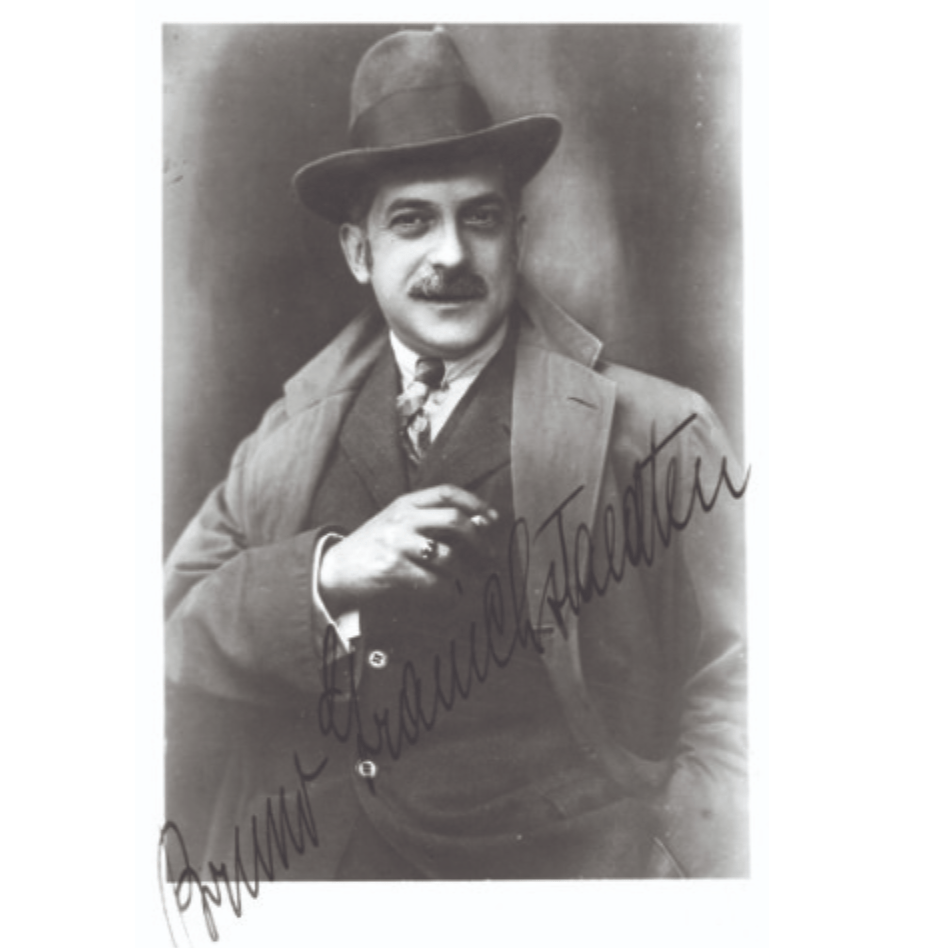
The Wedgewood house also had a studio apartment with a separate entrance listed as 6766 1/2 Wedgewood Place. In 1931, Vienesse composer Bruno Granichstaedten rented the apartment when he first came to Hollywood to do a score for Samuel Goldwyn before traveling back to Europe in 1932. Granichstaedten (1879-1944) went by the name Bruno Grant and composed sixteen operettas and music for various foreign films in England, Germany, and France. During Hitler’s invasion, Grant moved permanently to New York before his death in 1944.
In 1950, Allen and Anita Dunn and their two sons moved into 6766 Wedgewood Place from Cedar Rapids, Iowa. They probably got a great deal on the home with Whitley Heights being carved in half. Rudy’s house was vacant and about to be demolished and actor Wesley Beery and his wife, Julia was living on the other side of the Valentino house at 6788 Wedgewood Place as shown below (their house would also be demolished). Allen, 52, opened up a custom automobile business, while Anita, 50, a well-known painter and illustrator in Iowa, became a gift item inventor. Their oldest son, Allen Jr., 20, worked as a newspaper route manager while their youngest son, Wilson, 18, was finishing high school at Hollywood High and working for his father.
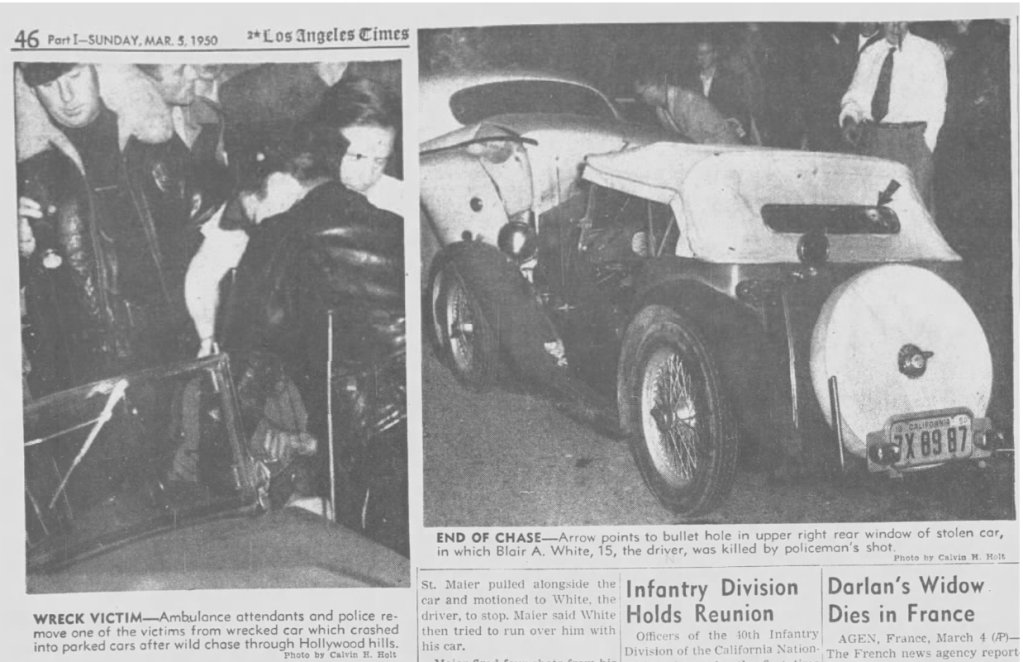
Perhaps Wilson was having difficulty adjusting to the move from a small town in Iowa to living amongst the movie stars in Hollywood, but he ran into some legal troubles. In March of 1950, he and a 15 year old, Blair White, who lived on the other side of Whitley Heights at 6617 Iris Drive, stole a British-made MG sports car from White’s neighbor who lived across the street on Iris Drive. One Saturday night in March of 1950, Tom Kelley reported his beloved sports car missing. Two motorcycle officers spotted the car at Franklin and La Brea Avenues with two teenagers in it. The convertible roadster took off as soon as they saw the police and a high speed chase ensued in the Hollywood Hills at times going as fast at 70 miles per hour. When the car headed back down to Hollywood Boulevard near Vista Street, the police officers pulled alongside the car and motioned White, who was driving, to pull over, but White veered the car towards the police officers. One of the police officers fired four shots at the car to stop it, hitting White in the head and the car crashed into several parked cars. White was pronounced dead at the crash site while Wilson Dunn was taken to a nearby hospital from a possible skull fracture then booked into jail with a grand theft auto charge. Dunn told the police that White picked him up at his house on Wedgewood Drive shortly before the chase and told him that it was his cousin’s car.
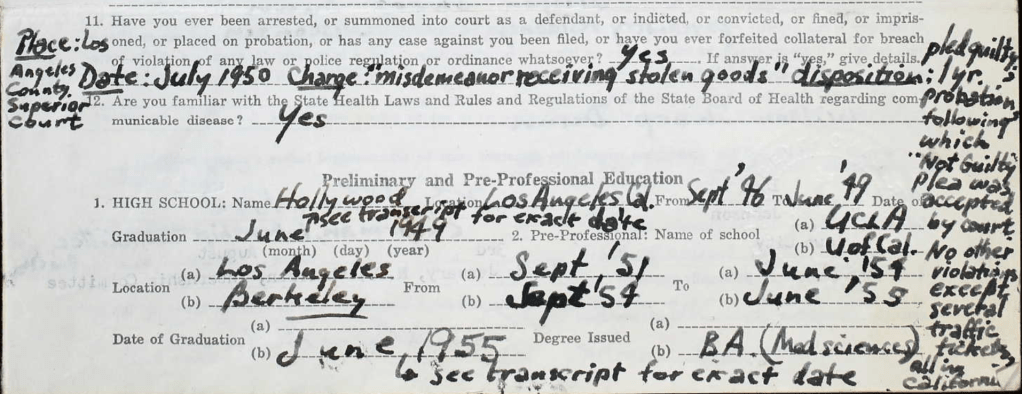
White’s father, J. Andrew White, past president of the Whitley Heights Civic Association, was devastated that his son died in that manner and thought the police used excessive force. The story remained in the headlines for 6 months as White fought to get the police held liable for his son’s death. Wilson Dunn pled not guilty in his grand theft auto case, but finally took a plea deal and was placed on one year of probation for the misdemeanor charge in July of 1950. This would later haunt Dunn as he went to medical school and became a psychiatrist. Below is his application in California when he was applying for his occupational license.
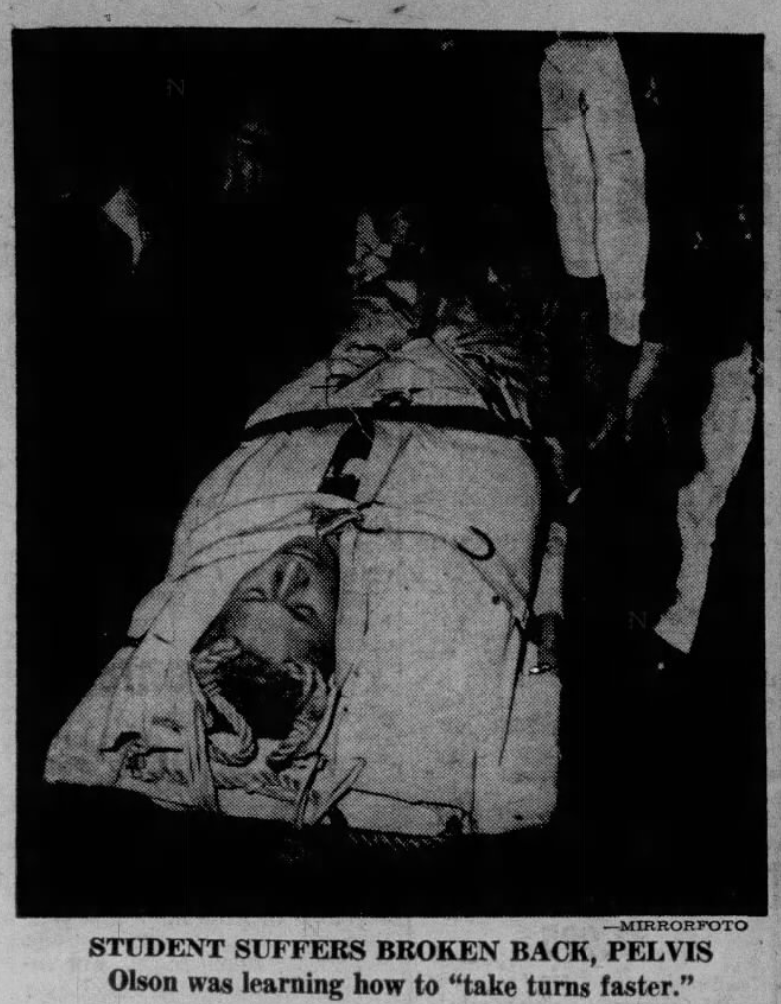
Wilson had been involved in another automobile crash in May of 1952. This time he was riding motorcycles with 20 year old Jack Olson on Mulholland Drive when Olson’s motorcycle failed to negotiate a curve and fell 150 feet into a ravine. Wilson Dunn’s motorcycle was ahead of Olson and finally realized he was no longer behind him. After a two hour search, police located Olson lying in a canyon. Both were students at UCLA at the time. Olson was carrying off on a stretcher and taken to Valley Hospital for a broken back, fractured pelvis, and head injuries. Dunn admitted to authorities that he was trying to show Olson how to take the turns a little faster and that he kept looking over his shoulder to see how Olson was doing. When he did not see Olson, Dunn figured that he grew tired of riding the motorcycle and headed home. When he went back to Olson’s home and did not find him there, he contacted the police department. The police searched that section of the highway for over an hour when they finally heard Olson’s faint cry for help.
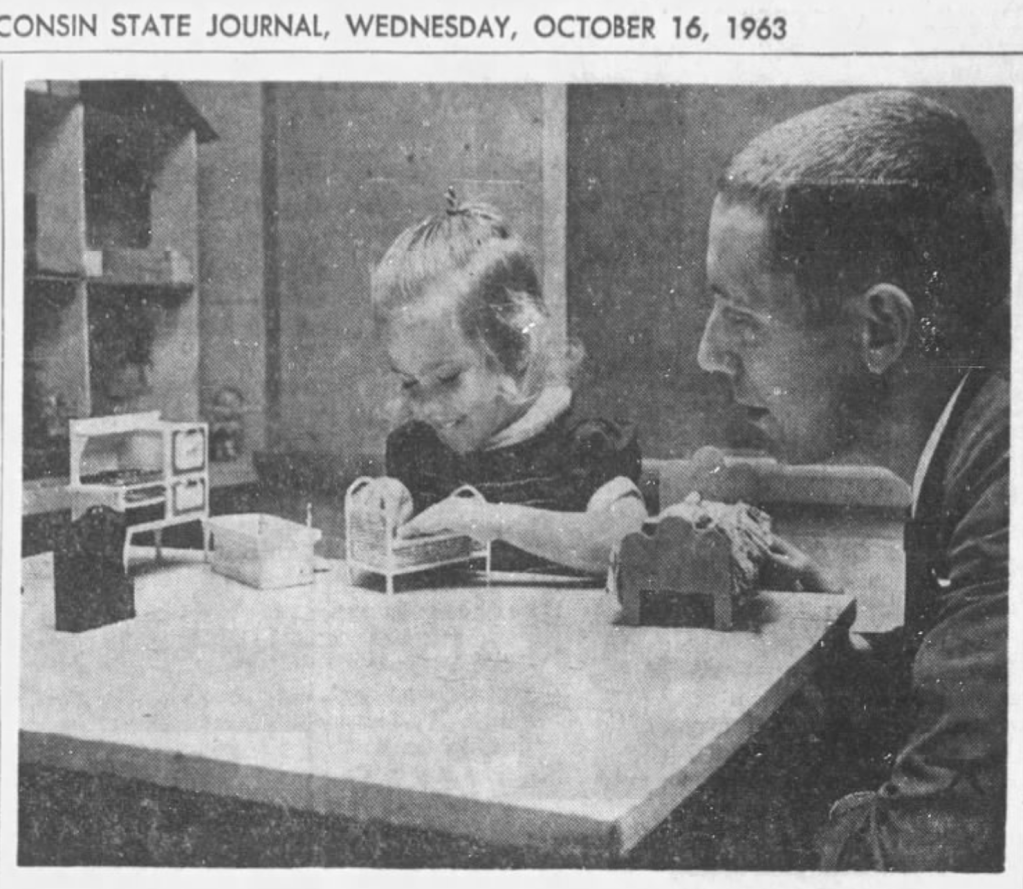
Wilson eventually grew out of his dare-devil mishaps, graduating from medical school and becoming a psychiatrist. He got married to another psychiatrist, moved to Madison, Wisconsin and became the medical director at a mental health center specializing working with children. However, Dunn still had his issues. Dunn had been seeking treatment and had been a patient for over a month at at the Mendota State Hospital. He ended up dying in the hospital at the age of 33 due to an overdose of barbiturates and the autopsy ruled his death as a suicide. Below is Dunn with his 3 1/2 year old daughter at his work at the Dane County Guidance Center where he specialized with working with children.
His older brother, Allen Dunn, Jr., was involved in a canoe accident in July of 1951. Allen was canoeing at Point Dume in Malibu with 19 year old John Keeler and 23 year old Brita Erickson, who was visiting from Sweden. At 4 p.m., they set out in their canoes from Paradise Cove to paddle around outside of the surf. When they failed to return by sunset, a search began in which they found Erikson around 10:30 p.m. after being found unconscious. Erickson was revived and transported to the hospital where doctor’s said it was a miracle she survived. Erickson could not recall what had happened and could barely talk to police after she woke up.
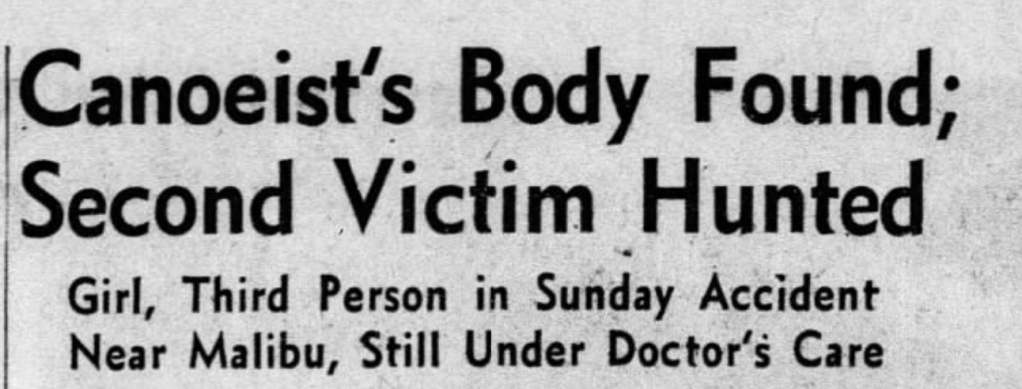
The following morning at daybreak, they found an overturned canoe and Keeler’s body, still in a lifejacket about a half a mile from the canoe. It was discovered that he did not have his lifejacket on properly when he was found floating after 9 hours. The Coast Guard from San Diego joined the search, hoping to locate Dunn that day. One of the plane’s that was searching for Dunn, had to make an emergency landing in a nearby field due to the engine overheating. Dunn’s body was never recovered and the Dunn’s never had a funeral, hoping he would return home. In August of 1951, a note washed ashore near the Santa Monica Pier, in a bottle bearing the name “Allen Dunn”. The note was written in lipstick and read, “I am now dead. I killed myself in Paradise sea”.
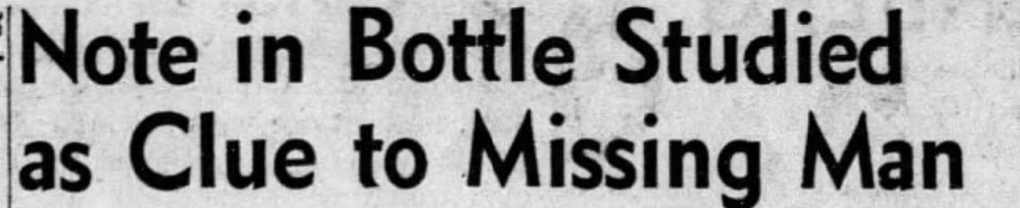
Unfortunately, the police believed the note turned out to be a “suicide hoax” since the Allen Dunn’s name was misspelled. What a horrible joke for the Dunn family. The Dunn’s moved from Wedgewood Place in the mid-1960s. Perhaps they stayed a bit longer and endured the noise of the freeway, hoping their son would return home. Below, 6766 Wedgewood Place can be seen from inside the house of Rudolph Valentino and his wife, Natacha Rambova.
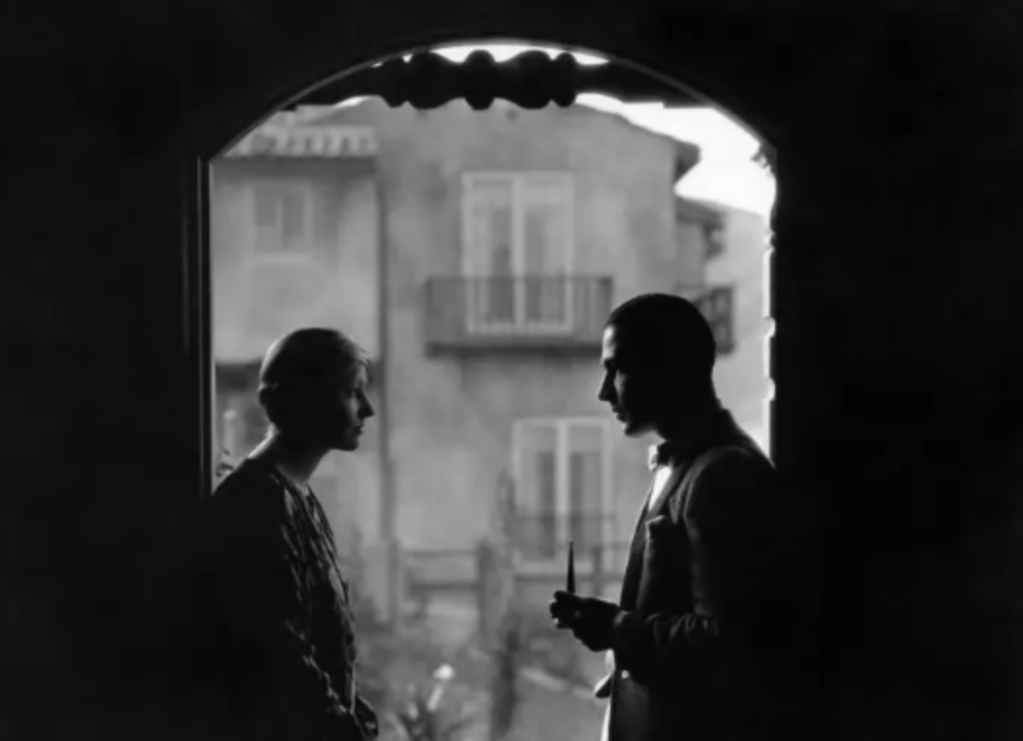
The last resident was director Stuart Hagmann in 1970 just before the house was razed. Hagmann was born in 1942 in Wisconsin and had a short-lived film career, directing only 13 television shows and films. His directing debut was in 1968 on the television show N.Y.P.D. starring Jack Warden; Hagmann directed only one episode. He went on to direct 4 episodes of Mannix in 1968 and 1969, another police show. However, Hagmann directed 3 episodes of the hit tv show, Mission Impossible in 1969.
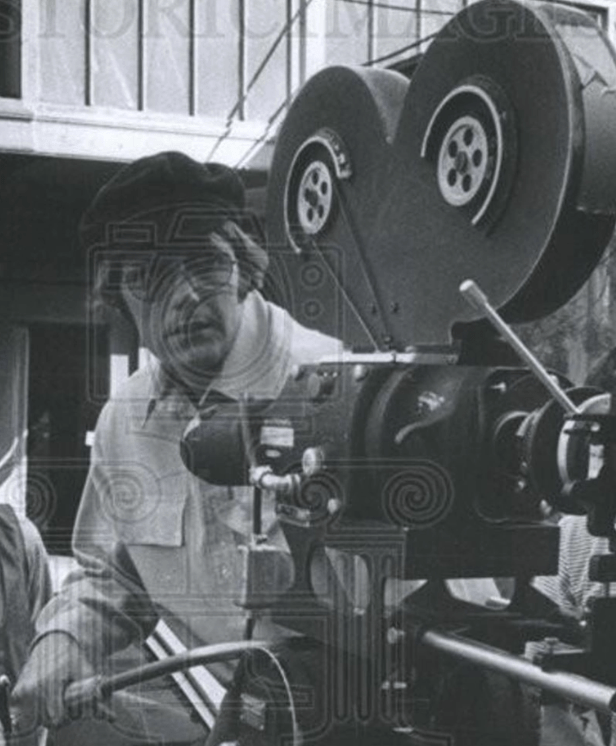
Hagmann’s big break was in 1970 when he directed his first film called “The Strawberry Statement” starring Bruce Davidson and Kim Darby, which was based on the book. He then went on to direct the film, Believe in Me, starring Jacqueline Bissett (1971) and She Lives! (1973) starring Desi Arnaz, Jr. Hagmann went back to television in 1975, directing one episode of “Bronk”, starring Jack Palance. His final directing job was in 1977 for the film, “Tarantulas: The Deadly Cargo”, starring Claude Atkins. It is unclear why Hagmann stopped directing but the 83 year old currently lives just outside San Francisco.
 Whitley Heights 101
Leave a comment