6626 Odin Street
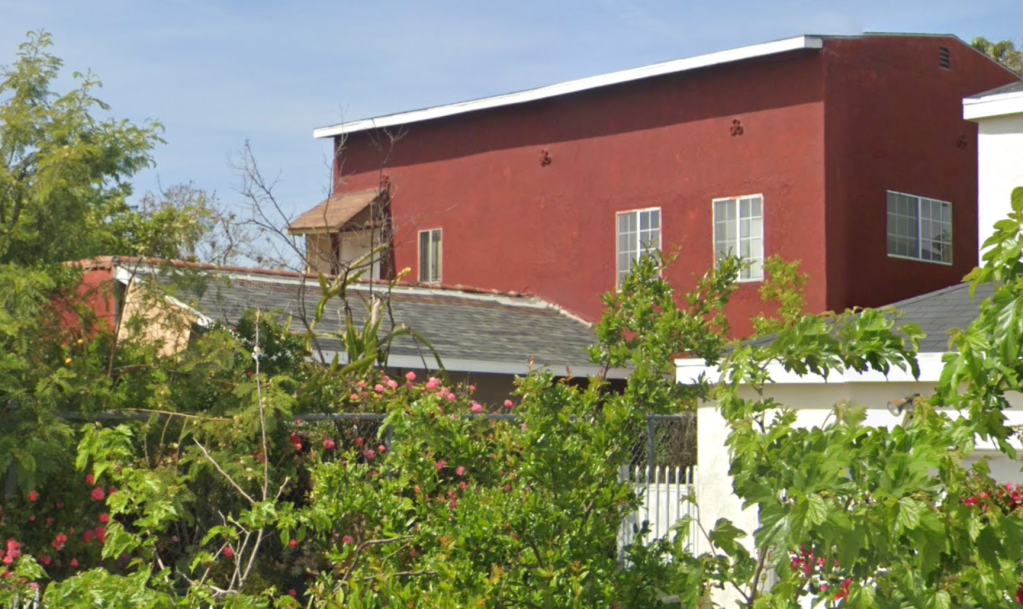
6626 Odin Street is a 2-story Spanish-style house, which was originally built with 5 rooms in 1922 for Antoinette Smith. Smith, who was commonly known as Ann Fisher Smith in literary circles, had moved with her youngest daughter, Joyce, to Hollywood in 1920 after a divorce. Smith was so impressed with Los Angeles, she had this house built in Whitley Heights. Smith, pictured below, added two rooms to the house and rented out an apartment by 1923.
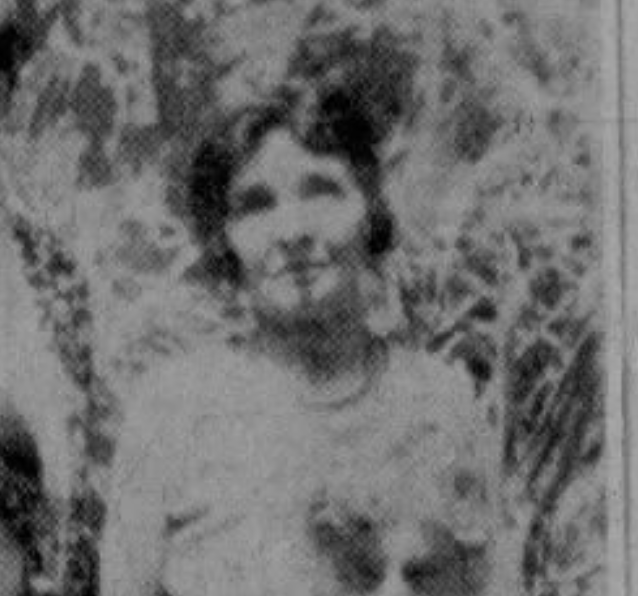
Smith was a member of Hollywood Congregational Church and often held functions in the Odin home before a night out at the Hollywood Bowl. She was also a good writer and a member of the Scribbler’s League of Los Angeles and wrote several self-help health books during her lifetime under the name, Ann Fisher Smith. Lastly, Smith was a lifetime member of the Hollywood Post War Service League which was involved in several fund raising events. In 1923, life was good for Antionette and her youngest daughter, Joyce, a high school student, as they enjoyed their new Hollywood lifestyle-such a difference from their previous life in Kansas.
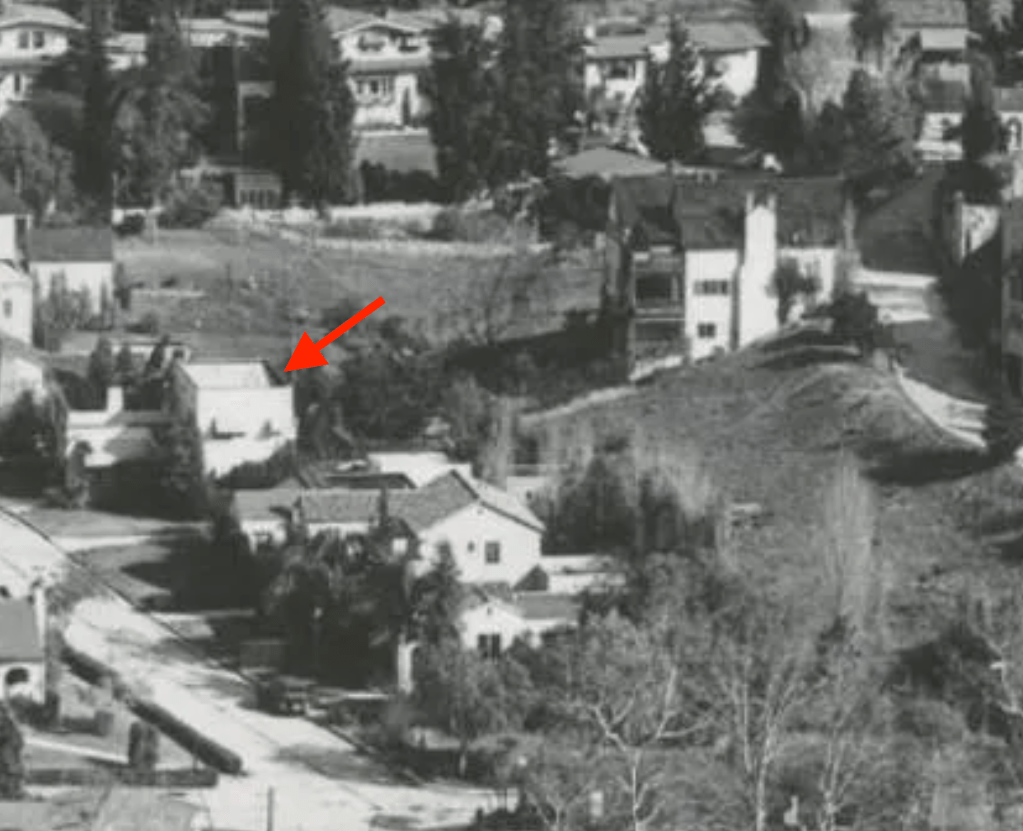
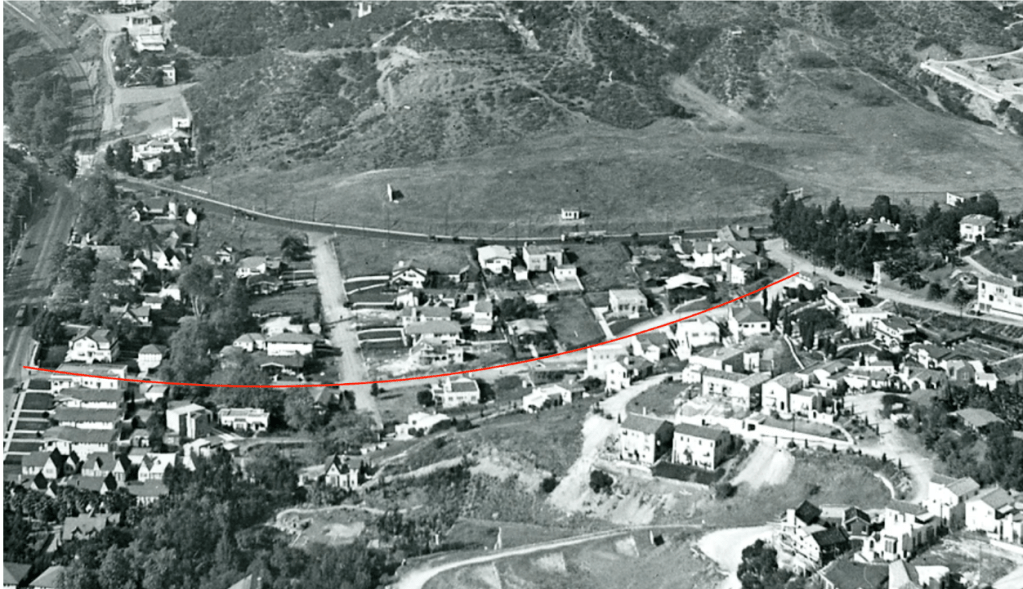
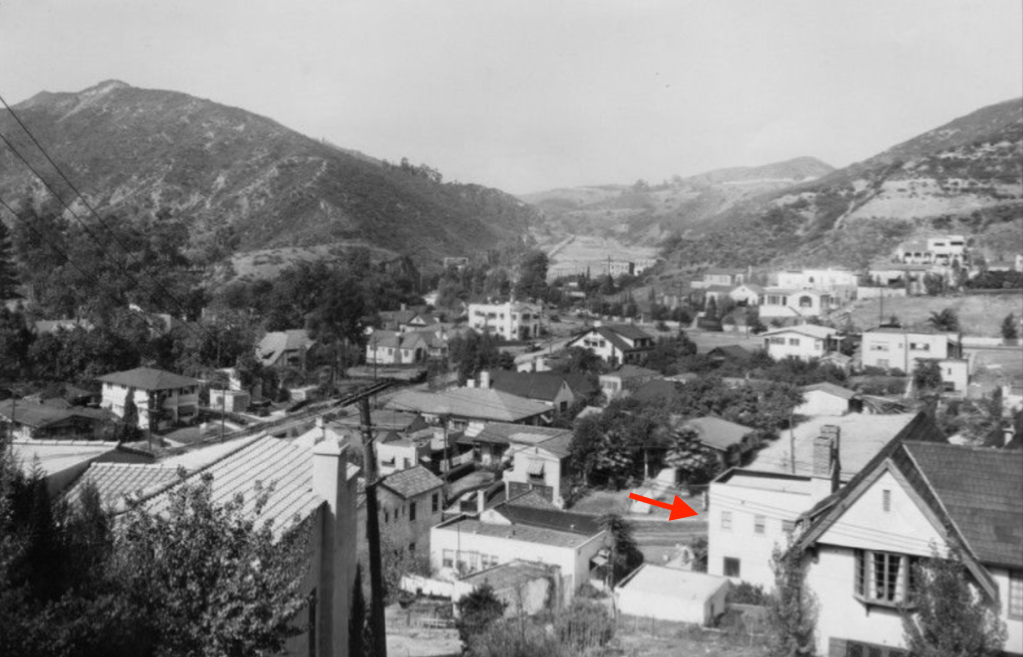
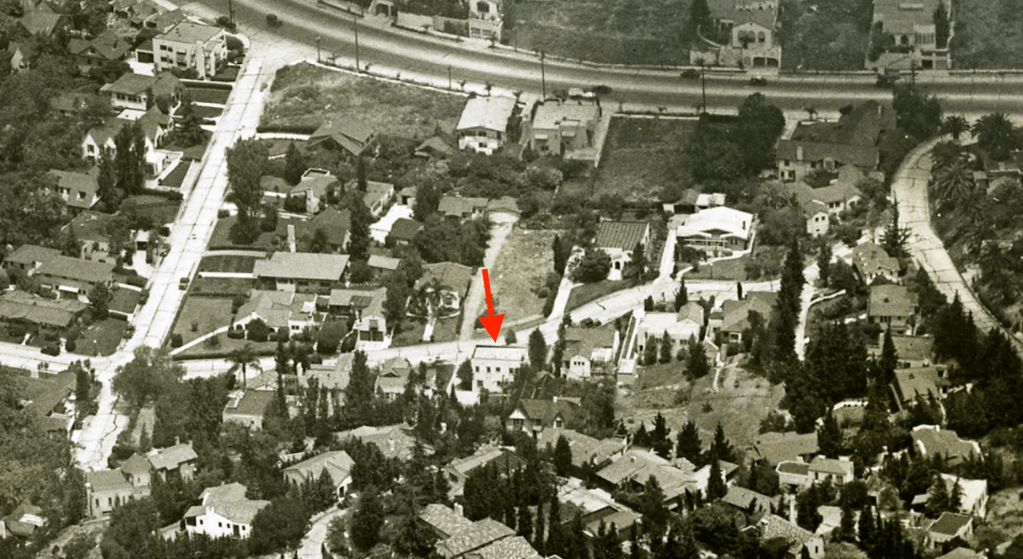
6626 Odin Street was located on the south side of Odin Street, four lots away from Fairfield Avenue. On September 12, 1923, Harry Thomas, with the assistance of two men, were placing chains on two rear tires of their delivery truck that was parked high up on the hill at the corner of Whitley Terrace and Odin Street. Due to the slippery street conditions, Thomas thought it would be a good idea to put the chains on the tires driving in such a hilly area. Upon raising of one of the rear tires, the truck began to roll down Odin Street. Thomas was able to reach into the truck and pull the emergency brake, but they failed to work. The truck careened down the steep incline from side to side from the top of Whitley Terrace. The truck crashed into a telephone poll that was in front of 6626 Odin Street. The telephone poll was smashed to splinters and tore away a portion of the porch located at 6626 Odin Street. Smith was able to get the porch repaired immediately with no harm done. A few weeks later, her daughter, Joyce, was surprised by several high school friends, and had a dancing party on their patio. (The red line below shows Odin Street between Highland Avenue on the left and Whitley Terrace on the right).
Smith would regularly rent out the apartment on the second floor and sometimes rented to people from the movie industry. The apartment was rented out to actress Mary Mayo, pictured below, in 1926. Mayo, born Mary Cook Manger, married physician Woodward Mayo in 1917 and they had one son. The family moved to Los Angeles in 1923 where she began acting and had been a Follies dancer at one time. Mayo had gotten a minor role on the film, “The Shooting of Dan McGrew”, starring Barbara LaMarr and Lew Cody. Mrs. Mayo was drawn to the movie industry and wrote to a friend, “The movie life is the life I have always wanted to live” and was often going to Hollywood parties leaving her husband and young son at home.
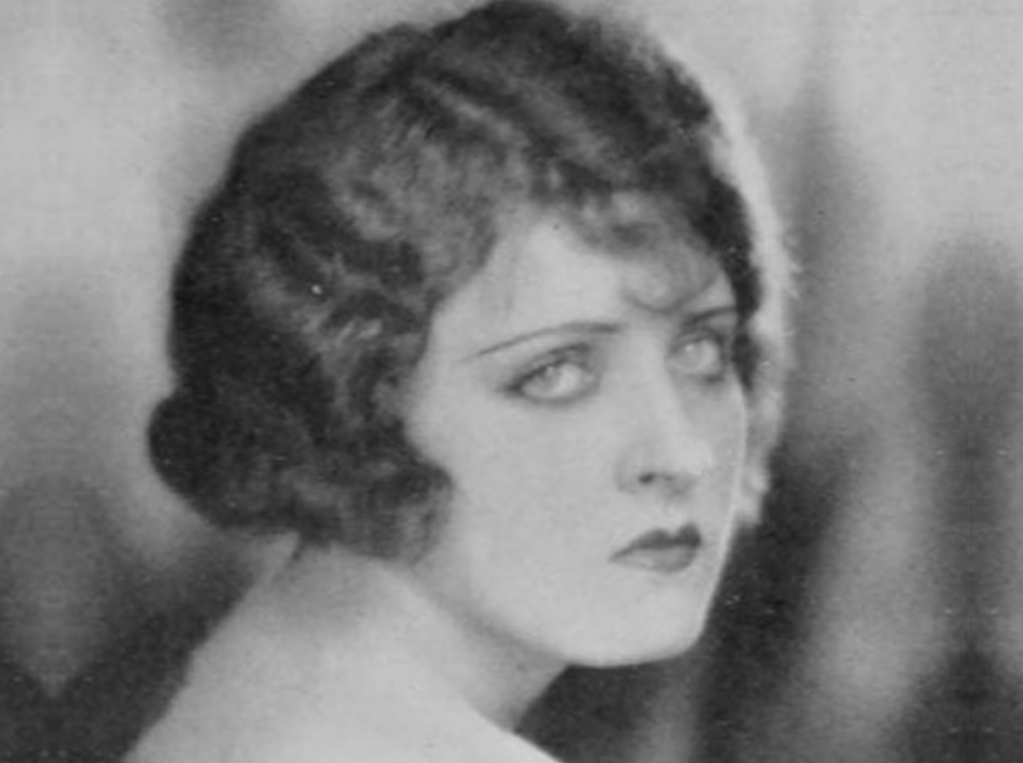
During the filming of the movie, Mary went to a party with LaMarr and Cody when rumors began circulating that she was having an affair with the young actor. Dr. Mayo became suspicious and began listening to her phone calls and intercepting letters she wrote to friends. He had had enough and filed for divorce in 1924, accusing Mary of love affairs with several other men dating back to 1920, most notably with actor Lew Cody, whom Dr. Mayo named as co-respondent. Both Mary and Cody (pictured below) denied the accusations so Mary filed a her own cross-complaint charging her husband with extreme cruelty (he beat and abused her, called her names and accused her of improper relations with other men and frequently came home drunk) and his own infatuations with other women (she claimed he was frequently at one woman’s house and gave her a diamond ring, and that this other woman frequently called him at their home). She insisted that her relationship with Cody was nothing more than a friendly acquaintance, as well as a correspondence with a Baltimore man, which she stated her husband knew and approved of, and argued that her husband hadn’t given her any money for a year, thus leading to her entry into the motion picture business to support herself and their six-year old son. Things got ugly in June 1924, when a disagreement over their son’s custody and schooling led to Mary physically attacking Dr. Mayo outside the courtroom before she fainted on the court lobby floor.
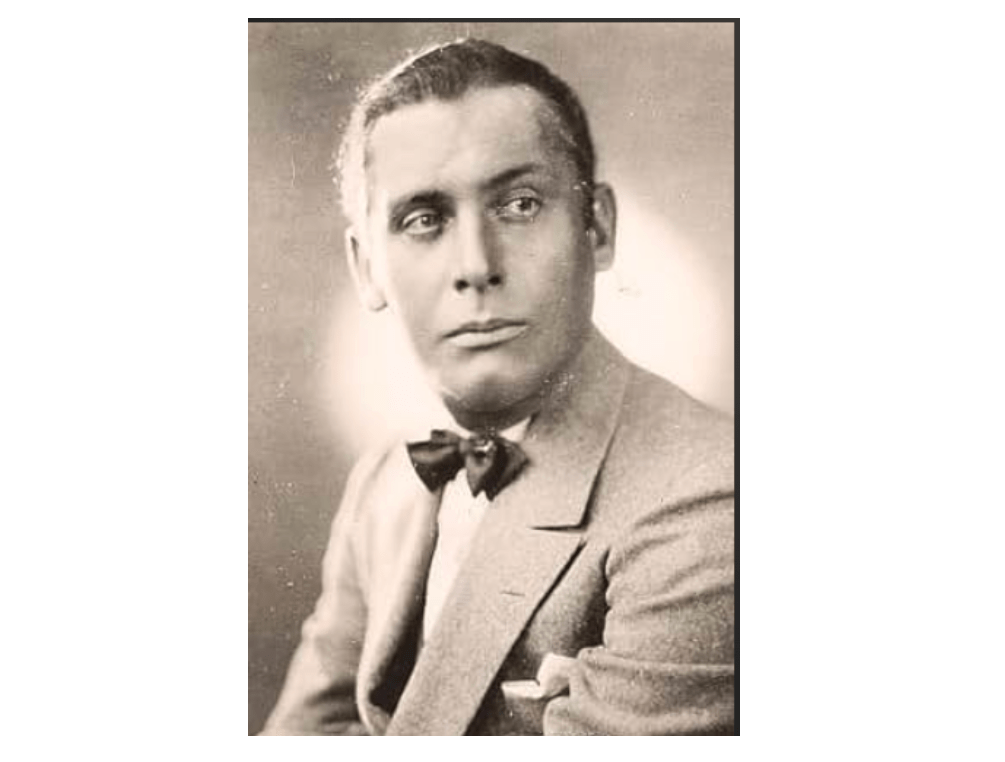
Three years later, in August 1927, the divorce was granted in Mary’s favor, on grounds of desertion and “alleged cruelties,” after Dr. Mayo withdrew his complaint and gave in to Mary’s demands. For the next several years, Mary had to drag the doctor back to court as he had been behind in his child support payments. The movie career never went further then a few minor roles. In 1933, Mary remarried a New York broker and moved to the east coast.
The apartment was also rented out to actor Reginald Simpson in 1927. Simpson (1896-1964), was a British stage actor and playwright who moved to Hollywood to appear in talking films. Between 1923 to 1959, Simpson was credited for 77 minor roles where he often played reporters, chauffeurs, clerks, policemen, and party guests. Some notable films included; The Picture of Dorian Gray (1945), The Postman Always Rings Twice (1946), A Star is Born (1954), High Society (1956), and Witness for the Prosecution (1957).
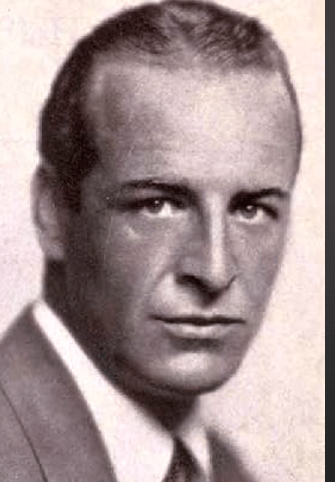
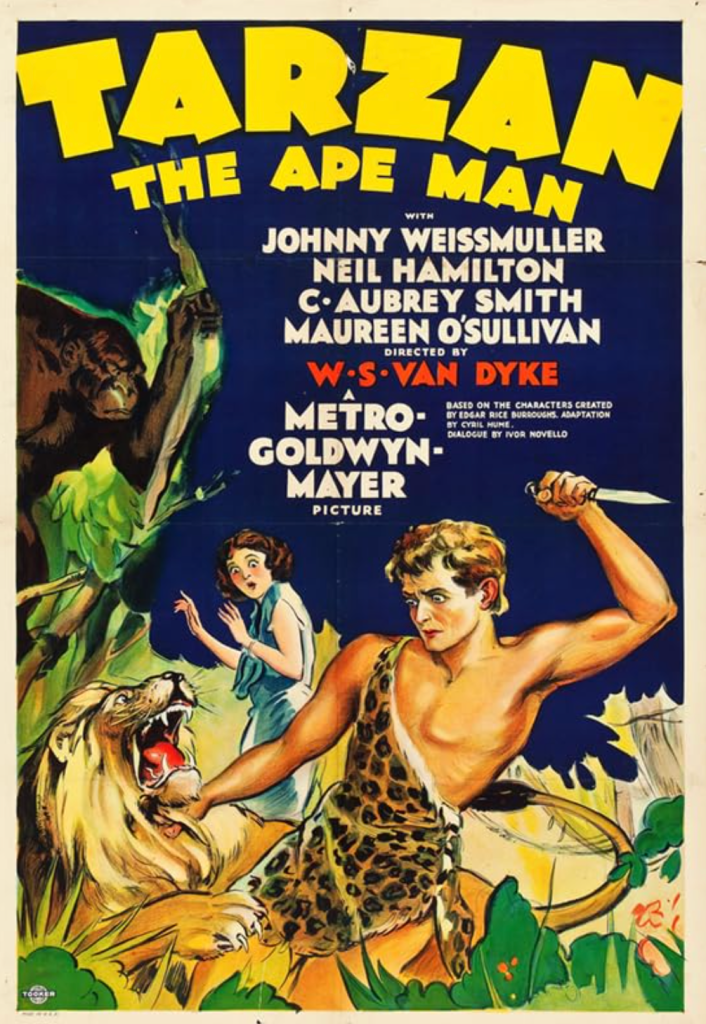
In 1933, cameraman Steve Bauder, rented 6626 Odin Street. Bauder, worked at MGM Studios, was credited as the second cameraman on “Tarzan the Apeman” starring Johnny Weissmuller and Maureen O’Sullivan in 1932.
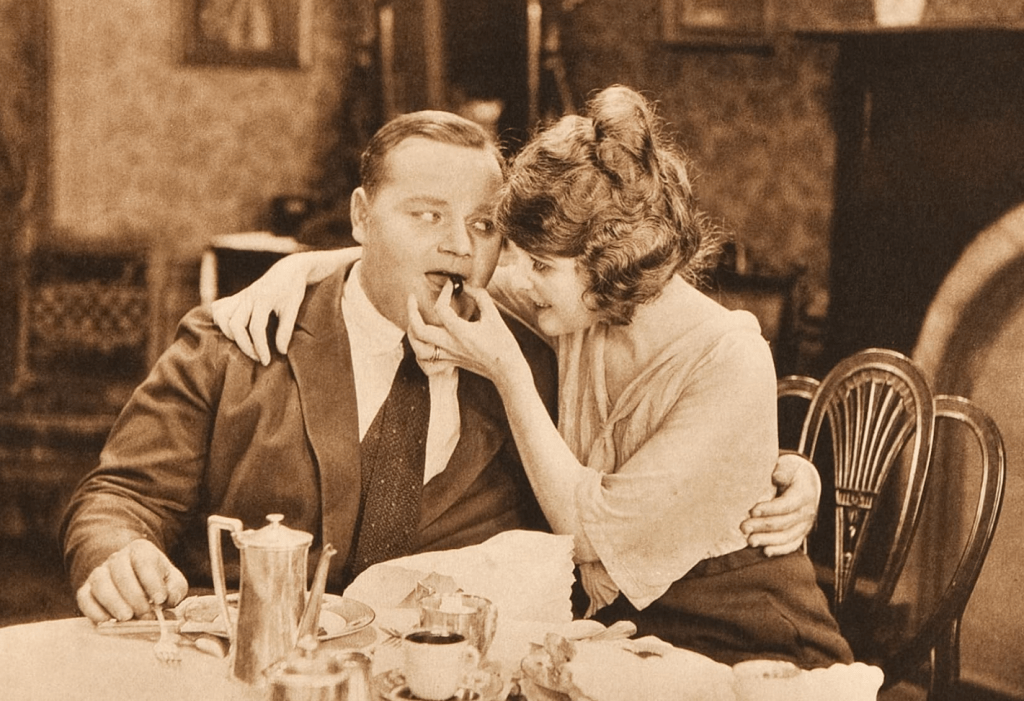
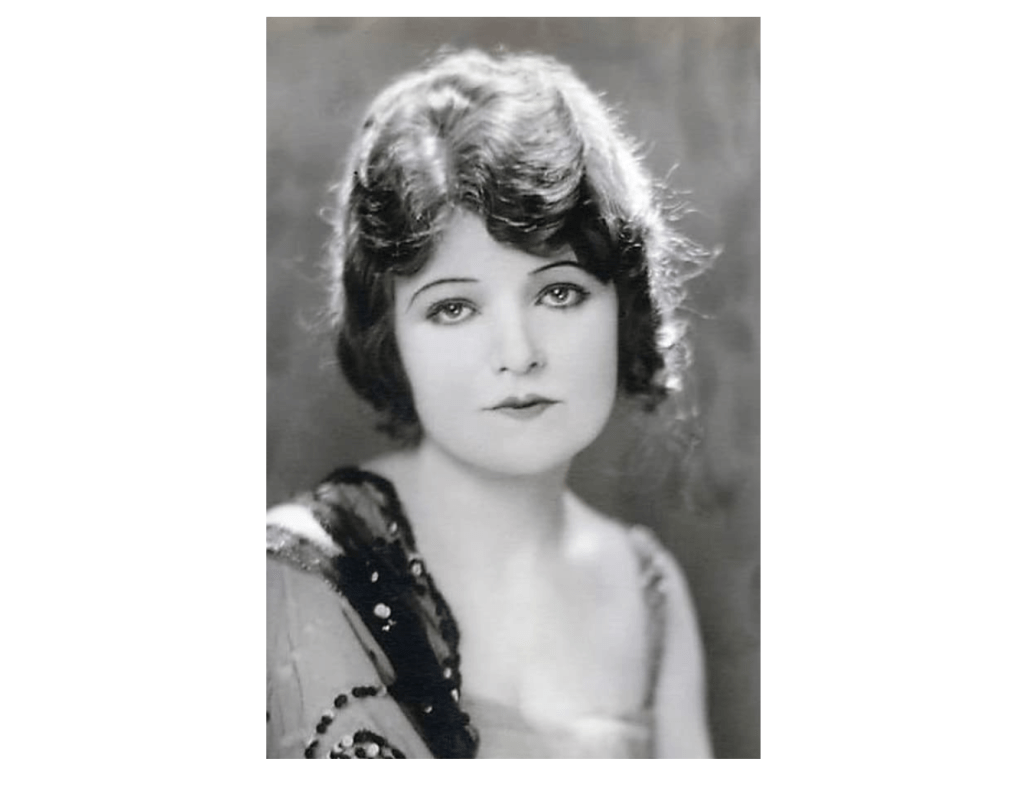
In 1935, actress Betty Ross Clarke rented 6626 Odin Street. Clarke started as a vaudeville dance and then went to Broadway in 1917, was credited for 35 films between 1920 to 1940. Betty found herself starring alongside Roscoe ‘Fatty’ Arbuckle in back-to-back comedies: Brewster’s Millions (1921) and Traveling Salesman (1921). After taking some time off and living in Europe, Clarke returned to Hollywood and returned to acting, mostly in minor roles. She appeared as the murder victim in “The Murders of Rue Morgue” in 1932. Most of her other 1930’s roles were merely uncredited bits, as ‘no-name’ nurses, secretaries or mothers.
In 1921, Clarke married Los Angeles banker, Arthur Collins, and they moved to London where she became a citizen and continued to act on stage and film. They returned to Hollywood in 1929 where Clarke continued to get minor roles. Collins, who was affected by the Stock Market Crash of 1929, began producing plays, directing films, and acting as a dialog director. Unfortunately, their marriage did not last before Clarke became a US citizen in 1934.
As for Antoinette Smith, her daughter Joyce died of an undisclosed death in 1929 at the age of 20. Smith continued to be active in the church, other community activities, and teaching piano lessons before selling 6626 Odin Street in the late 1930s and moving to Pasadena. 6626 Odin Street was up for the chopping block with the construction of the Hollywood Freeway in the early 1950s. Fortunately, the house was bought and relocated to 1827 E. 108th Street in the Watts area of Los Angeles where it first operated as a church. Having survived a fire that burned 25% of the building in 1988, the house was repaired as has primarily remained the same as it was when it was located in Whitley Heights. Below are current photos of the front and rear of the home.
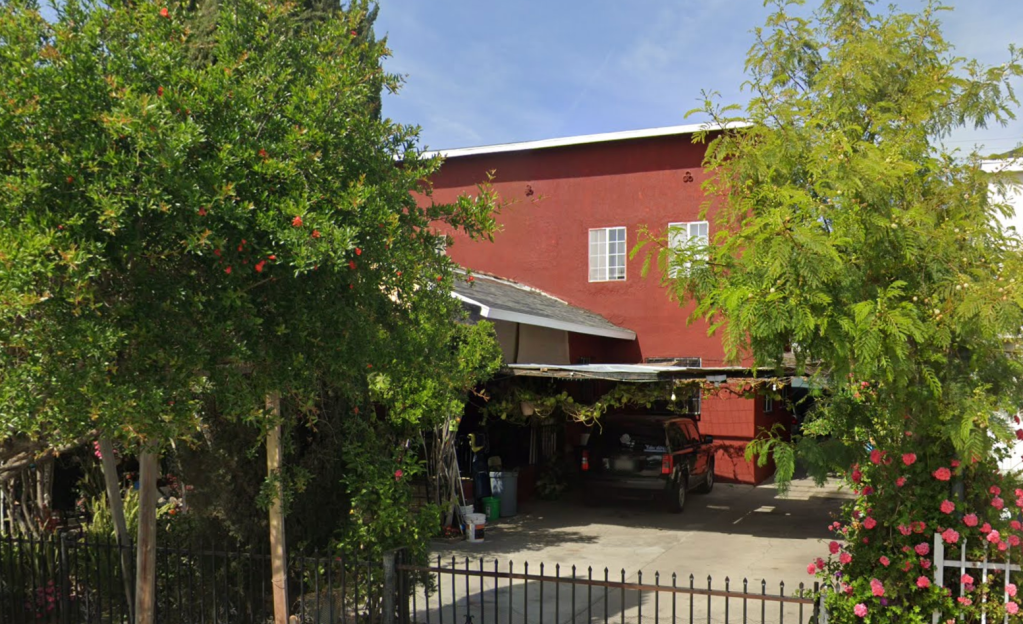
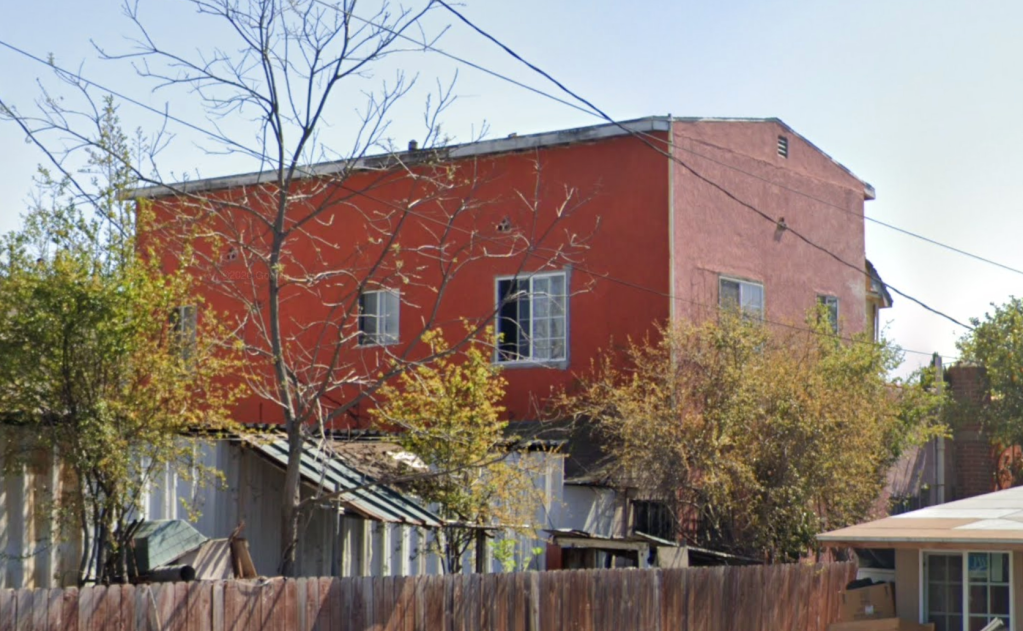
Although this house is no longer part of the Whitley Heights community, it is another home that was able to be relocated and was saved from demolition due to the 101 Freeway in the 1950s. Another Whitley Heights historic home that has been located in another part of Los Angeles. Not only was this house saved from being torn down, it survived a fire, and is surviving the streets of Watts!
 Whitley Heights 101
Leave a comment