2000 Grace Avenue
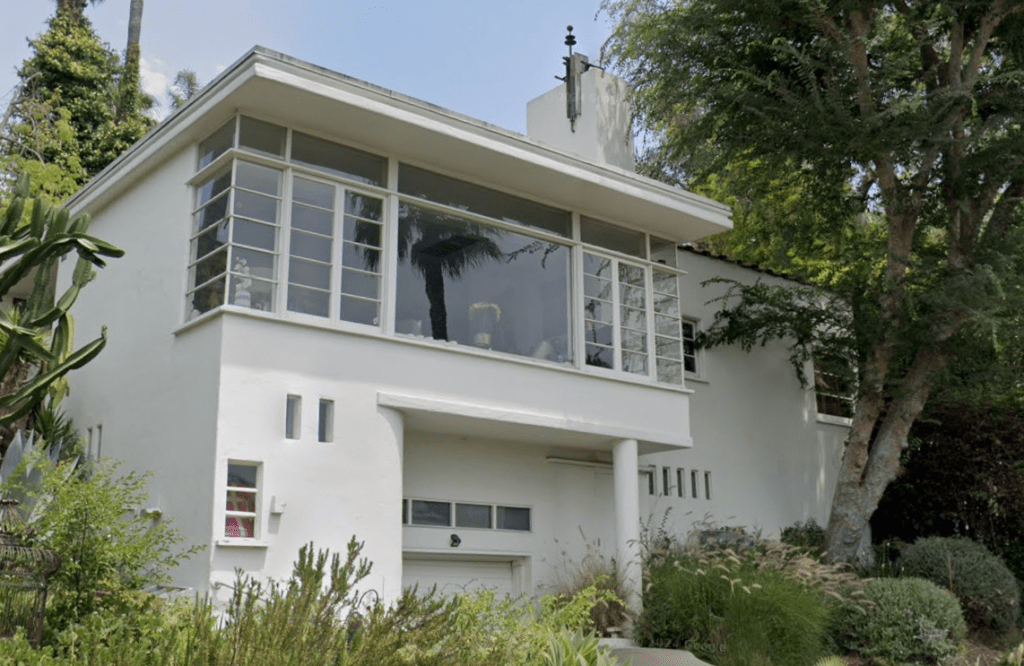
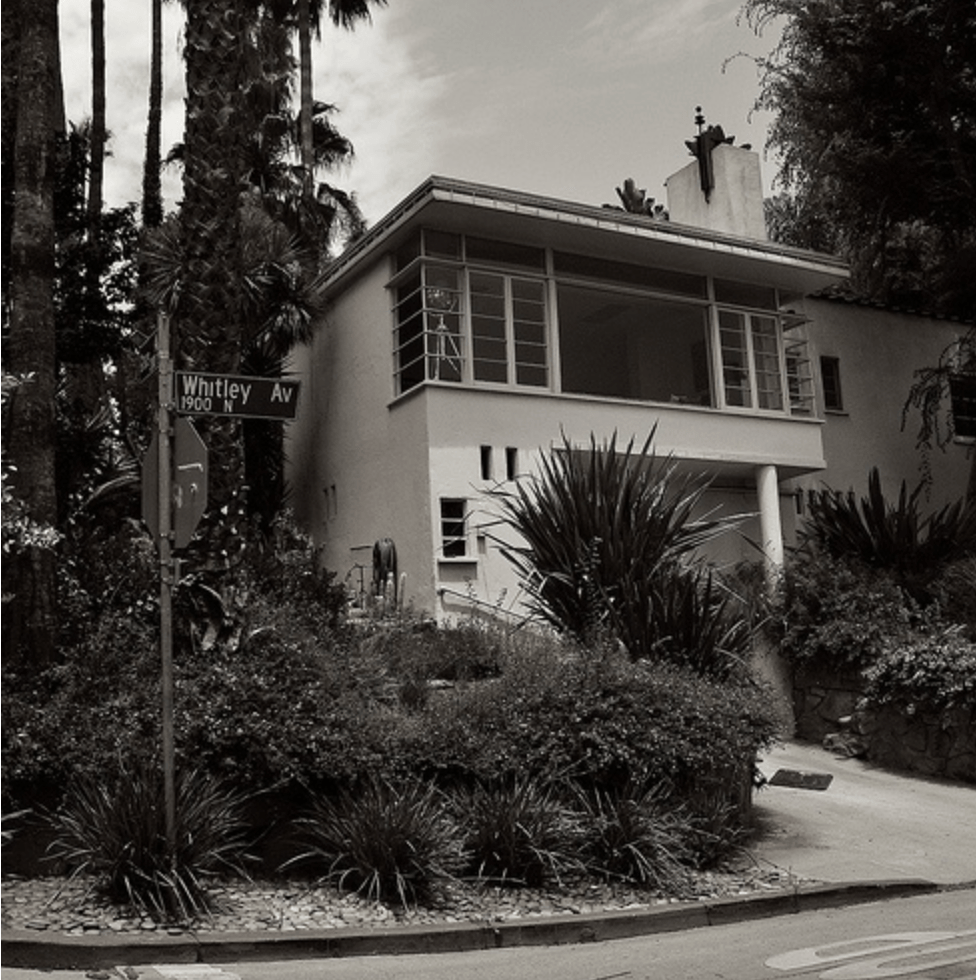
2000 Grace Avenue, built in 1930, was originally listed as 2001 Whitley Avenue until the late 1940s when it was changed to the Grace Avenue address. Known as the “Lingenbrink House”, as mentioned in “Architecture in Los Angeles : a complete guide”
by David Gebhard and Robert Winter, the house was built for real estate mogul William Lingenbrink by architect Jock Peters. This 1,743 square foot Streamline Modern house has two bedrooms and 2 bathrooms, and sits on a 4,119 square foot lot on the northeast corner of Whitley and Grace Avenues. 2000 Grace Avenue was one of 21 homes which were built in Whitley Heights during the 1930s as the majority of houses built on the hill were during the 1920s. Below, the front entrance is visible on Grace Avenue.
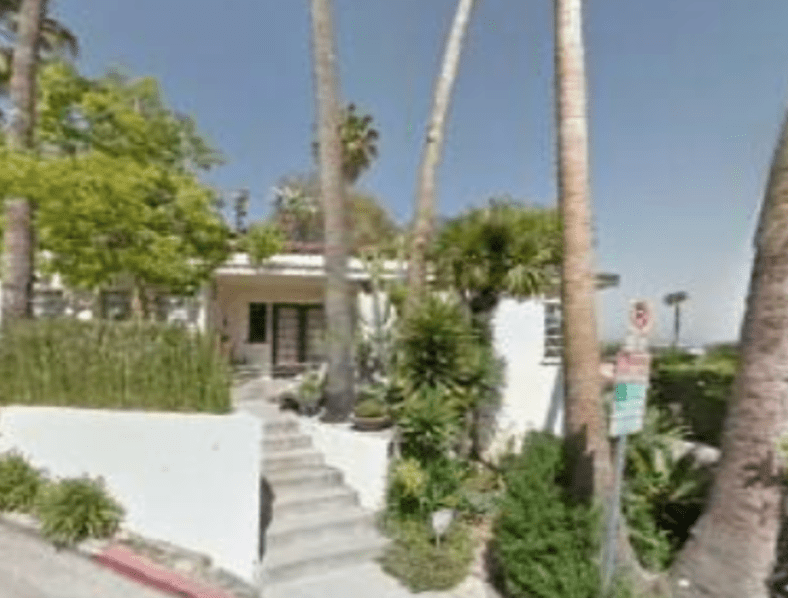
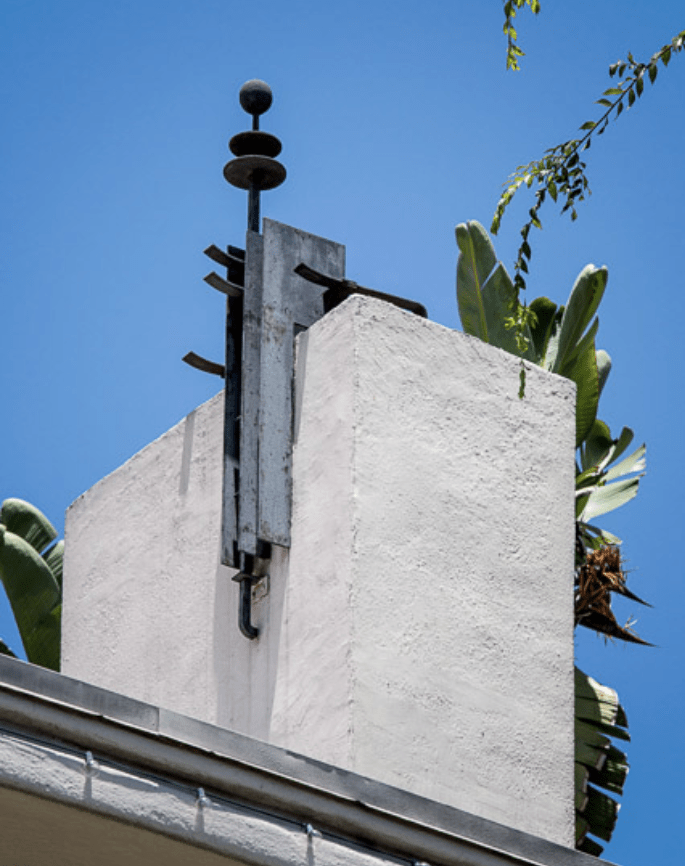
This modern residence consists of two stories that sits on an upslope with a French tile roof, modern French doors and windows, and an unique iron chimney structure. According to the Whitley Heights “this house is reputedly from the Schindler Studio, and for its strong architectural value as Peters used both modern and international style in building this house.” According to the Southern California Architectural History website, “A few years after Kam Weber completed his enclave and had Jock Peters assist him at Barker Brothers in 1927, Peters designed a house for his and Schindler’s joint Park Moderne client William Lingenbrink at 2000 Grace Avenue around the corner and a block away from Weber’s three houses. Lingenbrink was a developer with a fascination for modern architecture evidenced by two books he published in 1930.”
https://socalarchhistory.blogspot.com/2015/02/kem-webers-whitley-heights-enclave.html
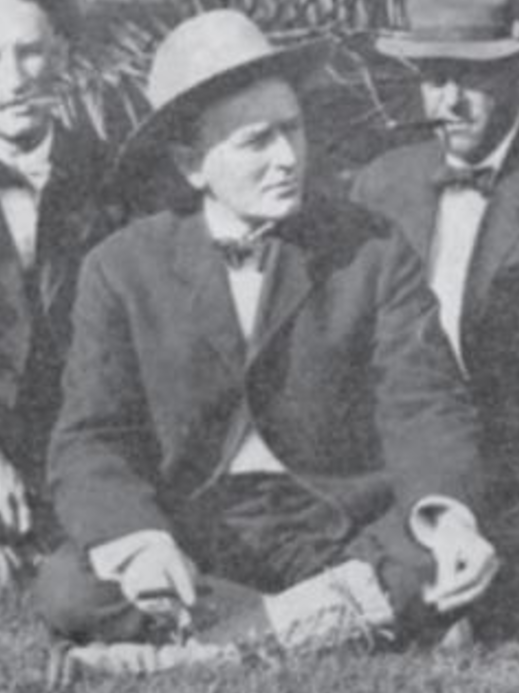
William Lingenbrink was born in 1870 in Viersen, Germany and arrived in New York in either 1882 or 1883 and then moved to St. Louis, Missouri before he became mayor of Mercedes, Texas in 1909, as shown below in Mercedes. In October, Lingenbrink became engaged to Frances Streeter, the niece of Mayor Kreisman of St. Louis; Lingenbrink happened to be the brother of the mayor’s wife. The following year, Lingenbrink opened a real estate office in St. Louis. William and Frances were married in June of 1910.
The Lingenbrinks moved to California by 1923 where William and his business partner purchased land north in Oxnard and called it “Hollywood Beach” where they made money selling off tiny plots of beachfront property. The following year, Lingenbrink purchased 85 acres of land with another business partner and called the area “Silver Strand Beach”. At the time, the Lingenbrinks resided in a duplex located at 1331 N. Wilton Place in Los Angeles and by 1929, William became a US Citizen. He then hired German architect Jock Peters & his associate, W.F. Ruck to build his Whitley Heights house which was completed in 1930. Peters claim to fame was designing the interiors of Bullock’s Wilshire.
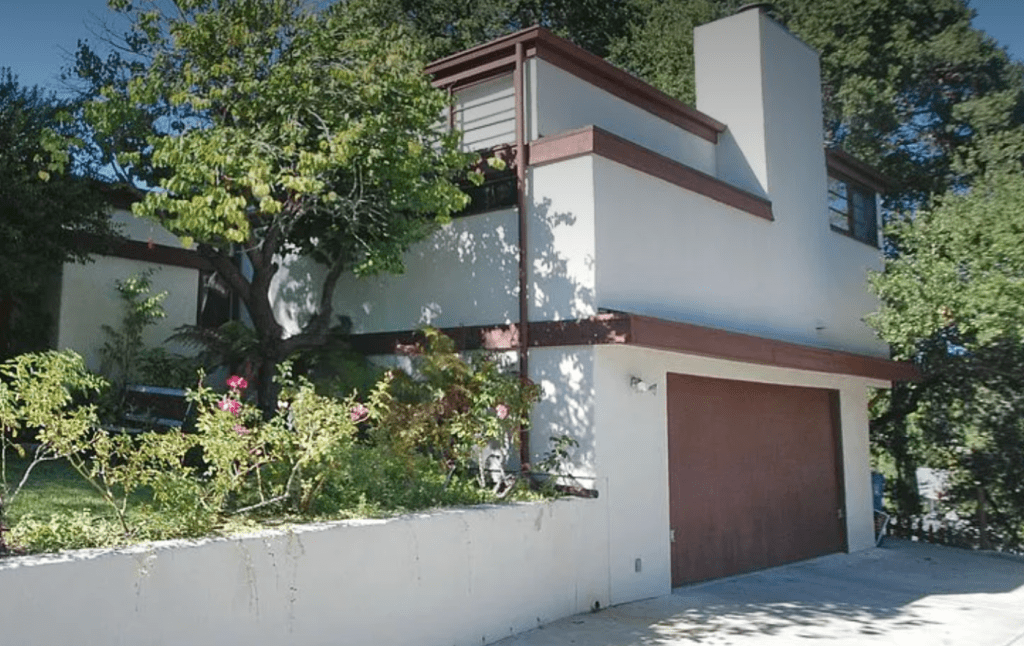
Around the same time, Lingenbrink purchased land in Calabasas with the intent to build an artist’s colony and called the area “Park Moderne”. He hired architects Rudolph Schindler and Jock Peters to help build “cabins” in the area just off of Old Topanga Canyon Road where the “bird streets” are located (Blue Bird, Hummingbird, Meadowlark, Black Bird). Established in 1931, Park Modern had a total of 174 small lots which sold for $525 each. Many owners built their own cabins that had no electricity or running water. However, the area did not grow as expected due to the depression and by the 1960s, many of the cabins were replaced by electric homes. The William Lingenbrink Cabin, 3978 Black Bird Way, remains today (see below).
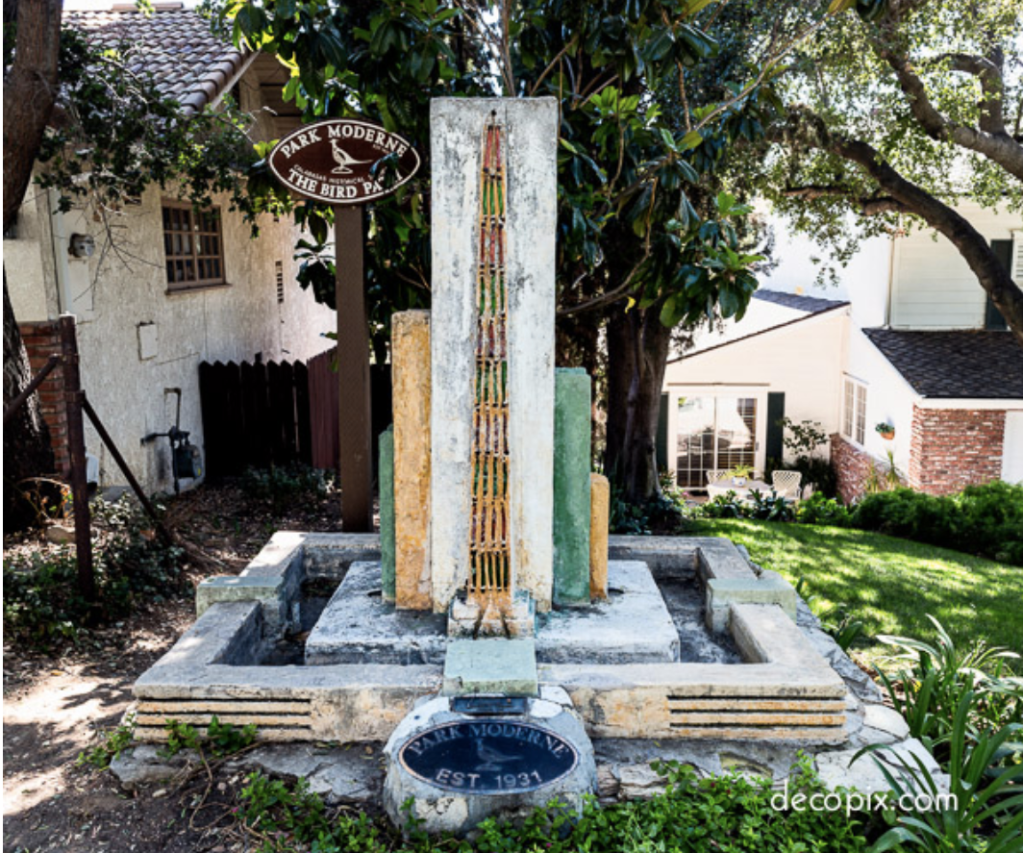
There are a few structures left from the Park Moderne days. The statue fountain that Jock Peters designed in 1930 is located on the corner of Black Bird Way and Hummingbird Way as featured on Decopix.com, the Art Deco Architecture website. https://www.decopix.com/fountain-park-moderne/
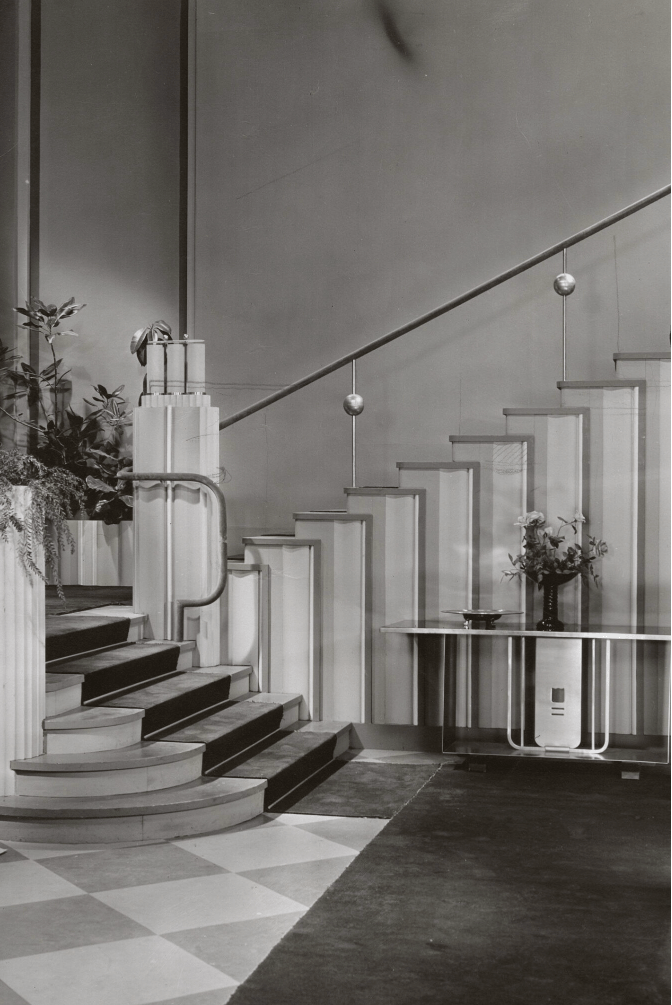
Jock Peters, the architect of 2000 Grace Avenue was also a German immigrant who traveled to Hollywood circa 1922-23 at the age of 33, where his brother, George, was waiting for him. Peters, who was of ill health and did not speak English, left his wife and five children back in Germany. His background in architecture and design landed him a job as art director at Famous Players Lasky from 1924 to 1927 and then came back in the 1930s for Paramount Studios. Peters contributed, although was not credited, on the following films: “Road to Reno” (1931) starring Lilyan Tashman and Charles ‘Buddy’ Rogers and “This is the Night” (1932) starring Roland Young, Thelma Todd, and Cary Grant. Below, the set design for “One Your With You” (1932) starring Maurice Chevalier and Jeanette MacDonald.
In 1927, Jock opened up a furniture store with his brother called “Peters Brothers American Modern Design” and was able to solicit work with Rudolph Schindler and Richard Neutra. He also designed several homes before his death in 1934 including cinematographer Alfred Gilks’ home in Los Feliz (below); Gilks won an Academy Award for “An American in Paris”.
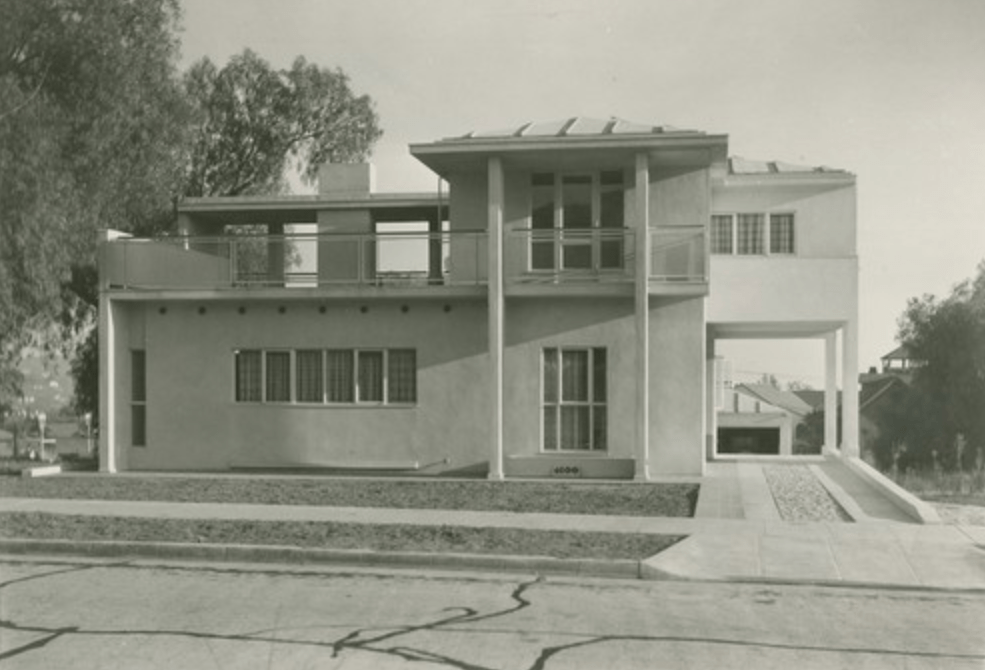
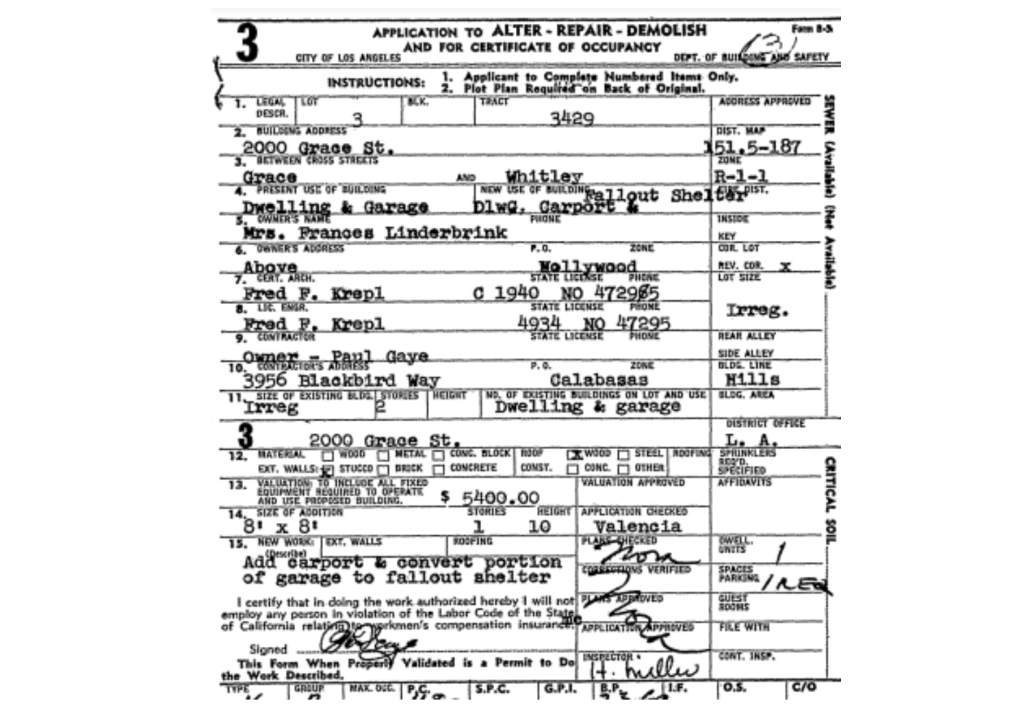
William Lingerbrink died in 1949 while his wife remained in the Whitley Heights house. In 1961 Francis Lingenbrink was issued a building permit with friend, artist Paul Gaye, who was residing in Park Moderne in Calabasas; he assisted her in adding a carport and converting a 8′ x 8′ portion of the garage into a fallout shelter. 1961 was a year of significant events, including; American protests of nuclear weapons, the Bay of Pigs invasion and the construction of the Berlin Wall.
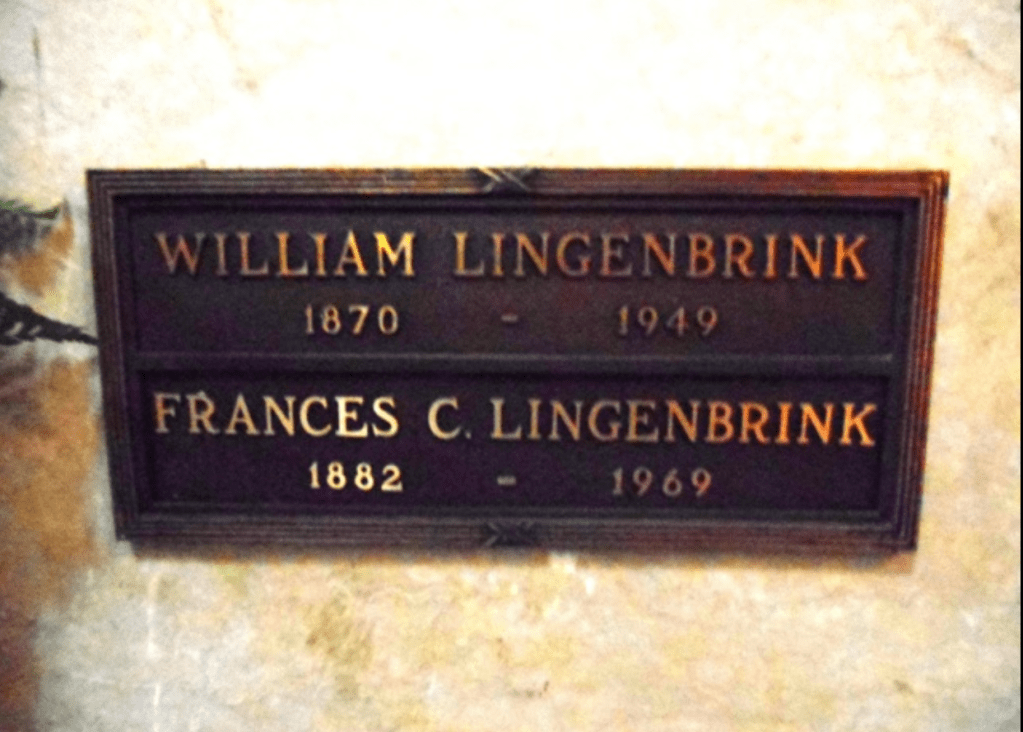
86 year old Frances Linderbrink died in 1969; C. Henry Taylor, William’s friend and business partner, was the conservator of Frances’ estate. A notice of sale was put in the August 4, 1969 edition of the Los Angeles Evening Citizen News offering bids to buy the home a few months prior to her death. Frances was buried at Forest Lawn Memorial Park next to her husband.
 Whitley Heights 101
Leave a comment