2040-2046 North Highland Avenue
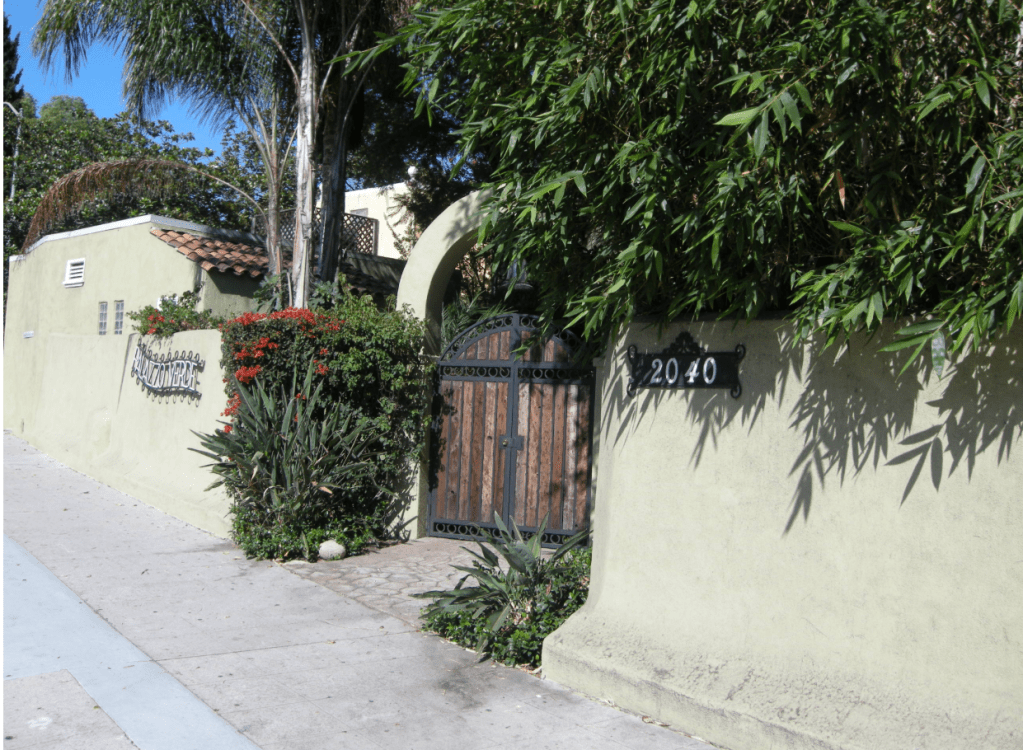
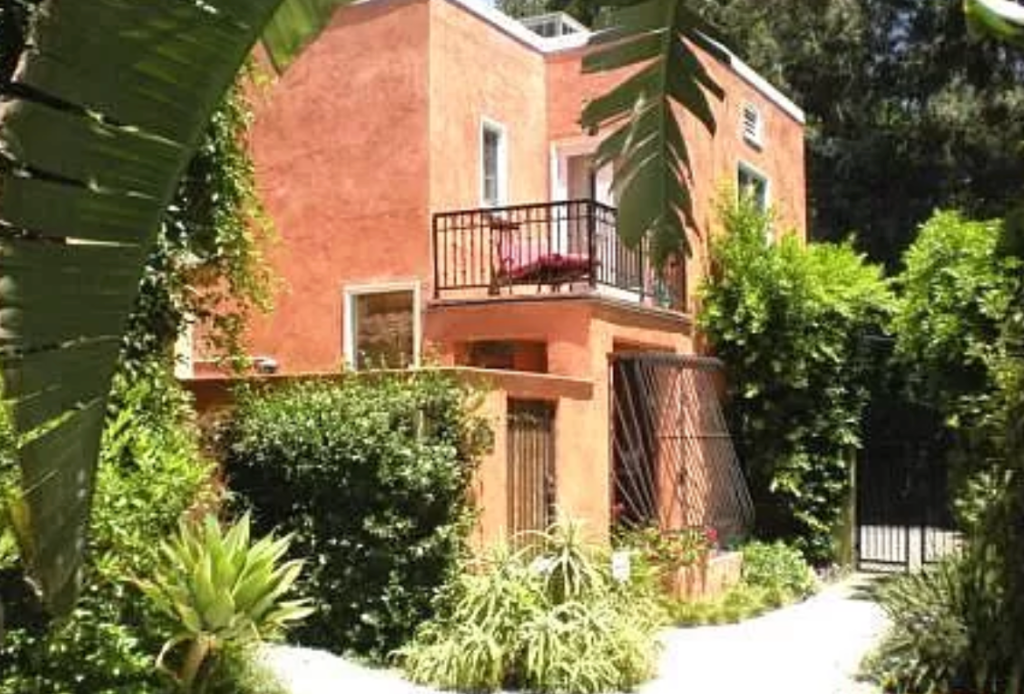
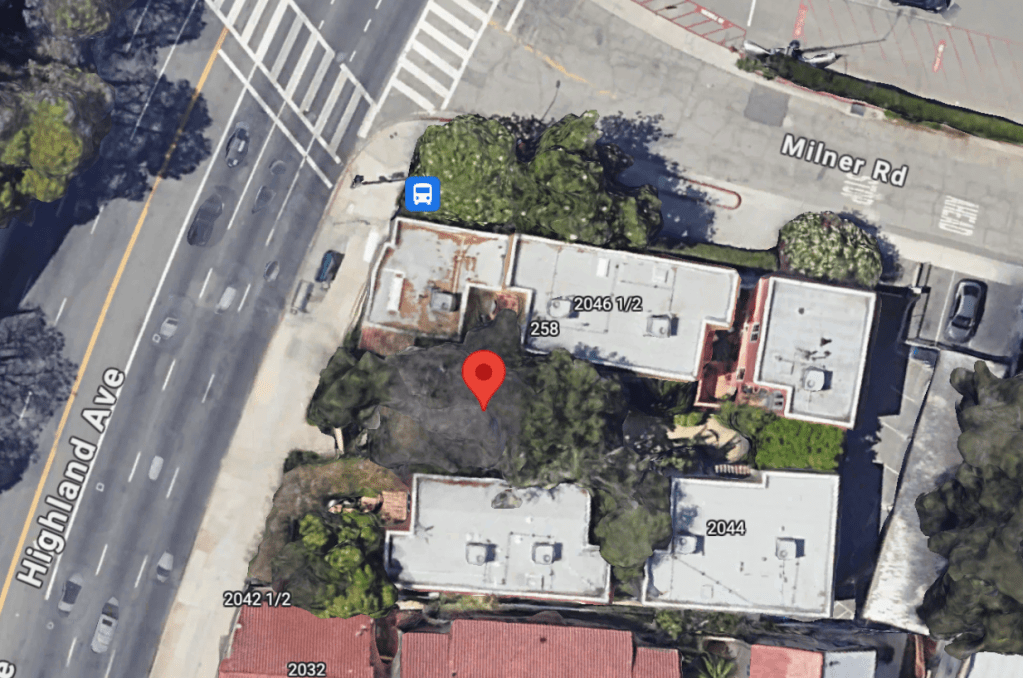
The 2-story, 4 building duplexes which sit behind this gate on the corner of Highland Avenue and Milner Road were built in 1920 by a commercial photographer named Carlton O. Valentine. John R. Putnam and Carlton Valentine documented the growth and development of Southern California over a fifty year period with John R. Putnam primarily handling the photography and Valentine the business end of the company. Valentine hired architect Frank Rasche to build this courtyard complex, a leading home and commercial builder in Los Angeles during the 1920s and 1930s.
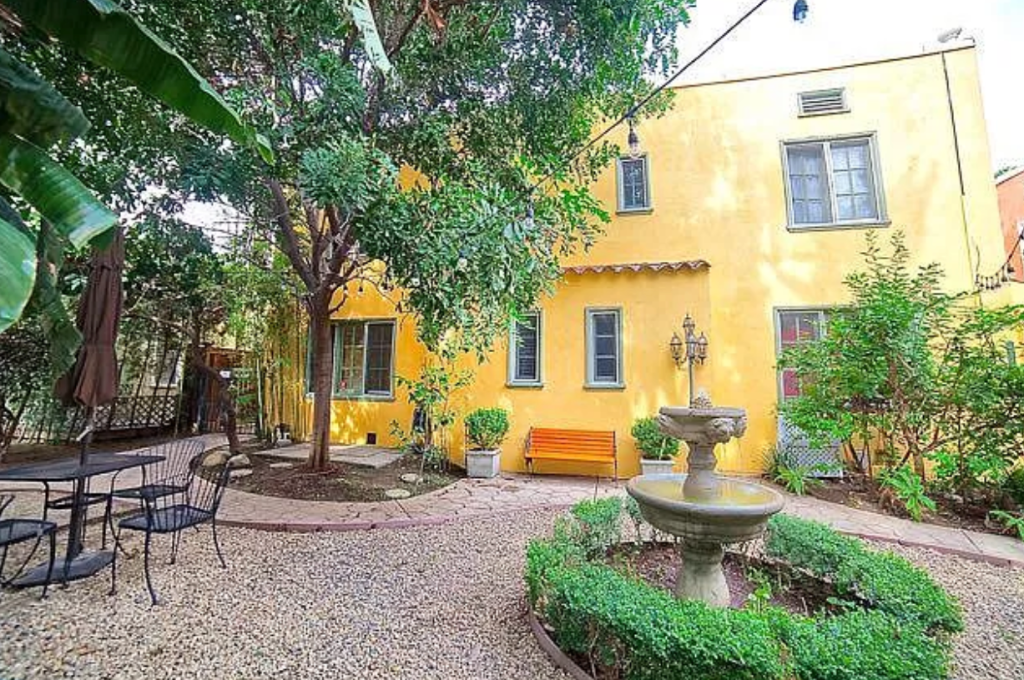
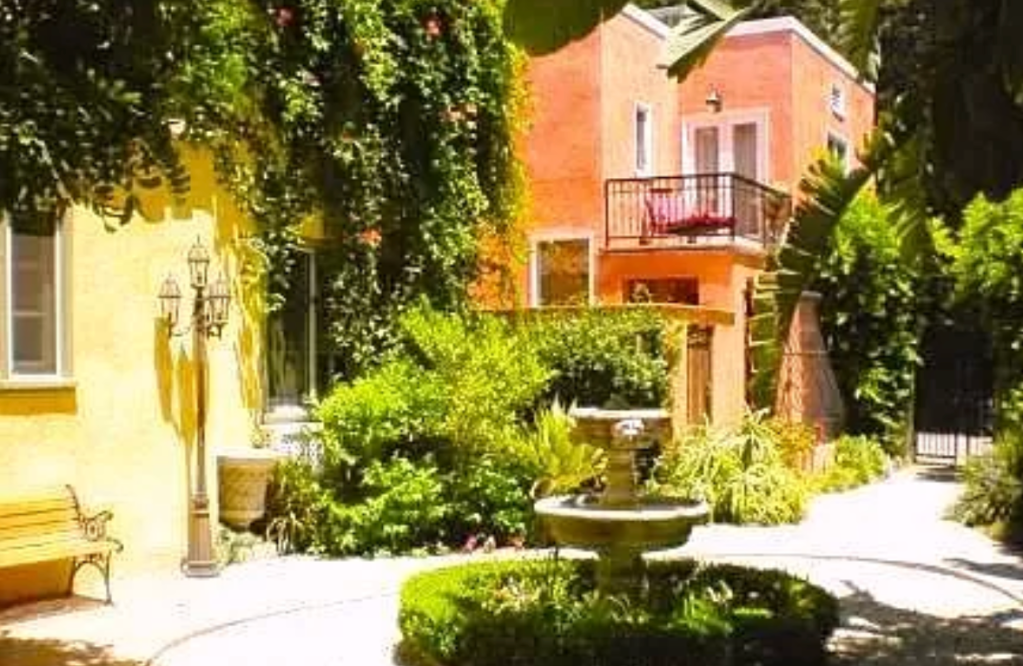
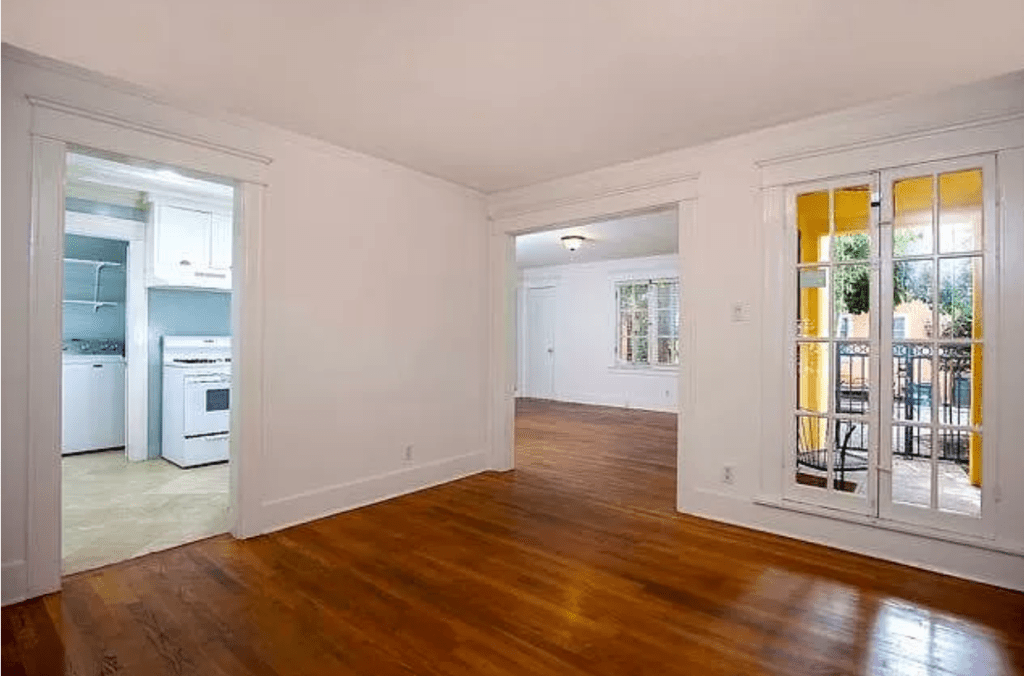
These 2-story duplexes are of Spanish Colonial Revival style with each of the 8 units having 2 bedrooms and 1.5 bathrooms. Valentine, who resided in one of the units during the early 1920s, named the complex “The Sycamore Apartments” until it was sold in 1938. The courtyard was also referred as “The Sycamores” and “Sycamores Court” during that time period. The complex is currently named “Palazzo Verde” (meaning Green Palace) and according to its website, “Built in the 1920’s by a famous movie studio for their contract actors”, which was not exactly true as Valentine was the owner for many years. However, there were several actors that resided in this residential community worth mentioning.
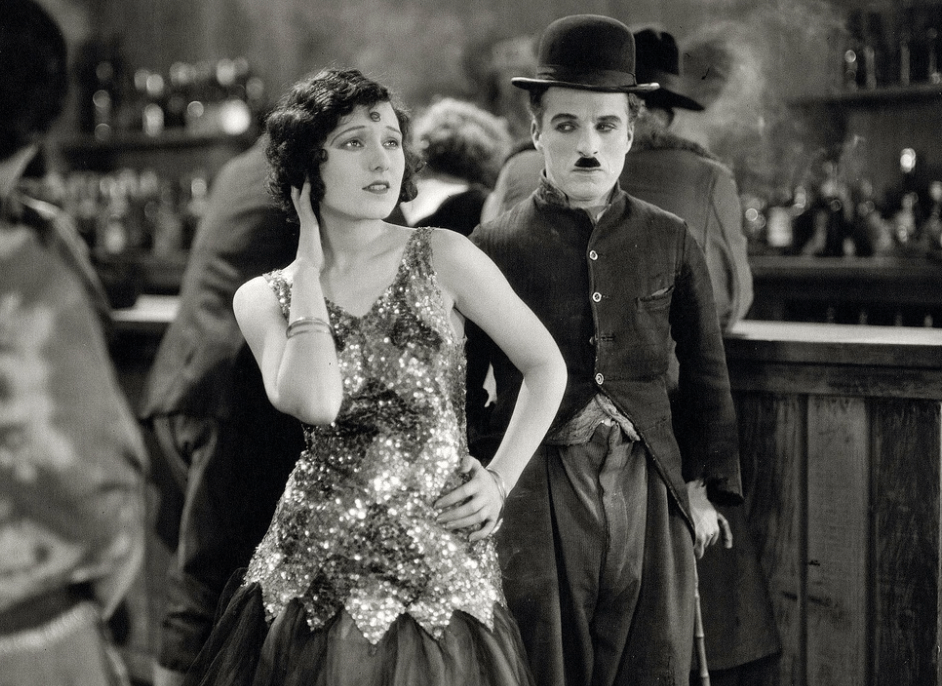
Actress Georgia Theodora Hale (1900-1985) lived in the 2040 N. Highland Avenue building when she first moved to Hollywood in 1924. Hale was named Miss Chicago in 1922 and a year later was in New York working at Fox Studios. Her debut was in “No More Women” which aired in 1924. When she moved to Hollywood, she became friends with Charlie Chaplin’s teenage bride, Lita Grey, and was handed the lead role of The Gold Rush (1925) when Lita, originally cast in the role, became pregnant and had to drop out. The role won her instant star status at the age of eighteen.
The following year, Paramount picked her up to co-star with William Collier in “The Rainmaker” and then played Myrtle Wilson in the first version of “The Great Gatsby”; William Powell played her husband, George Wilson. Hale starred in a dozen more films during the 1920s, but could never capture that star status with big lead roles. Perhaps those rumors that she had been romantic with Charlie Chaplin while he was married did not help her career.
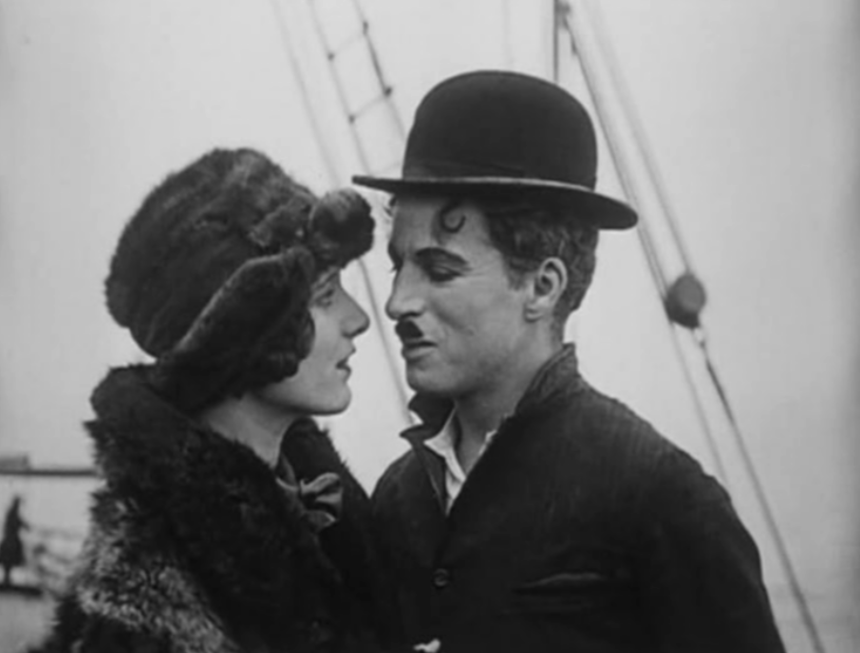
Although her film career was over, Charles Chaplin hired Georgia briefly late into the lengthy shooting of City Lights (1931) to replace Virginia Cherrill who got fired because she asked to leave early one day of shooting to go to a hair appointment. However, Chaplin soon realized that using Hale would require the studio to reshoot most of the scenes. Cherrill was asked to come back double her salary to finish the film.
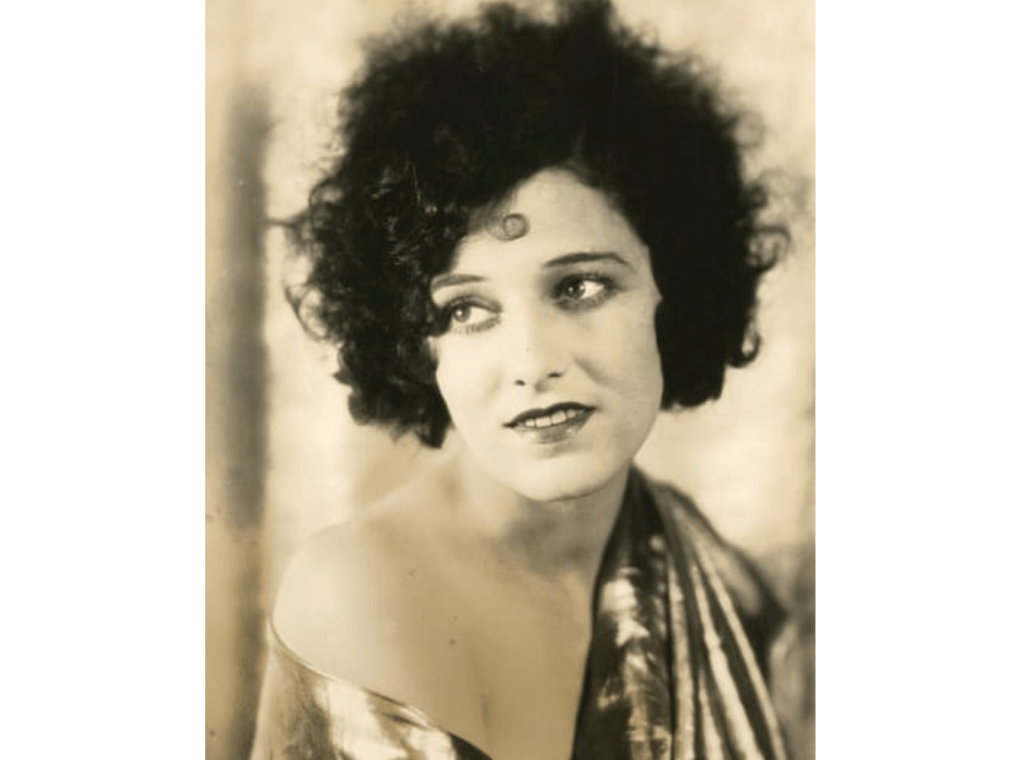
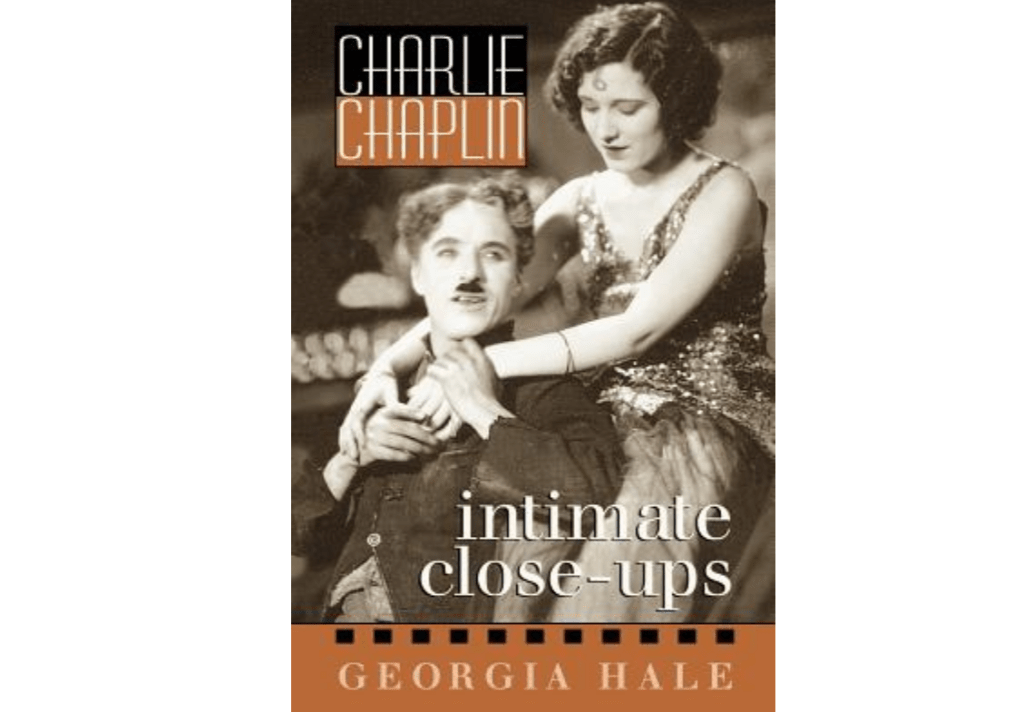
Hale’s acting career was over and decided to turn to writing. In the 1950s, she wrote an unpublished novelette titled “The Edge of Life”, which was deemed unsuitable by the publishers. During the 1960s Hale decided to write a tell-all book about her relationship with Charlie Chaplin. “Charlie Chaplin: Intimate Close-Ups” details Hale’s love-hate relationship with Chaplin when she was first infatuated with him as a teenager to being hired for both “The Gold Rush” and “City Lights”.
According to the December 20, 1922 edition of the Los Angeles Times, actress Wanda Hawley (1895-1963) moved to the Sycamore Apartments in Hollywood after her husband filed for divorce. She did not stay long as she left for Europe to film. Discovered by Fox Film Corporation while singing at New York Conservatory in 1917, she first called herself “Wanda Petit” due to her small size. It was rumored that she was having an affair with Cecil DeMille who got her to change her name to Wanda Hawley.
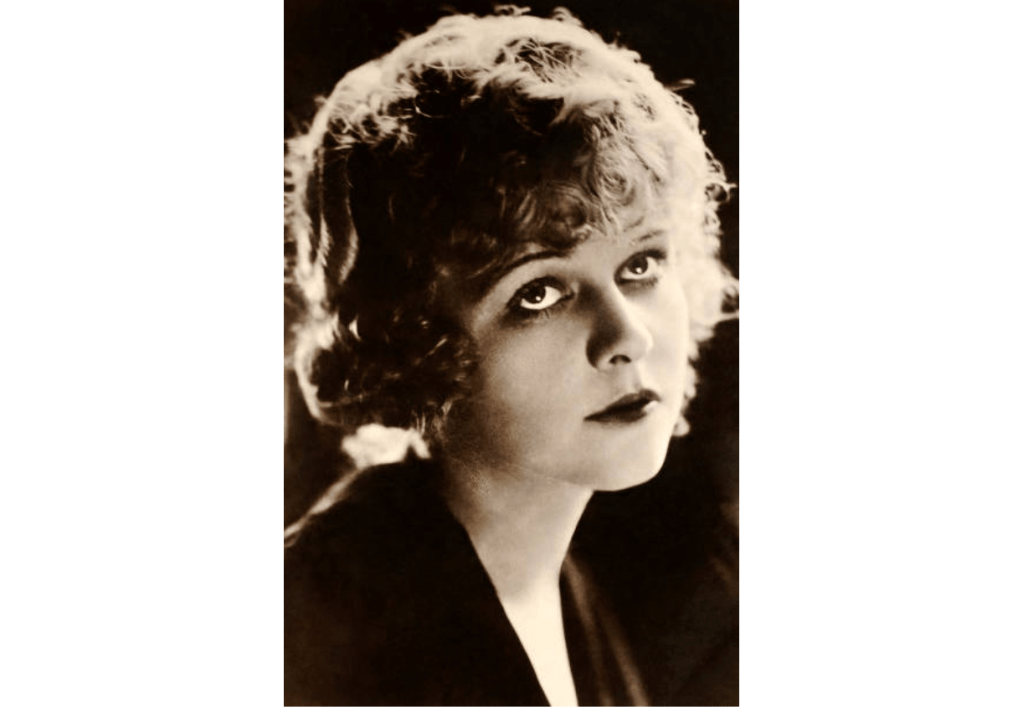
In 1922 Hawley played opposite Rudolph Valentino in “The Young Rajah”; perhaps her most notable role. However, her promising career sizzled by 1931 after alcoholism got the best of her.
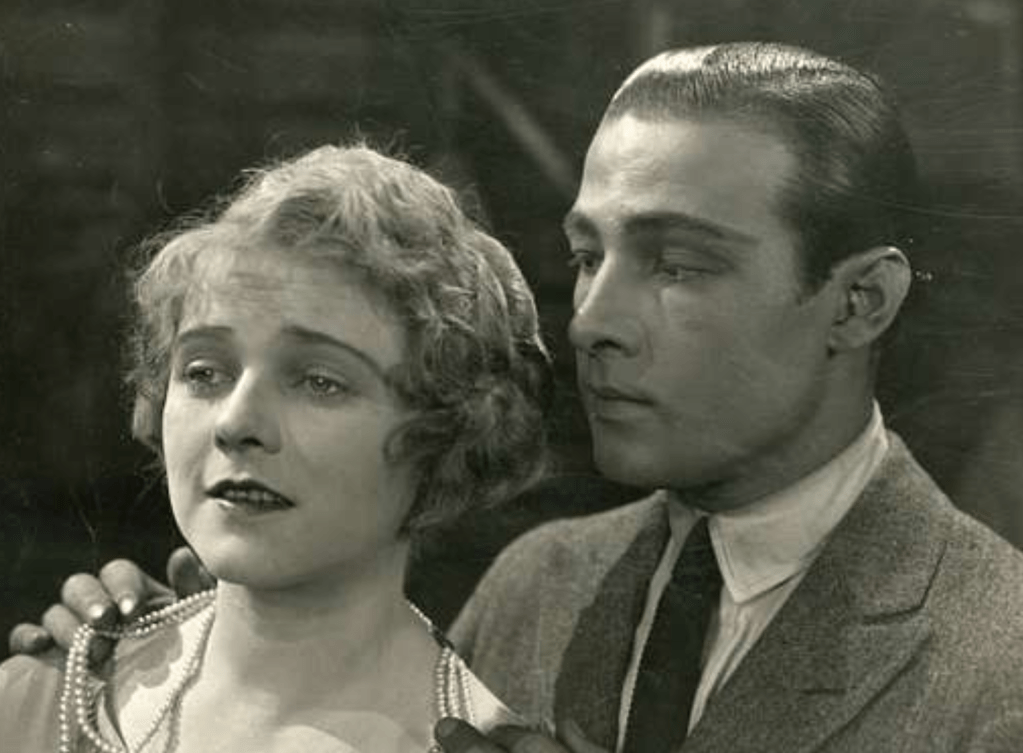
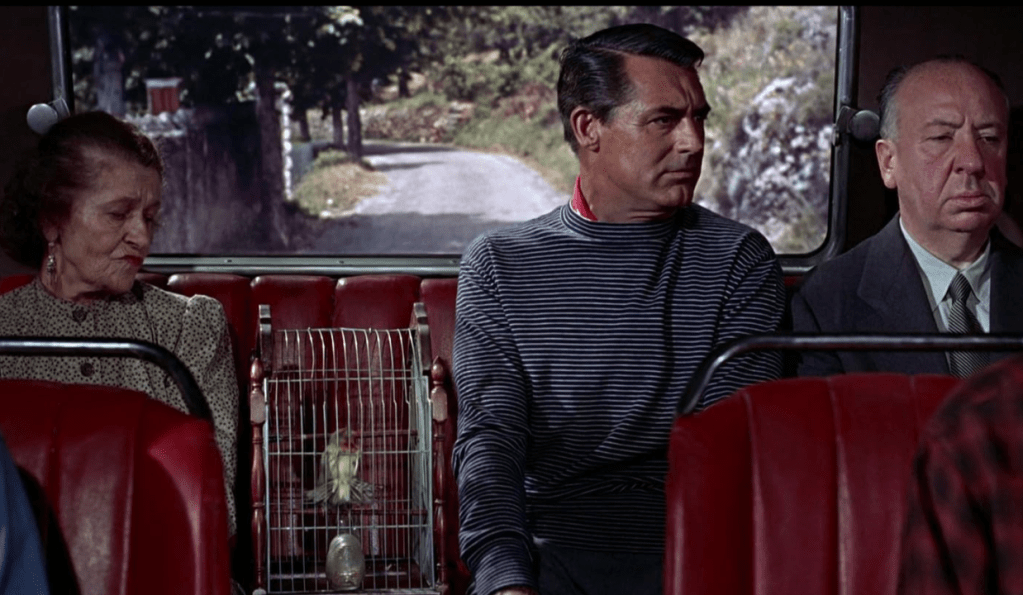
French actress Adele St. Maur resided at 2042 North Highland Avenue in 1931 when she first moved to Hollywood. St. Maur lived in New York and starred in several Broadway productions during the 1920s. Her daughter, Elaine, was a movie extra, but made her money as a sculptor’s and artist’s model, she had her hands insured for $150,000. Between 1933 to 1958, Adele was a character actress in 19 films. Perhaps, her most notable role was as “woman with birdcage on bus” in Alfred Hitchcock’s “To Catch a Thief” in 1955. The scene was even more notable since Alfred Hitchcock was the bus driver in the scene.
German born character actor Edward Reinach (1874-1936) lived at 2042 North Highland Avenue in 1926. Reinach was credited with 17 roles between 1920 to 1936 including; hotel guest in “Grand Hotel” (1932), racetrack spectator in Greta Garbo’s “Anna Karenina” (1935), and a scientist in “The Invisible Ray” starring Boris Karloff and Bela Lugosi.
In 1944, actor turned writer Jack Santoro (1898-1980) resided at 2044 North Highland Avenue. Santoro was credited for 27 minor roles between 1927 and 1962. In 1935, Santoro appeared in John Ford’s “The Whole Town’s Talking” starring Edward Robinson and Jean Arthur as a reporter. He also appeared in a scene in Orson Welles “Citizen Kane” in 1941, “Around the World in 80 Days” in 1956, and in the original “Ocean’s Eleven” in 1960 which starred Frank Sinatra, Dean Martin, and Sammy Davis, Jr.
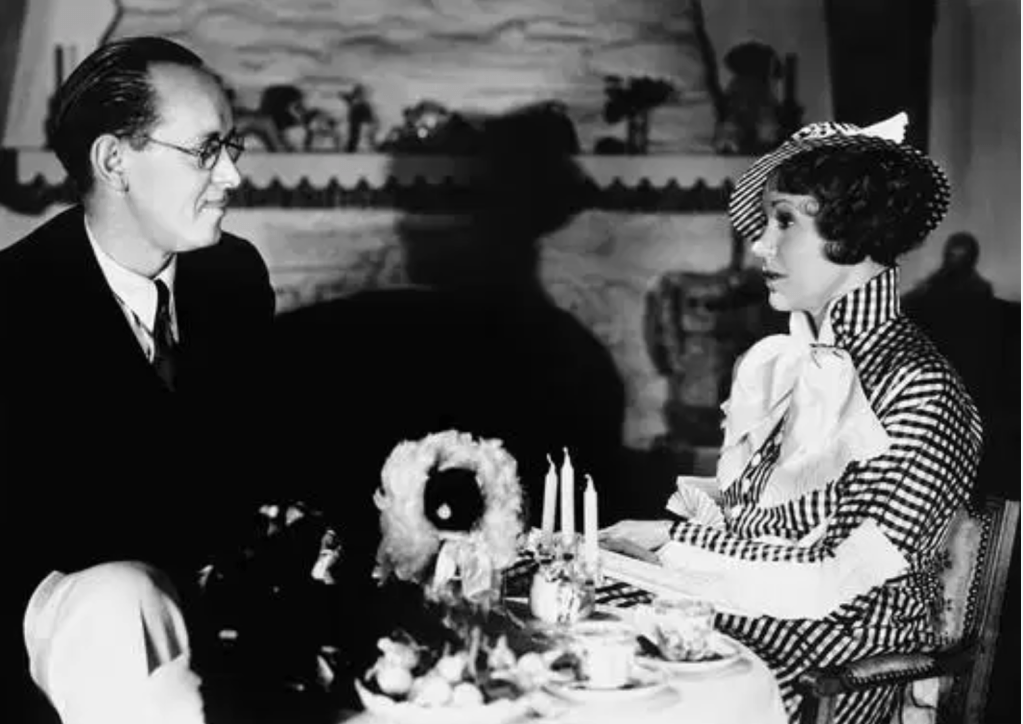
In 1929, famed architect Harry McAfee (1888-1960) and movie set designer resided at 2046 North Highland Avenue. For 30 years, McAfee worked as a set designer and art director for MGM. During the 1920s, McAfee designed several residential homes in the area including 2059 Watsonia Terrace (1924), 6708 Milner Road (1926), and 6740 Milner Road (1928) in Whitley Heights. Below, McAfee is on the set with actress Alice Brady on the set of “Should Ladies Behave” in 1933.
In 2010, the property was evaluated and deemed eligible to be named a historic building “as a good example of an architectural style from its period and/or the work of a significant architect or builder” and was originally constructed as a courtyard apartment.
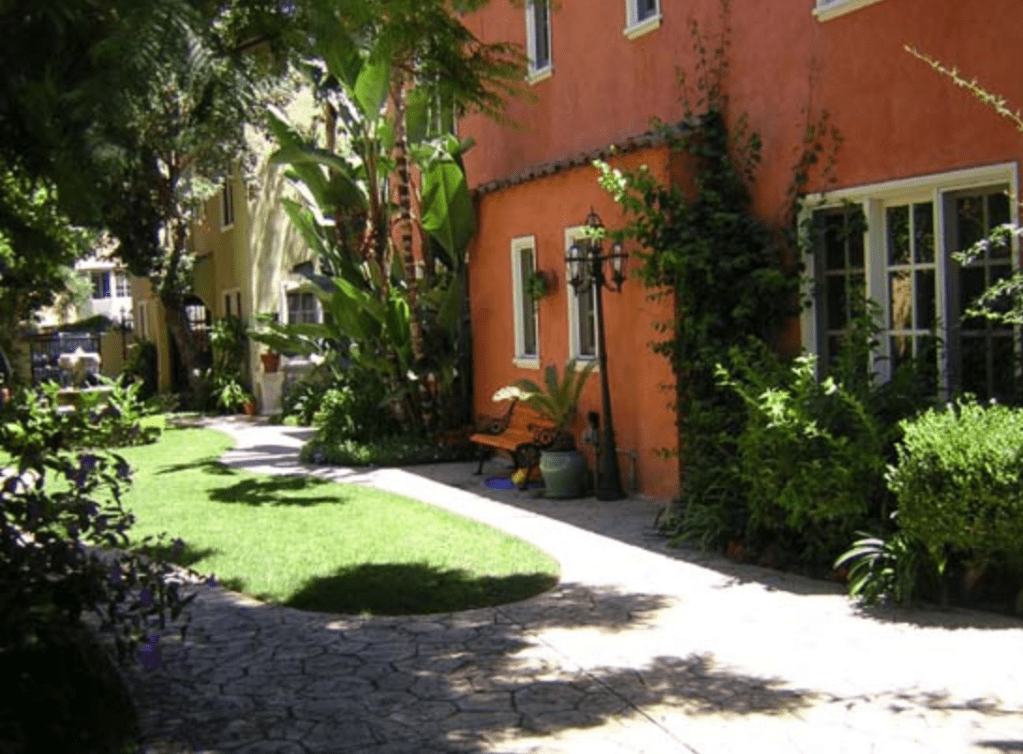
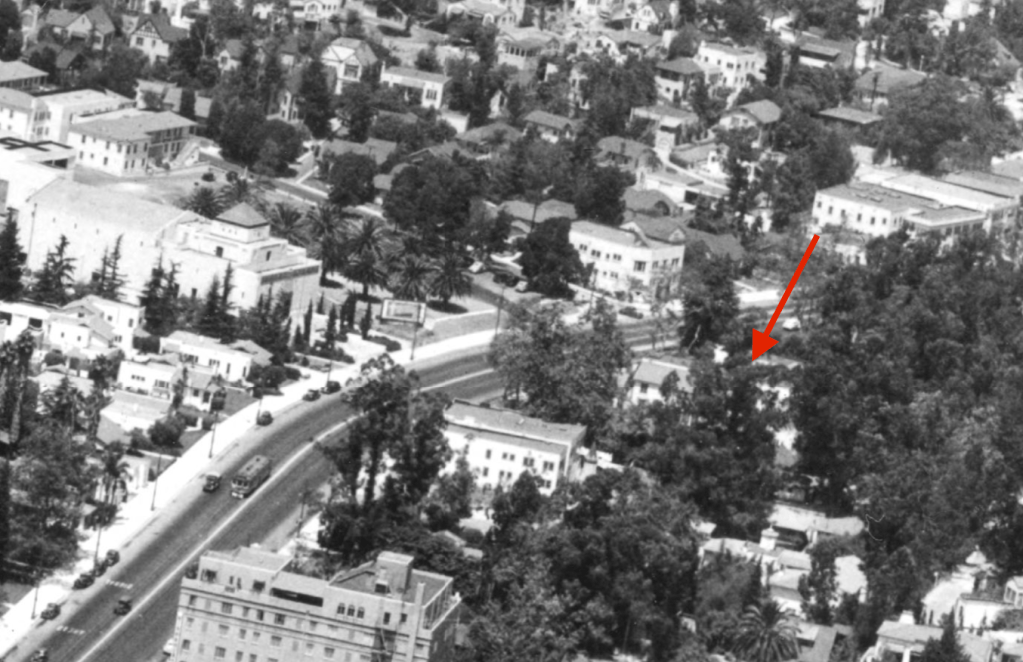
These courtyard apartments sit across the street across from the Hollywood Post 43 American Legion which were built in 1929.
 Whitley Heights 101
Leave a comment