6697 Whitley Terrace (Marion Davies-William Randolph Hearst Secret Hideaway) Fact or Fiction?
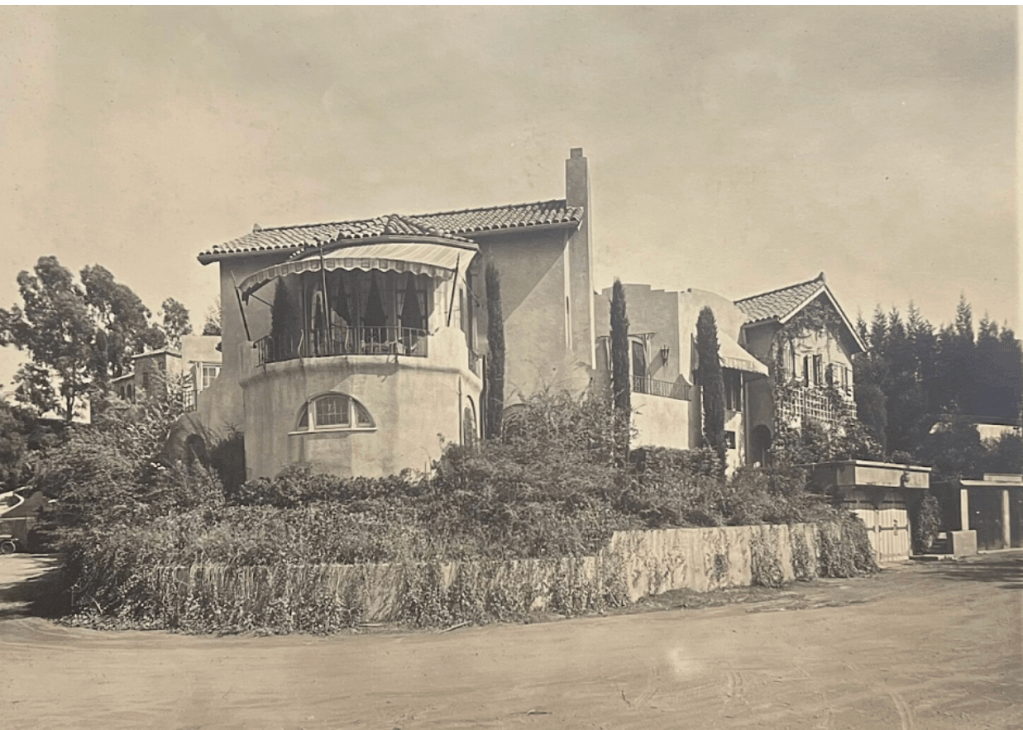
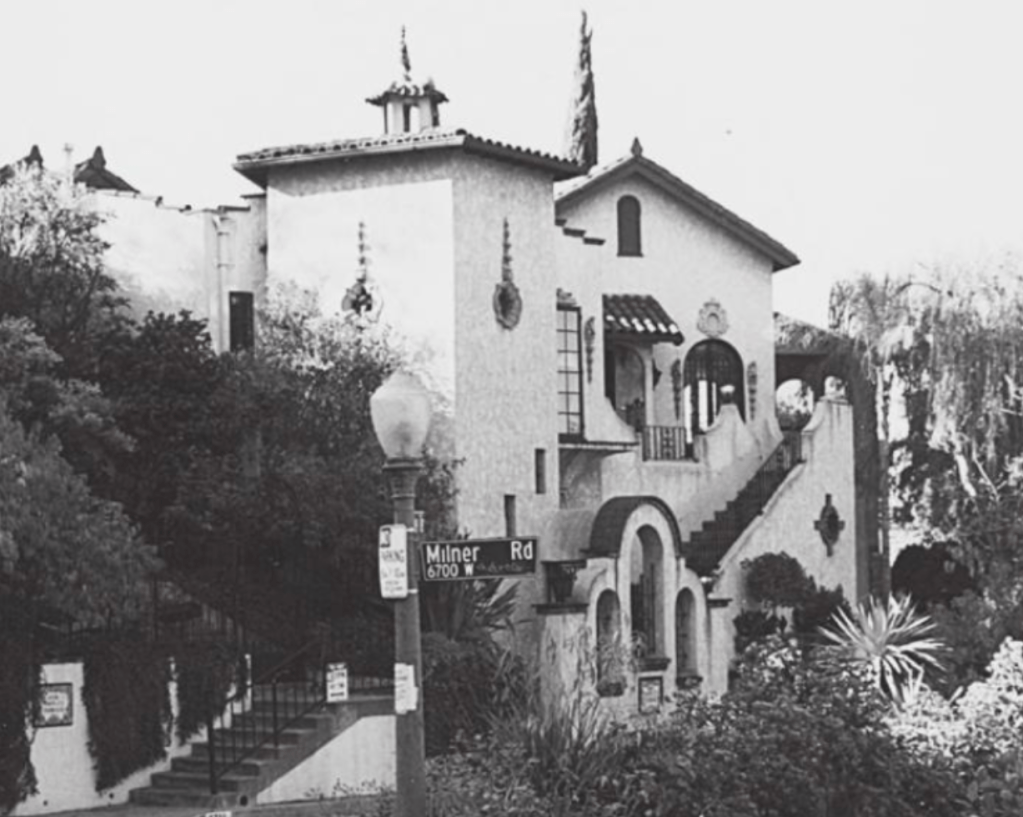
According to legend, 6697 Whitley Terrace was connected to publishing mogul giant, William Randolph Hearst and his mistress, actress Marion Davies. Some accounts have indicated that Hearst bought the property for Davies while others say he bought it and had director Robert Vignola live in the house to have a “watchful eye” over his mistress. Marion Davies was a flirt and had been linked to Charlie Chaplin, Rudolph Valentino, Clark Gable, Leslie Howard, and even Joe Kennedy. Let’s take a deep dive into the known facts and decide if it is fact or fiction.
The earliest documented account linking 6697 Whitley Terrace to Hearst and Davies was the book “Hollywood remembered: an oral history of its golden age” written by Paul Zollo, published in 2002. Zollo indicates “Vignola, according to legend, was a homosexual who was hand-picked by Hearst to direct Marion Davies, so as not to have a straight director work with her. Hearst is said to have built this house for him with the understanding that he and Marion could use it whenever then needed.”
However, according to Los Angeles Department of Building and Safety records, a permit was obtained on October 20, 1922 signed by architect N. L. Coleman to construct 6697 Whitley Terrace by owner A. Hammond, 2178 Fairfield Avenue (also listed as the contractor). 2178 Fairfield Avenue was a 5 room studio built by architect Arthur S. Barnes in 1921 which he used as a construction office during the 1920s while Whitley Heights was being built.
According to Los Angeles Voter Registrations, William T.S. Hammond (a retired banker) and Elizabeth E. Hammond (his wife) lived here with Miss Gertrude Hudgens (housewife) in 1924. In addition, the San Francisco Blue Book and Club Directory listed Mrs. W.T.S. Hammond under the Friday Morning Club of Los Angeles in 1925 using this address. Based on this information, Hearst did not build the home; Hammond built the home and even lived in it for a few years.
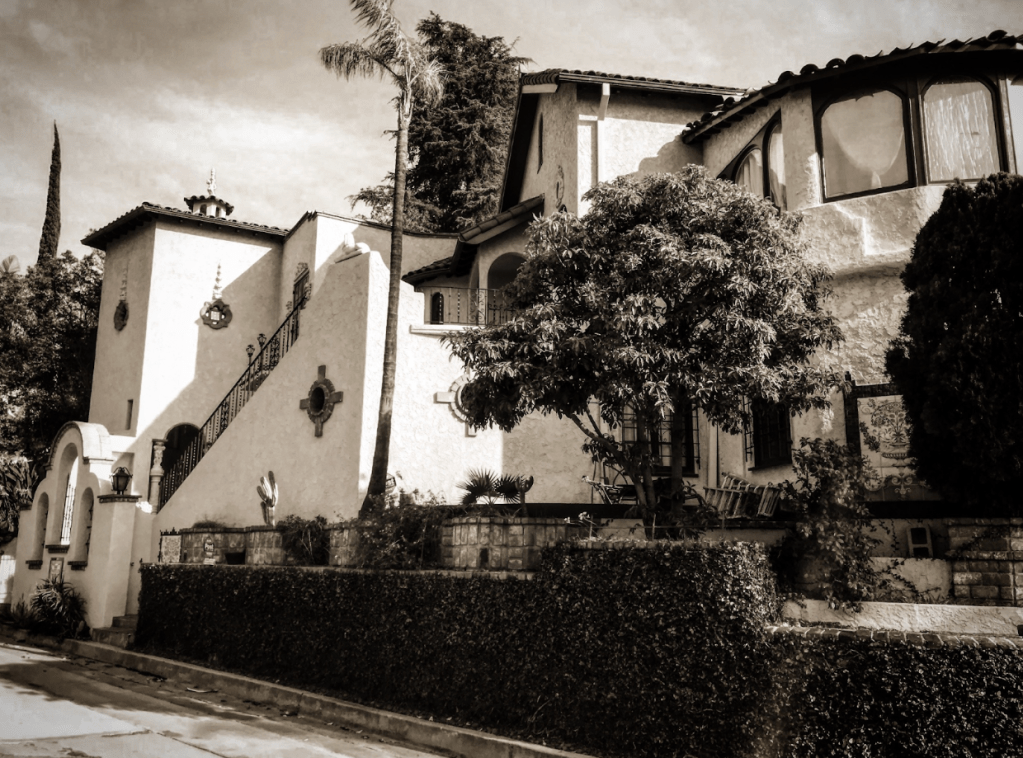
The April 13, 1924 edition of the Los Angeles Times stated that Robert Vignola arrived in Hollywood; signed with Metro; leased a home in the Hollywood foothills, “where he plans to make his future residence”. According to the July 23, 1924 edition of the Los Angeles Times, “Robert G. Vignola recently purchased a home in Hollywood, at the same time giving up his New York apartment. That seems to signify that he intends making California his permanent home. He is under a long term contract at M.G.M.” The publication “The Film Daily” lists 6697 Whitley Terrace as director Robert Vignola’s permanent address in June of 1925. There are building permits dated 1926, 1932, and 1948 which list Vignola the owner of the property.
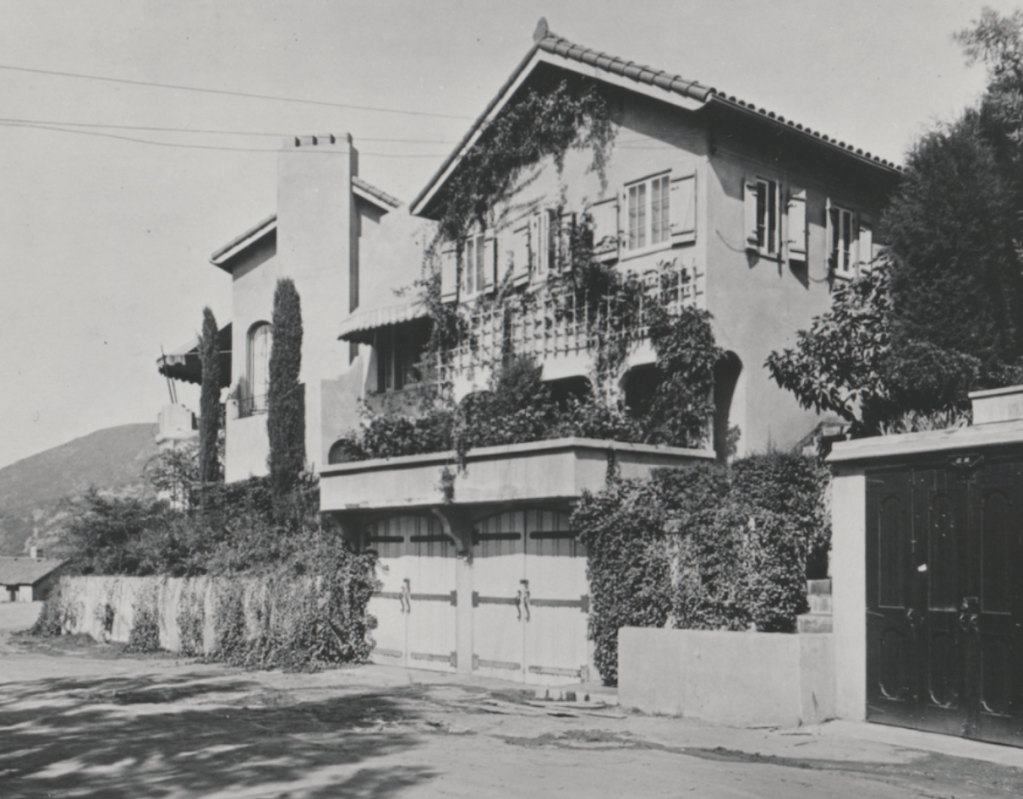
According to the 1918 Los Angeles City Directory, the director rented 1825 N. Highland Avenue (demolished). In 1919, he was listed as living at the Los Angeles Athletic Club. In 1920, he rented a home at 6009 Yucca Street (relocated for Hollywood Freeway) and then returned to New York. 6697 Whitley Terrace was the next residence he lived in upon returning to Hollywood in 1924.
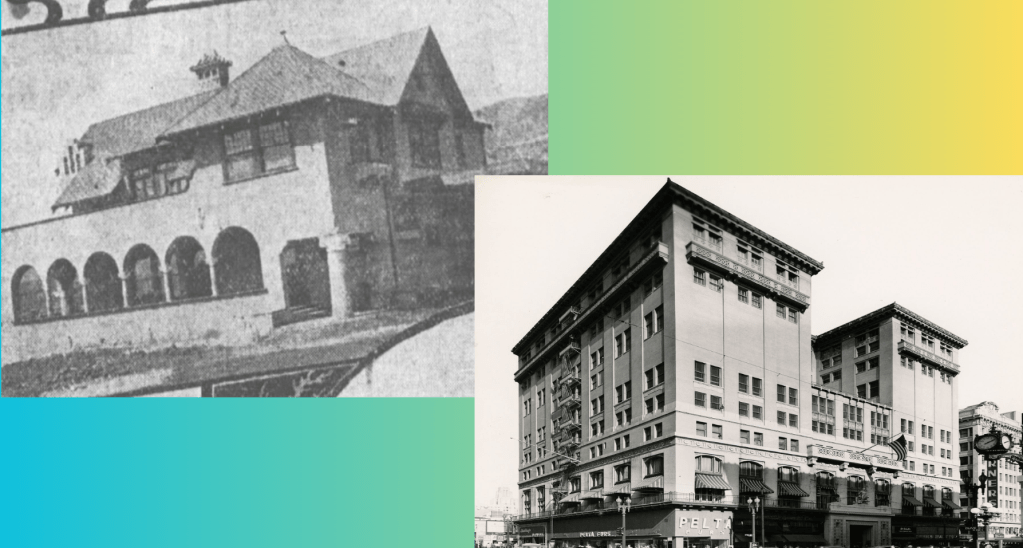
Author E.J. Fleming lists 6697 Whitley Terrace in his book, “The Movieland Directory” first published in 2004 as William Randolph Hearst “publisher purchased as Davies hideaway”. He also co-wrote “The Fixers: Eddie Mannix, Howard Strickling, and the MGM publicity machine” published the same year and indicated “In 1922 Hearst came to L.A. with Marion, buying her a mansion at 6697 Whitley Terrace in Whitley Heights in Hollywood, near neighbors Jean Harlow, Richard Barthelmess, Alma Rubens, and Rudolph Valentino. Hearst let his director Robert Vignola live in the home rent-free for decades, knowing Vignola was a homosexual and that he would watch — and ignore — his lovely roommate.”
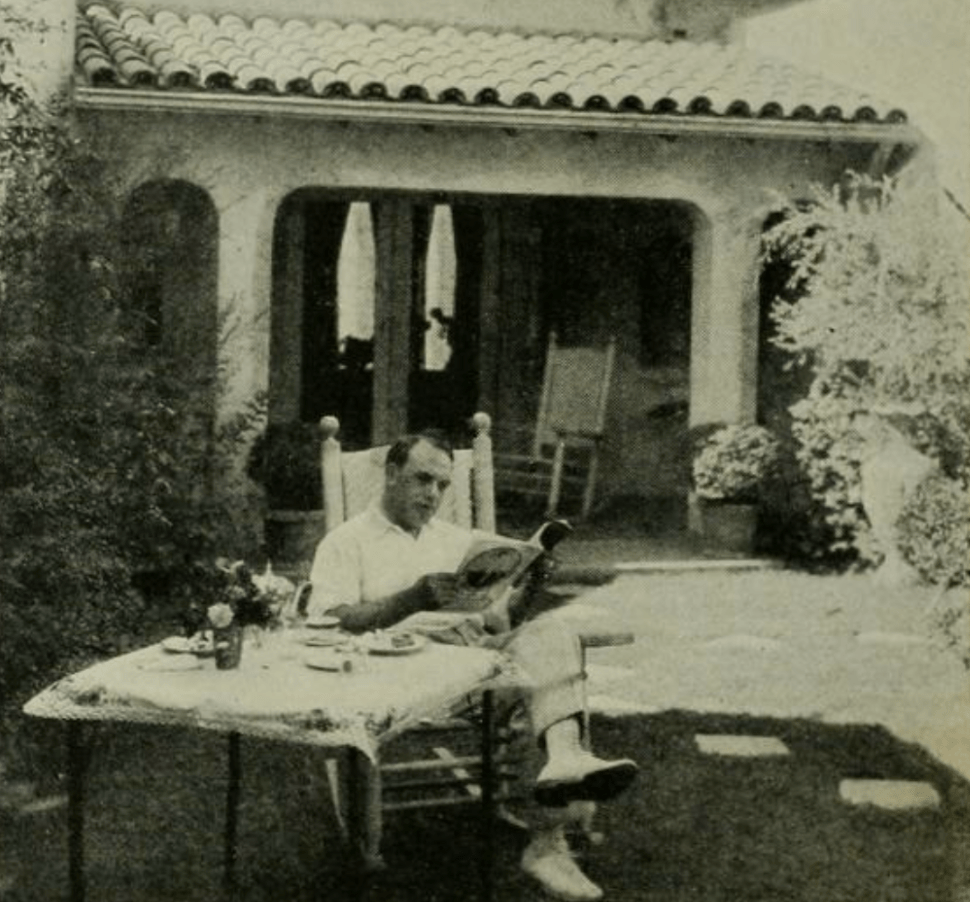
In 2005, Richard Alleman wrote “Hollywood : the movie lover’s guide : the ultimate insider tour to movie L.A.” Alleman stated “William Randolph Hearst is said to have handpicked Vignola to direct many of the films made by Marion Davies in the 1920s since Hearst knew that Vignola was a homosexual and could therefore be trusted with Miss Davies. Hearst is also rumored to have built the Vignola house as a hideaway for himself and Miss Davies.”
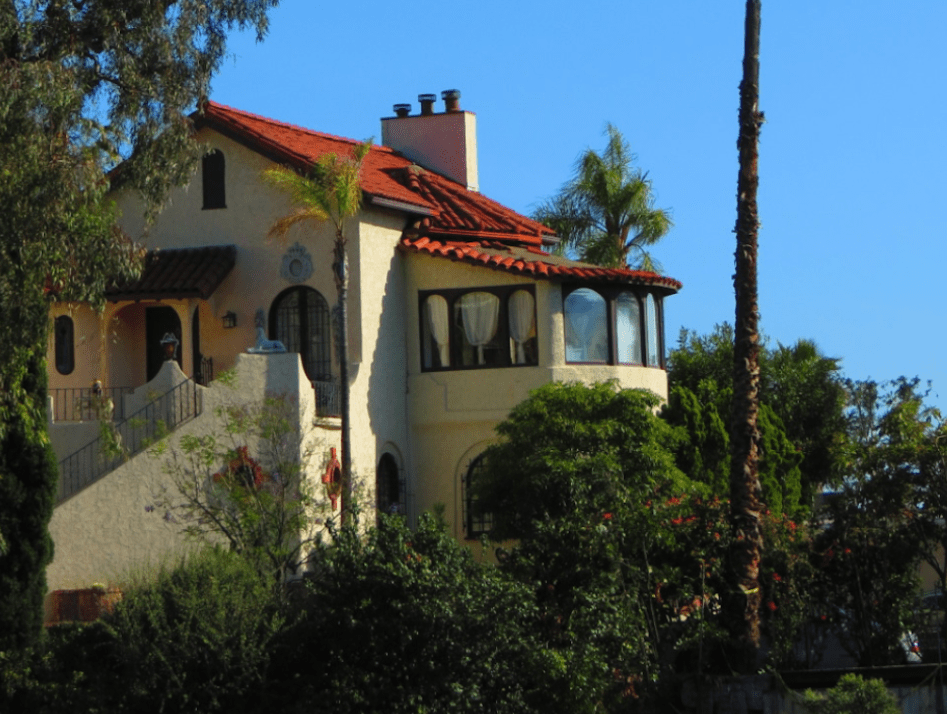
In the 2008 “Los Angeles Attractions” written by Borislav Stanic, states “This recently remodeled house was once the site of lavish parties thrown by director Robert Vignola. It was said that newspaper tycoon William Randolph Hearst built this large villa as a hideout for himself and his lover, actress Marion Davies.”
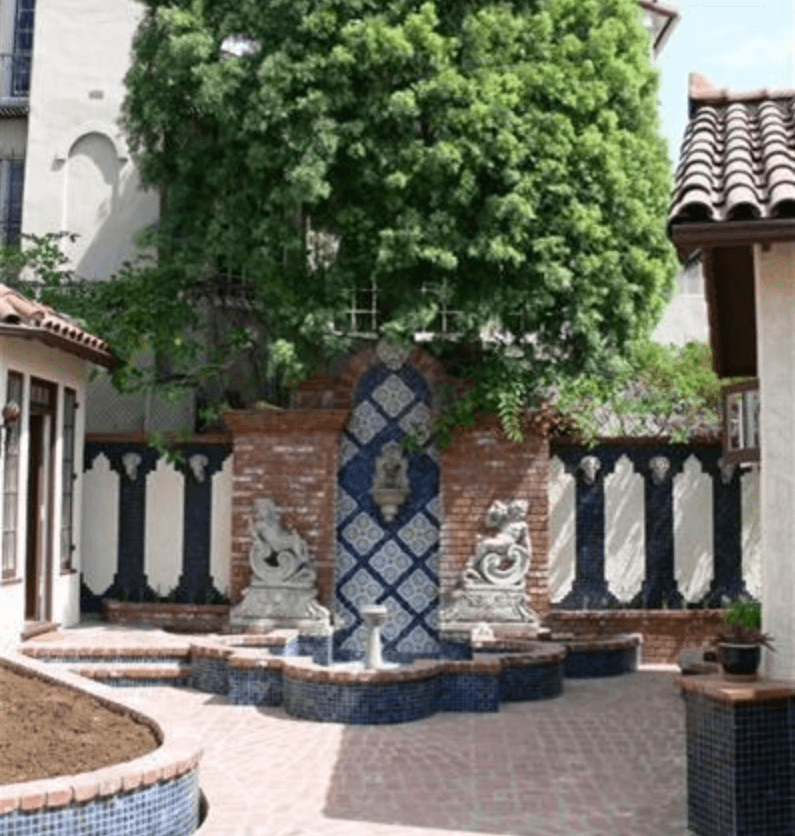
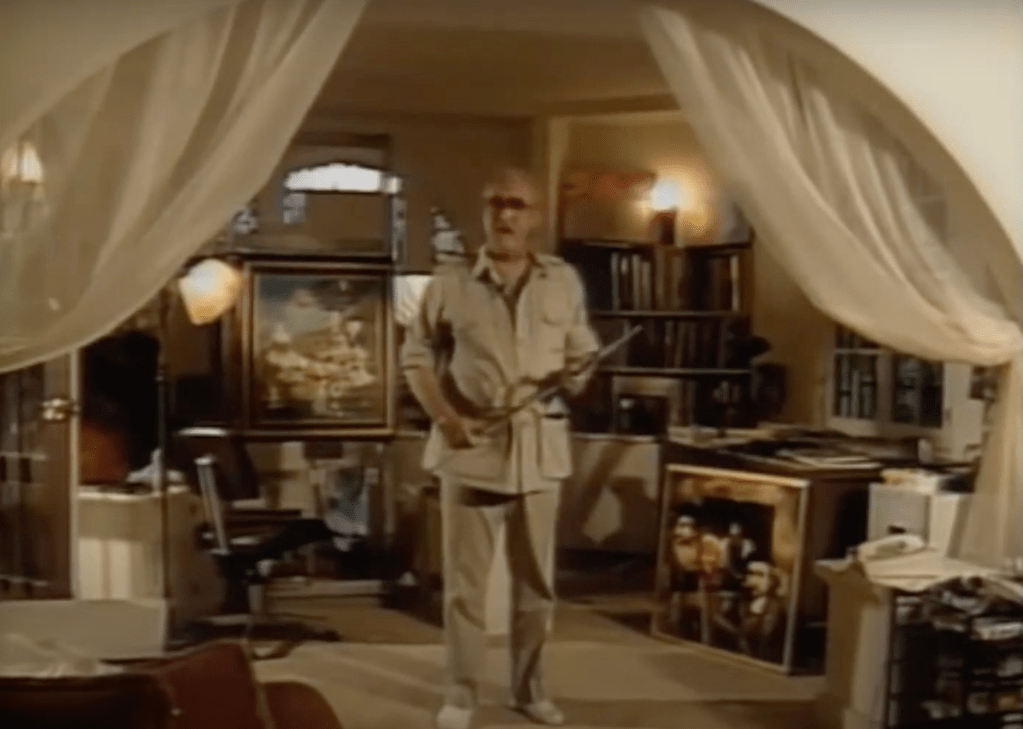
Gaelyn Whitley Keith, the granddaughter of H.J. Whitley wrote “The Father of Hollywood” in 2010 and indicates “Next door, at 6697 Whitley Terrace, was a large villa that was owned by director Robert Vignola. He directed many of the movies in which Marion Davis, William Randolph Heart’s mistress, starred in. Rumors in the neighborhood suggested that Marion and William used the home as a romantic hideaway.” Artist Charles Bragg resided at 6697 Whitley Terrace in 1996; he was interviewed and appeared in “Starstruck Spirits” video series by James Romanvich titled:
Bragg indicated that he used a room in the basement that Vignola constructed as a theater, as his art studio. He indicated that when he hung drapes to bring the room back to its early days, he experienced a presence in the home. Bragg claims when he hung curtains in his art studio, “things started to happen”. His two dogs started to respond at 8:15 p.m. in the evening. They would be sleeping by the fireplace and then wake up and run down the secret little passageway of stairs down to the basement. The curtains were down as if they had been drawn at the end of a performance. Although he does mention that director Sidney Olcott died in the home, legend has it that the house was built by Hearst. Davies would come to the little theater to rehearse with Vignola. She would put on shows for Hearst twice per week.
The Whitley Heights Historic District Nomination form dated 1982, lists 6697 Whitley Terrace only as the former residence of Robert Vignola and Sidney Olcott and does not mention the Hearst-Davis connection.
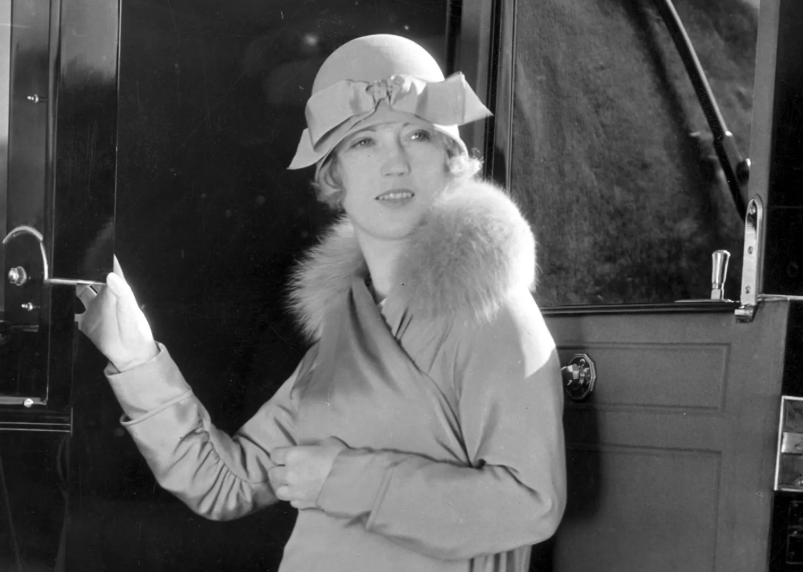
From many accounts, Hearst first saw 14 year old Marion Davies dancing with her sister on a New York chorus line. The 40 something publisher started an affair with her which would last until his death in 1949. Since his wife, Millicent refused to divorce him, he and Davies just acted like they were married. Davis gave him companionship and Hearst financed her movies, creating Cosmopolitan Productions in New York City in 1918 and moving the company to Hollywood in the later part of 1924.
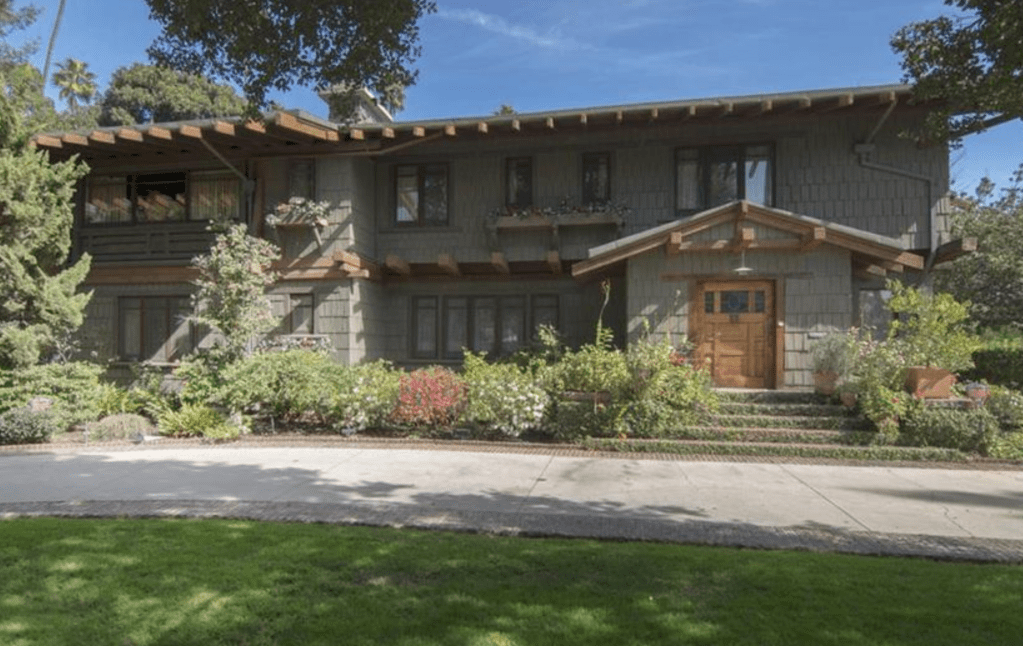
Marion moved with her mother and two sisters to Los Angeles while her father stayed in New York to continue his career. They lived temporarily at the Ambassador Hotel, before renting actor Norman Kerry’s home at 910 Bedford Drive in Beverly Hills. This house was a Craftsman-style estate with 4 bedrooms, 5 bathrooms, and carriage house with spacious guest quarters above which was built by architects Charles and Henry Greene in 1907 and designated a historic landmark.
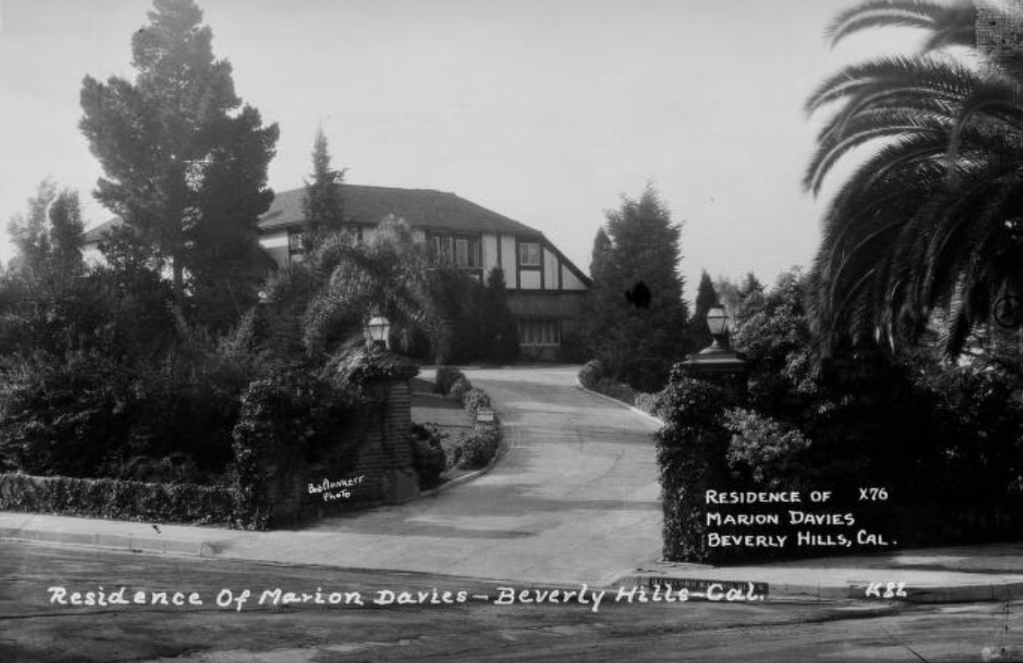
In the summer of 1924, Hearst first bought Davies a mansion in Beverly Hills located at 1700 Lexington Road and completely remodeled the tutor home. The house was deeded to her mother to keep the information out of the media. The Los Angeles Citizen News mentions Davies planning a $300,000 residence in Beverly Hills on March 28, 1925 of English Tudor architecture with stone walls and a slate roof. While Hearst traveled back and forth to Los Angeles from his castle in San Simeon, Marion and her family moved to the Lexington Road home. This house remained with the Davies family until the early 1940s.
Hearst partnered Cosmopolitan Productions with MGM starting in 1923 and when they moved to Hollywood, Hearst brought set designer Joseph Urban from New York to work Davies movies at MGM and design a large bungalow for Marion on the MGM lot, a two-story Spanish house of fourteen rooms, each filled with fine antiques, including a dressing room upstairs and dining room downstairs. It was the largest dressing room that any movie star ever had which included an office for Hearst. Hearst had his construction crews cut the building in half and move it to the Warner lot, after he and Mayer parted ways in 1934; Davies used it there until she completed her last Warner film in 1937. Then, Cosmopolitan Productions moved the structure to the Fox lot where the bungalow was again relocated. When the work at Fox was completed Marion gave the building to her niece, who moved it to 910 Benedict Canyon Drive in Beverly Hills.
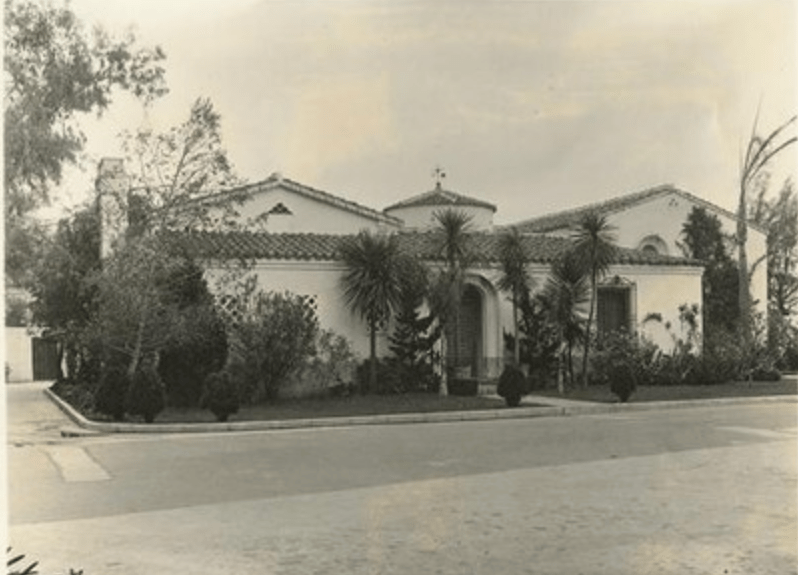
During 1926, Hearst began building an elaborate beach house for Davies located at 415 Palisades Beach Road. The Georgian style home was designed by Julia Morgan and built in stages from 1926 to 1930, and was located at 415 Pacific Coast Highway. The house contained 118 rooms and 55 bathrooms. Davies sold the house in 1945. The main house was demolished in 1956. The remaining estate later became the Sand & Sea Club, which operated from 1960 to 1990. In 1980 the North Guest House of Marion Davies Estate was designated a Santa Monica Landmark.
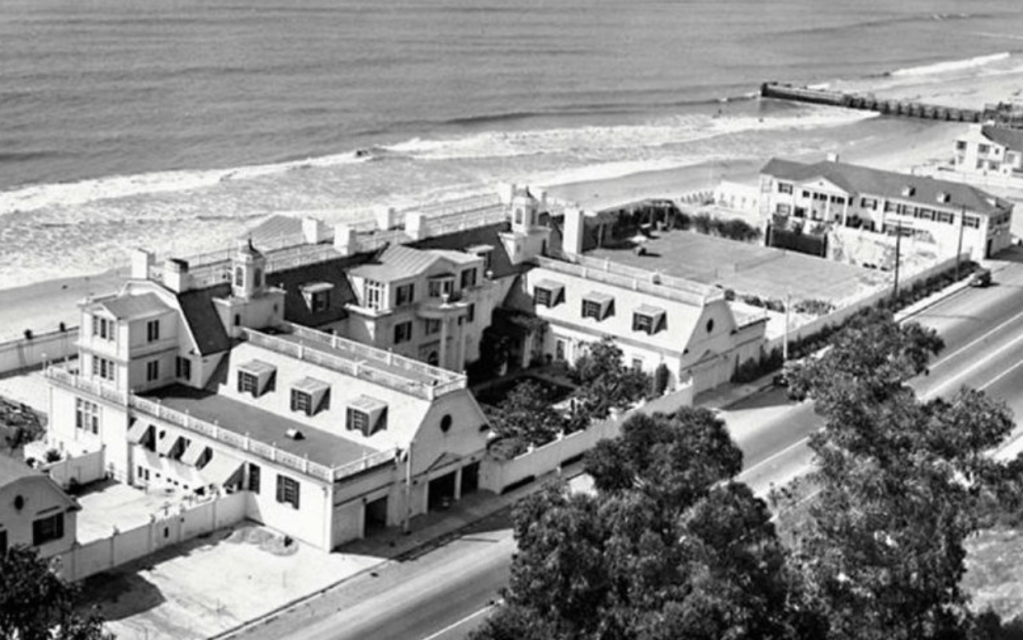
Hearst and Davies moved into 1007 N. Beverly Drive in 1946. Hearst still had his elaborate castle estate in San Simeon, but his ill health forced him to stay in Beverly Hills and they expanded the main house. The Spanish-style mansion comprised of twenty-two rooms, a grand backyard garden with a large swimming pool, and an impressive library for their books. After Hearst’s death, Davies remained in the house even after she married Horace Brown in 1951 and lived here until her death in 1961.
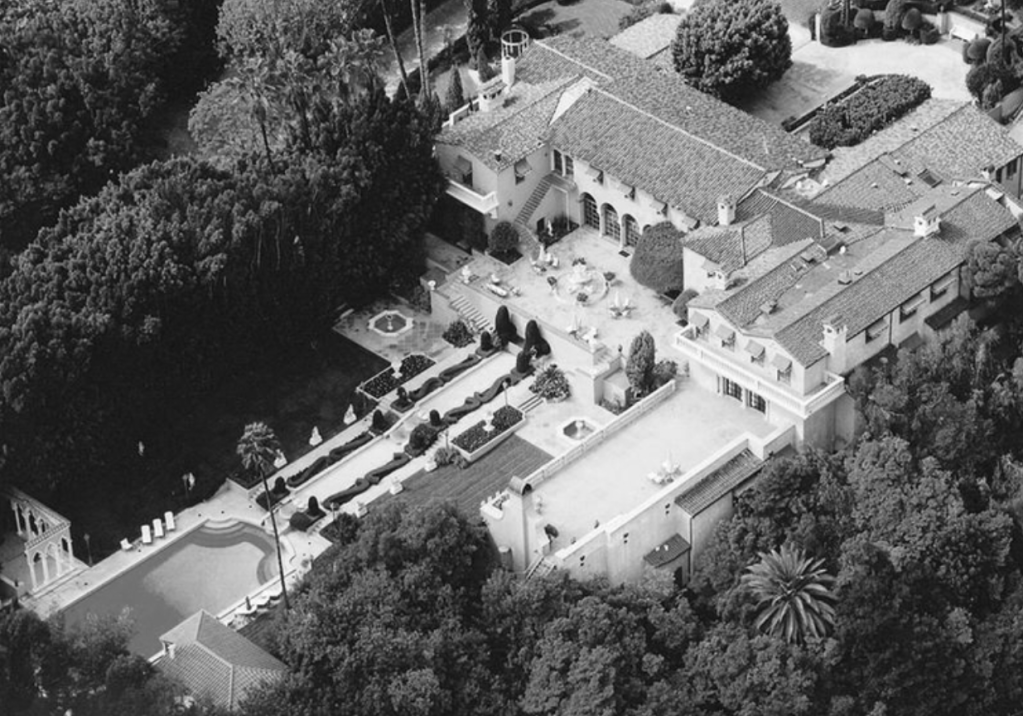
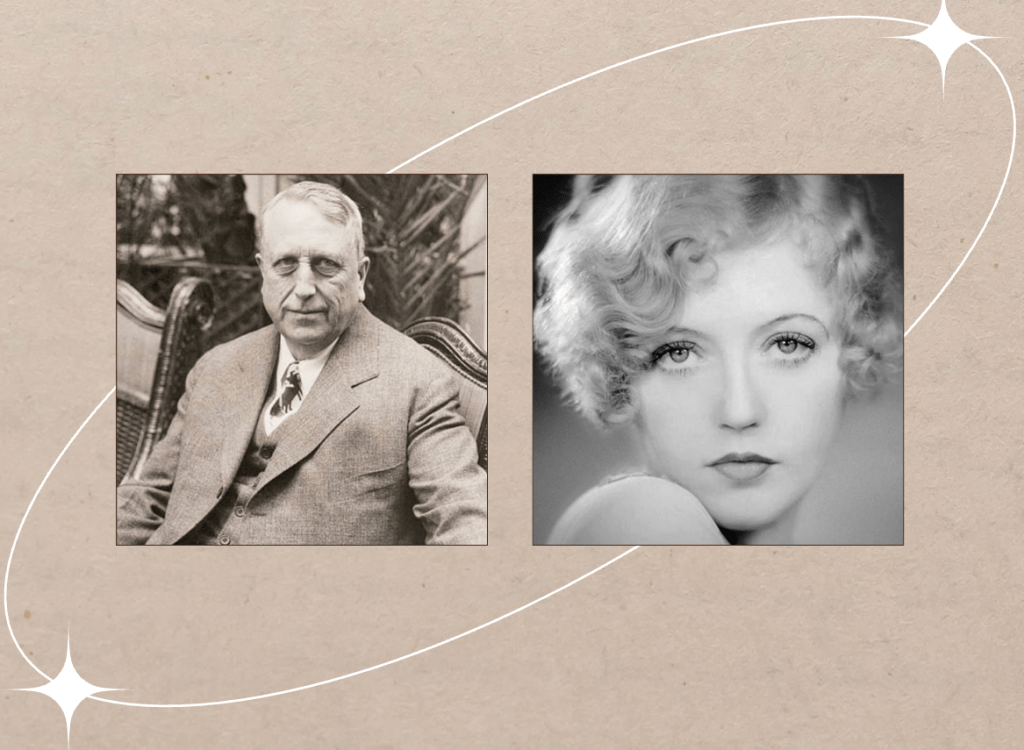
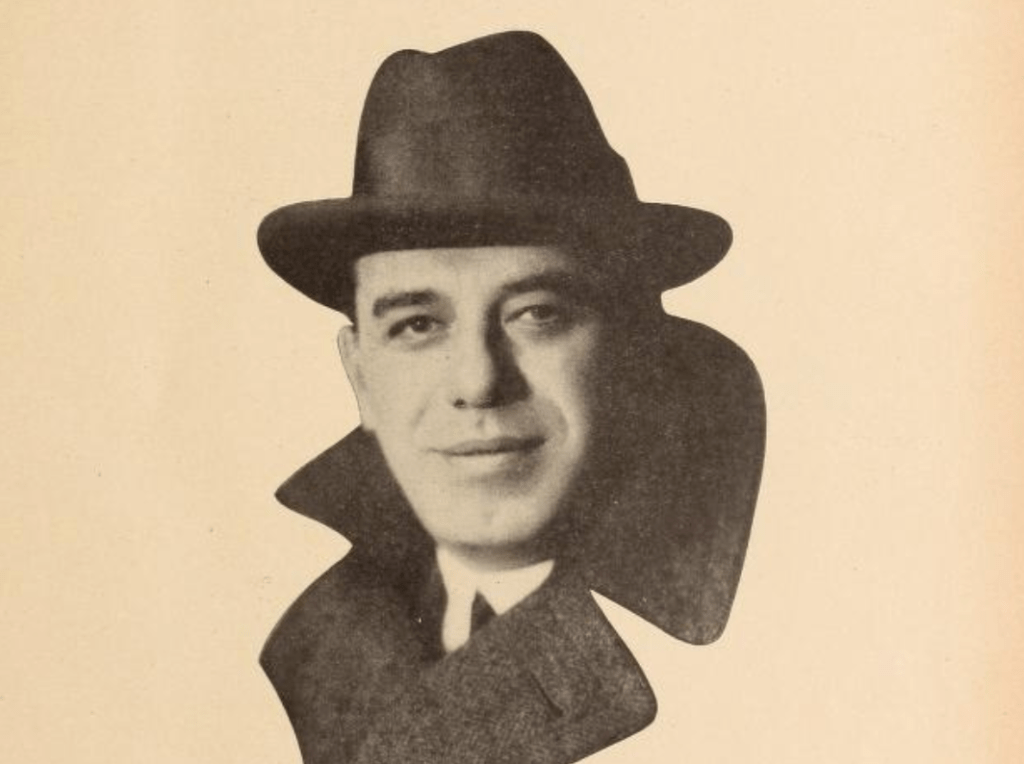
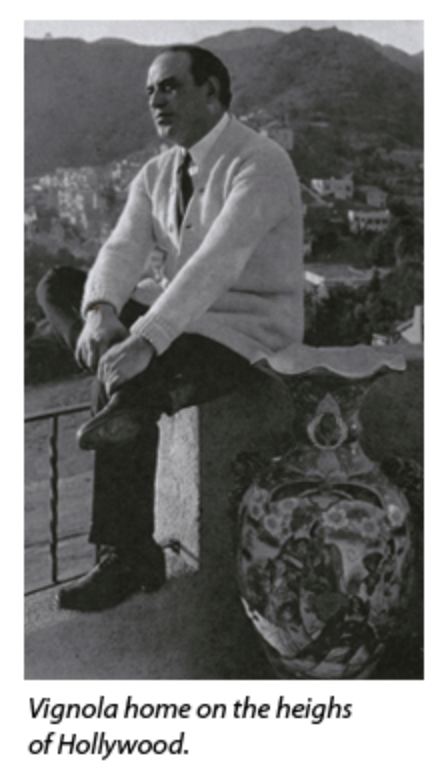
Vignola was recruited by Hearst to direct Davies (both pictured below) films for Cosmopolitan Productions in New York starting with Enchantment (1921), Beauty’s Worth (1922), The Young Diana (1922), When Knighthood was in Flower (1922), and Adam and Eva (1923). They never worked on any films together in Hollywood. In 1924, Vignola was free from Hearst and went to work for MGM and then Paramount with actors Pauline Frederick, Conrad Nagel, Eleanor Boardman, Leatrice Joy, and Colleen Moore until his last film in 1937.
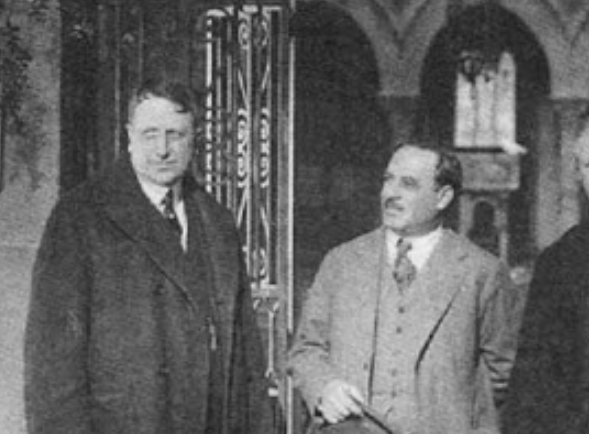
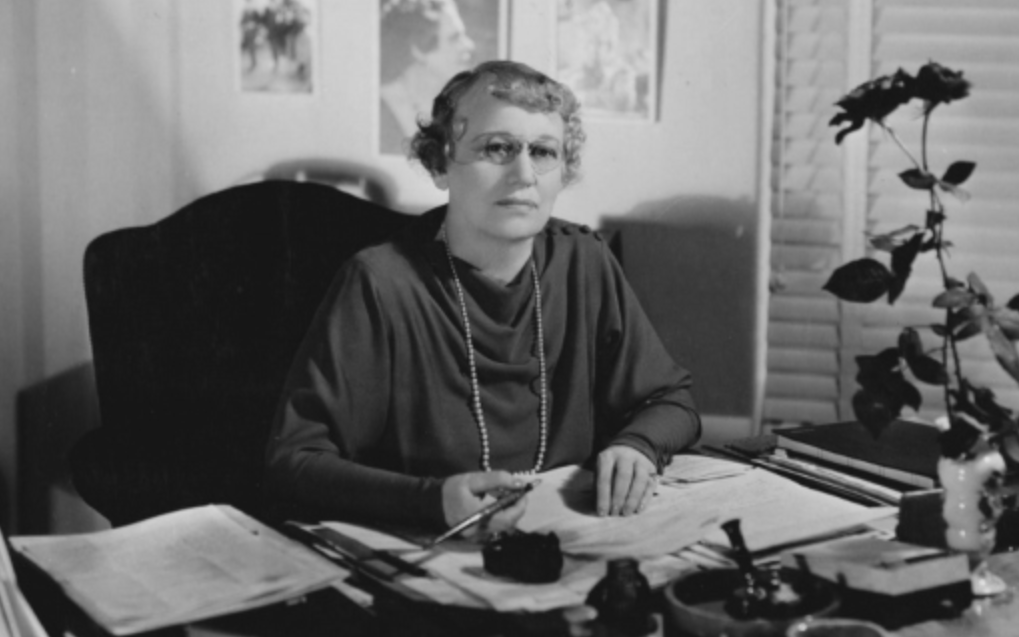
Vignola remained at 6697 Whitley Terrace until his death in 1953. During his 28 years of living in Whitley Heights, he hosted many extravagant parties, allowed MGM’s Louis B. Mayer’s secretary, Ida Koverman (pictured below), to reside in the home for three years, 1945-1947, and when his best friend & director, Sidney Olcott’s wife died, Olcott sold his Beverly Hills home and moved into 6697 Whitley Terrace until his death.
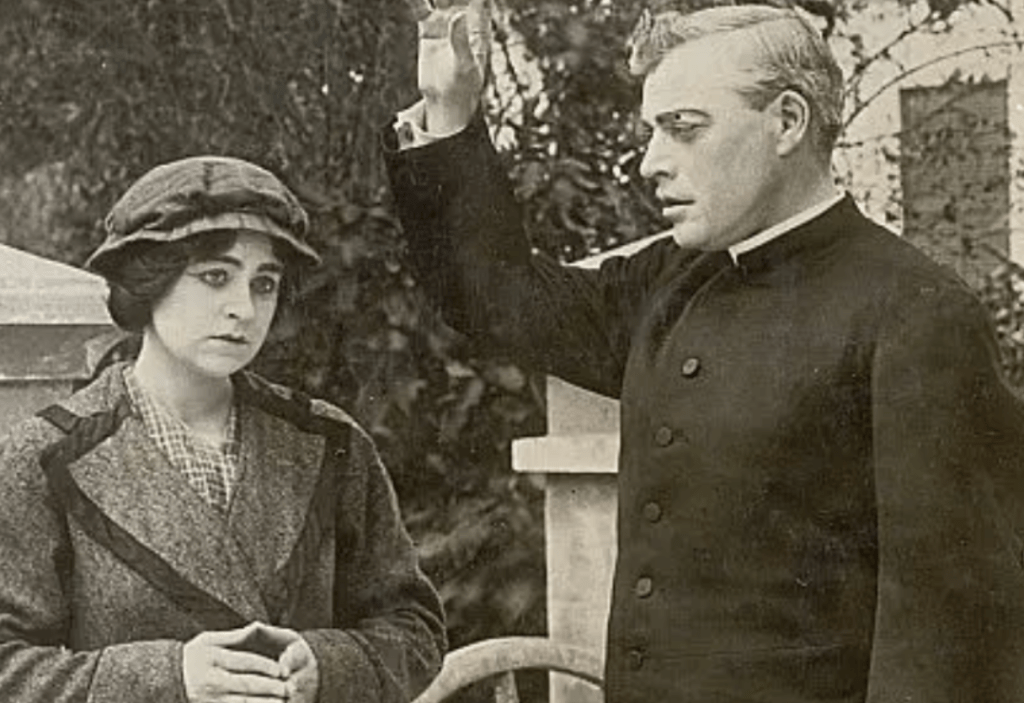
Early in 1926, Vignola allowed Olcott’s wife (both pictured below), former silent screen actress, Valentine Grant to stay in the home while he spent time at his beach house. In September of 1926, Vignola allowed Grant to throw a birthday party for Olcott in his home. The guest list included, Eugene O’Brien (who lived next door), Mary Akin & husband director Edwin Carewe, screenwriter Tom Miranda, actor Crawford Kent & wife (lived at 6753 Milner Road), actor Gino Corrado & wife, actress Belle Bennett, publicist Grace Kingsley, actor Pat O’Malley & wife, actor Jean Hersholt & wife, producer Wallace MacDonald & wife, and actor Roy Stewart & wife to name a few!
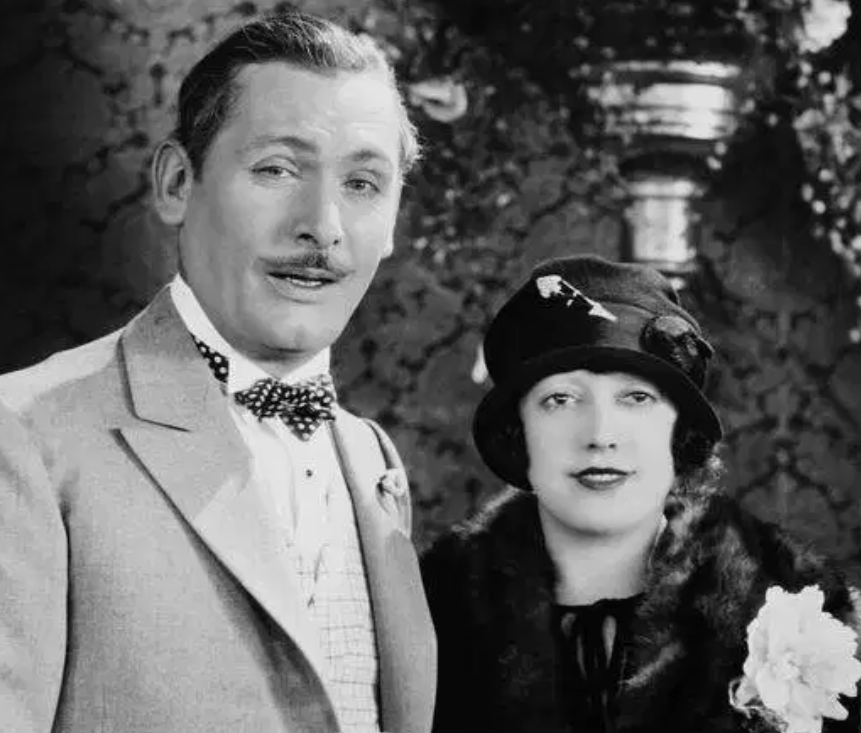
In May of 1927, Vignola hosted his own party for a couple from New York and converted the “ballroom” into an Italian restaurant with tables covered with red and white checkered tablecloths. He hired private entertainers to perform in cabaret style. Guests included; Gloria Swanson & husband, Joseph Schenck & wife Norma Talmadge, June Mathis & husband, Lew Cody & wife Mabel Normand (both pictured below), Eugene Brewster & Corliss Palmer, Bebe Daniels, Ruth Roland, Louella Parsons, and Eugene O’Brien. Interestingly, actress Marion Davies attended the party!
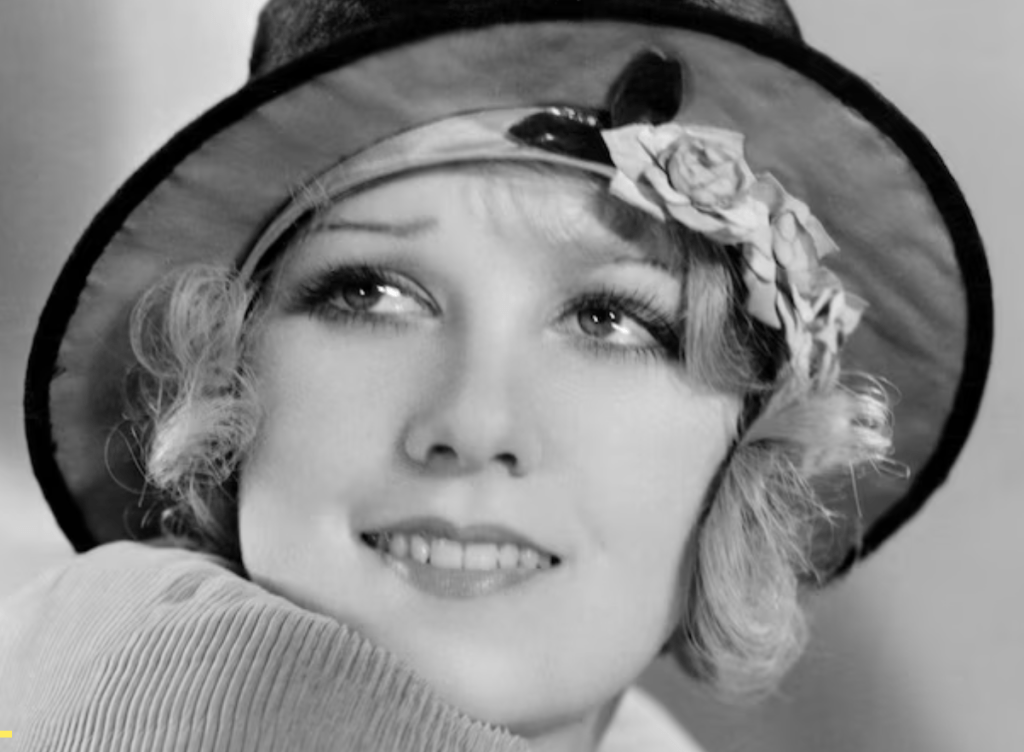
In March of 1931, Vignola organized a dinner party with mind-reading, games and dancing. Guests included: Lew Cody, Richard Arlen & Jobyna Ralston, Lilyan Tashman & Edmund Lowe, Eric von Stroheim, Estelle Taylor, and Anita Page (pictured below).
Vignola first met Sidney Olcott in 1907 when he appeared in the short film “Pony Express” which Olcott starred in and worked with him often in other films. Since that time, the two men remained close friends. In March of 1949, Olcott’s wife died of cancer in Dana Point and he was heart-broken, so Vignola invited Olcott to move in with him in Whitley Heights. Olcott only lived with Vignola for nine months before he died in the guest bedroom on December 16, 1949.
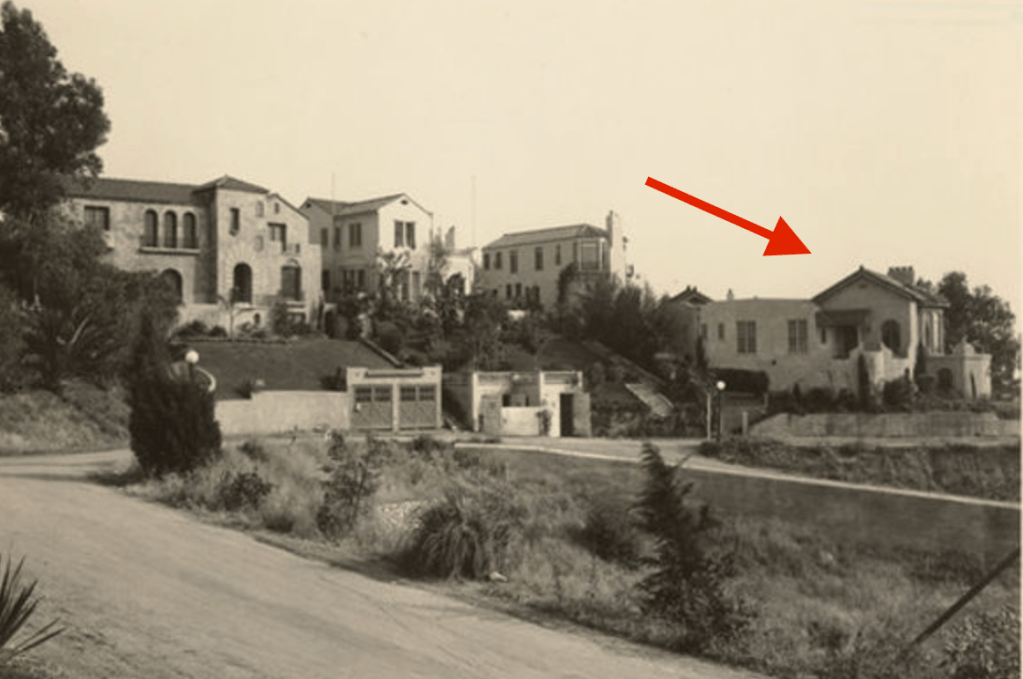
On October 25, 1953, Robert Vignola died at age 71 at the Queen of the Angels Hospital where he had been a patient since September 29th. Vignola left his estate to his sister Lucy Cappallano of Albany and niece Frances Piazza of Los Angeles. Piazza had been residing with Vignola in his house during the late 40s, possibly due to Vignola’s poor health. 6697 Whitley Terrace remained in the Vignola family until it was put up for sale in July 1962 as “for sale, theater, 3 bedrooms, 4 bathrooms, $45,000 “Former director’s home”. This is where the story ends.
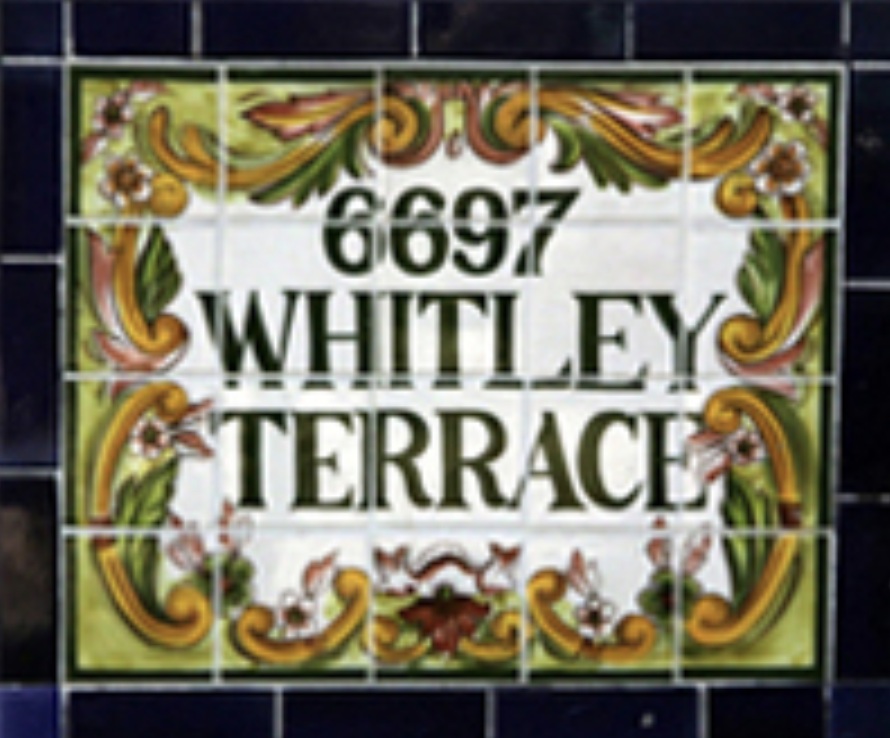
In conclusion, based on most accounts, Hearst had an “open relationship” with his wife who knew about Davies; she remained in New York while Hearst and Davies moved to California and lived together in several gigantic homes until his death. Why did they need a secret hideaway? Was this story concocted to sell the house which has been on the market several times since Vignola’s death? While one account had Davies attending a party that Vignola held in the house, there is no evidence Hearst ever visited 6697 Whitley Terrace. Hearst controlled the newspapers and the media. He also created a production company for Davies films and managed her film career. There was no reason to meet secretly. Was there? You decide.
 Whitley Heights 101
Leave a comment