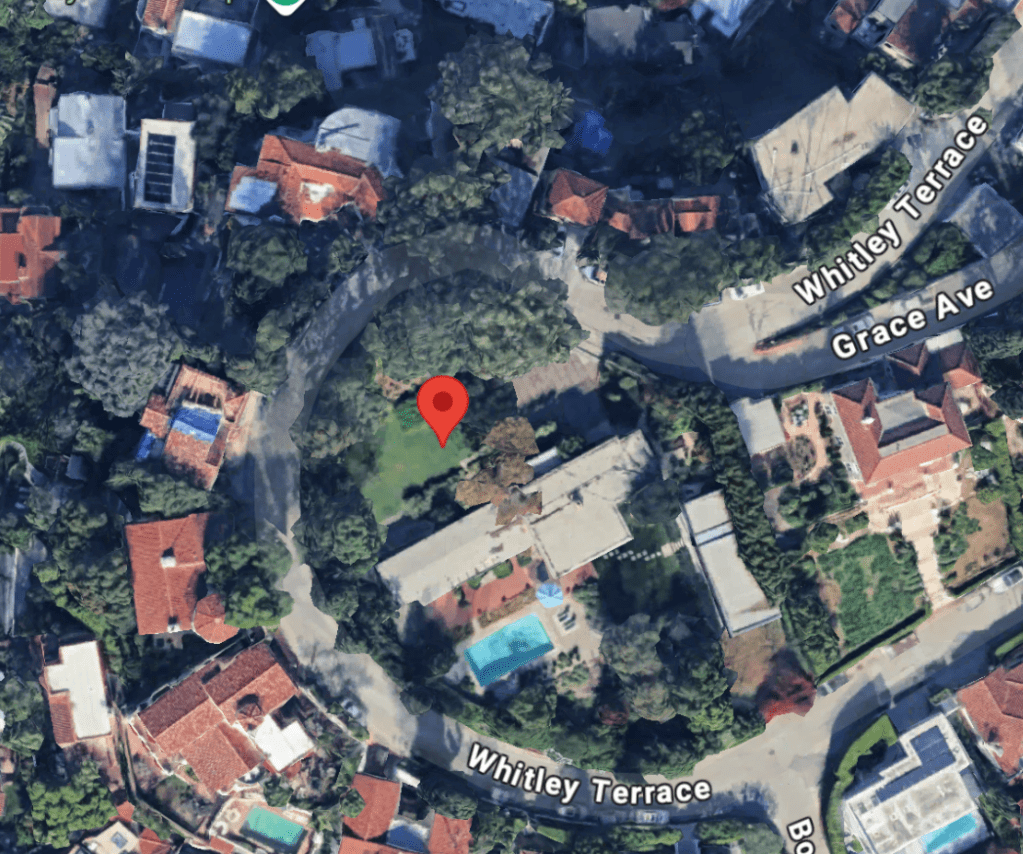
6669 Whitley Terrace
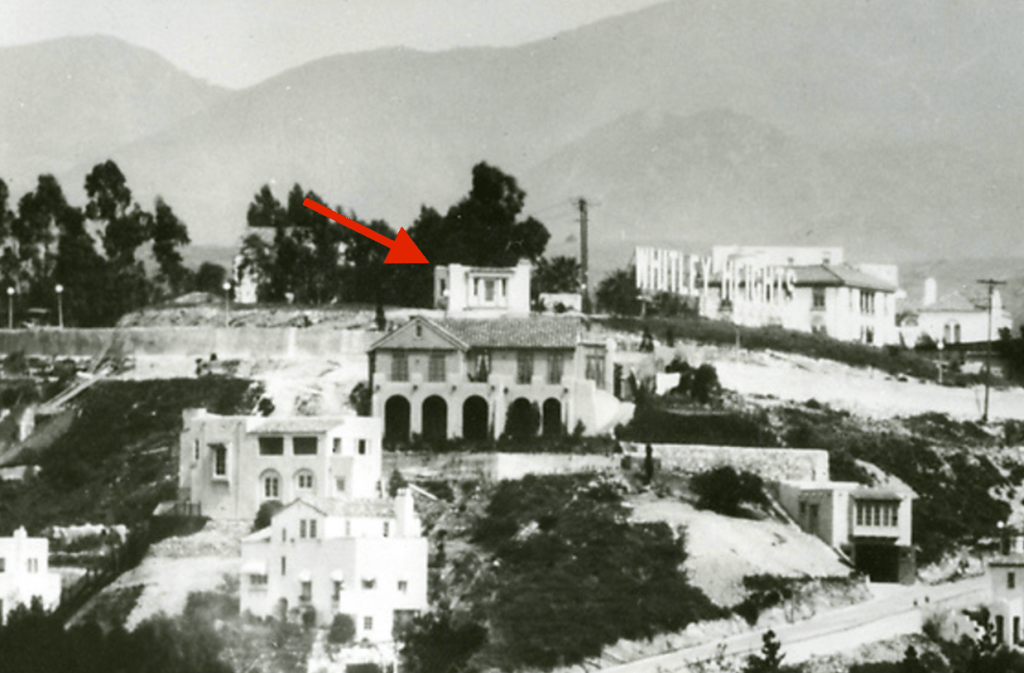
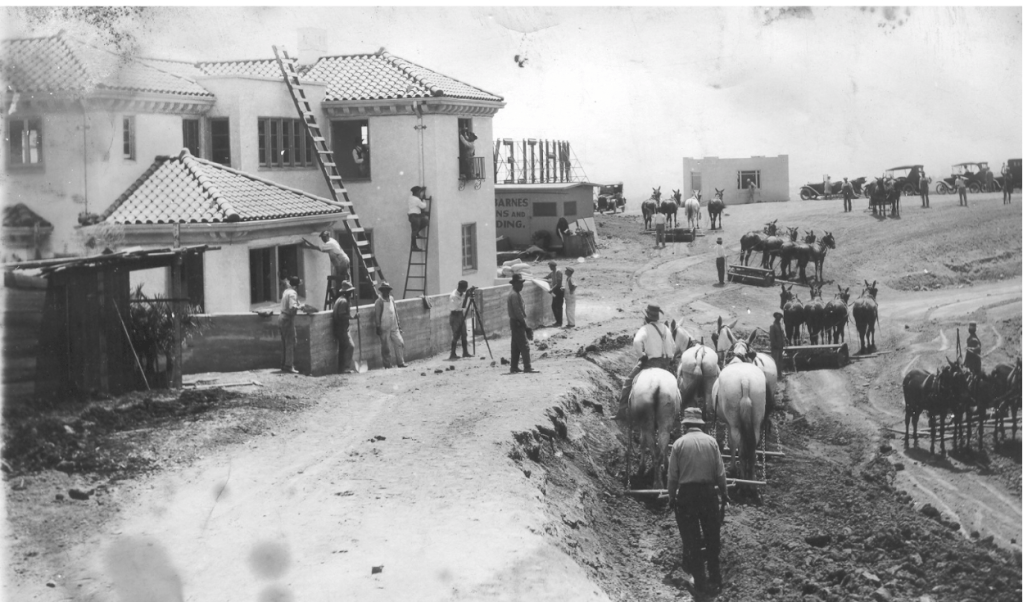
6669 Whitley Terrace used to be the site of building that housed the Whitley Heights Tract Office. Built in 1920 by H.J. Whitley and architect Arthur S. Barnes, the one room 14 x 20 building resembled the surrounding Mediterranean styles homes. The office sat to the left of the illuminating Whitley Heights sign and H.J. Whitley’s house sat on the other side. Below, the office is seen to the right of the Whitley Heights sign as H.J. Whitley’s house is being built circa 1920.
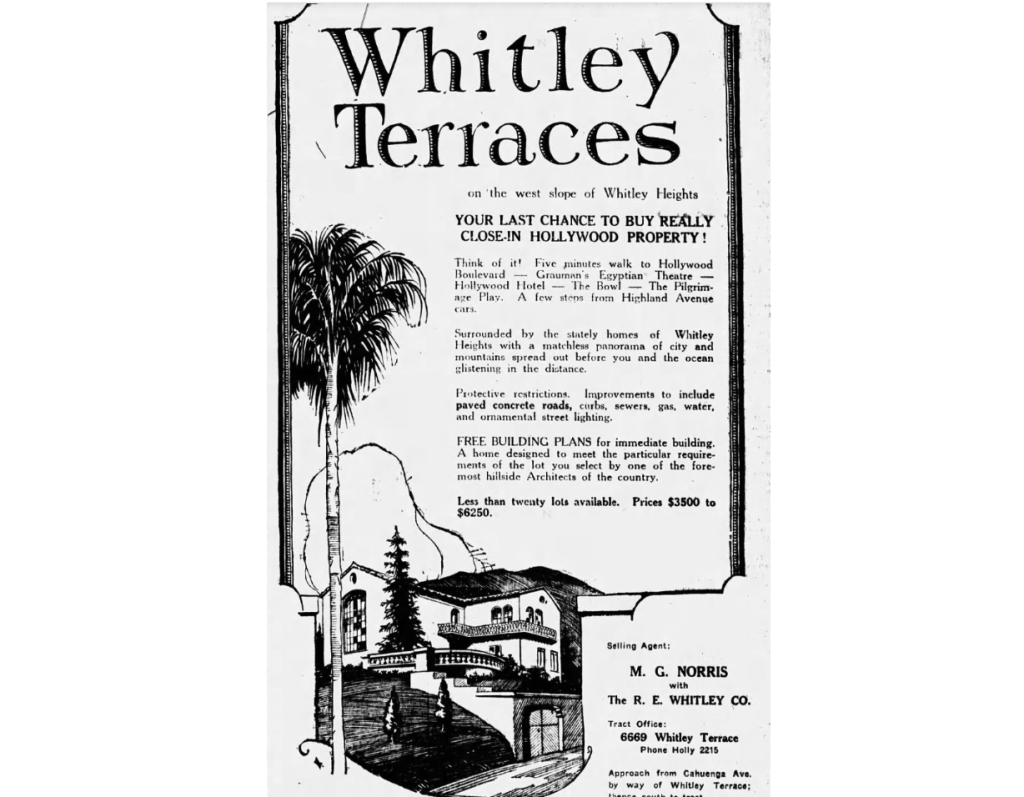
Mearl Norris, known as the “sales manager who made Whitley Heights famous” worked for Whitley between 1920 and 1924. In 1921, the Whitley’s advertised lots on Whitley Heights and offered rides to anyone that did not have a car to get up the hill. Lots would range between $2,250 to $3,300 for “extremely choice lots” while lower level lots cost between $1,700 to $2,400. To live on the hill, homes that were built were restricted to “Spanish and Italian Type Houses Only” and offered architectural plans created by Arthur S. Barnes. By 1923, Norris and Whitley were selling lots around Wedgewood Place between $3,250 and $6,250.
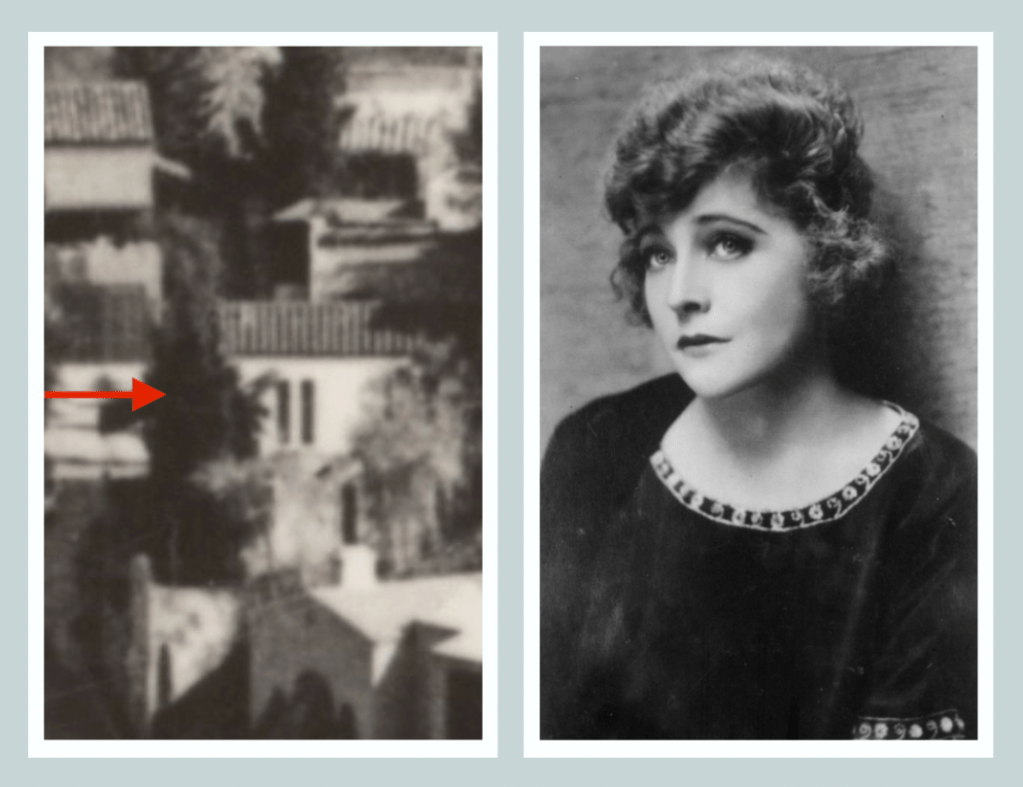
Norris also built two homes on the hill: 2119 Fairfield Avenue in 1920, which he sold to actress Ethyl Clayton in November of 1922. A year before, Norris started the second floor of the house which Clayton had to finish when she moved in. It appears that the Fairfield house was strictly an investment home as Norris was listed living elsewhere at the time.
In 1923, Norris also built 2221 Whitley Terrace Steps, one of four homes in Whitley Heights that do no have driveways. Norris lived in the guest house at 6666 1/2 Whitley Terrace and was responsible for selling the main house to director Monta Bell in 1925. This house, which now has a pool, has been linked to Anita Louise and Barbara Stanwyk.
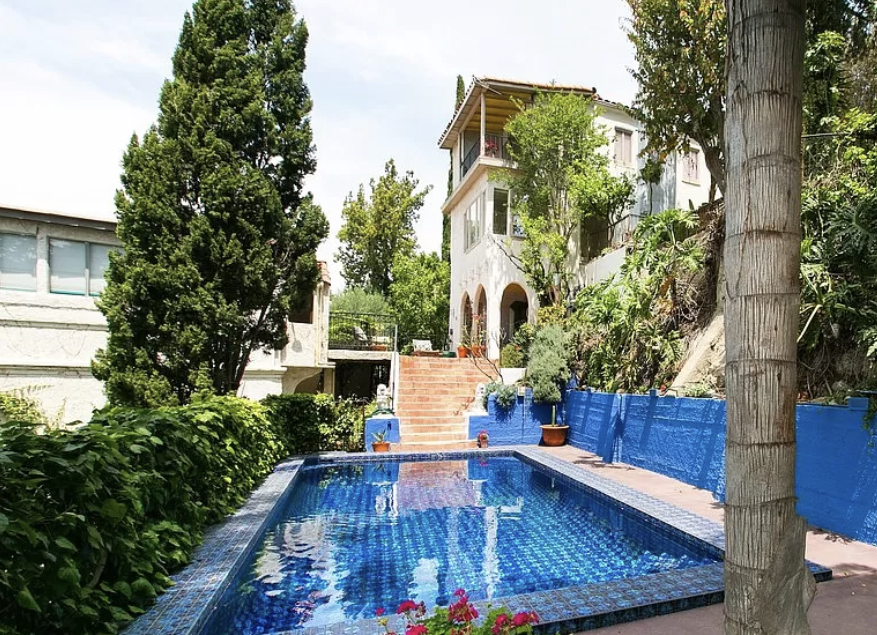
Norris’ time with Whitley Heights was cut short when on December 7, 1925, he hit a pedestrian near this residence. 24 year old Opal Brown was most likely walking down the hill to catch the bus to her newly built 4 room Van Nuys home from her domestic job she had in Whitley Heights and sustained internal injuries. After the accident there is no further mention of the sales manager who made Whitley Heights famous and by 1929, he was working for an investment firm and living elsewhere in Los Angeles.
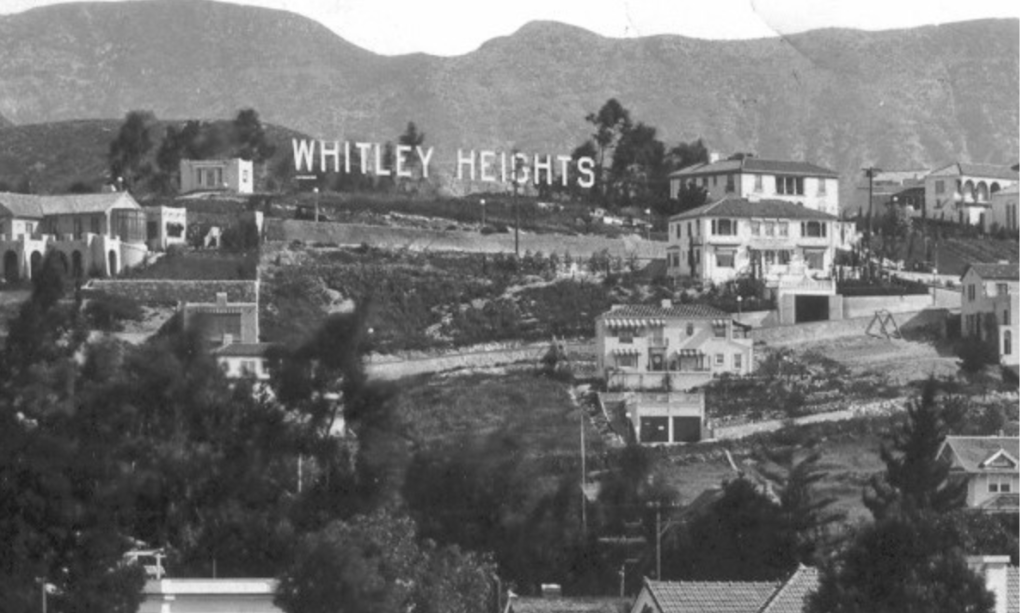
H.J. Whitley’s son, Ross, used 6669 Whitley Terrace as his office until 1927. In February of 1925, he advertised for a “right thinking, clean living Protestant, preferably a salesman with a car to interview those, personally invited by members to join established family recreational (boozeless) country club”. The Whitleys were building another neighborhood in Van Nuys with a country club. Called the “Whitley Park Country Club”, they had 175 acres on Ventura Boulevard to build a clubhouse and a 18 hole golf course. The land changed ownership several times and was eventually sold to the Buckley School, after which the land was completely cleared and all new school buildings were erected.
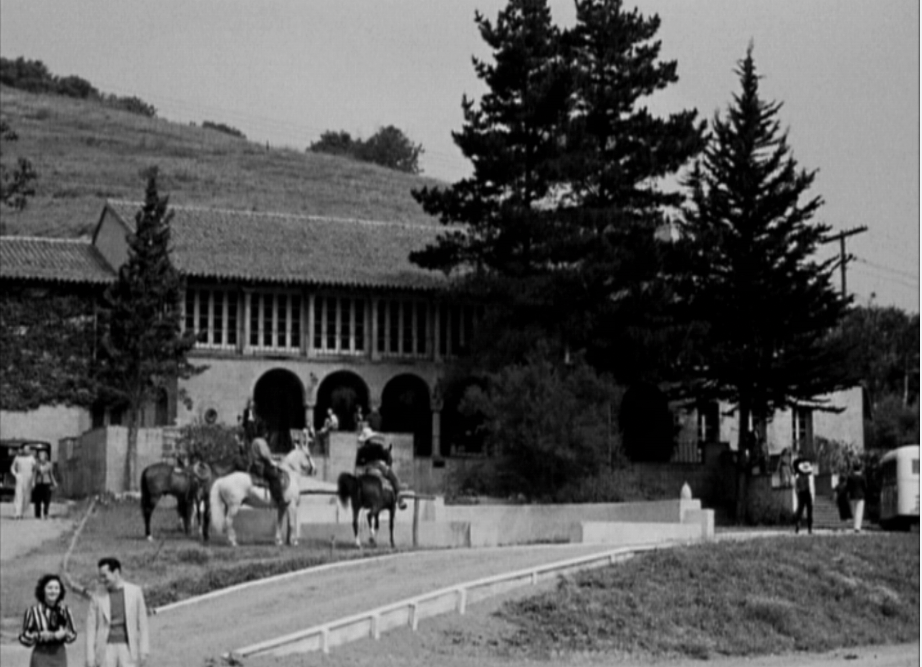
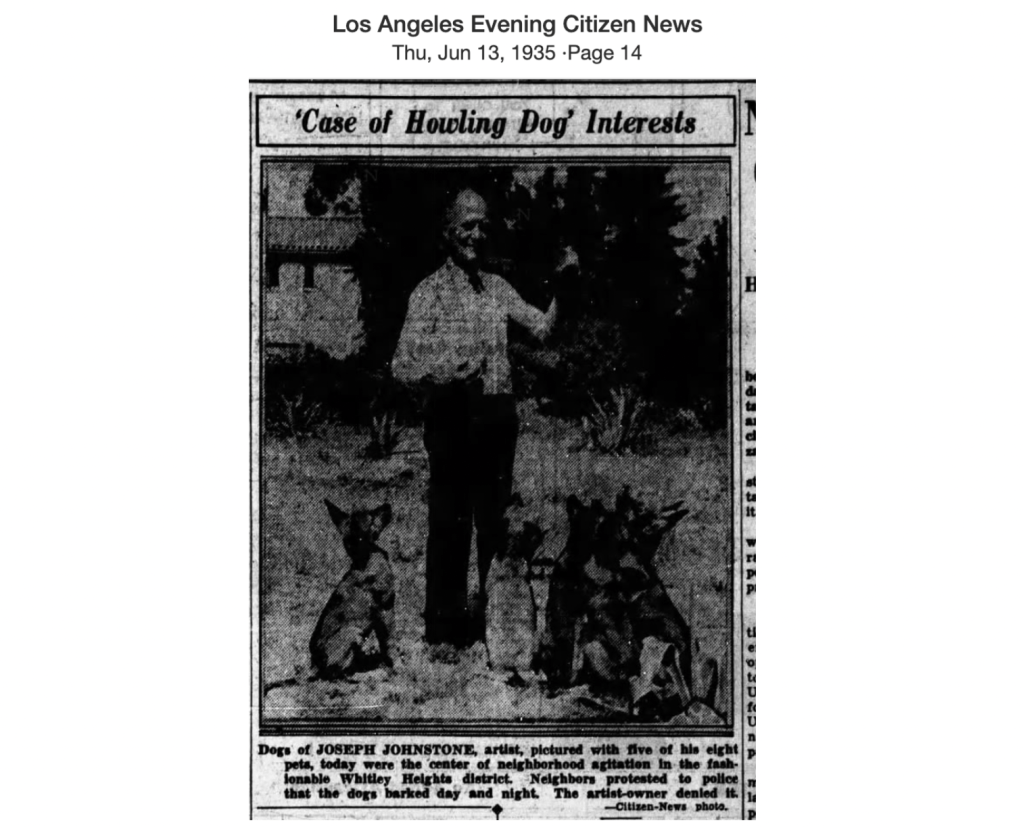
6669 Whitley Terrace may have been vacant for several years, but was rented to artist Joseph Johnstone to be used as a studio between 1933 to 1936. Johnstone actually lived in the studio with his Belgian Shepherd who was pregnant and gave birth to six puppies in 1935. The barking was enough for the neighbors as they finally complained to police in June of 1935 and told Officers Nelson and Melcher that the dogs would “snap” at them as they passed them on the road.
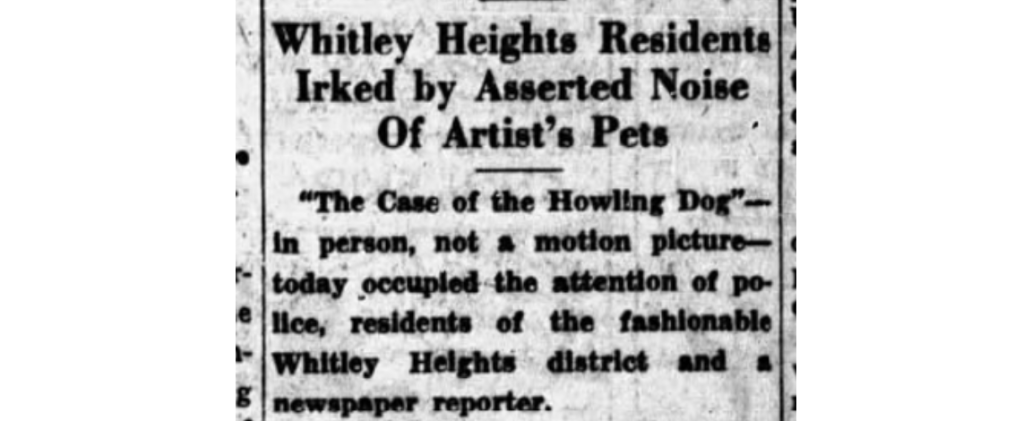
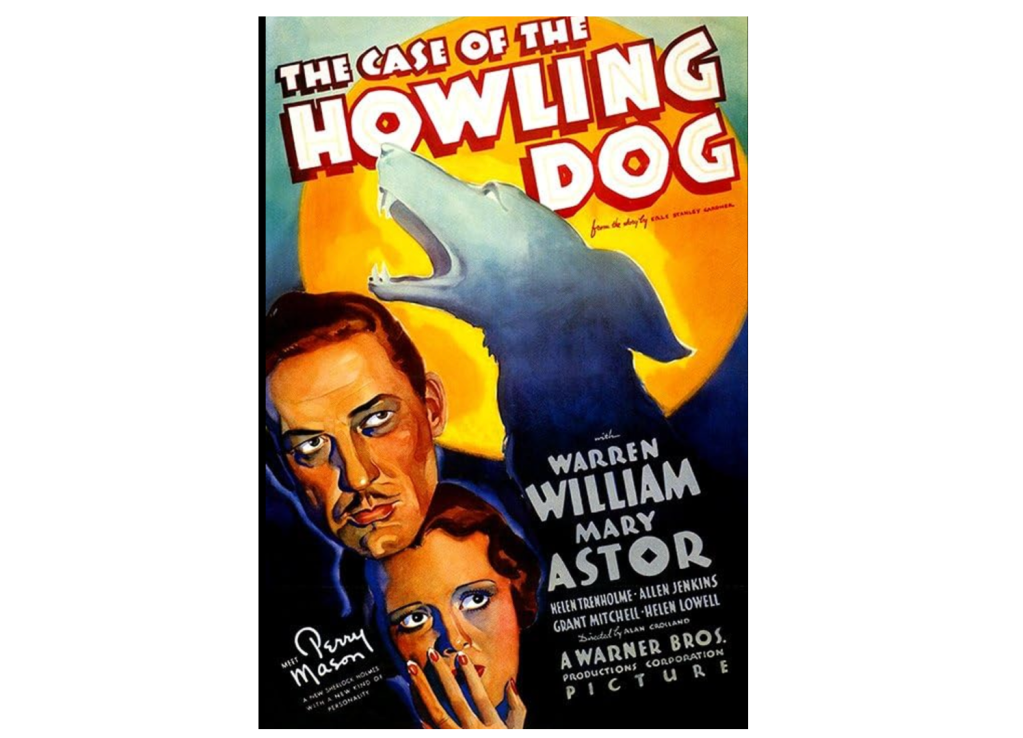
To make matters worse, the mother of the puppies grabbed a news reporter’s straw hat as he was trying to keep the dog from biting him. The incident made news and was called “The Case of the Howling Dog”, a film which starred William Warren and Mary Astor and premiered a year before.
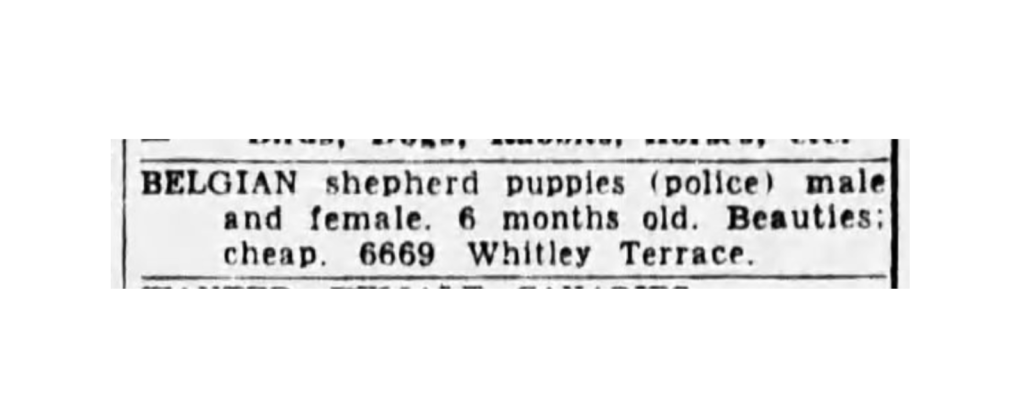
Several months later after the incident, Johnstone put an advertisement in the Los Angeles Times selling the puppies as “police dogs”. After they were sold, he quietly moved to Sunland where his neighbors would not mind the barking.
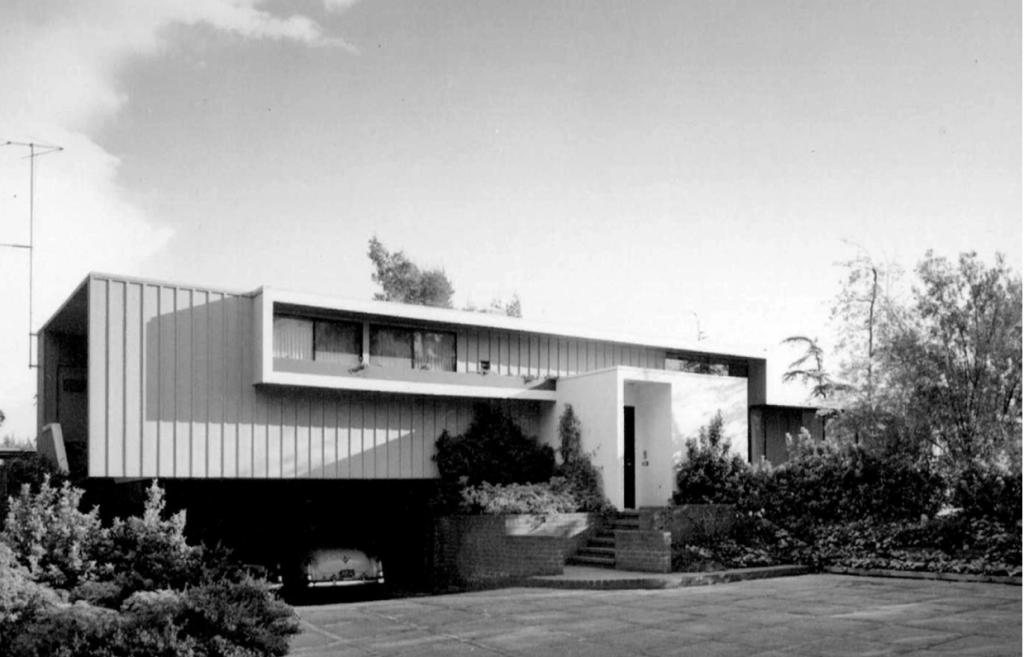
After Johnstone moved out of 6669 Whitley Terrace, there was not much use for it. The building would be torn down for the “Pike House” to be built in 1952.
 Whitley Heights 101
Leave a comment