2025-2027 N. Highland Avenue
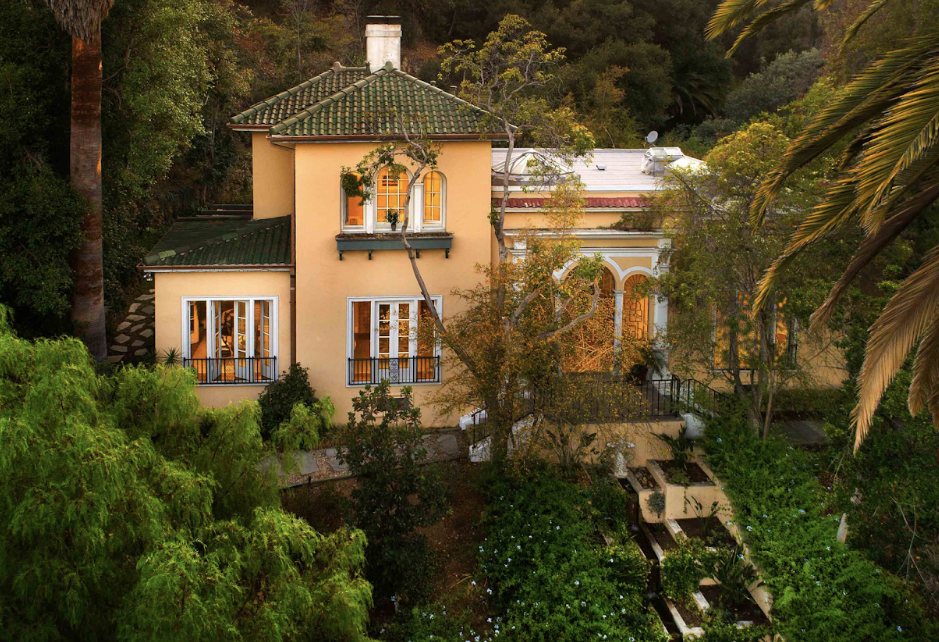
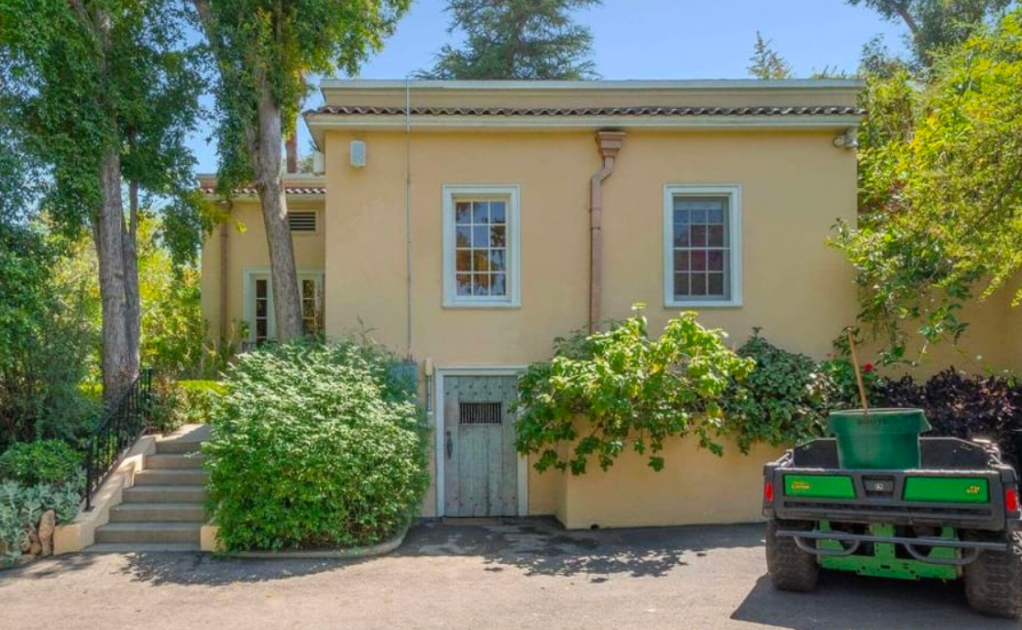
2025-2027 N. Highland Avenue is one of the oldest homes that remain from early Hollywood. The main house was built in 1904 by architects Dennis & Farwell who also designed the Magic Castle and the demolished Hollywood Hotel. The house was originally built in mission style for designer and artist Otto Classen who migrated to Hollywood from Germany after attending the Berlin School of Art. Below, is what the house looked like in its original form. Since then, it has had several additions and is now in Mediterranean style.
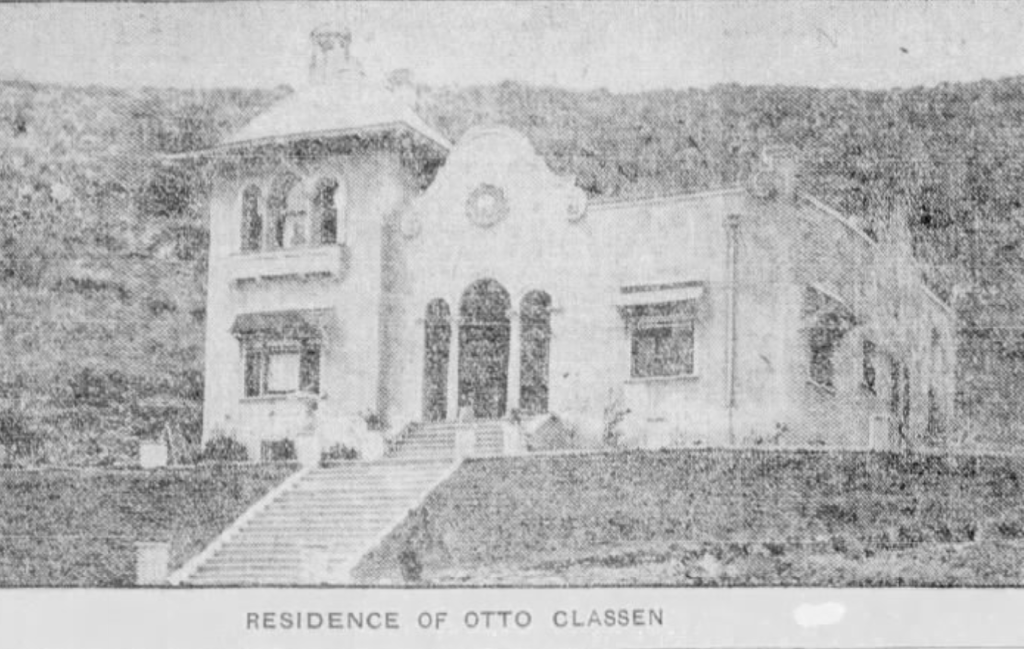
As Highland Avenue began to grow, the address changed several times from 118, to 305, to 415, to 2015 and finally 2025 and 2027 as the property was originally three acres that spanned from Highland Avenue to Glencoe Way. Currently, the property contains the original house, the carriage house, a guest house and an art studio. In 1911, Classen added a one room studio to the property. In 1918, Elsie Classen died in the home at the age of 33; Otto moved to Santa Monica by 1919.
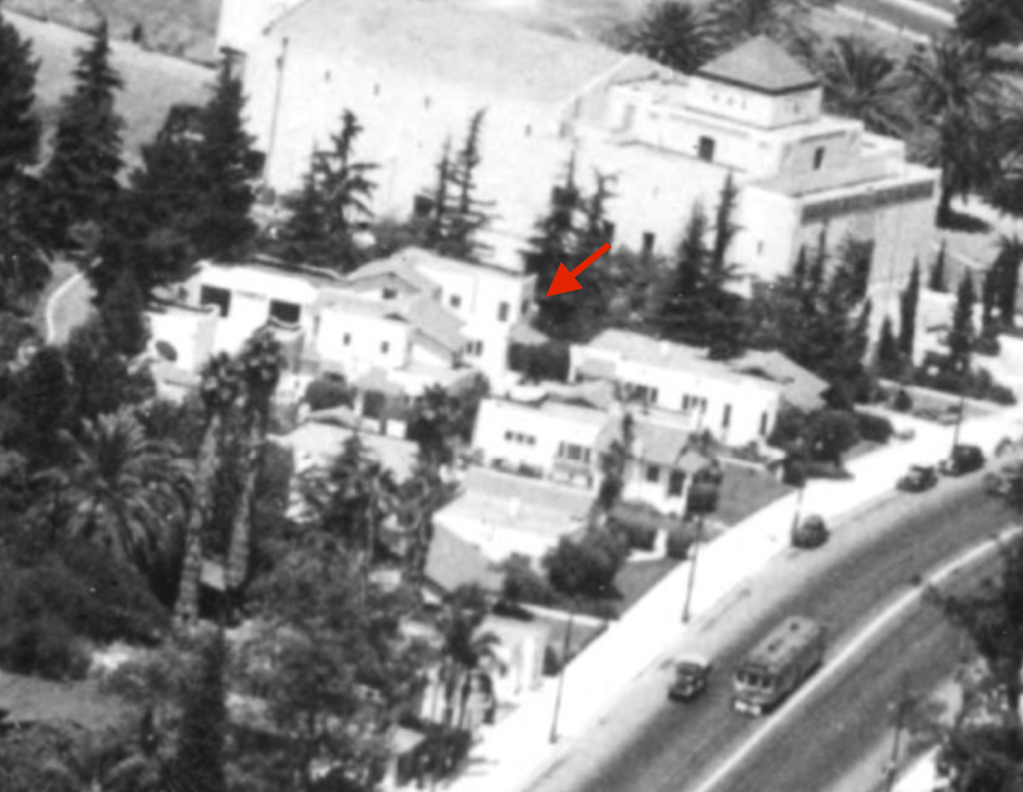
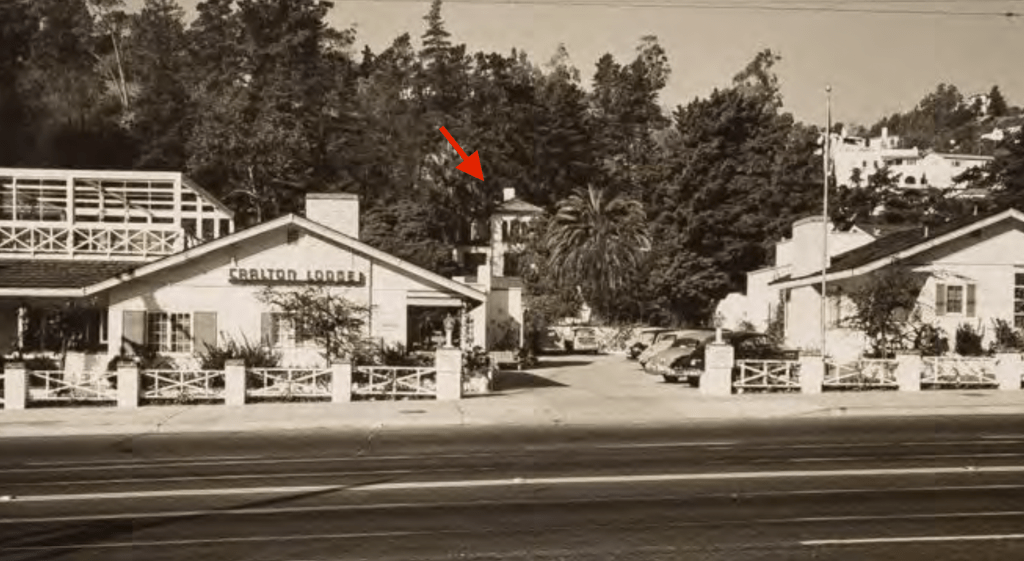
Bertha Barker, widowed wife of O.J. Barker, one of the three brothers who started Barker Brothers furniture store, purchased the home and developed the land below into a bungalow court consisting of seven duplexes and called the rental apartments “Los Nidos Court” in 1920. Below the estate can be seen between the Carlton Lodge bungalows circa 1940s.
Inside this house, Barker added the living room enlarged the kitchen, put in a bathroom on the first floor and added a bedroom and bathroom to the second floor when she moved in the home in 1919. She also added another building as a garage and another building to be used as a tool room. Barker remained in the home and as the landlord to the Los Nidos apartments until her death in 1931. On March 3, 1931, her sister found her death in her bedroom as a result of a chloroform overdose. She apparently suffered from insomnia and used the anesthetic in an attempt to get some sleep. While Barker was living in the estate, she rented her guesthouse to several Hollywood film stars.
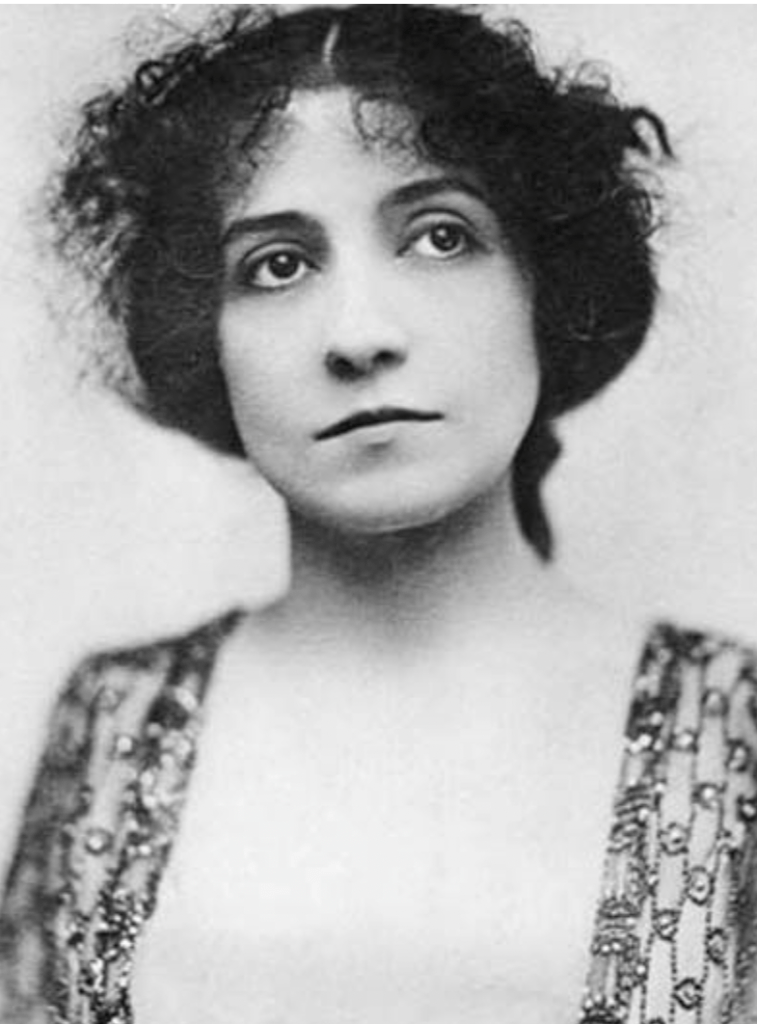
In 1926, silent screen actress Florence Turner, rented the 2025 N. Highland Avenue guesthouse. Turner appeared in almost 200 films between 1907 to 1943 before her death in 1946. Like many silent screen stars, she had difficulty transitioning to sound but MGM kept her on the payroll as she was reduced to extra roles.
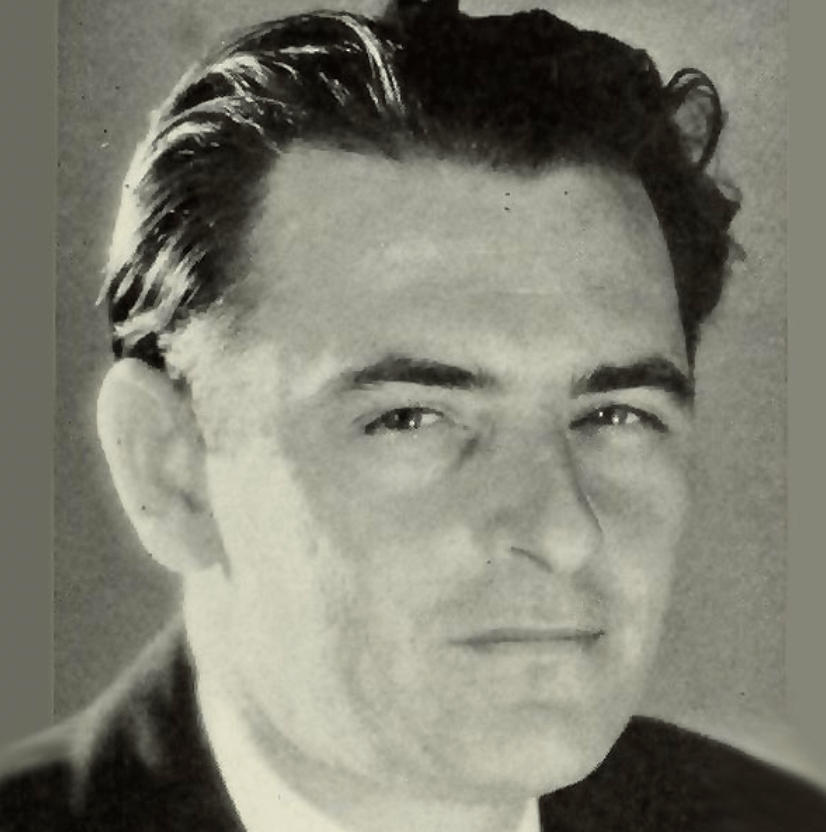
Producer and director Bryan Foy and his wife, actress Vivian Edwards, rented the guest house in 1931. Foy directed short films from 1923 to 1932 and produced 255 film and television shows until 1963. Her produced Vincent Price’s “House of Wax” in 1963 and worked at 20th Century Fox. He married silent screen star Vivian Edwards in 1926 who had retired from the screen in 1917 and worked on 57 short films.
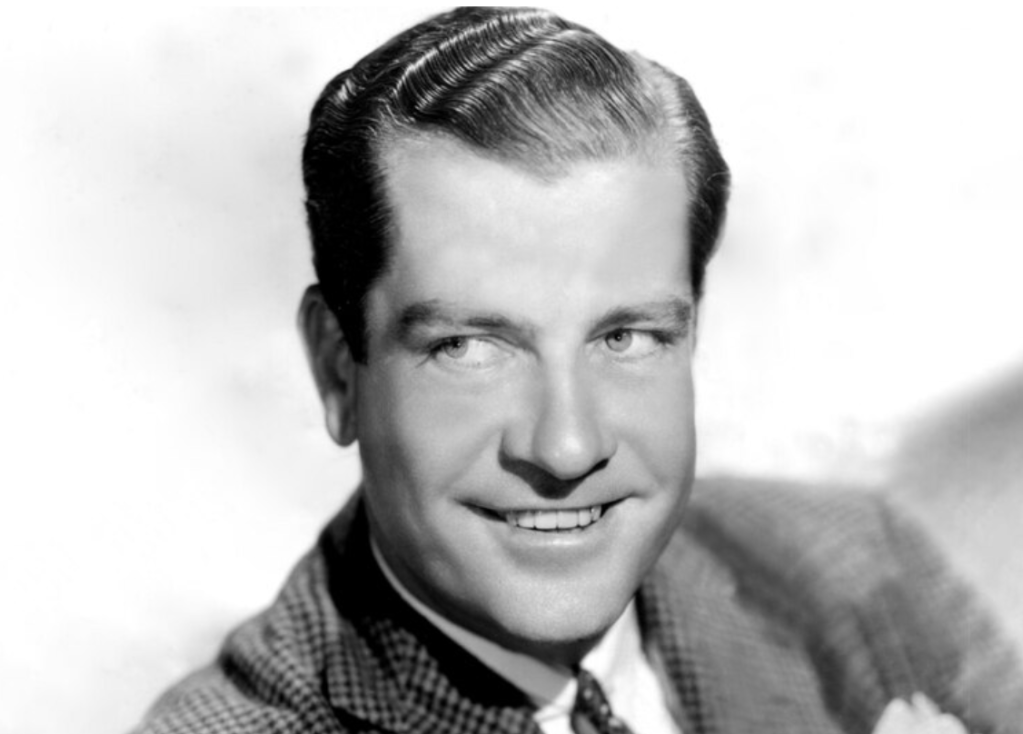
Actor Regis Toomey rented the guest house in 1932. With the birth of sound pictures, Toomey debutted in Alibi (1929) starring Chester Morris and would appear in over 200 roles. He would appear opposite female stars Clara Bow, Constance Bennett, Barbara Stanwyck and Evelyn Brent. During the 1950s he found work in television and appeared on shows until 1982 including; The Mickey Rooney Show, The Adventures of Ozzie and Harriet, Maverick, Rawhide, Route 66, The Magical World of Disney, Perry Mason, Green Acres, Petticoat Junction, Adam-12, Police Story, Fantasy Island, and It’s a Living.
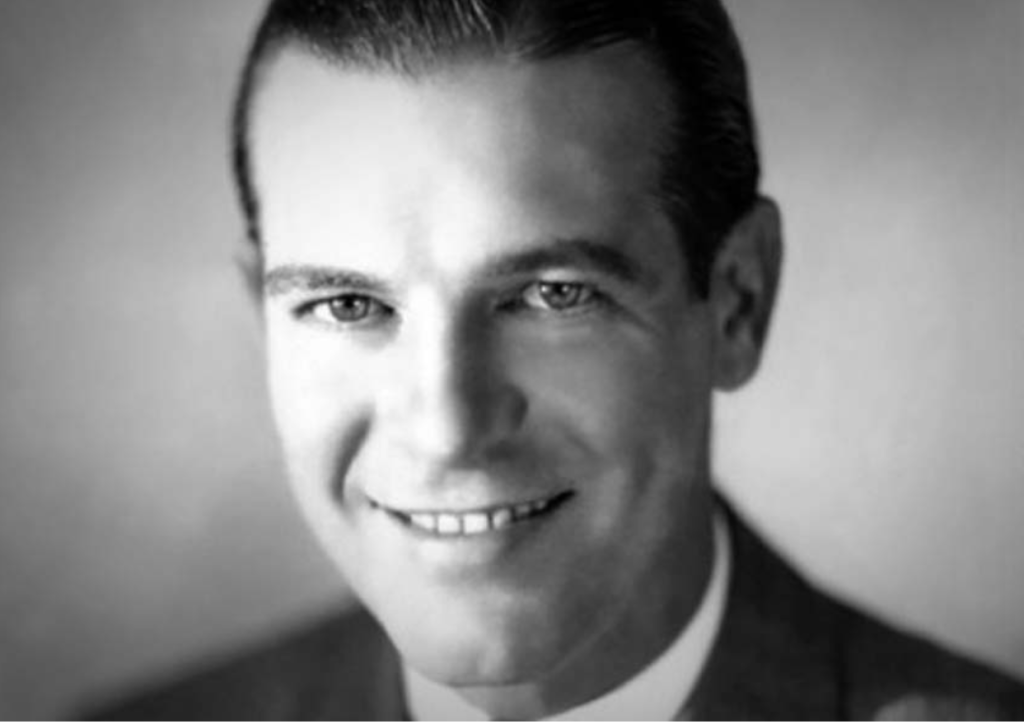
Between 1937 and 1938, actor Lawrence Grey (1898-1970) rented the guesthouse. Grey starred in 45 films between 1925 and 1936. His good looks landed him starring roles opposite Gloria Swanson, Evelyn Brent, Louise Brooks, Norma Shearer, and Colleen Moore. He appeared in “The Jazz Singer” one of the first films to have synchronized sound and his tenor voice was in demand for musicals. However, when the popularity for musicals began to diminish, so did Grey’s acting career.
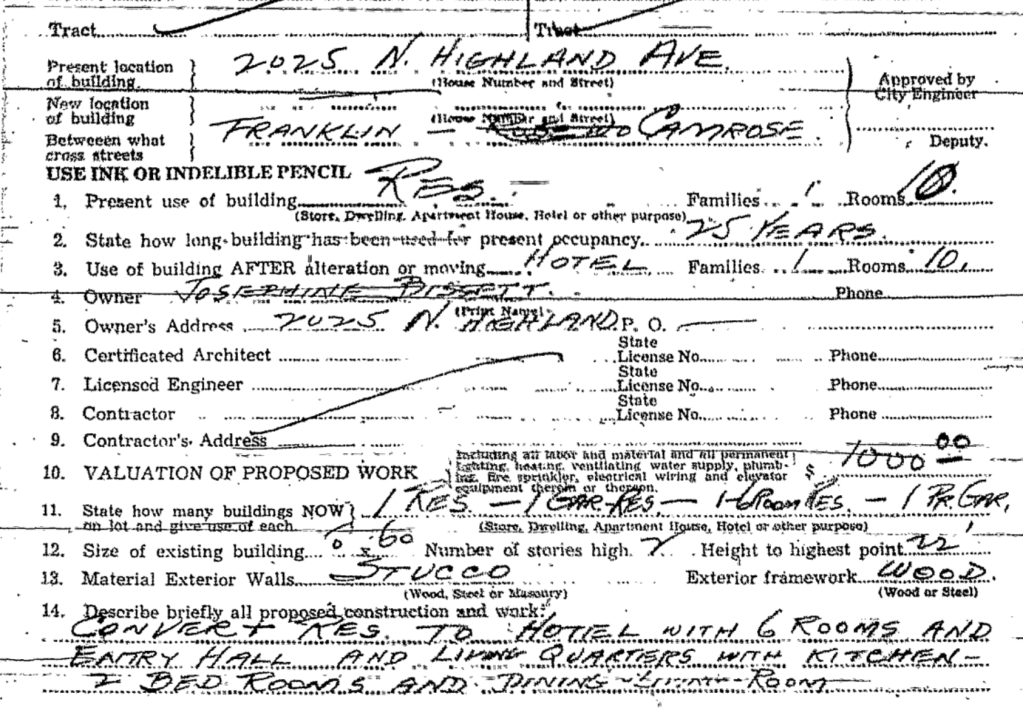
The property exchanged hands several times including to Josephine Bassett who attempted to turn the residence into a hotel in 1946 and was unsuccessful. Below, is the permit that was never used.
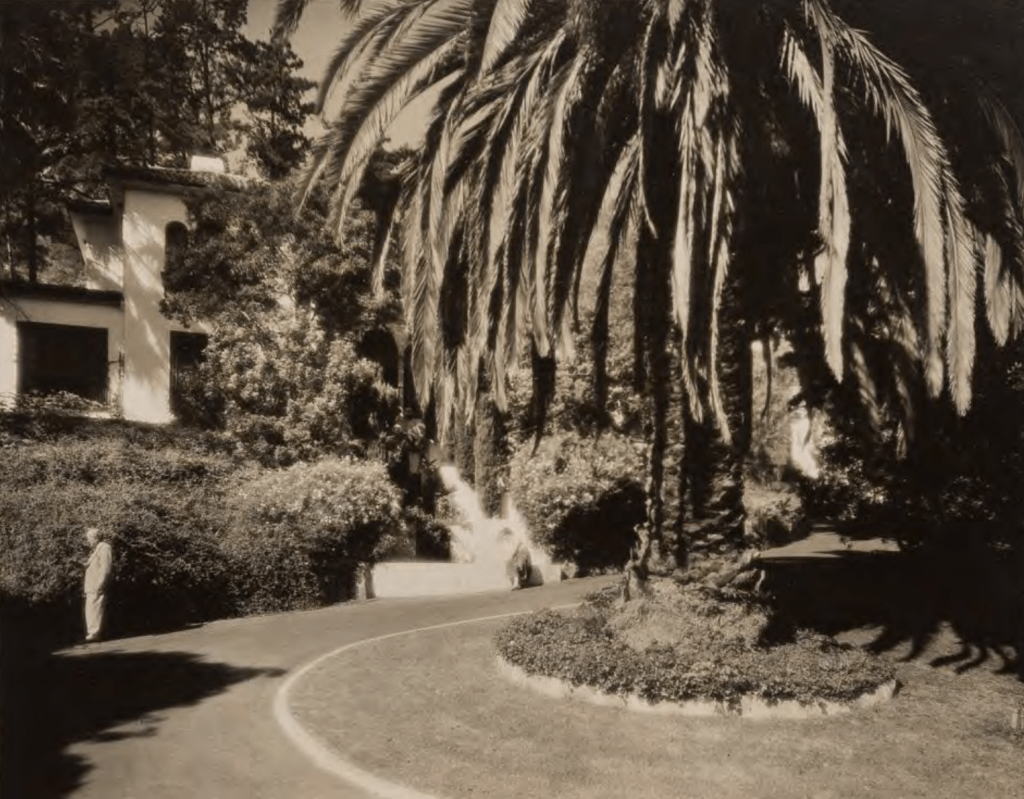
In 1940 the property was purchased by Henry and Mona Luvins who turned the Highland Avenue property into the Hollywood Art School until 2000. The Hollywood Art Center School operated out of 3 locations, the Wilshire Art Building, 3819 Wilshire Blvd., a house down the street, 1905 N. Highland Avenue, whom Lovins allegedly purchased in 1930 from Douglas Fairbanks Sr., and this property.
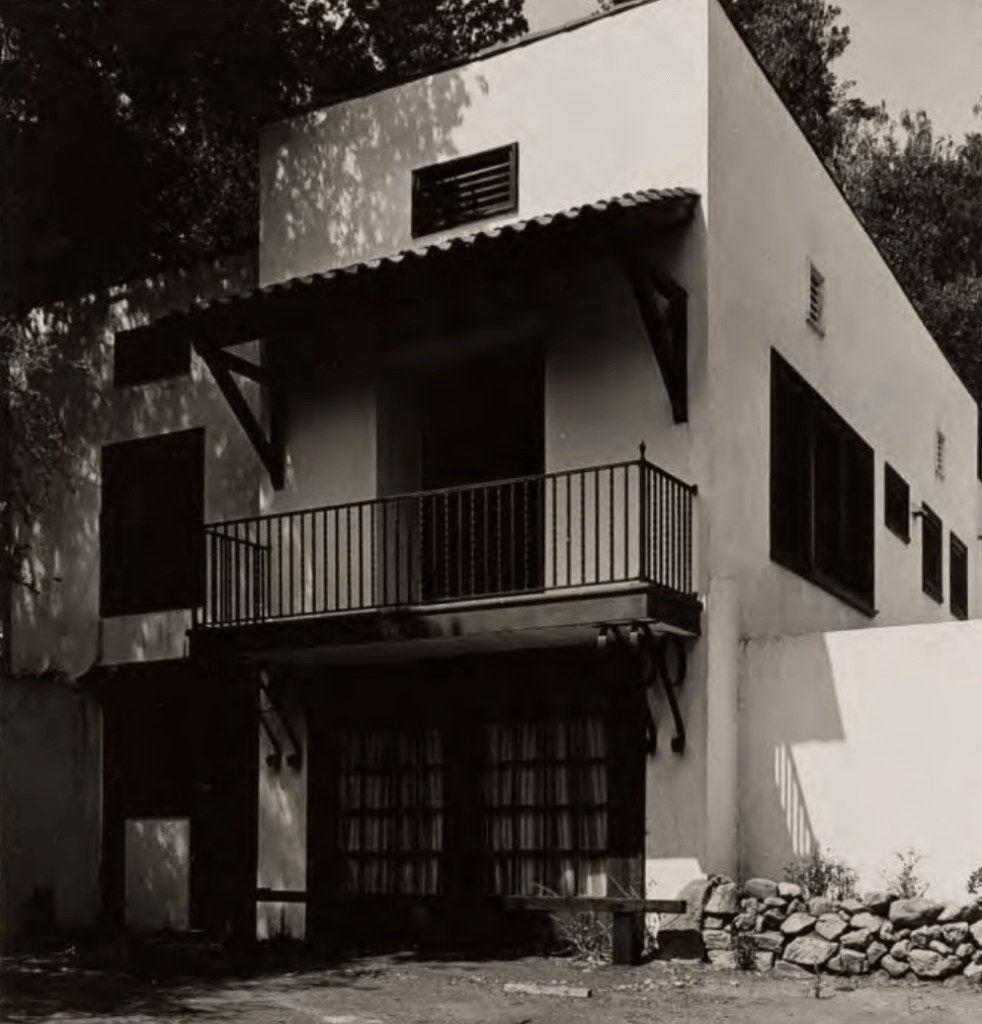
To create the art school, Luvins converted the guest house into classrooms and the garage into a studio.
During the 1960s and 1970s, the Luvins son, Jay, ran Threshold Films and Hollywood Film Associates out of the property. With the passing of Henry Lovins in 1960 and Jay Lovins in 1985 as well as the loss of accreditation in the 1980s, the school went into a long decline, eventually closing following the death of Mona Lovins in 2000.
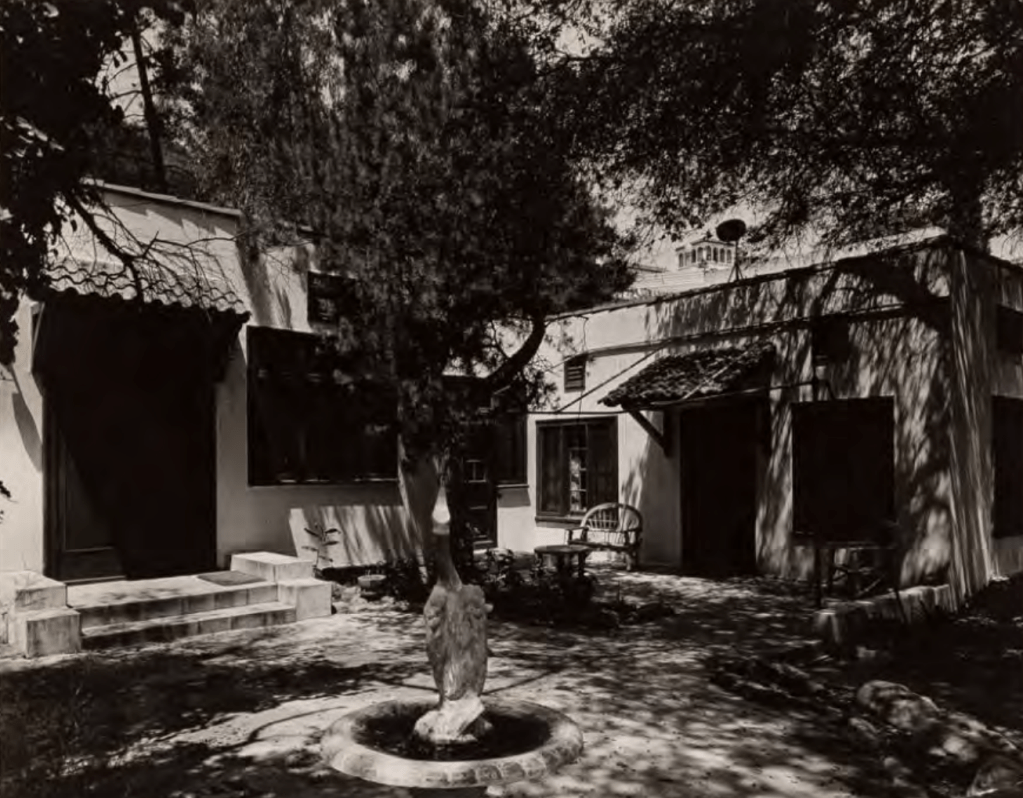
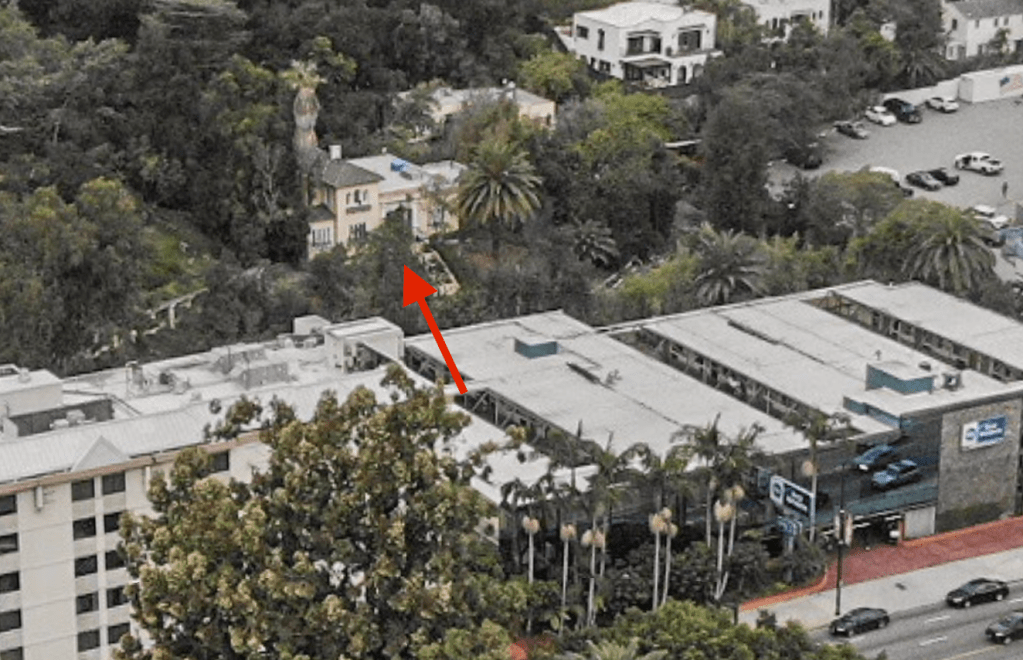
The property was sold to Joan Payden in 2002 who restored the property into a private residence calling it “Highland Tiffany” estate which she used for her philanthropic activities. To avoid any development company tearing down one of the earliest Hollywood homes, it was named a historical cultural monument in 2019. The house has been on the market several times unsuccessfully as buyers are not allowed to demolish any of the buildings. Real estate agents claim the house was another William Randolph Hearst and Marion Davies secret hideaway with no real merit. Currently, the property sits on 2.56 acres and is accessed by a private drive between the Best Western and the Hollywood Legion Post.
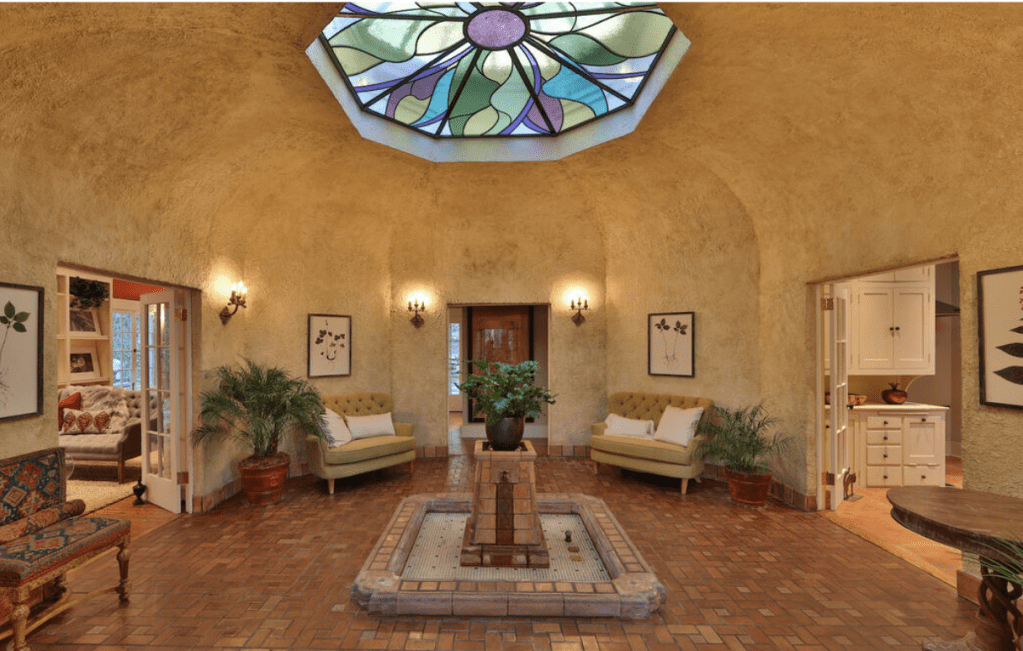
The main house is 3,361 square feet where the front door opens into an octagonal hall which was once an open aired courtyard that was replaced with a covered stain glass skylight. The central feature in the hall is an original Batchelder fountain that is surrounded by a square shallow tile pool. All of the main rooms of the first floor- dining room, original sitting room, family room/library, kitchen, staircase, and back bedroom can be entered off of the central hall.
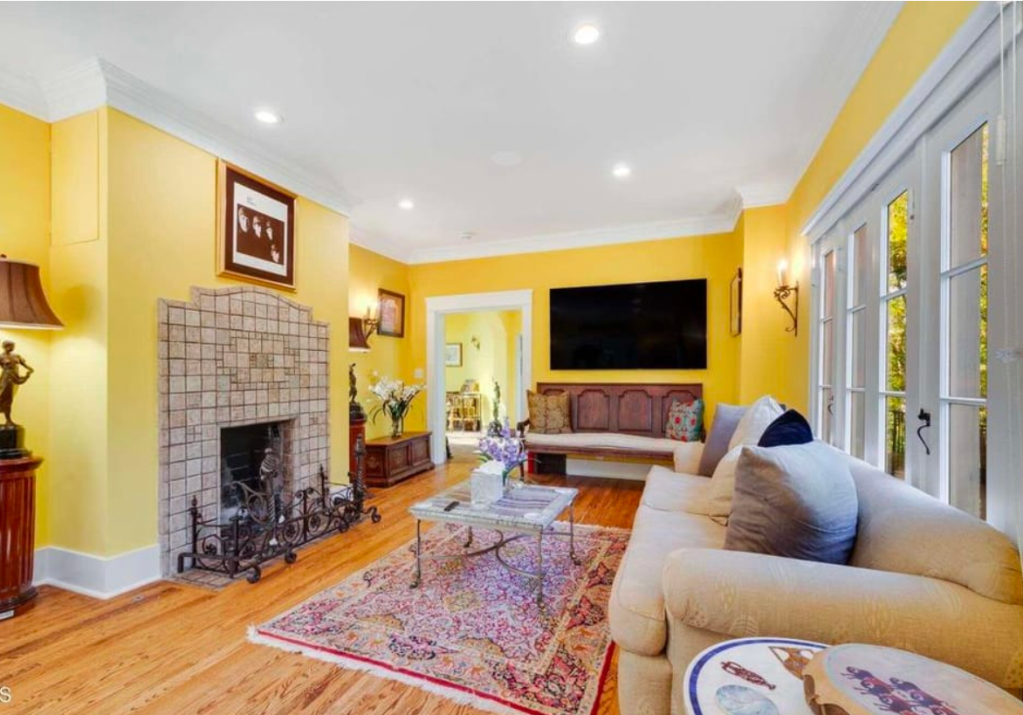
The original sitting room has its original Batchelder fireplace with glazed tile decorations and the dining room has its original mission style built-in hutch.
The second story has two bedrooms with one bathroom and there is access to the roof. There is a long narrow basement which runs beneath the front of the house where brick and cement foundations are visible.
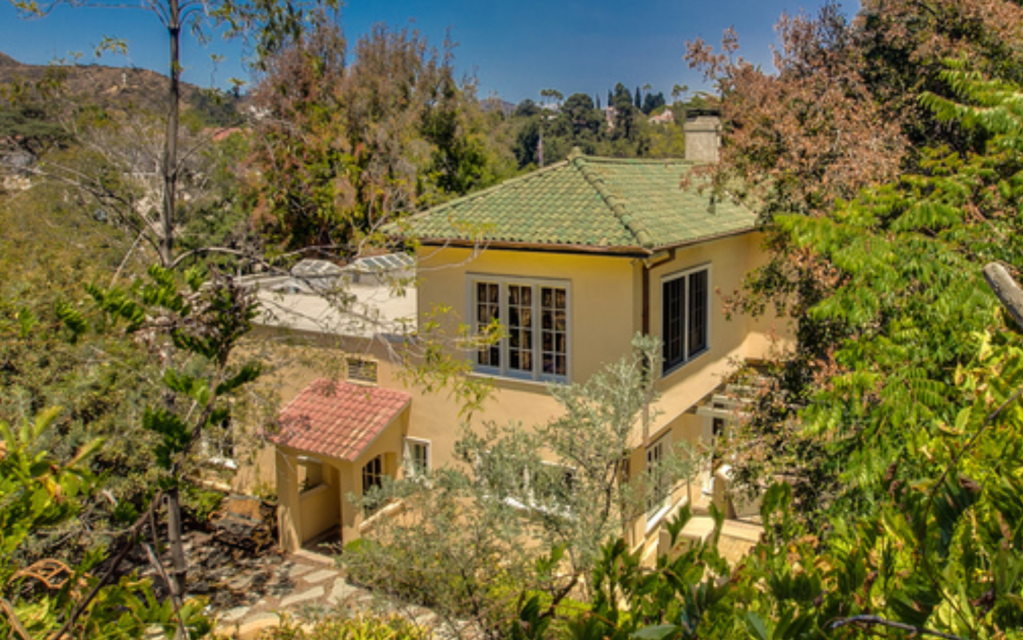
The guesthouse is northwest of the main house which was the former art school classroom. The 2-story wood framed stucco building has been converted one-bedroom guest house with a living room, kitchen, bedroom and studio.
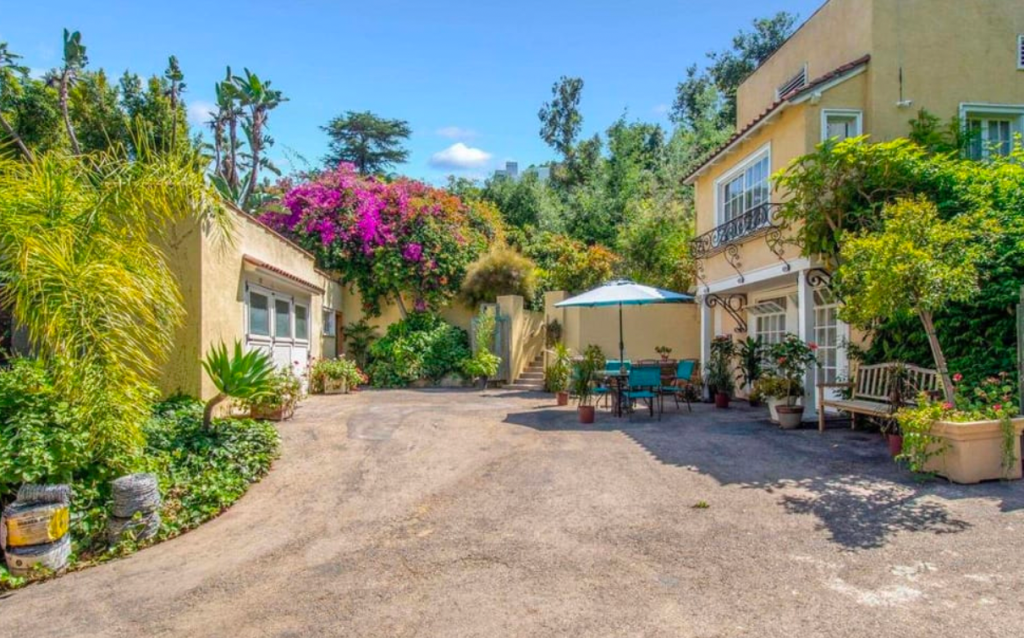
North of the main house opposite the lower ground level of the guest house is another structure which was originally built as a garage and later converted into a studio. The exterior is similar to the guesthouse and interior is a single large room brightly lit with skylights and a large industrial metal window. The room is accessed through a large set of carriage doors on the west side of the building.
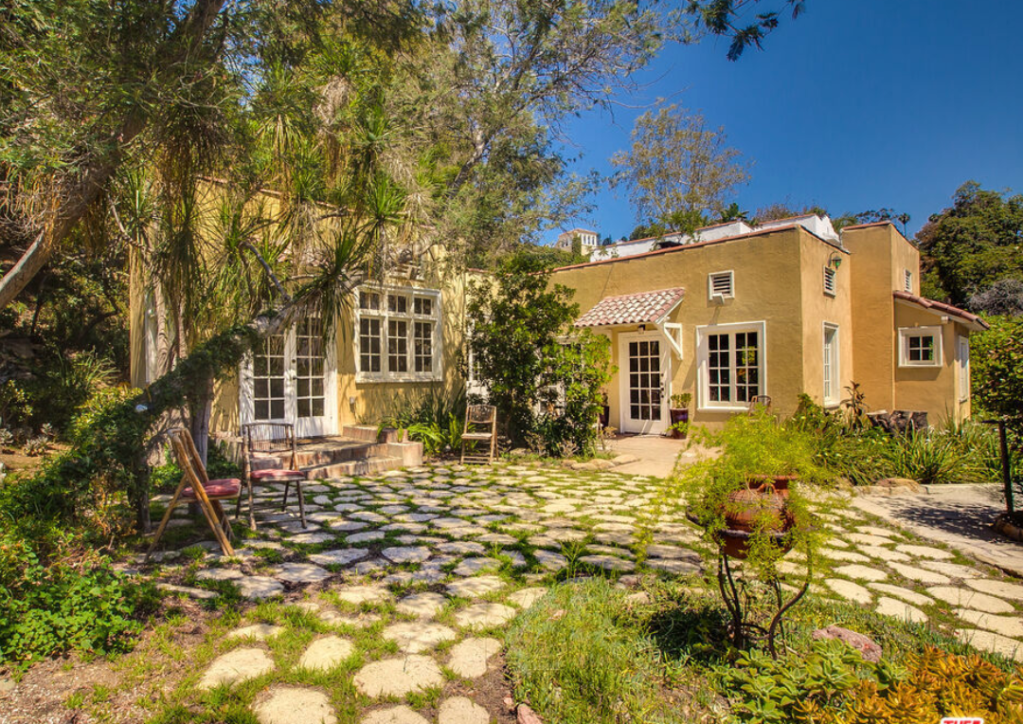
The last building, the carriage house, another former garage, now converted into another guest house is located on the southeast corner of the property. An addition to the building in brick to the south giving the building a “wedge” shape. Inside there is one bedroom, a kitchen, living room and bathroom. Luckily, the property has to be maintained and the 1904 house, one of the earliest houses built in Hollywood will remain.
 Whitley Heights 101
Leave a comment