6705 Franklin Avenue
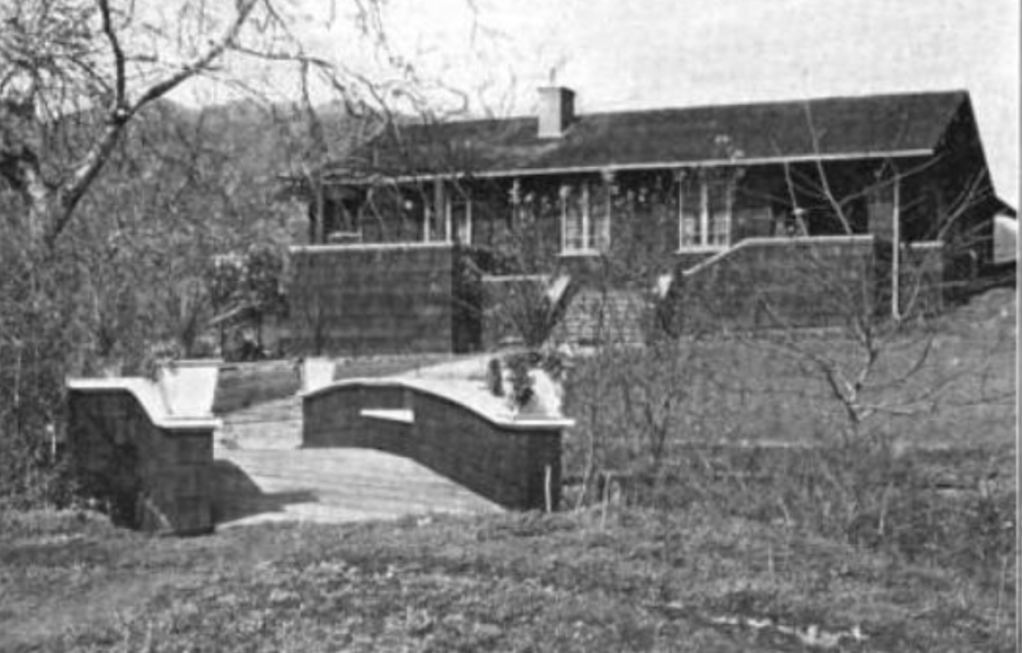
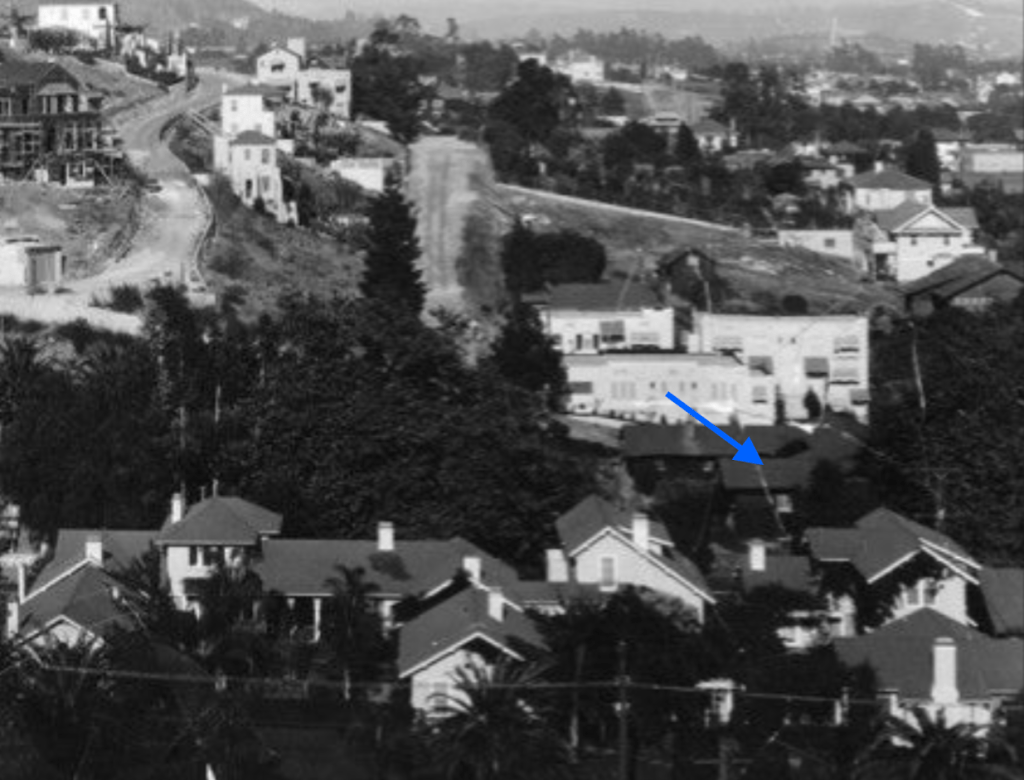
6705 Franklin Avenue was described as the first bungalow home to be built in Hollywood by the Los Angeles Times by architects Myron Hunt and Elmer Gray in 1907. The house was the second house to the right of the intersection of Franklin and Highland Avenues and next to the famed WR Blackburn home that actress Norma Shearer rented in 1925.
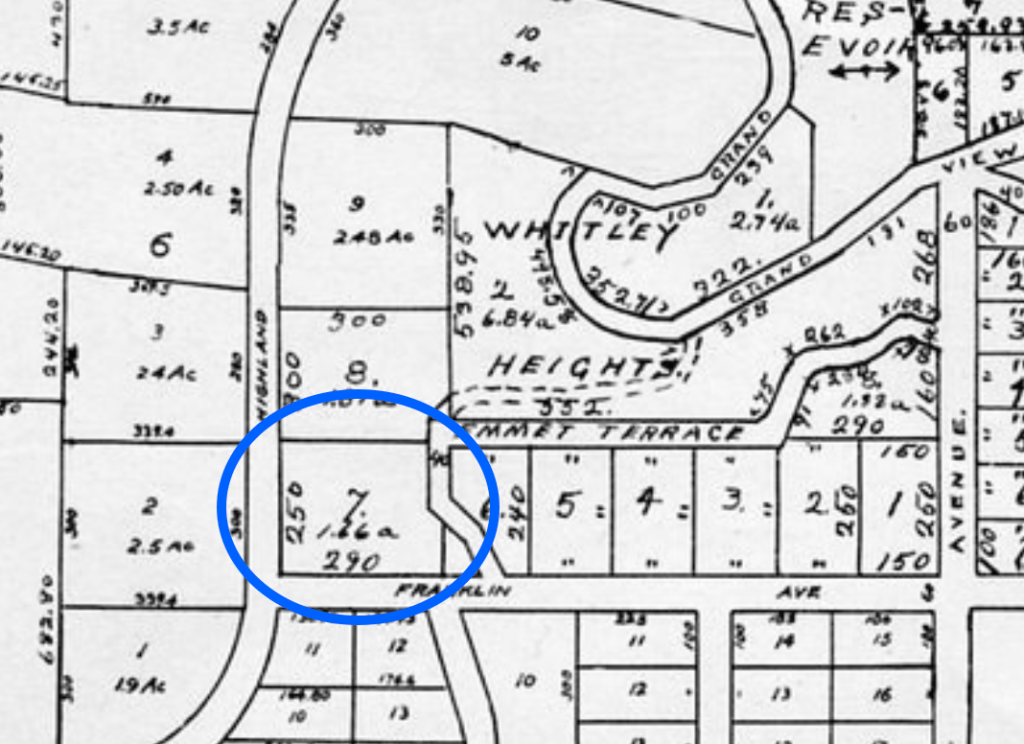
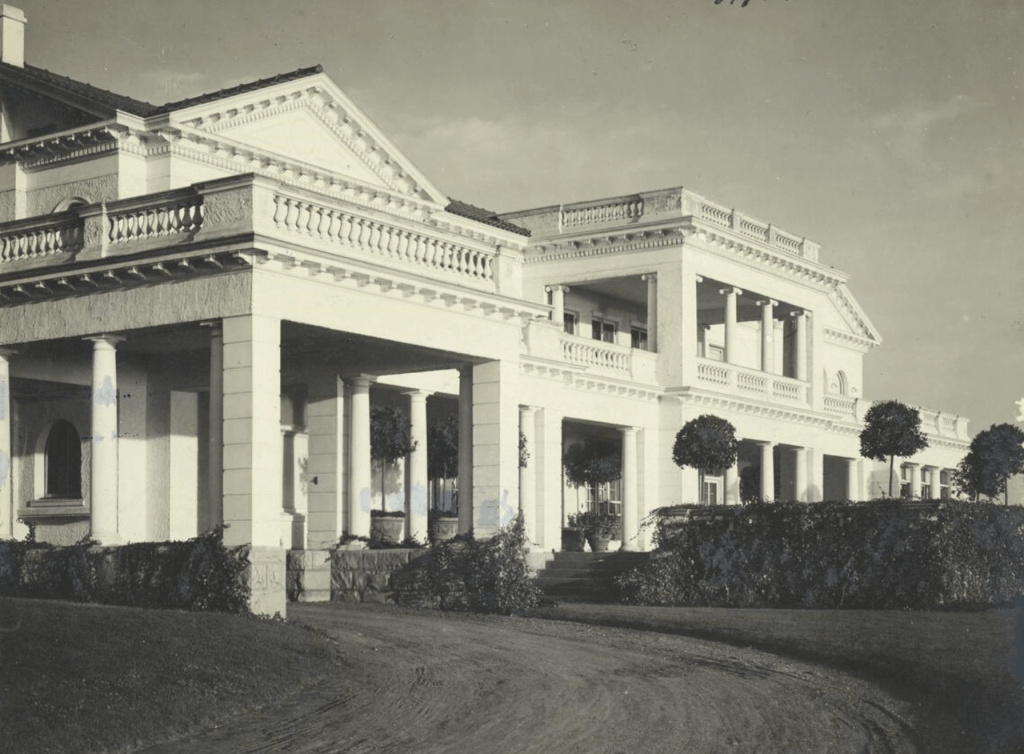
Lee Eleanor “Birdie” Pollock Graham had purchased the entire block and built this home for her parents, Mr. and Mrs. Thomas H. Pollock. Graham was one of the richest women in America; she had married oilman William M. Graham in 1889, who later became the “California Oil King”. They built a 25,000 square foot Italian villa featuring a 26-foot-wide veranda called “Bellosguardo” (below) in Santa Barbara in 1903. The original structure was damaged in a 1925 earthquake which was rebuilt by the next owner.
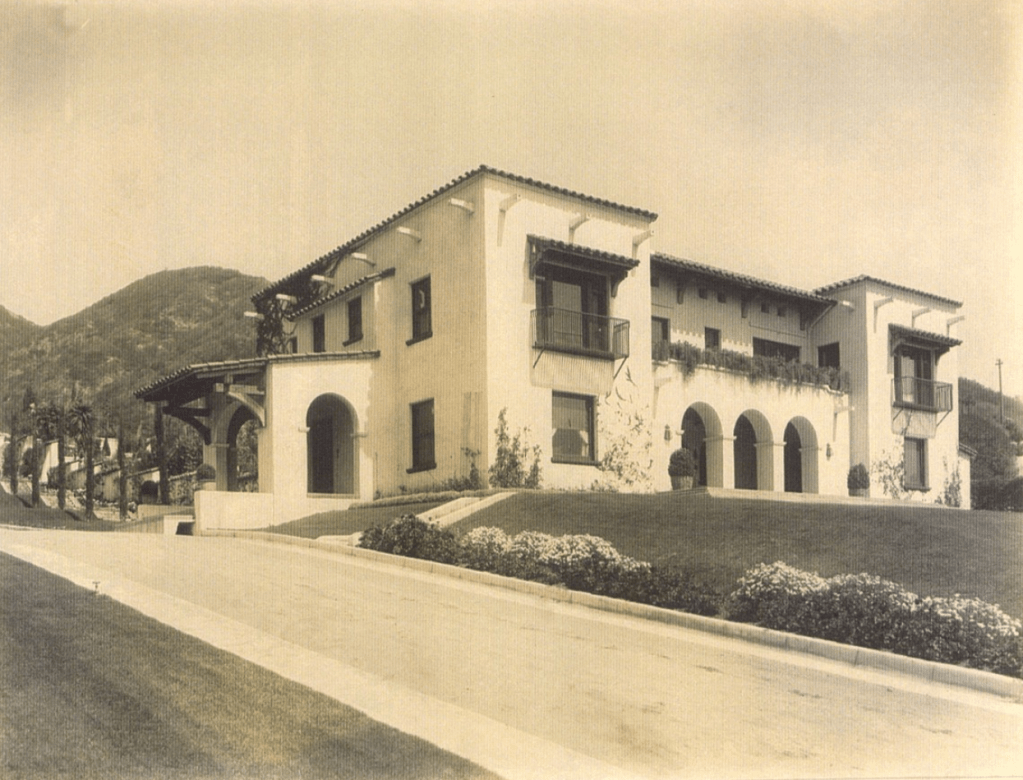
Architects Myron Hunt and Elmer Gray were prominent architects of Southern California at the time and had built the famed Wattles mansion in 1907. The Wattles mansion is located at 1824 N. Curson Avenue and is designated at a historical landmark (pictured below).
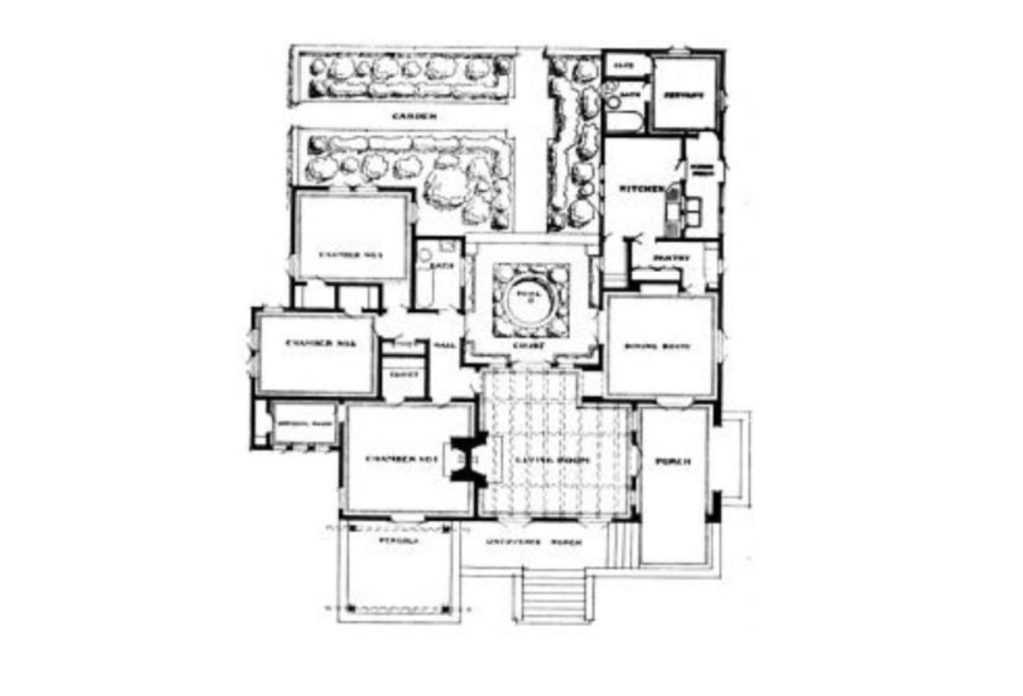
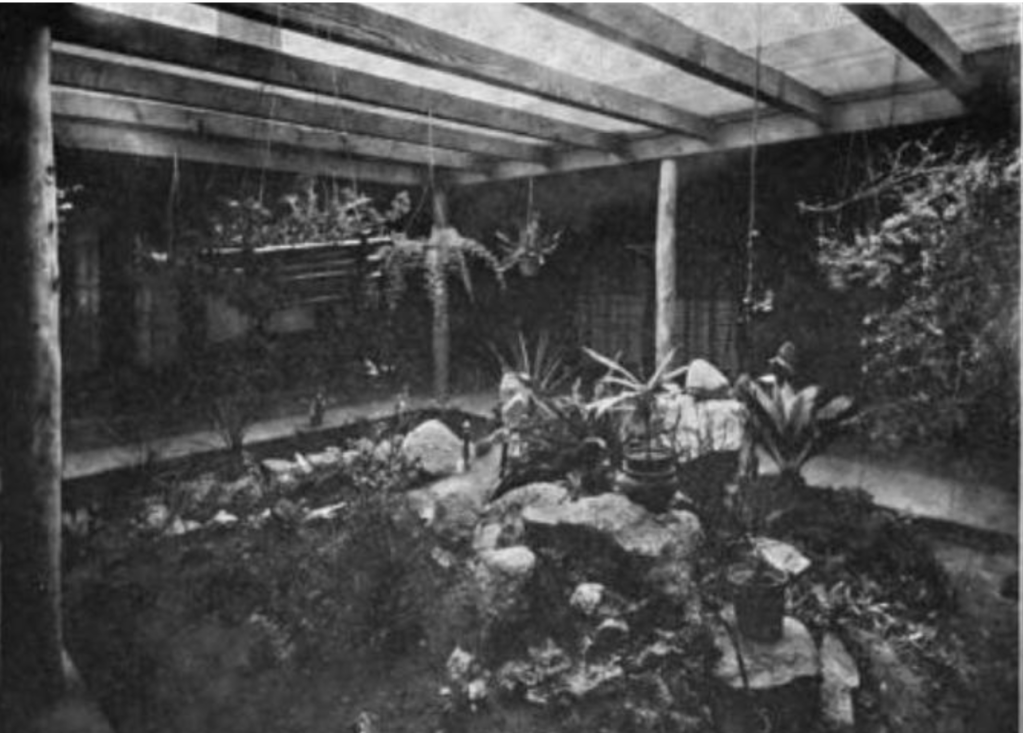
6705 Franklin Avenue was featured in “Architectural Review” and “Indoors and Out: The Homebuilders’ Magazine” in 1907. “The oddest houses in California are the bungalows, modeled after the adobe ranch houses the Spanish built in the olden days when they colonized in the southwest, They are always one story, low, long and simple, their sunny rooms all opening upon the secluded courtyard that is the prettiest place unimaginable”. Below, the patio was photographed showing a fountain containing goldfish and pond lilies which was located in the center of the property. The house featured three bedrooms on the leftside and a servants quarters on the right behind the kitchen.
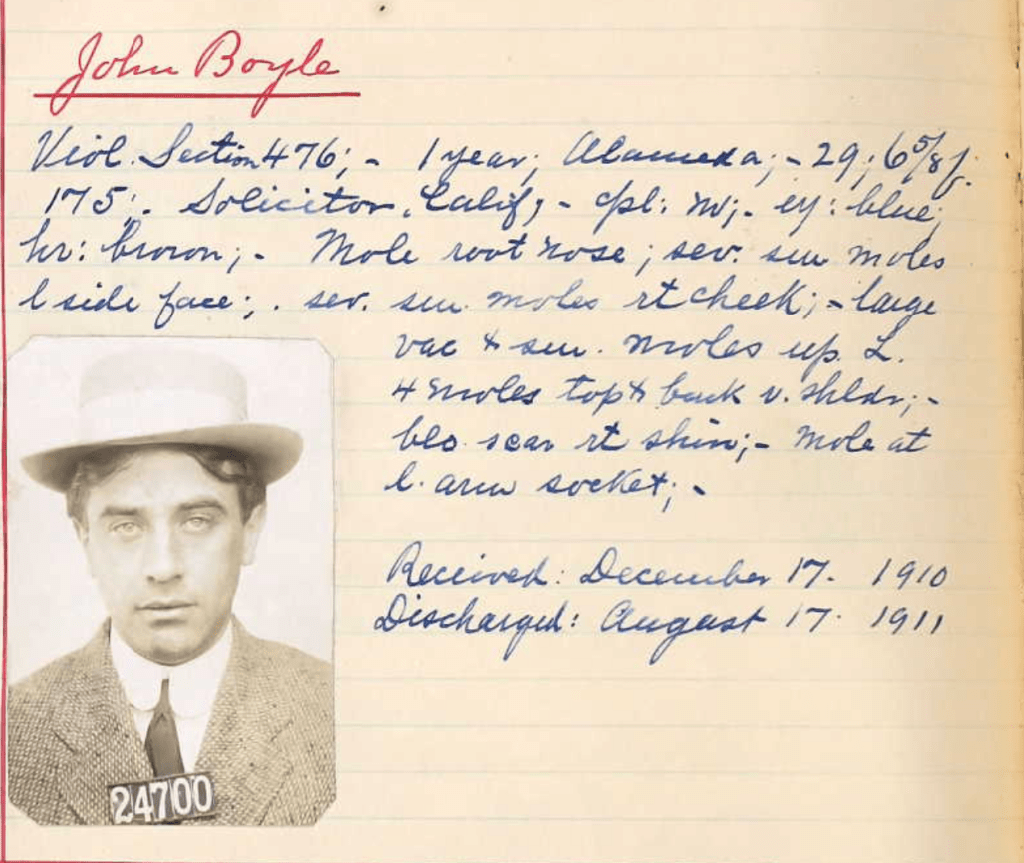
After Thomas H. Pollock died in 1923, Mrs. Pollock rented out the house for several years before she sold it. In 1924, the house made the news after magazine editor Jack Boyle rented the house and his “wife” tried to commit suicide in the home. Born in San Francisco in 1881, Boyle started his career as a journalist for a newspaper who became dependent on opium in order to meet his deadlines, lost his job, and turned to crime to support his habit. He was sent to San Quentin for a year for writing bad checks and then moved to Colorado. He was then convicted for robbery in Denver and while serving another prison term, he began writing a series of short stories, featuring the main character named “Boston Blackie” for the American Magazine based on his experiences, under the pseudonym “No. 6606,” his prisoner number.
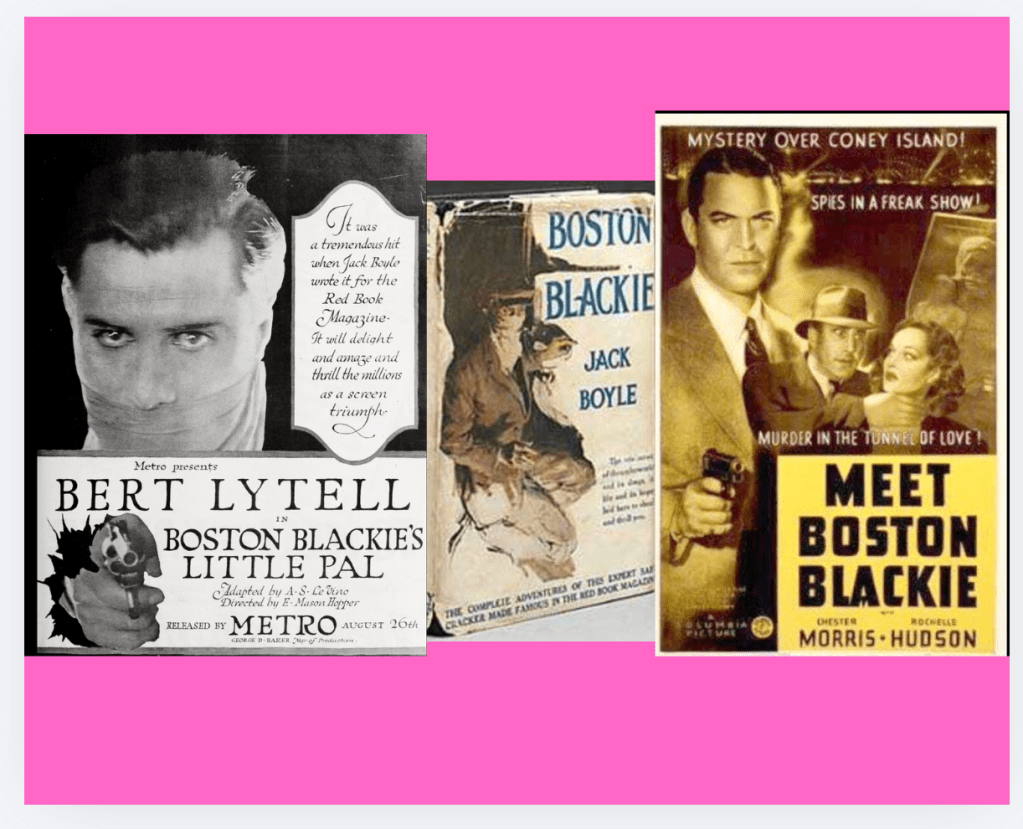
When he was released, he continued writing and his stories were featured in Redbook Magazine from 1917 to 1919 and then adopted to the screen from 1917 to 1927. During the 1940s, the character was revived and more films were made which starred Chester Morris. Boston Blackie was a popular character as he was featured on radio and television also during the 1940s.
Boyle married Violet Petersen in 1910 and separated ten years later. In 1921, Violet filed for divorce as she could not put up with his habitual drinking and violent outbursts. In 1922, while Boyle was living in New York, he met a Broadway dancer named Elsie Thomas and they married in Greenwich that same year. They then moved to Hollywood where Violet showed up and informed Boyle that they were not legally divorced and his second marriage was not valid. Elsie had a nervous breakdown and was hospitalized and upon her return home, she attempted to kill herself via a gas stove when they were living on Morgan Place.
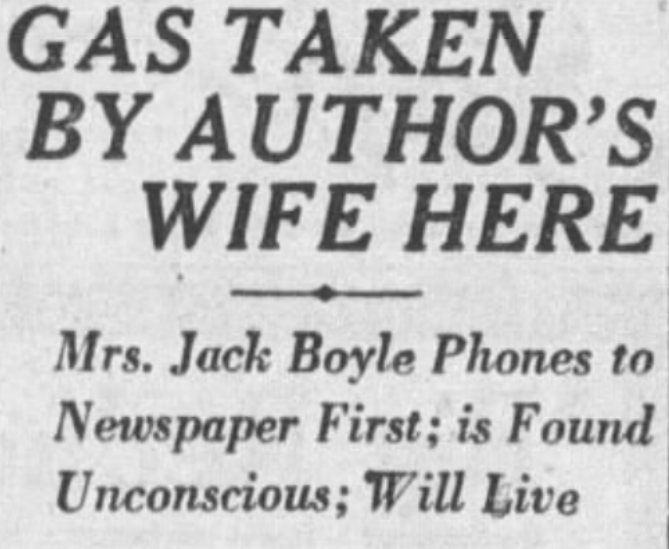
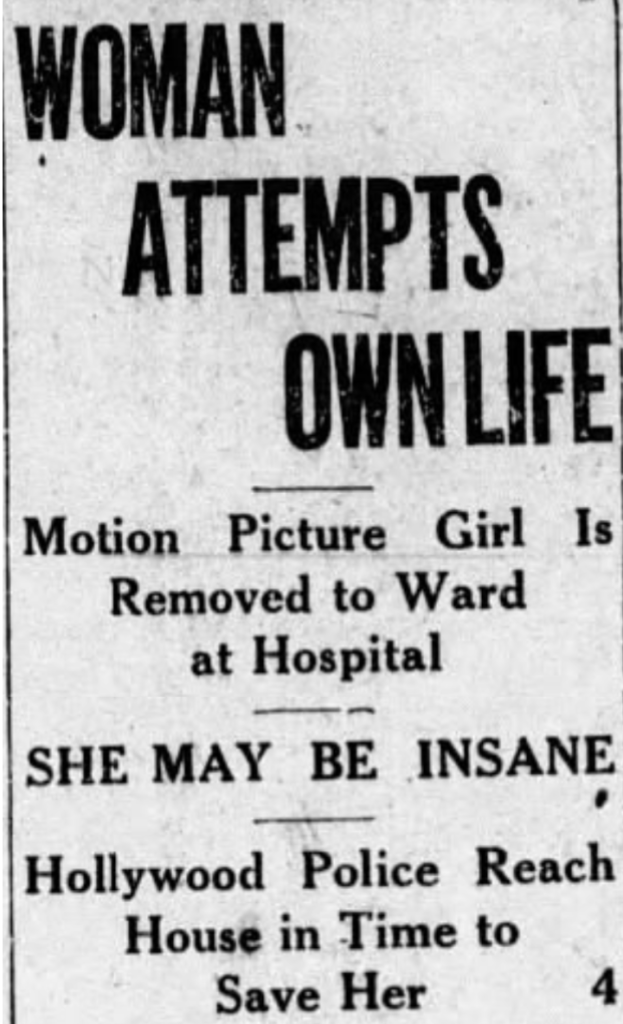
They then moved to 6705 Franklin Avenue where Elsie lured Boyle’s wife, Violet, to the house claiming Jack had money for her. When violet arrived, Elsie called her names and dragged her around the living room by her hair. Violet left and contacted the police who arrived at 6705 Franklin Avenue and found Elsie trying to kill herself for the second time. Apparently they did not take her seriously and they left; hours later they were called again and found Jack Boyle attempting to break down a locked door where they found Elsie unconscious and had her hospitalized. A note was found on a typewriter which read, “When the game is over-one usually has a sob story for the press- I have not. I am just too tired to buck the game longer. I am just too tired to live”.
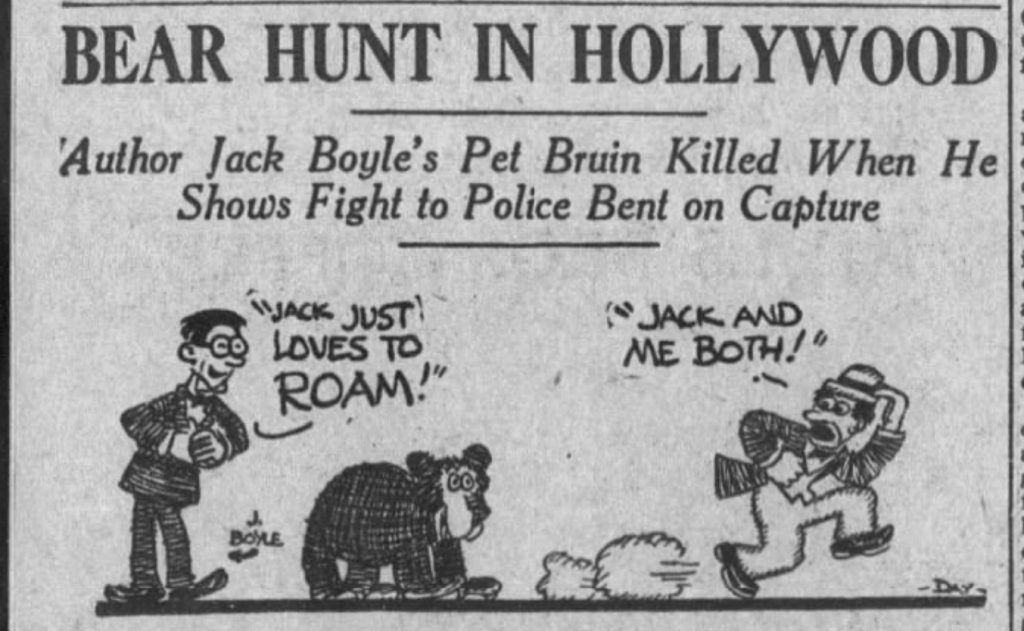
In addition to the drama of having two wives, Jack also had a pet bear whom he named “Blackie”. The bear often escaped from the property, scaring the neighbors. On one occasion in October, the police were called to the house and arrested a drunk Jack Boyle who was trying to locate his bear that had escaped from the home. The Boyle’s moved up the road to 3125 Cahuenga Avenue where the bear continued to leave his pen in the middle of the night and roam the neighborhood. One evening, the police received a frantic call from a neighbor about the bear. When they arrived, they end up shooting and killing Blackie the bear.
After the Boyle’s moved out of 6705 Franklin Avenue with the bear, the neighbors looked forward to some peace and quiet. They were going to be disappointed. A few months later, the police were called to the residence after one man was shot in the home during a poker game that got out of control. Mrs. Pollock had enough of this rental property and sold the home in 1925.
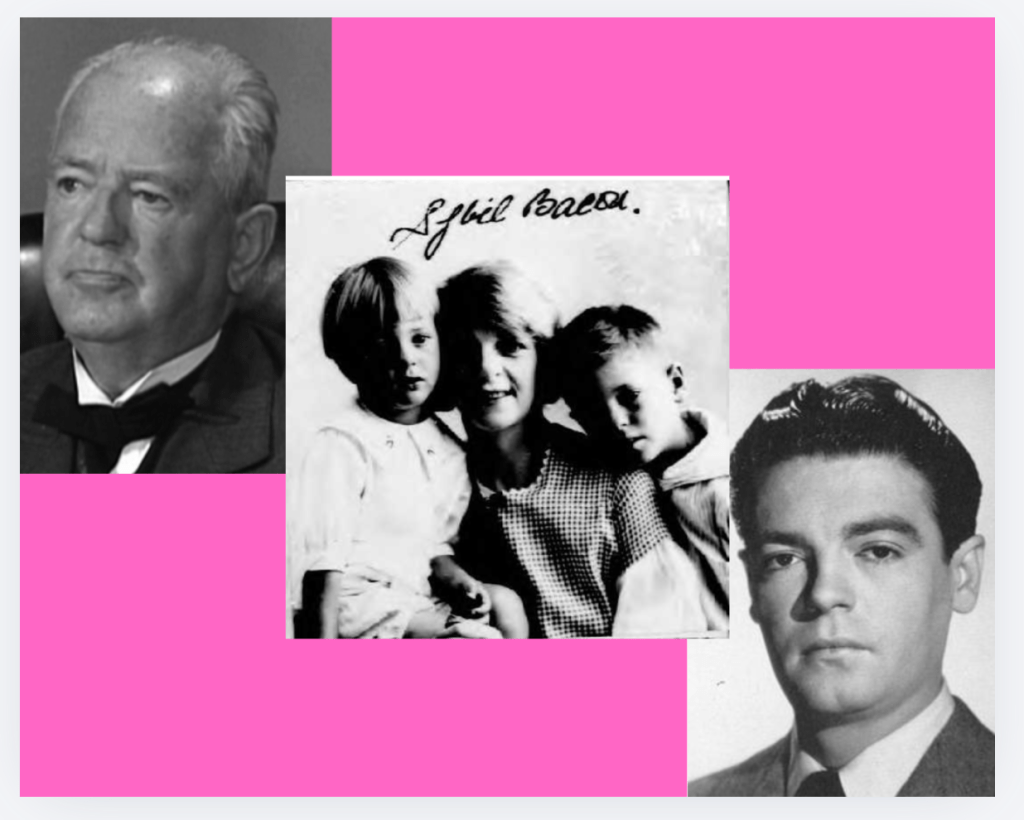
During the 1930s, character actor William Bacon (1891-1973) lived in the home with his wife, Sybil and their three sons. Bacon appeared in hundreds of films and television shows including; Modern Times (1936), Citizen Kane (1941), A Streetcar Named Desire (1951), Psycho (1960), To Kill a Mockingbird (1962), My Fair Lady (1964) and several episodes of Gunsmoke and Bonanza. He met his wife while filming “Fighting Fate” in 1921 where they both appeared as film extras. Their son, Archie, later became an art director and production designer for televison shows such as “The George Burns and Gracie Allen Show” and “Magnum P.I.”. Their other son, Rod, was a childhood actor and appeared as Jackie Coogan’s double in Charlie Chaplin’s “The Kid” and then was a movie extra during the 1930s and 1940s.
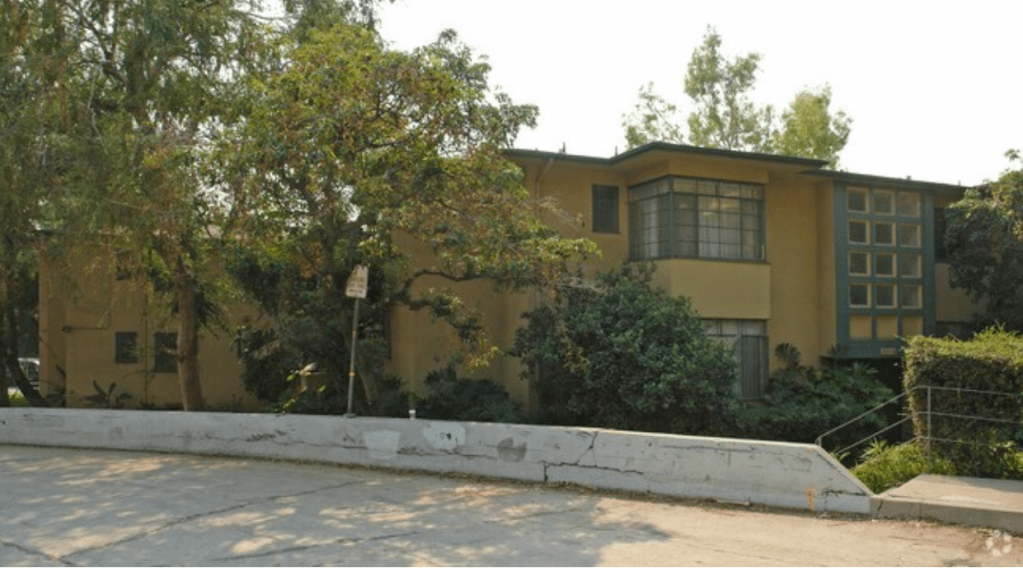
In 1941, the first Hollywood bungalow, located at 6705 Franklin Avenue, was demolished to make way for an apartment complex which remains today. Early Hollywood history-destroyed.
 Whitley Heights 101
Leave a comment