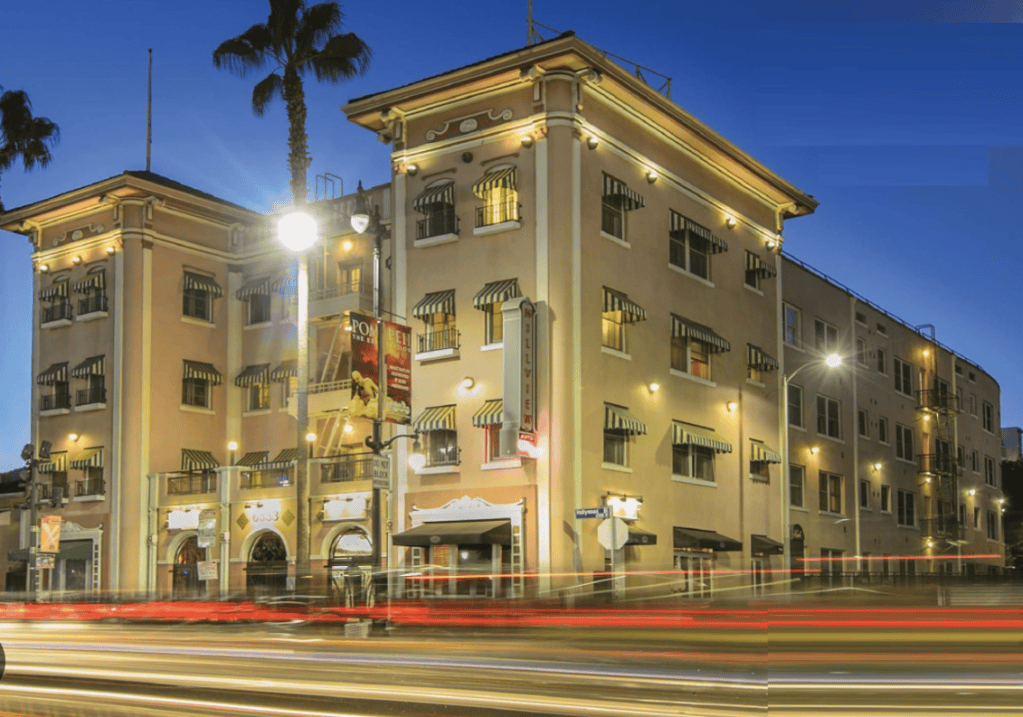
Hillview Apartments
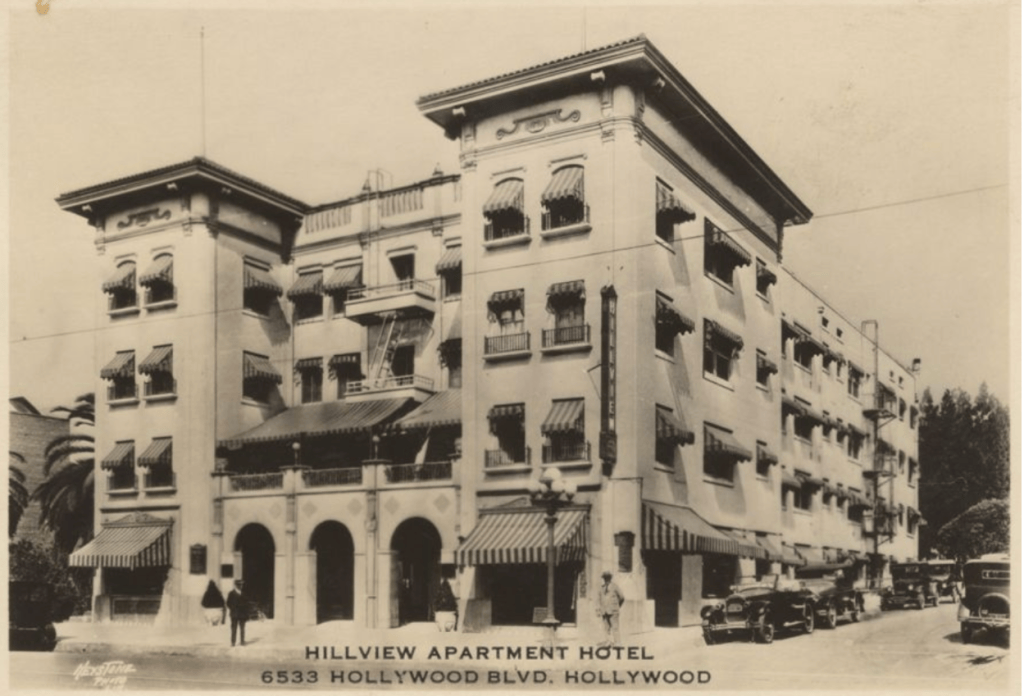
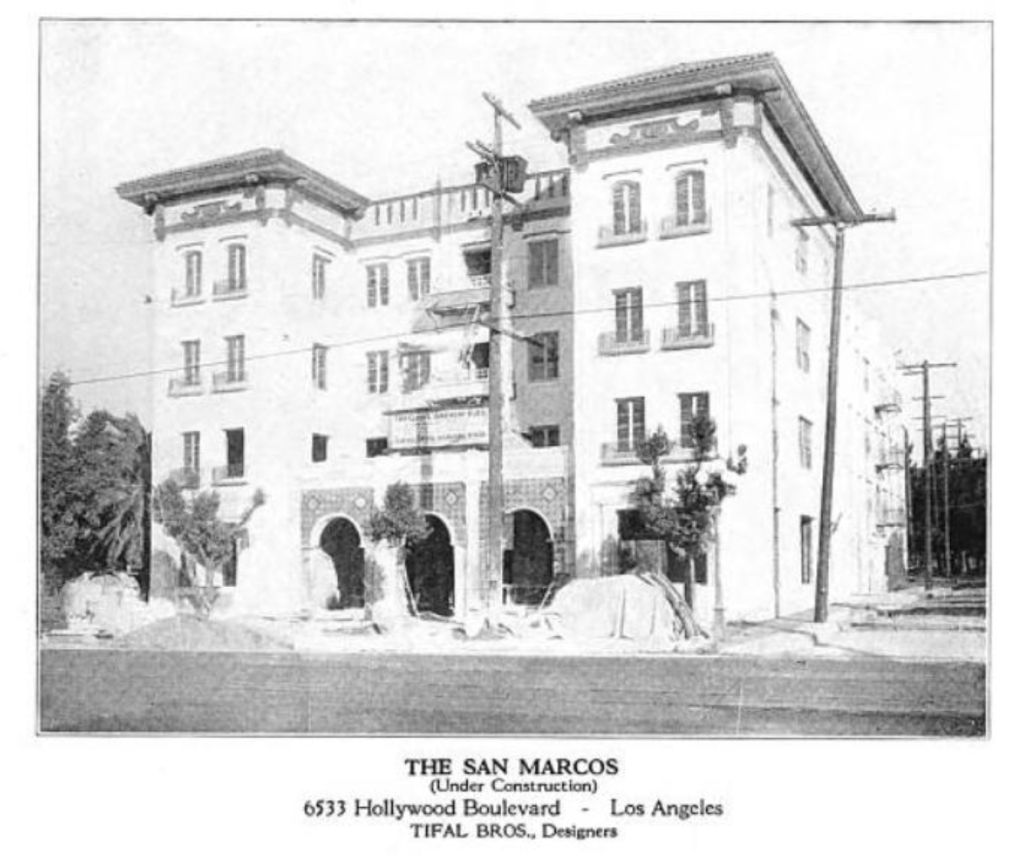
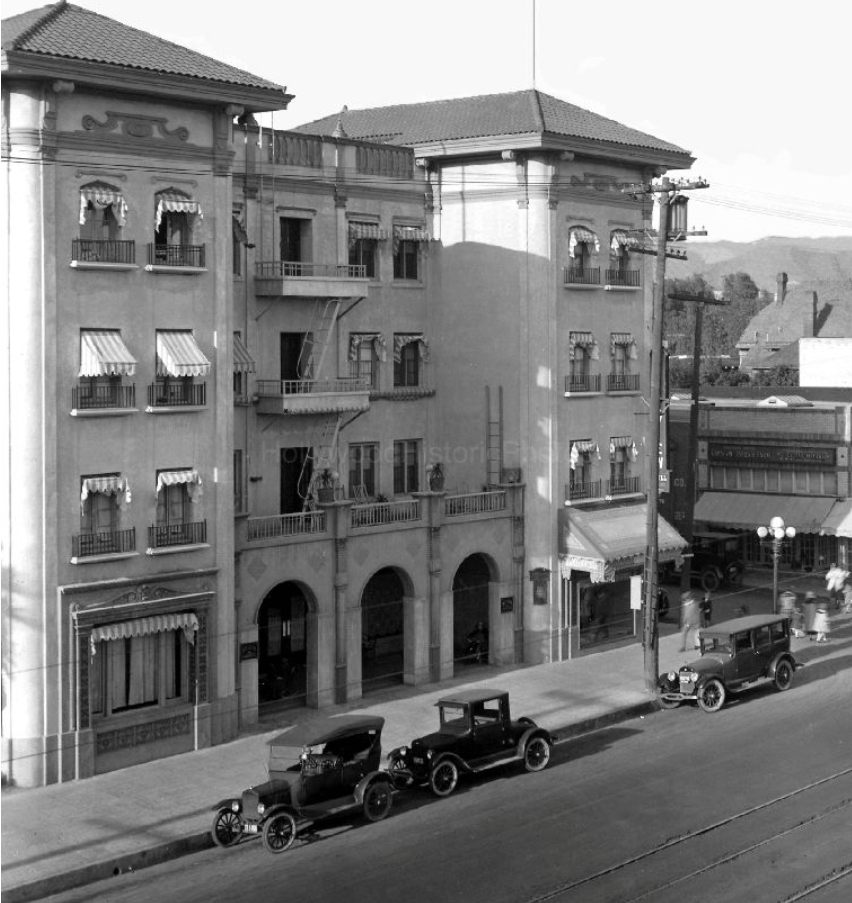
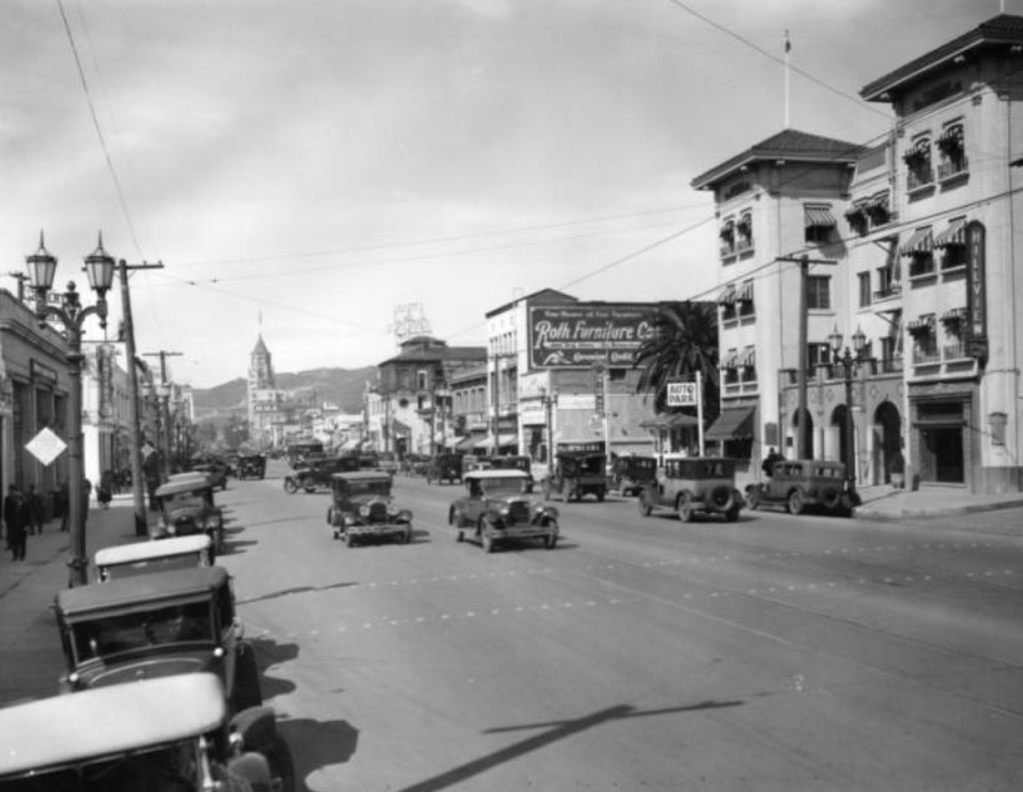
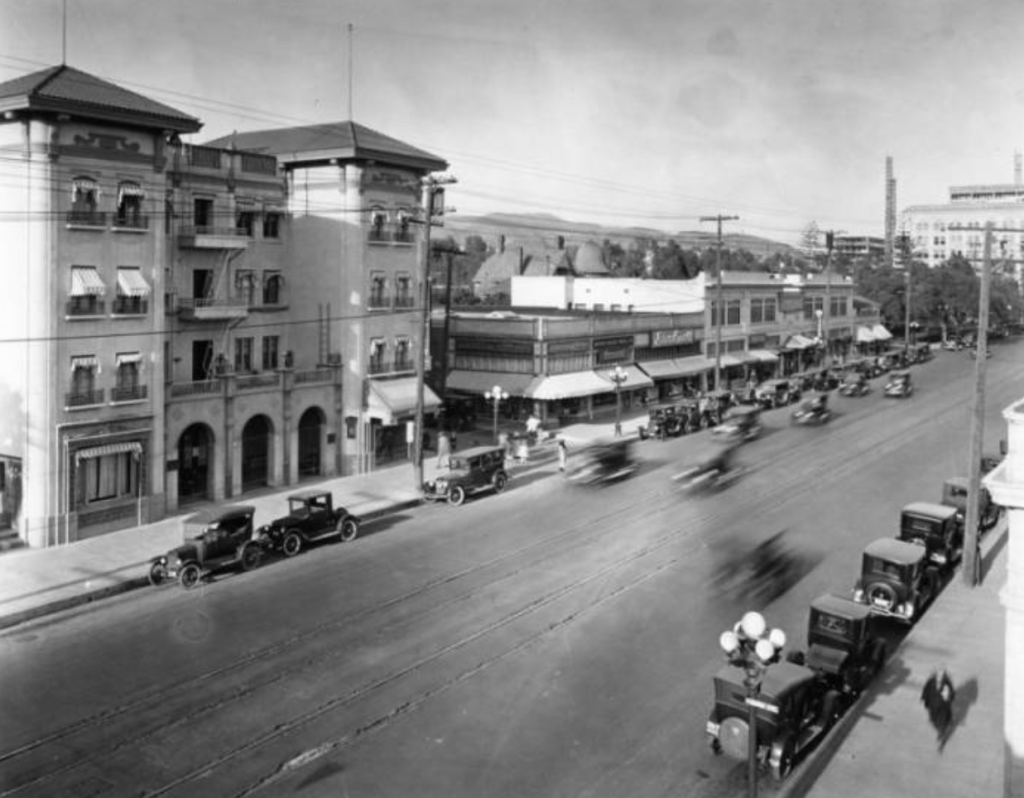
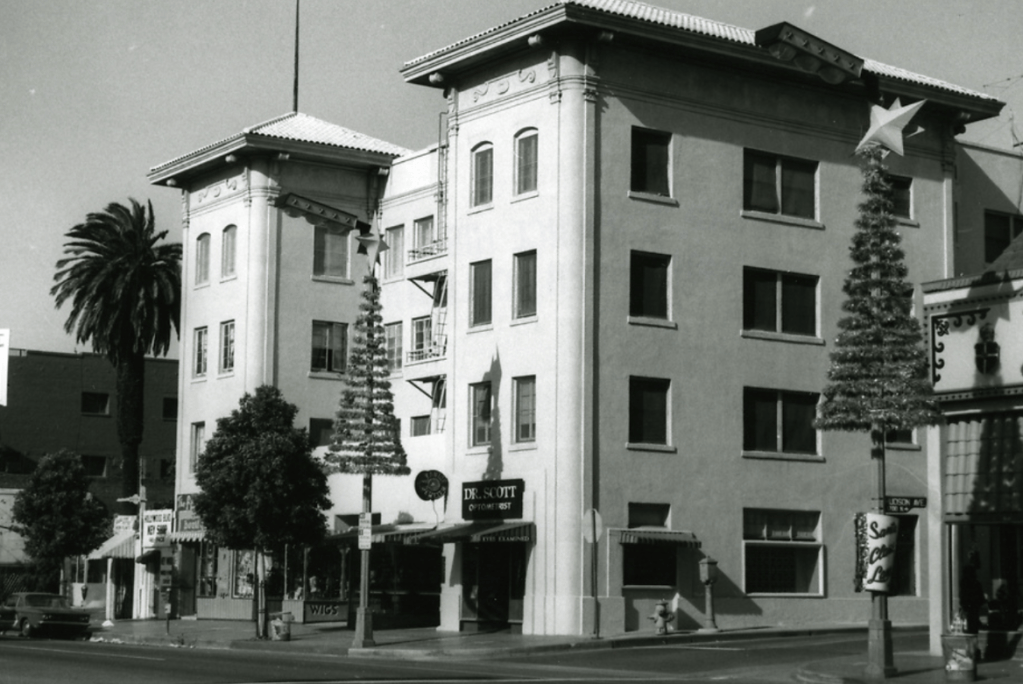
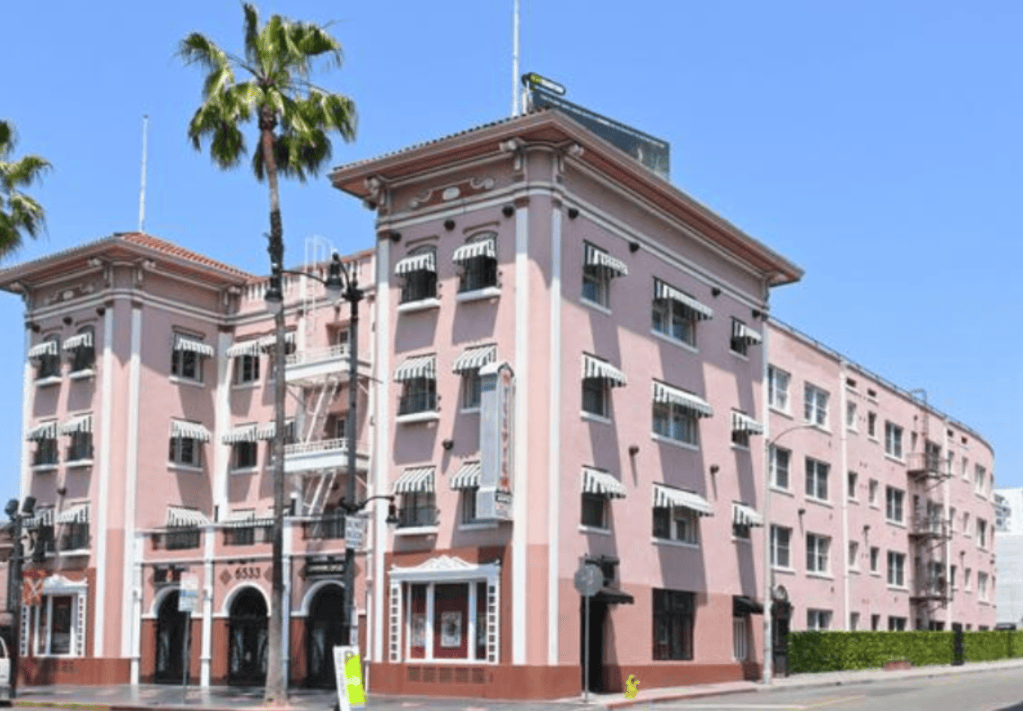
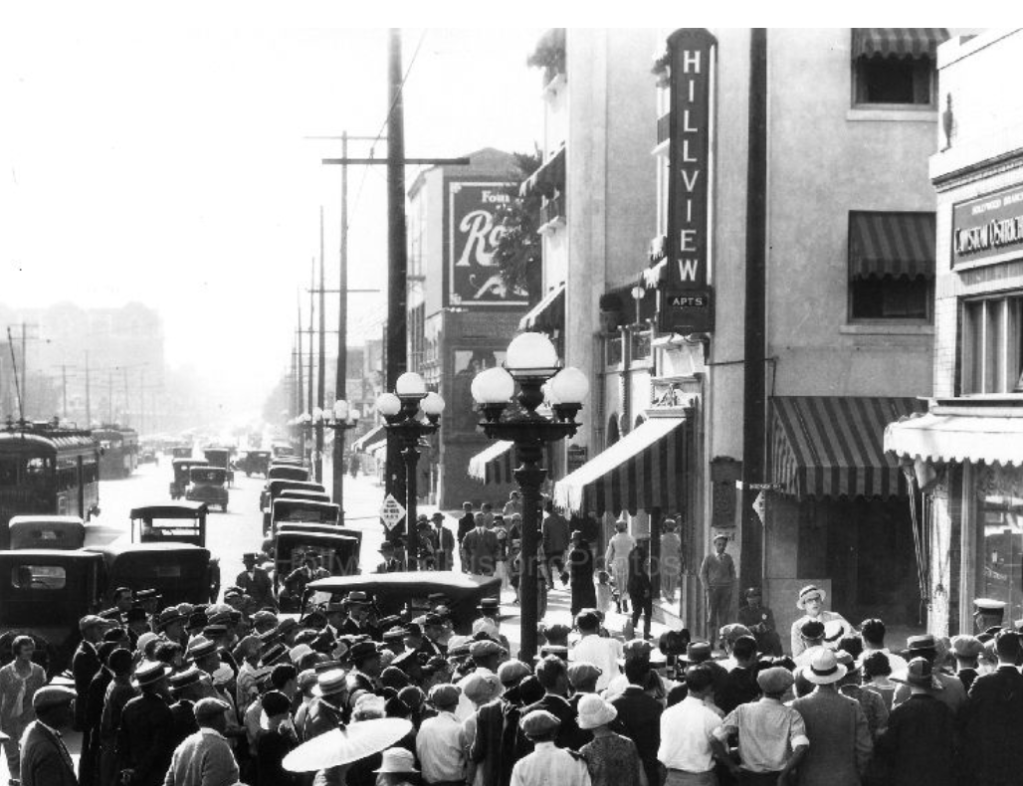
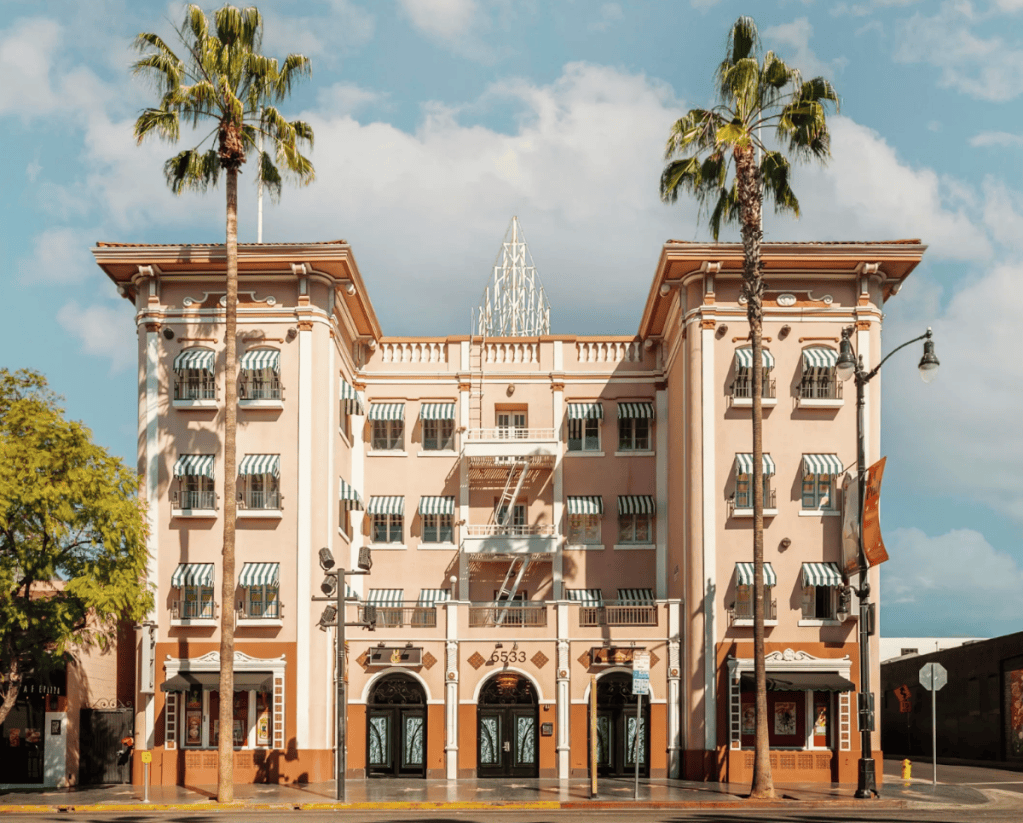
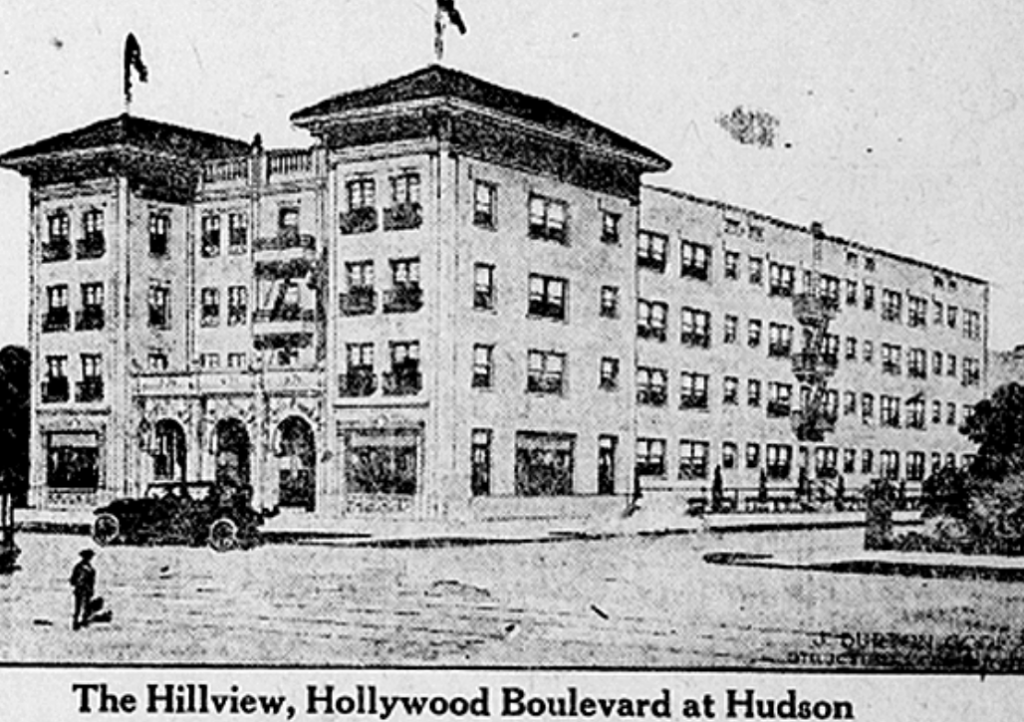
In 1917, the Tifal Brothers acquired a building permit to construct a 4-story, 53 unit apartment building on Hollywood Boulevard, just down the hill from Whitley Heights. Originally named “The San Marcos” in 1917 and later “Chester Court” in 1918, William Tifal was loaned $100,000 by a mortgage company to build the new apartment building on the corner of Hollywood Boulevard and Chester Street. A year later, liens were placed against the property as building contractors were yet to be paid for work they did. In 1919, Tifal Brothers and the mortgage company were indicted on fraud charges as they allegedly claimed the land was worth more than appraised for in order to secure the loan.
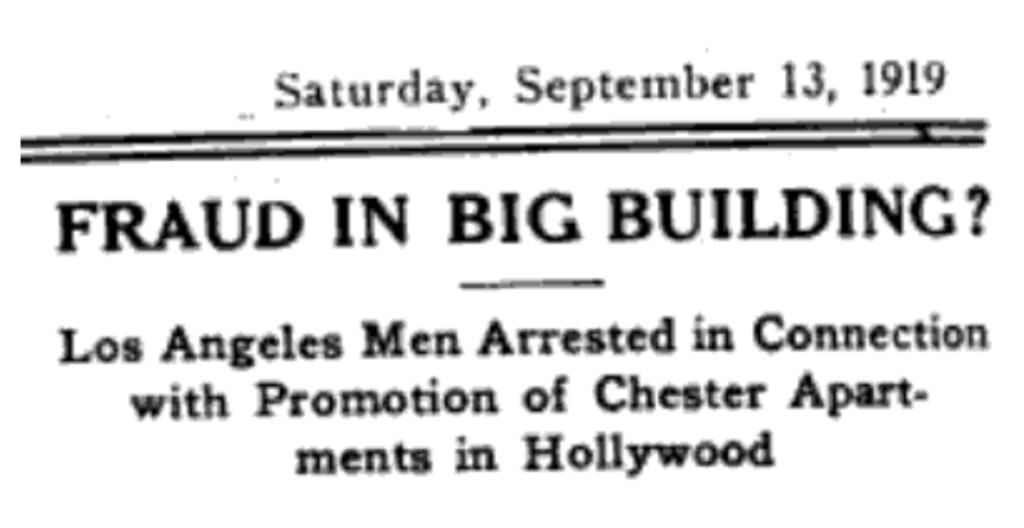
During the fraud scandal, the unfinished 4-story building was an eyesore on Hollywood Boulevard for several years. In June of 1920, the case was settled and Chester Court was sold. According to many accounts, movie mogul Jessie Laskey bought the building and then rented the units to the movie industry. There is a 1920 permit listing the following owners:
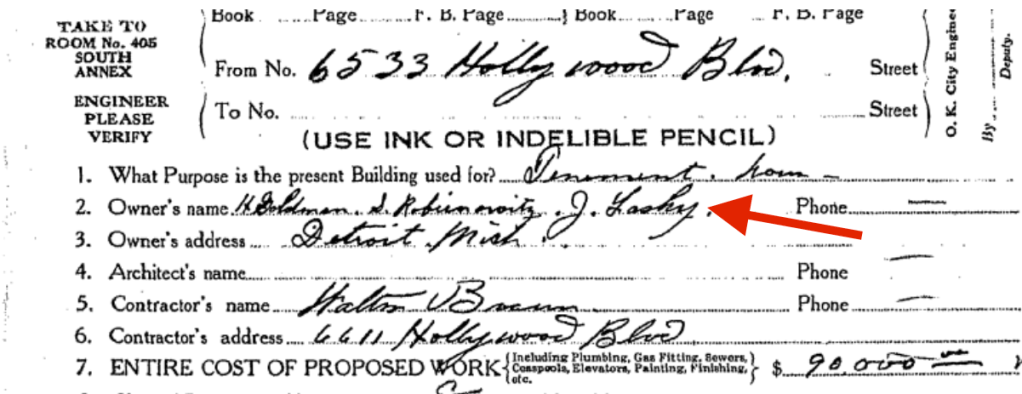
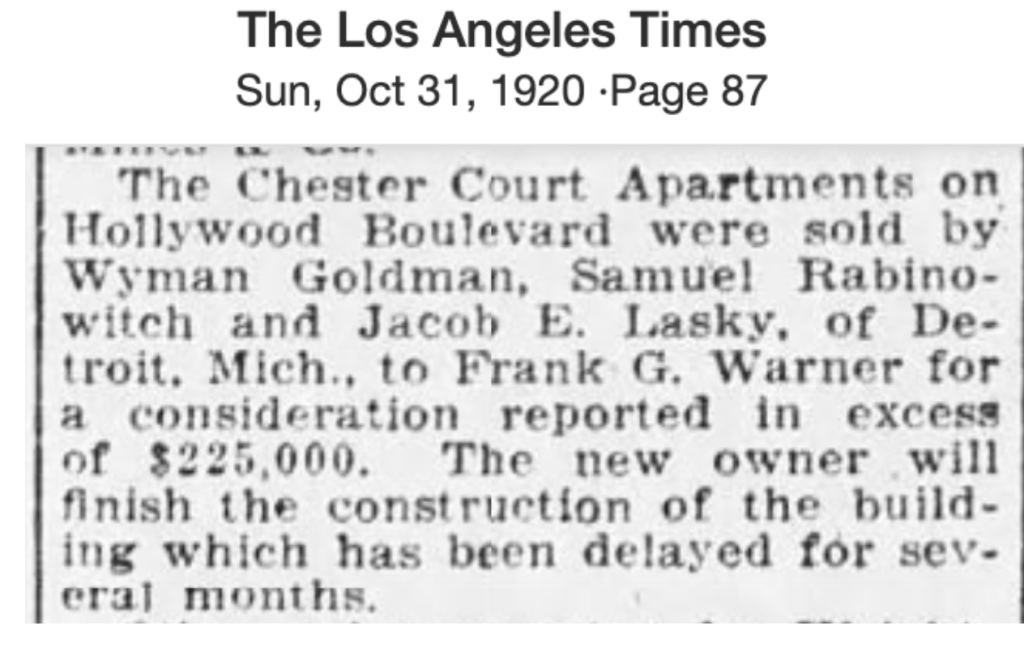
Unfortunately, “J. Lasky” was not Jesse Lasky, rather Jacob Lasky. Per a Los Angeles Times article dated October 30, 1920, three Detroit capitalists named Wyman Goldman, Samuel Rabinowitch and Jacob E. Lasky purchased the building and finished the construction. They then sold the building to Herman Fischer in 1921. The building had two more owners in the next two years.
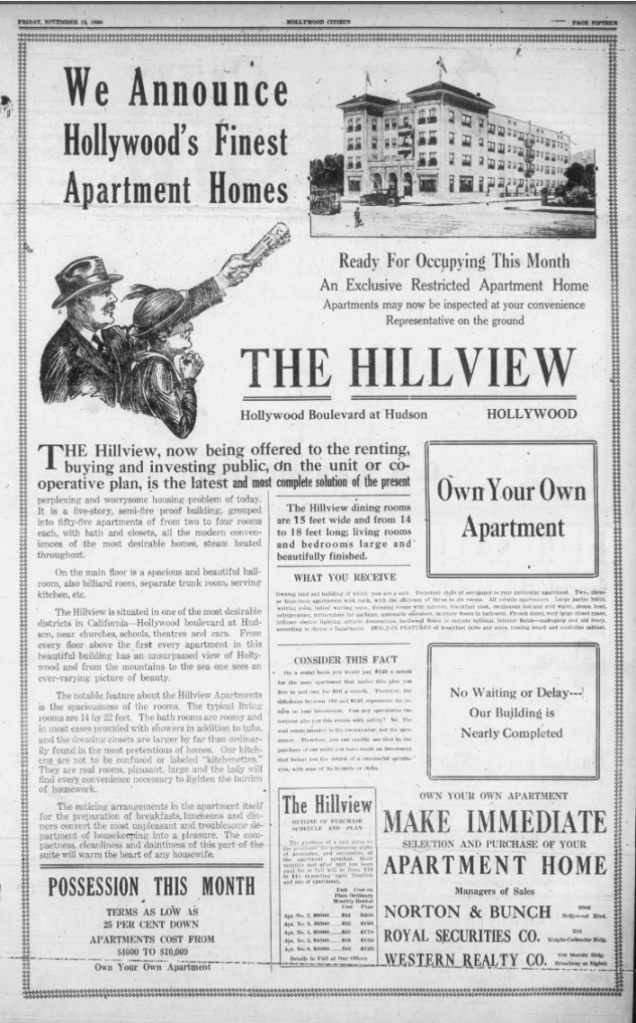
On November 12, 1920, the opening of the “The Hillview” was announced.
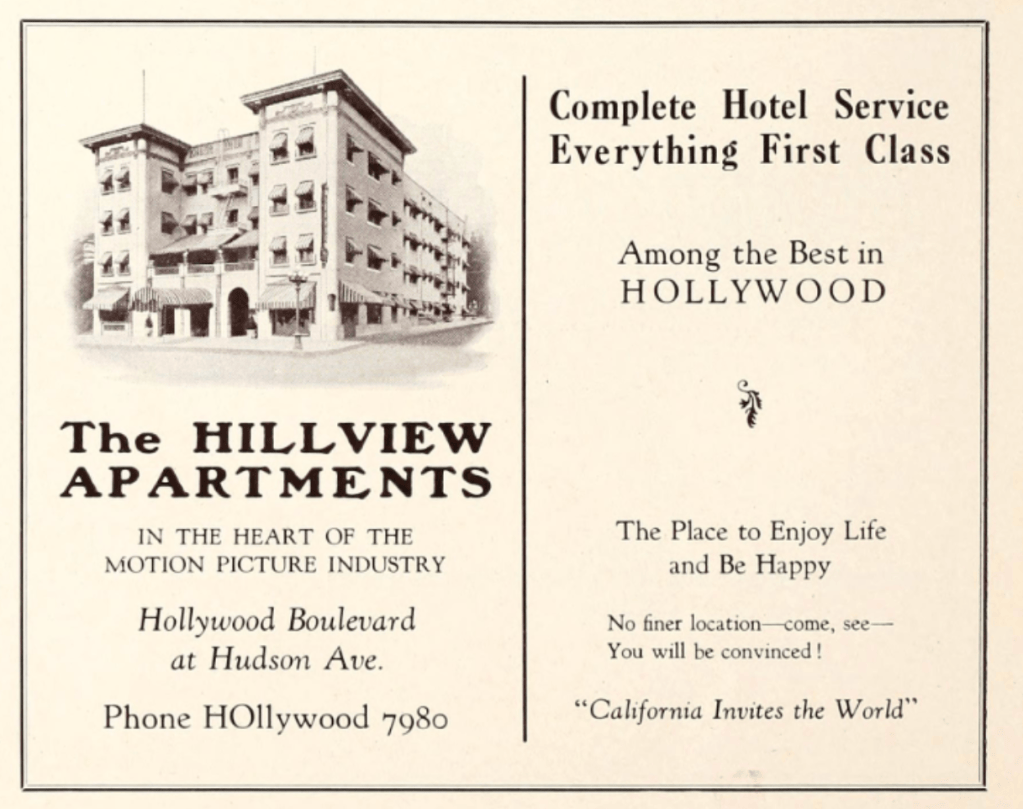
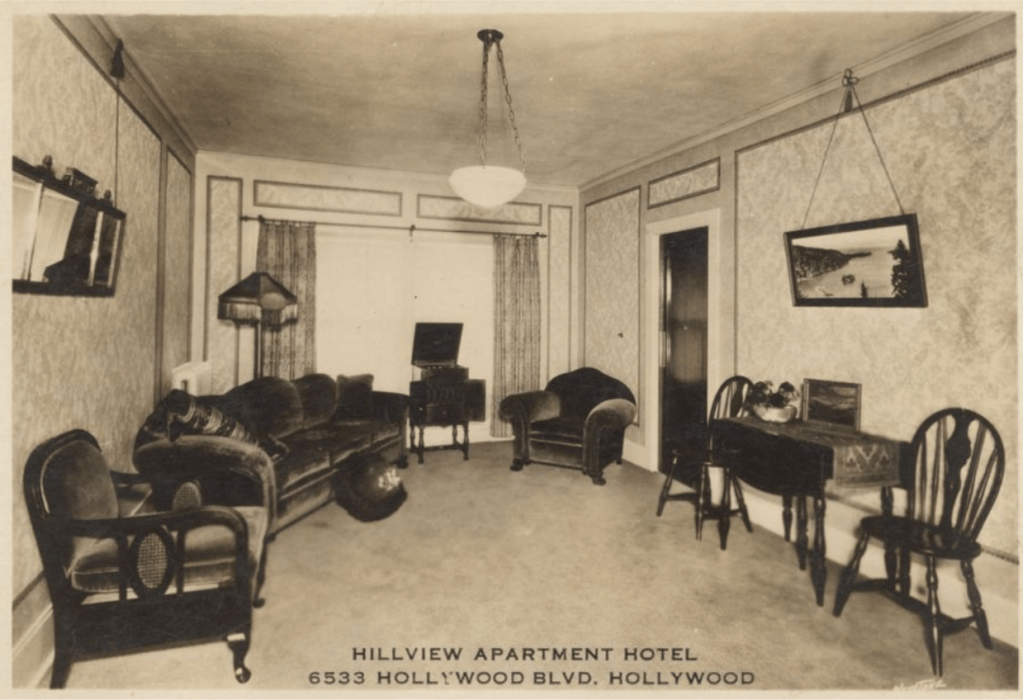
Despite Jesse Lasky not involved in The Hillview, the owners did cater to the movie industry. They often advertised the building in movie magazines. In 1923, the Hillview Grill opened on the bottom floor of the building and an ad stating the restaurant would be “especially for motion picture people” was published in the movie magazines.
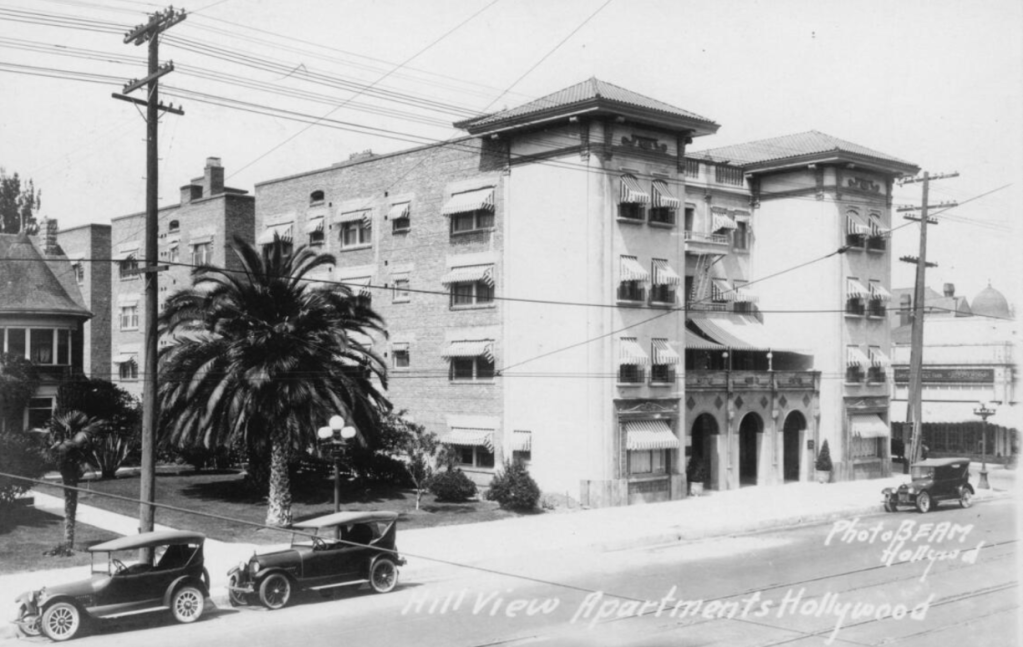
During the 1920s and early 30s, Hillview Apartments was home to many Hollywood notables. The following is only a few of the movie industry people who lived in the building during the 1920s. There are also many rumors of who may have lived in the building and will not be mentioned. The list below have all been collaborated from city directories, movie magazines and biographies.
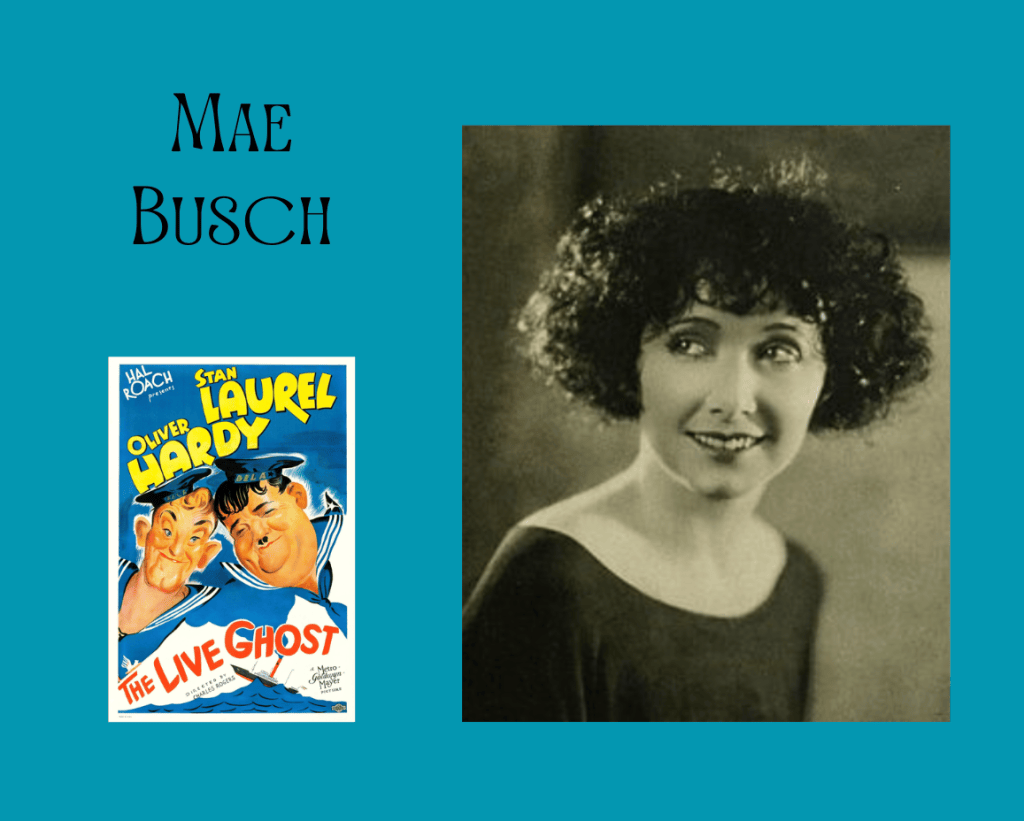
Australian actress Mae Busch (1891-1946) resided in the building from 1922 to 1925 and moved after she fell down the building stairs and had purchased a home in Whitley Heights. Based on records, it appears Busch never moved to Whitley Heights, but rather to a series of apartment, hotels and bungalow houses for the next decade. Busch was able to transition from silent to sound films and worked in many Laurel and Hardy comedies the later part of her career.
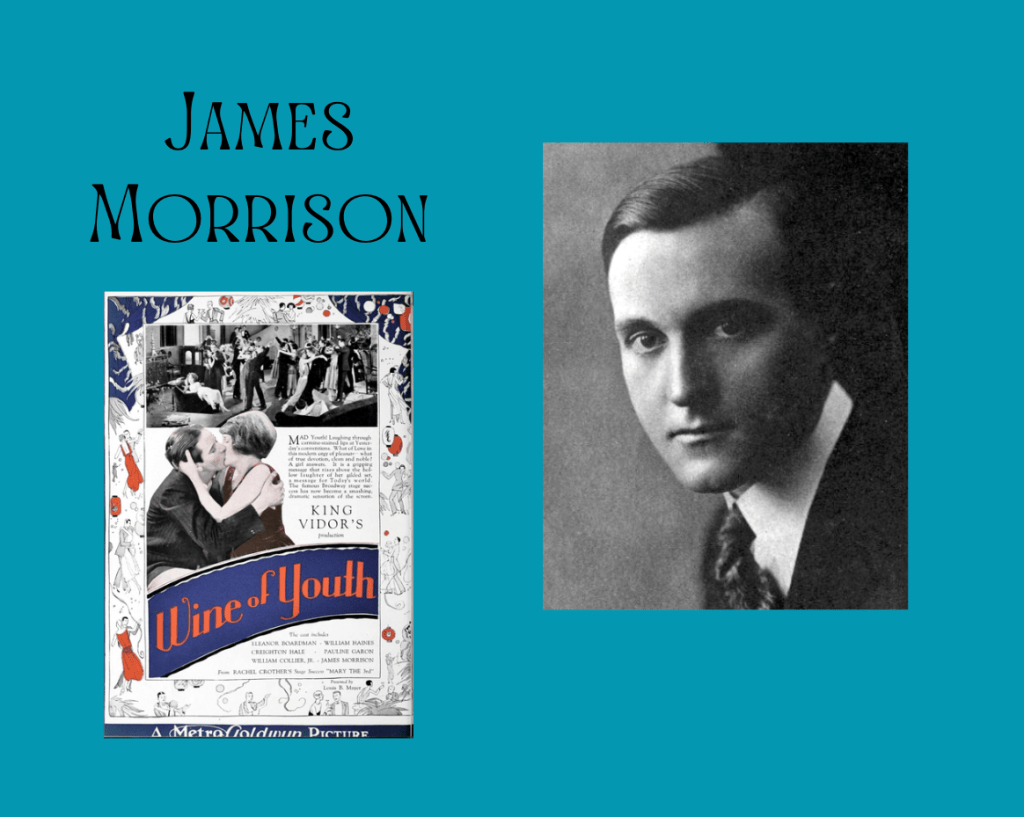
Actor James Morrison (1888-1974) resided in the building from 1922 to 1925. Morrison appeared in 187 films between 1911 and 1927. After he retired from the screen, he ended up publishing two novels, Road End (1927) and April Luck (1932) and taught speech and drama classes at a small college in Brooklyn before his death in 1974. Appearing in early notable films such as ‘A Tale of Two Cities’ and ‘Black Beauty, one of his last roles was in “The Imposter” starring Evelyn Brent in 1926.
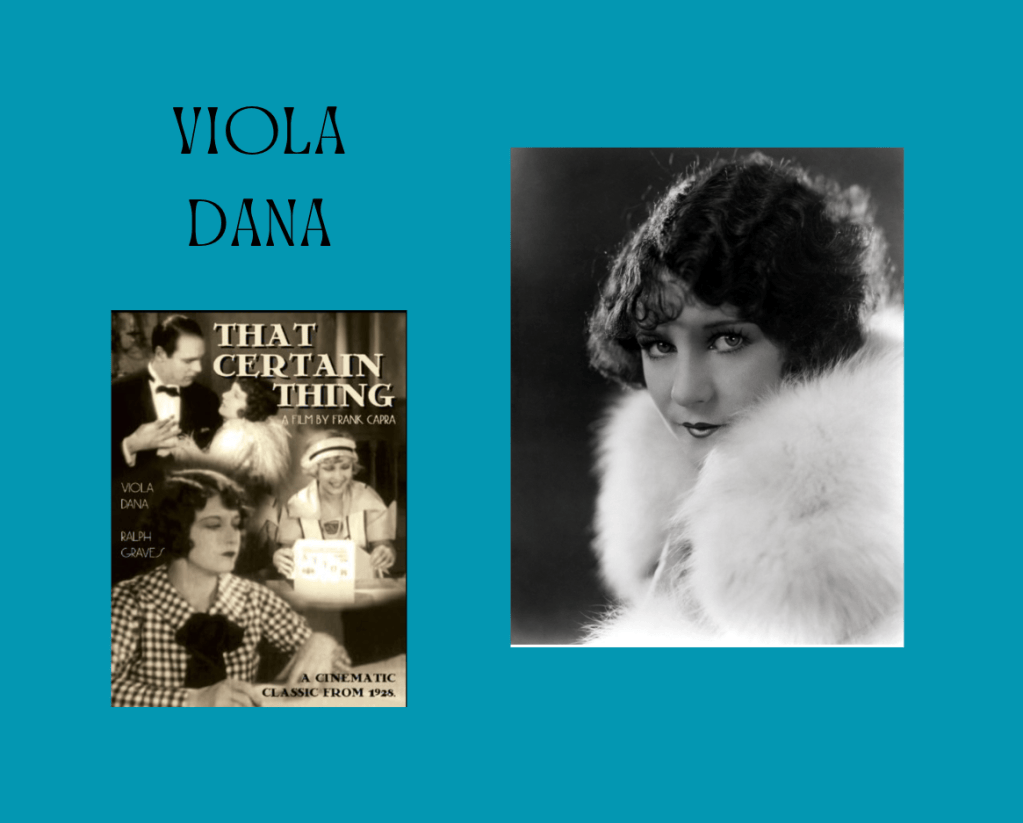
Actress Viola Dana (1897-1987) resided at Hillview in 1922. Dana’s first film role was in the short “A Christmas Carol” in 1910 and ended in 1933. She made two television appearances in Lux Video Theater in 1956 and in My Three Sons in 1963. Actress Viola Dana’s most memorable and definitive film role was playing the spunky heroine Molly Kelly in Frank Capra’s classic silent comedy That Certain Thing (1928).
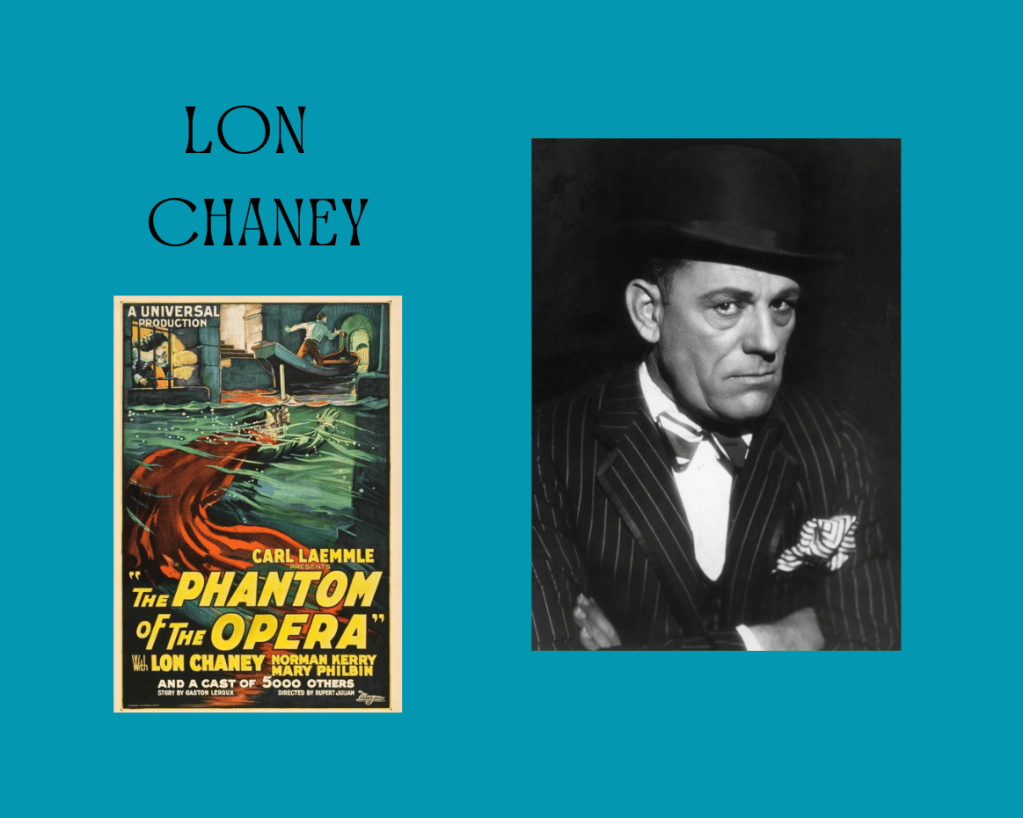
Actor Lon Chaney (1883-1930) lived in the build in 1922 after he sold his home and moved here briefly between homes. Chaney made 162 film appearances up until his death. Lon Chaney’s most memorable and iconic film roles are The Phantom in The Phantom of the Opera (1925) and Quasimodo in The Hunchback of Notre Dame (1923).
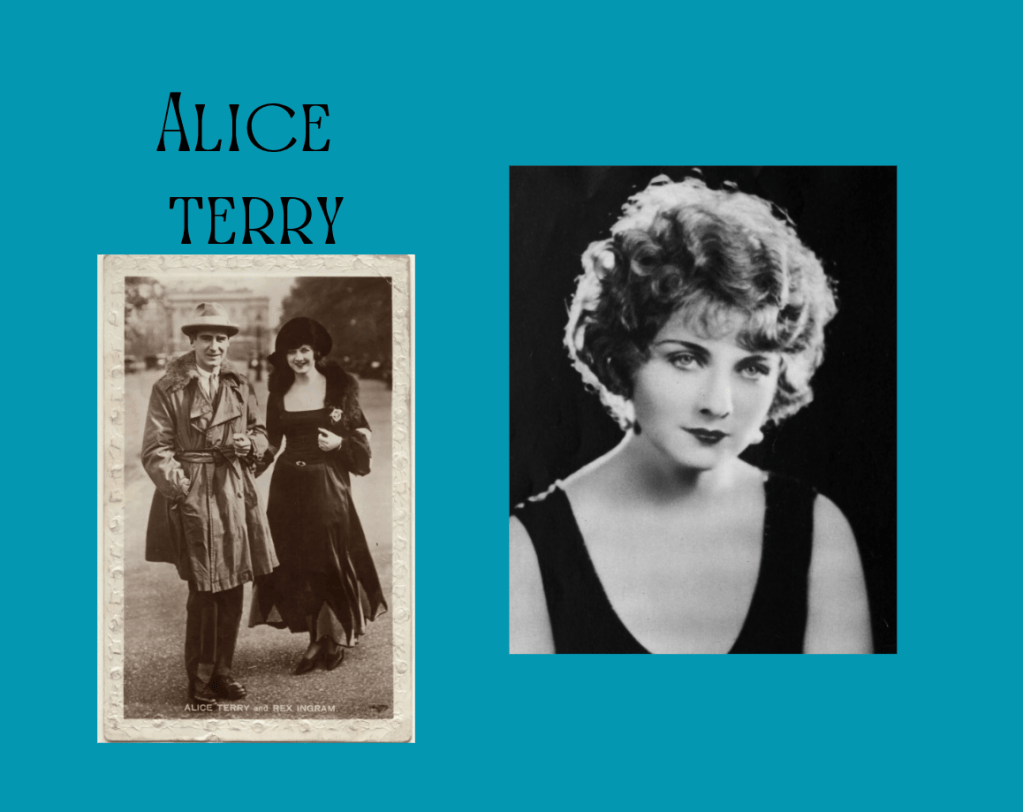
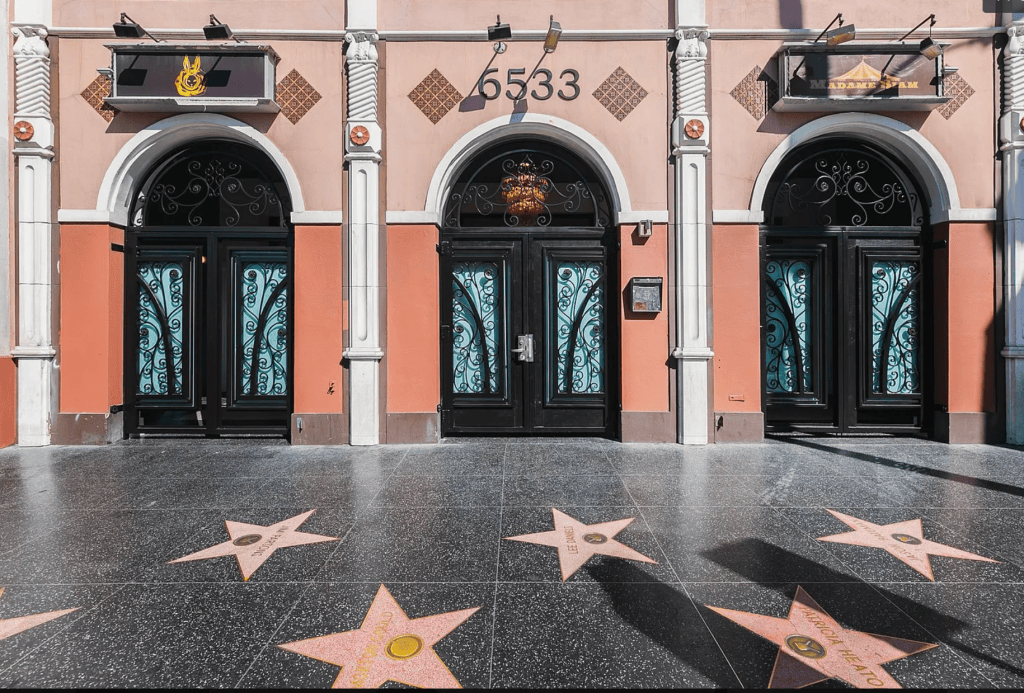
Actress Alice Terry, who lived here in 1922, only appeared in 39 films but won a star on the Walk of Fame in 1960. Actress Alice Terry was most famous for being a leading lady in epic 1920s silent romances and for her creative partnership with her husband, legendary director Rex Ingram. Together, they were celebrated as one of early Hollywood’s premier director-actress power couples, often referred to as “Rex and His Queen”. Famous for her trademark blonde wigs, she appeared opposite Rudolph Valentino, Ramon Navarro and then snuck away with actor Rex Ingram during filming “The Prisoner of Zelda” in 1922 to elope.
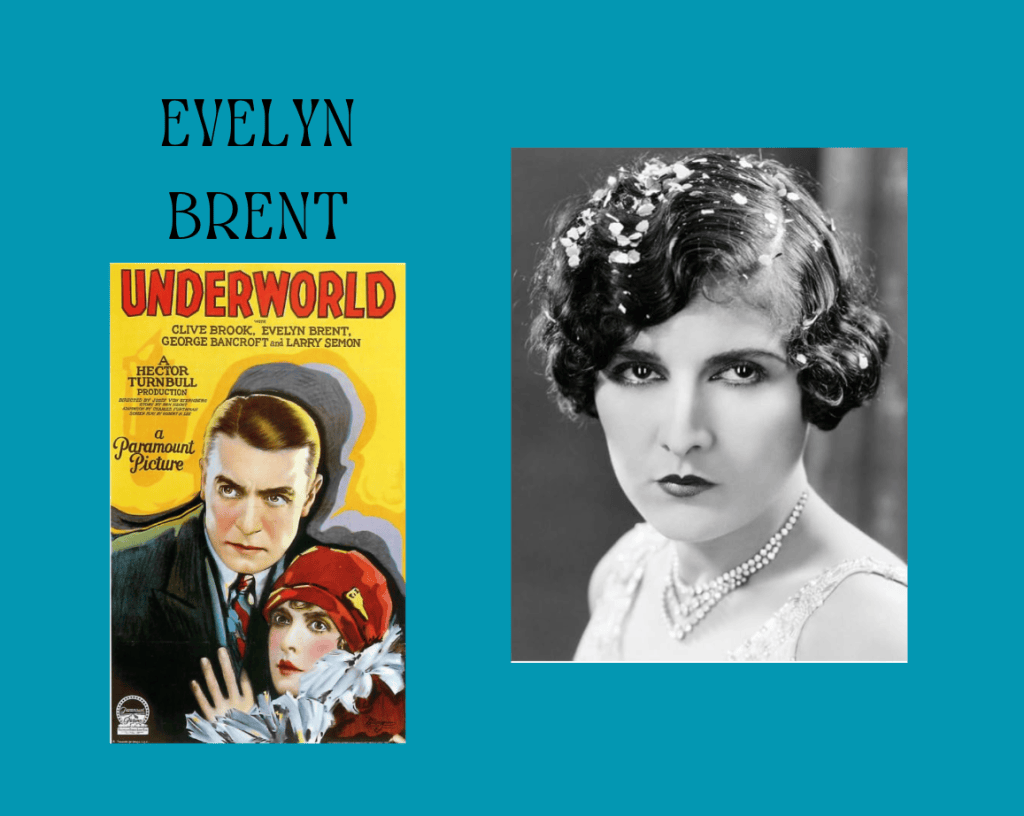
Actress Evelyn Brent (1895-1975) lived at 6533 Hollywood Boulevard in 1923 and even filmed scenes from “Held to Answer” from her bedside in her apartment at the Hillview due to being ill. Brent appeared in over 100 films until 1960. Her career was most heavily defied by Austrian director Josef von Sternberg, who helped mold her into a premier on-screen vamp. Her most notable role was as Feathers McCoy in ‘Underworld’ in 1927.
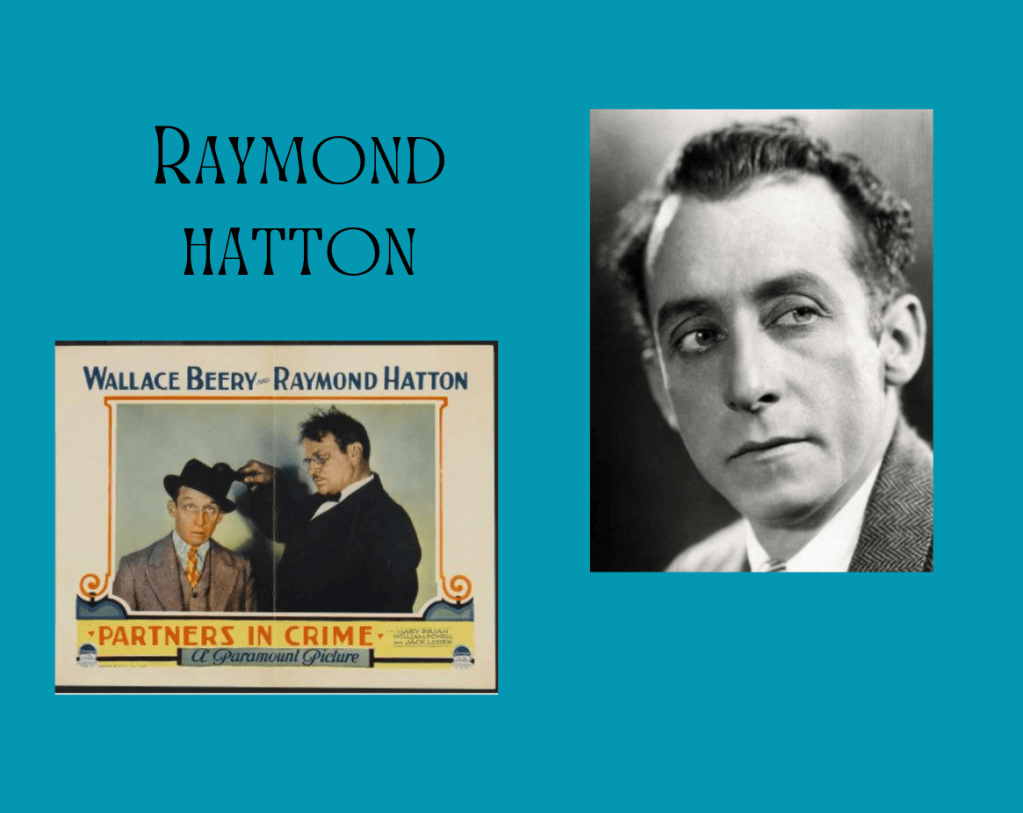
Actor Raymond Hatton (1887-1971) lived at the Hillview in 1923. Actor Raymond Hatton was best known for being one of Hollywood’s most prolific character actors, specifically celebrated as a shrewd, gravel-voiced B-Western sidekick and for his 1920s silent comedy partnership with Wallace Beery. He was also awarded a star on the Walk of Fame in 1960. During the 1950s and 1960s, he guest starred in dozens of television shows, his first was “Leave it to Beaver”.
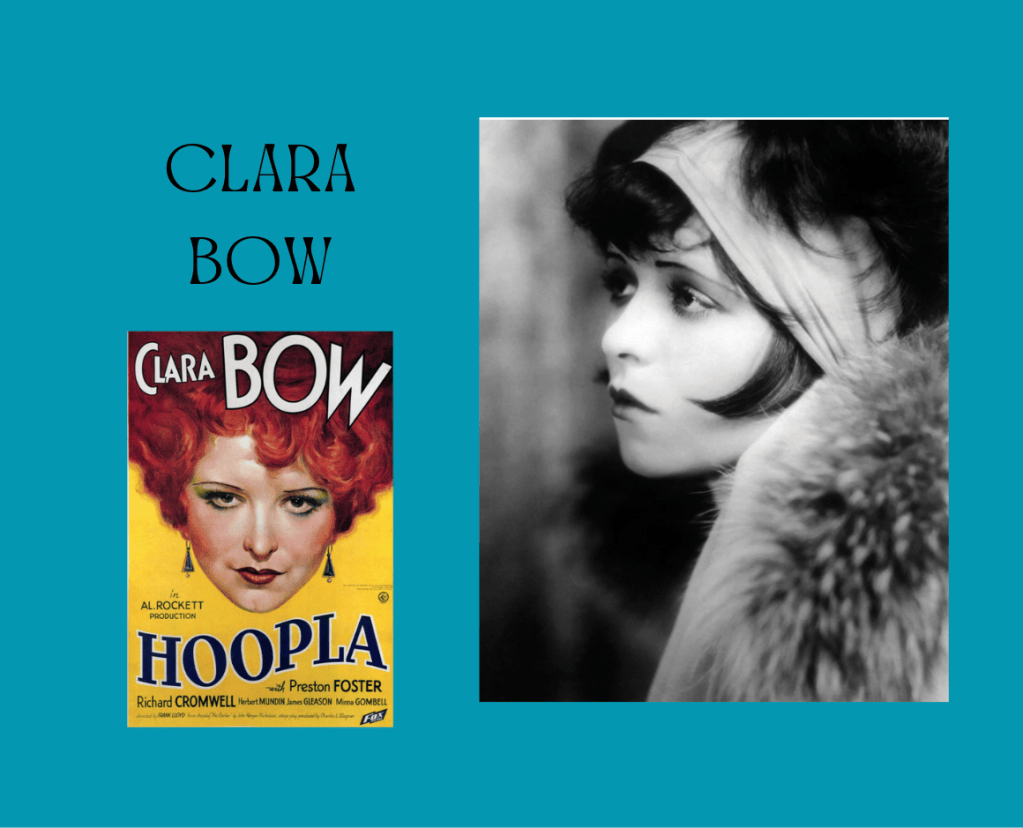
Actress Clara Bow (1905-1965) lived here for several months when she first moved to Hollywood in 1923. Actress Clara Bow was best known as Hollywood’s definitive “It Girl” and the ultimate on-screen symbol of the 1920s Roaring Twenties flapper. Her most prized roles were as Betty Lou in “It” in 1927, Mary Preston in ‘Wings” in 1927 and found early success in talking pictures in “The Wild Party” in 1929, although plagued by a rumor of too much partying with the USC football team. Bow married actor Rex Bell in 1931 and called it quits after filming “Hoopla” in 1933.
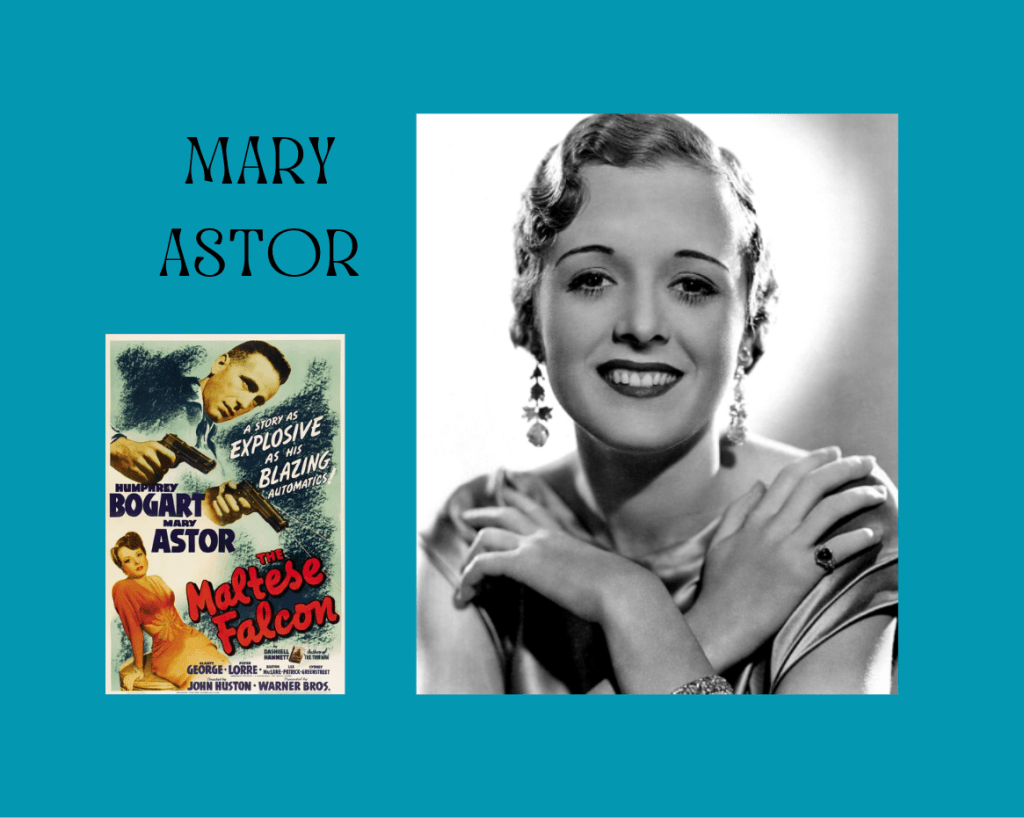
Actress Mary Astor (1906-1987) lived in one of the apartments in 1923 with her mother when she was 16 years old. She was best known for her definitive role as the devious femme fatale Brigid O’Shaughnessy in the film noir masterpiece The Maltese Falcon (1941). Off screen, Astor was at the absolute center of the “Purple Diary” case of 1936, which is widely considered Old Hollywood’s first massive, modern celebrity sex scandal which erupted during during a bitter child custody battle over her daughter with her second ex-husband, physician Franklyn Thorpe. Her first husband, director Kenneth Hawks, was killed in a plane accident while filming off the coast of Los Angeles in 1930.
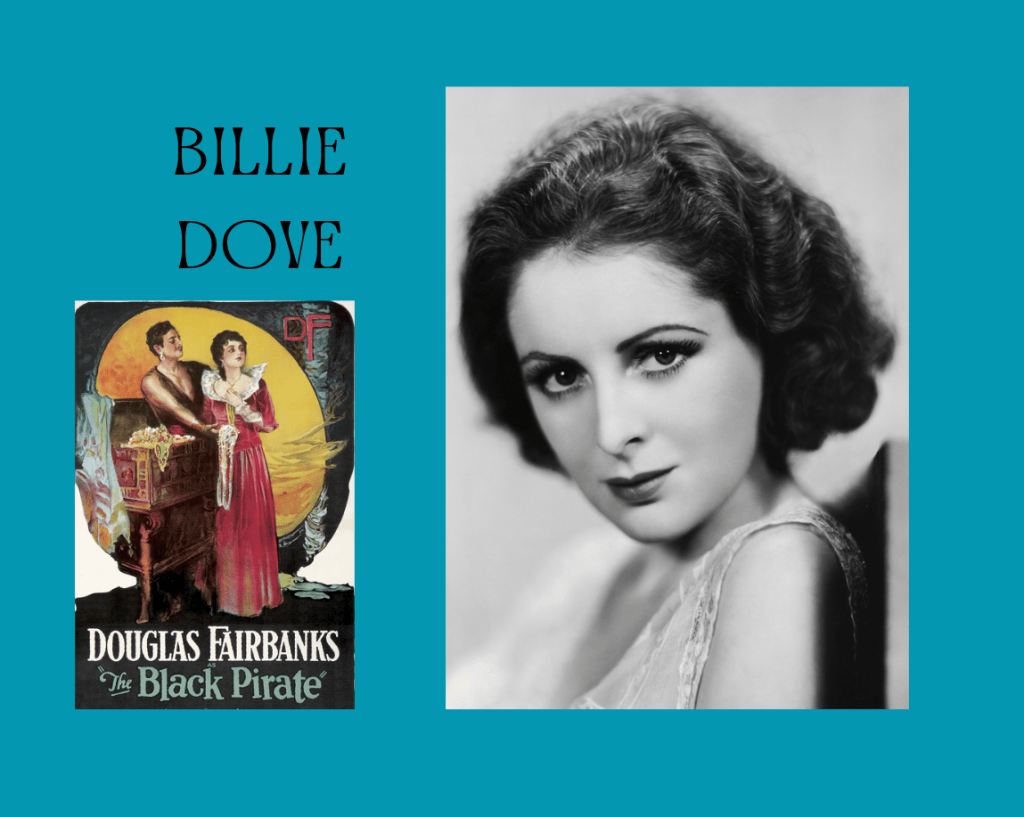
Actress Billie Dove (1903-1997) lived in the apartment complex in 1927. Actress Billie Dove was best known as one of the most breathtakingly beautiful screen icons of the 1920s silent era and for her starring role as the captured princess in Douglas Fairbanks’ pioneering Technicolor masterpiece, The Black Pirate (1926). : Unlike many stars who struggled with the transition to sound cinema, Dove had a lovely speaking and singing voice that adapted well to “talkies”. However, after marrying oil executive Robert Kenaston in 1932, she chose to retire from the screen at the peak of her popularity to focus on her family.
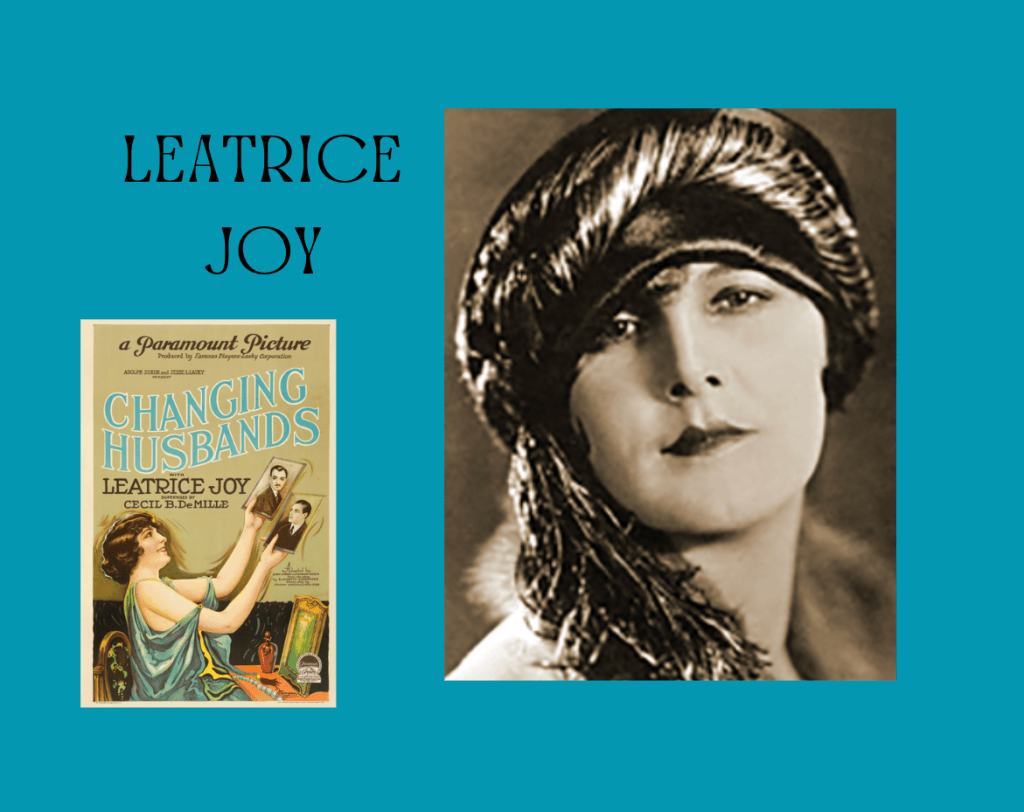
Actress Leatrice Joy (1893-1995) also lived here in 1923. Actress Leatrice Joy was best known for playing strong-willed, independent career women in Cecil B. DeMille’s silent films and for popularizing the boyish, close-cropped bobbed hairstyle during the Roaring Twenties. Her real life made major headlines when she eloped with silent screen idol John Gilbert in 1922. Their brief, stormy marriage ended in a bitter, highly publicized divorce in 1924 due to his heavy drinking. : Like many stars of the era, she struggled when Hollywood transitioned to “talkies”. Her heavy New Orleans Southern drawl was deemed unsuitable for sound film, forcing her into semi-retirement by the early 1930s.
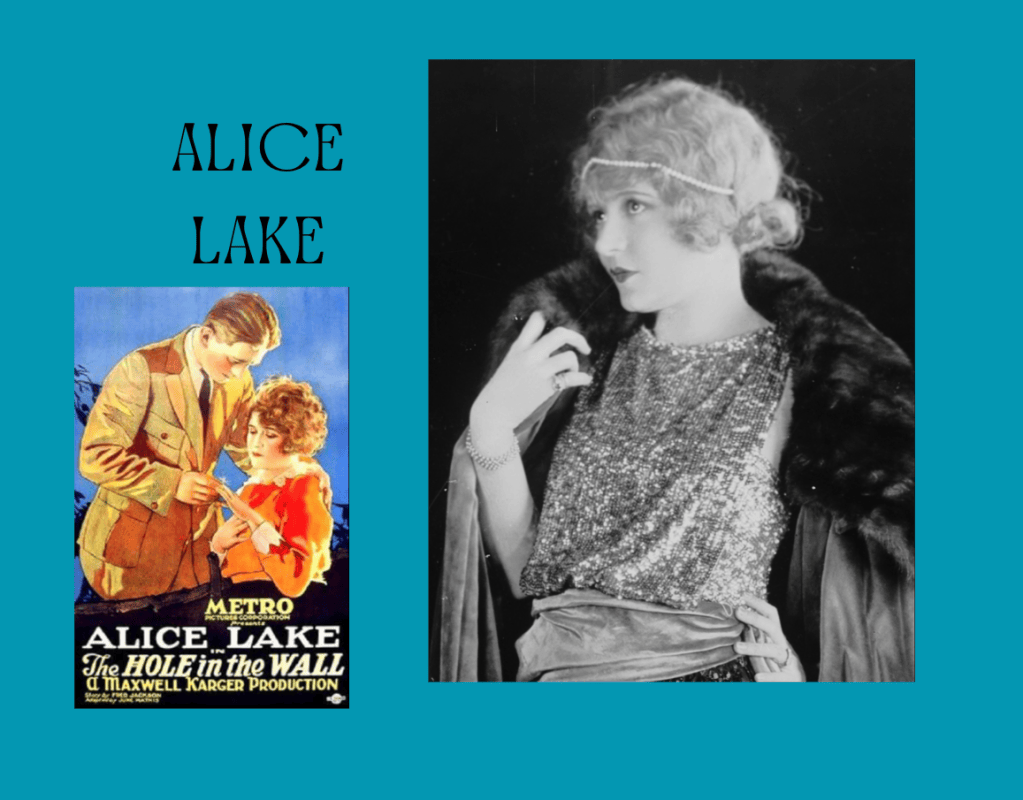
Actress Alice Lake lived here in 1925. Actress Alice Lake was best known for being a prolific slapstick comedy leading lady of the 1910s, frequently starring opposite Roscoe “Fatty” Arbuckle and Buster Keaton. At the peak of her popularity in the early 1920s, she successfully transitioned into dramatic leading roles for Metro Pictures, earning a peak salary of $1,200 per week and eventually securing a star on the Hollywood Walk of Fame. Like many silent comedy veterans, the arrival of talkies heavily impacted her career. Her leading roles quickly dried up, forcing her into small supporting parts and uncredited background bits before she permanently retired from the screen after a tiny role in the Frisco Kid (1935).
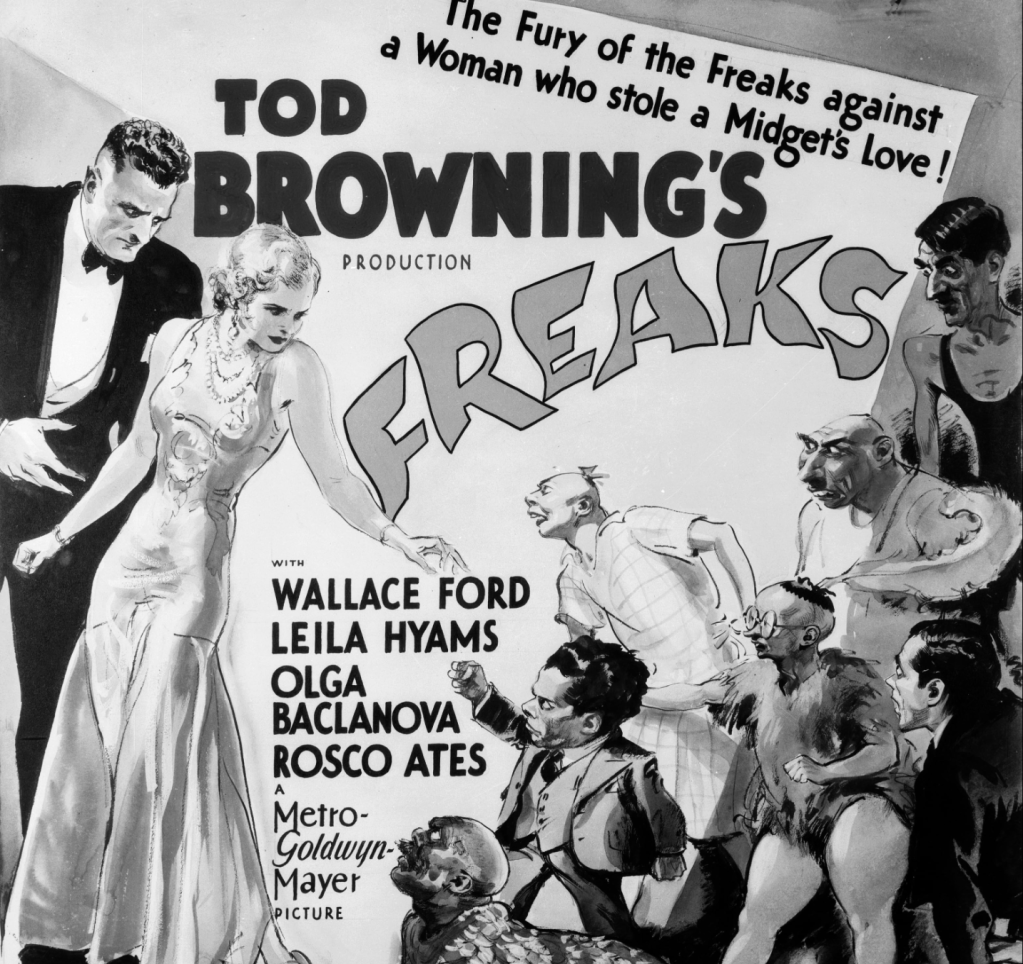
Director Tod Browning lived here in 1925. His most commercially successful work was “Dracula” in 1931, starring Bela Lugosi, this Universal Pictures classic kicked off Hollywood’s first major horror cycle and established the definitive pop-culture archetype of the vampire. That same year, he directed “The Iron Man” with Lew Ayres and Jean Harlow. Freaks (1932) was his most controversial masterpiece. Browning cast real-life carnival sideshow performers in a deeply empathetic story about community and revenge. The film terrified studio executives, faced heavy censorship, and was banned in the UK for 30 years before being rediscovered as a counterculture cult classic.
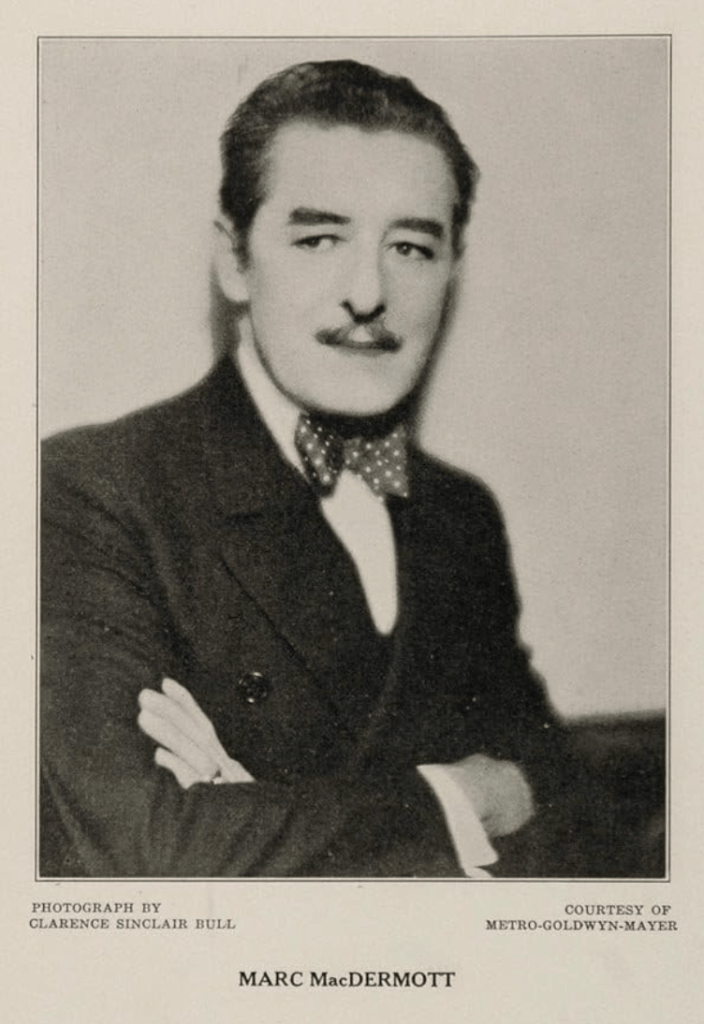
Actor Marc McDermott (1871-1929) resided in the building in 1928 before his death in 1929. Originally an Australian stage actor, McDermott became a premier top-billed star for Edison Studios in the 1910s before transitioning to major Hollywood studios like MGM and Vitagraph. Boasting a career of over 200 films, his most widely recognized role was Count von Rhaden in “Flesh and the Devil” (1926) where he played Greta Garbo’s husband. McDermott reunited with Garbo in the film “The Temptress” also in 1926.
By the 1980s, the Hillview began to show it’s true age and became run down and in need of repair. In 1994, the building was permanently vacated and “red-tagged” by the city after suffering catastrophic structural failure from the Northridge Earthquake and a massive sinkhole caused by Metro B Line subway construction. In 2002, while sitting vacant, an arson fire gutted the top floor and roof, prompting the city to slate the historic landmark for total demolition.
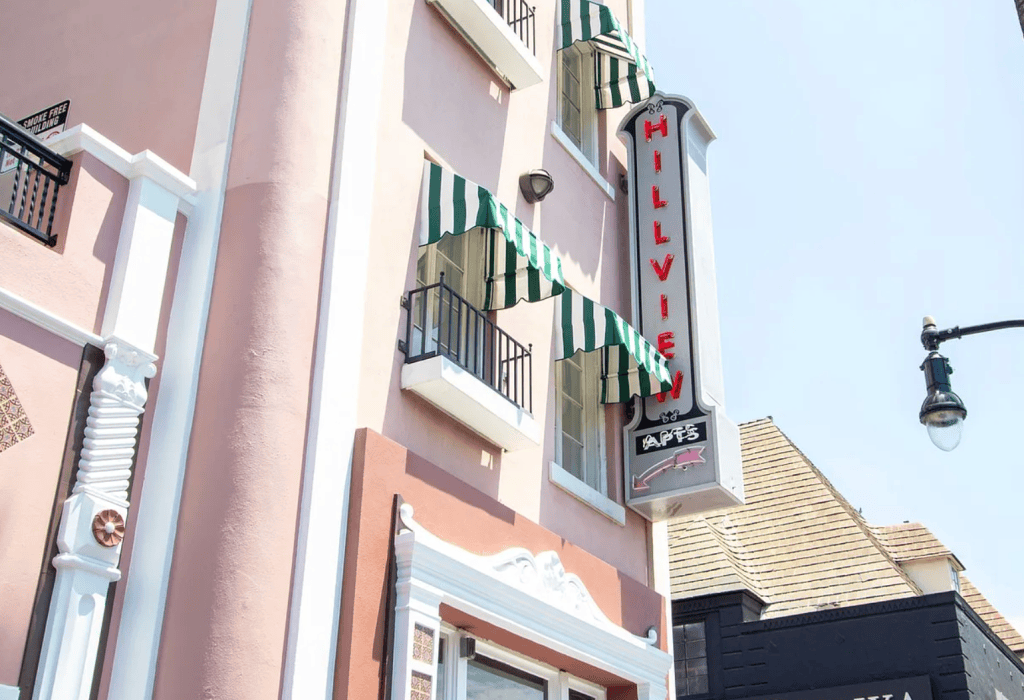
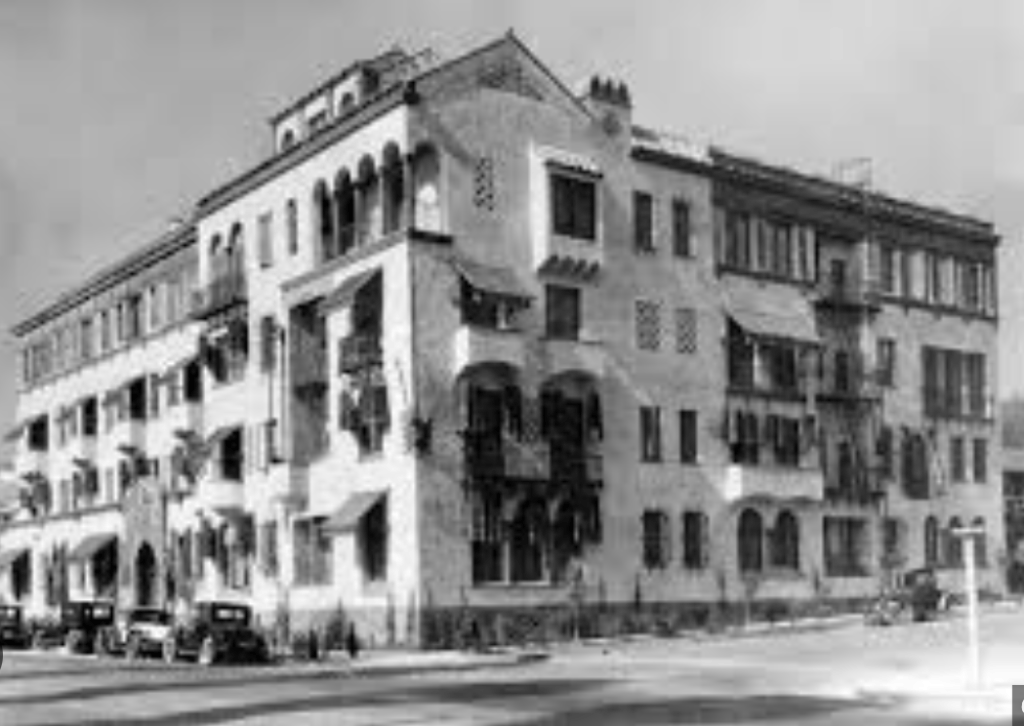
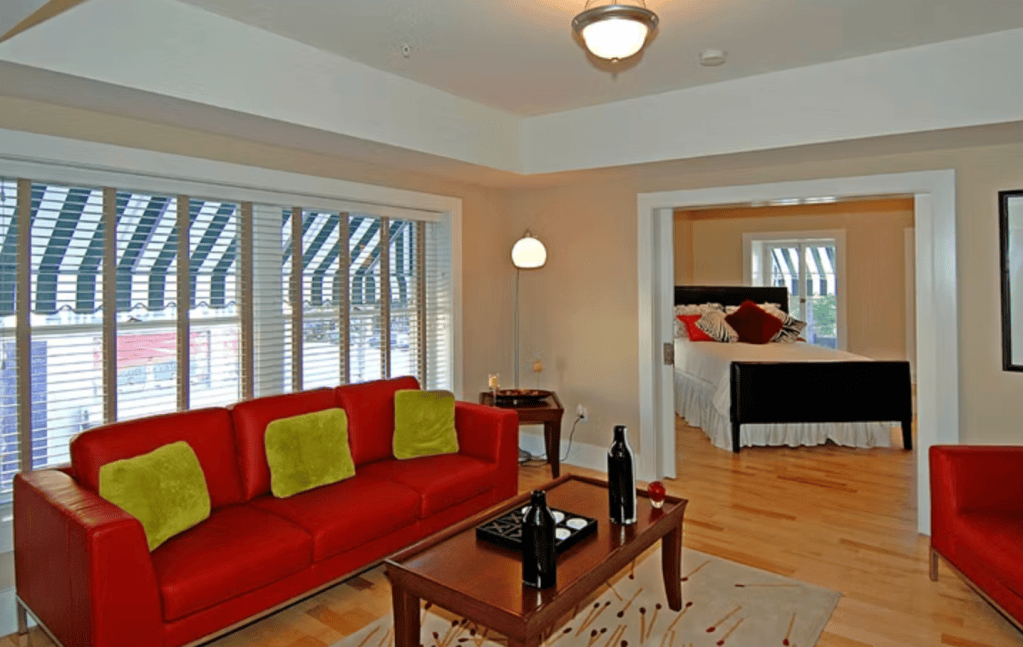
Recognizing its inclusion in the National Register of Historic Places, private preservationists stepped in. A multi-million dollar rehabilitation shored up the foundations, recreated the ruined top floor from vintage photos, and treated extensive mold. It officially reopened to tenants in July 2005. Following a foreclosure in 2009, the property was renamed The Hudson Apartments. In October 2021, real estate developers purchased the building for $19.2 million. They underwent a sweeping interior revitalization, renaming the building The Harlan Residences. Today, the building retains its historic facade but features modern boutique apartments with floor plans affectionately named after its iconic past residents, including “The Valentino” and “The Greta Garbo”. Rentals for studios and one bedroom apartments range fron $1,750 to $2,950 per month.
 Whitley Heights 101
Leave a comment